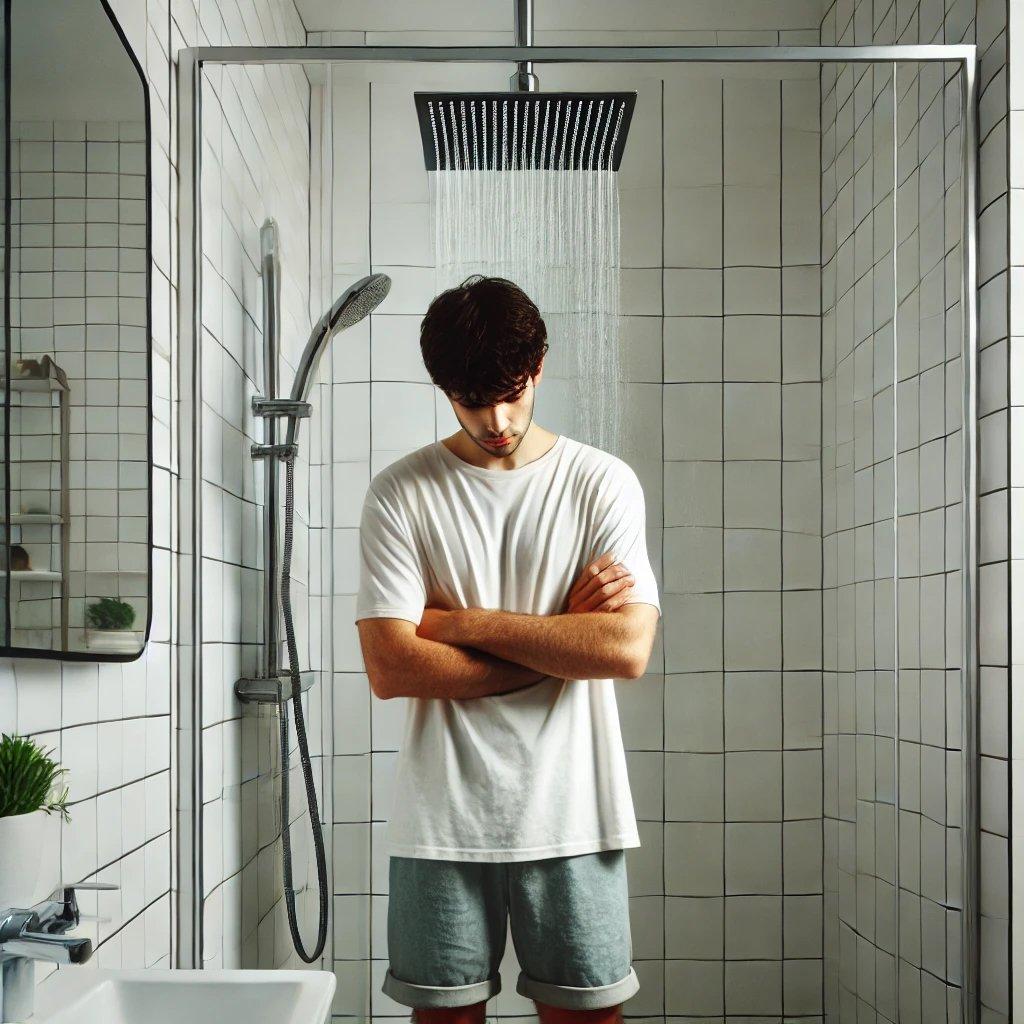
If this sounds familiar, don't rush to call a professional just yet. The most common cause for these issues is simply trapped air in your central heating system, and the fix is a simple, quick DIY task called "bleeding the radiator."
Don't let the name intimidate you! Bleeding a radiator doesn't involve anything messy or complicated. It simply means releasing the trapped air that's preventing hot water from circulating properly. Doing this not only restores warmth to your room but also improves the efficiency of your entire heating system, which can help lower your energy bills.
In this guide, we'll walk you through everything you need to know, just like a friendly expert on the phone. We'll help you identify your system type, gather the right tools, and follow the simple steps to get your heat back on track.
Why Do Radiators Need Bleeding Anyway?
Before we grab our tools, let's quickly understand what's happening inside your heating system. Central heating systems work by pumping hot water (or steam) through a network of pipes and into your radiators. Over time, small amounts of air can get into the system—this can happen during maintenance, from tiny leaks, or just as a natural process.
Because air is lighter than water, it rises and gets trapped at the highest points, which is often the top of your radiators. This trapped air pocket acts like a blockage, preventing the hot water from filling the radiator completely.
Here are the classic signs that you have air trapped in your radiators:
- Cold Spots: The most common symptom is a radiator that is hot at the bottom but cold at the top.
- Gurgling or Bubbling Noises: As water tries to flow past the air pocket, it can create strange sounds from your pipes or radiators.
- A Completely Cold Radiator: In some cases, a large enough airlock can stop the flow of water entirely, leaving the whole radiator cold even when the heat is on.
Experts recommend bleeding your radiators about once a year, typically before the winter season begins, to keep your system running at peak performance.
Step 1: Identify Your Heating System Type
The first crucial step is to figure out if you have a hot water (hydronic) system or a steam heating system. The process for releasing air is different for each. Here’s how to tell them apart:
- Check the Boiler: Head to your basement or utility closet. Your boiler or furnace might have a label that clearly says "hot water" or "steam."
- Look at the Pipes: Hot water systems typically use thinner copper or plastic pipes. Steam systems, on the other hand, use large, heavy-duty cast-iron pipes to handle the pressure.
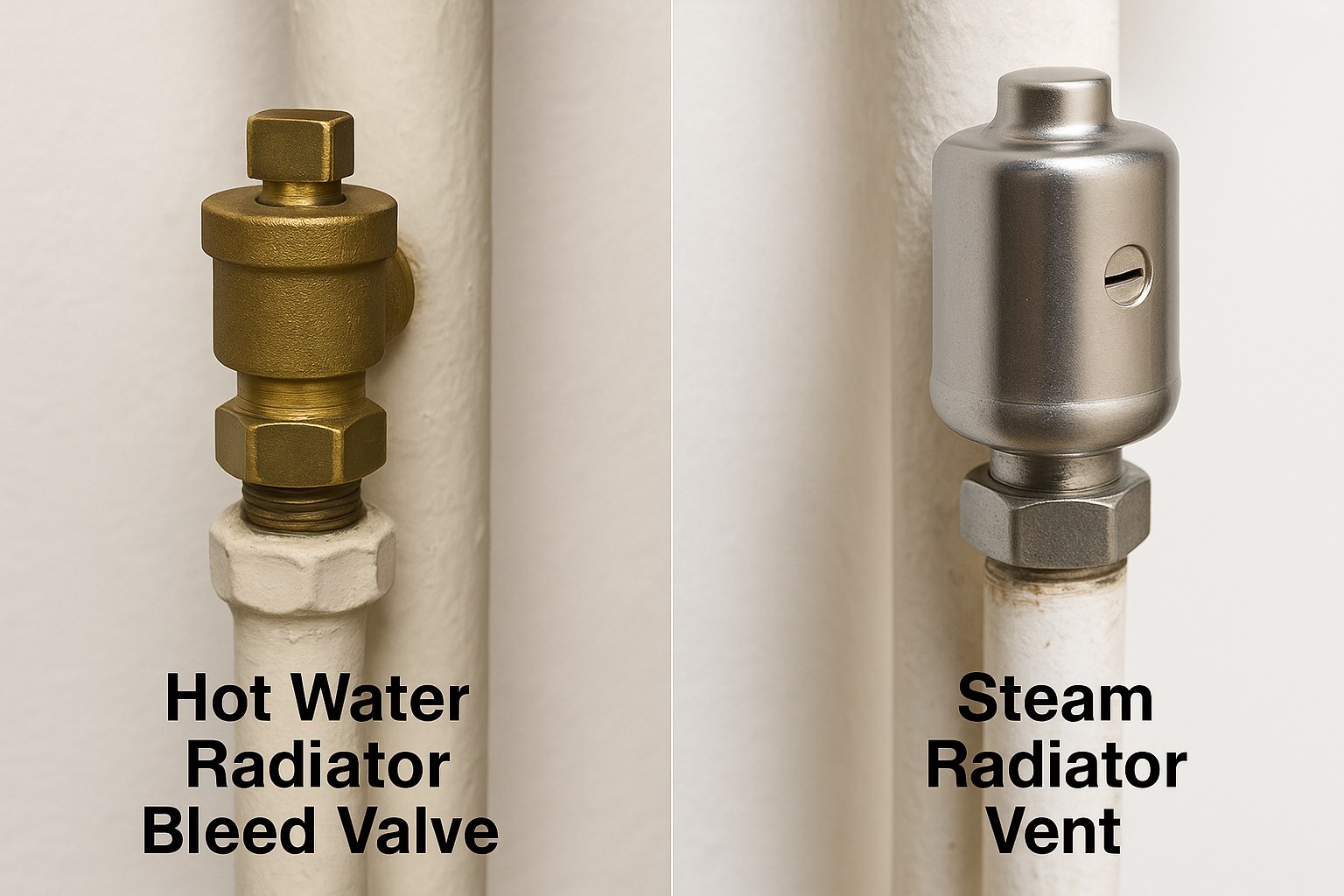
- Examine the Radiator: This is often the easiest way to tell. A hot water radiator has a small, square or slotted bleed valve at the top corner. A steam radiator has a larger, bullet-shaped air vent on its side, usually near the top.
Once you know your system type, you can jump to the correct set of instructions below.
How to Bleed a Hot Water Radiator
This is the most common type of system and the one most people refer to when they talk about bleeding radiators.
What You'll Need:
- A radiator bleed key (available at any hardware store) or a flathead screwdriver
- An old towel or rag
- A small bowl or mug to catch any drips
Step-by-Step Instructions:
- Turn Off Your Heating: This is a critical safety step. Go to your thermostat and turn the heating off completely. This stops the circulation of hot water.
- Wait for the System to Cool: Allow at least 20-30 minutes for all the radiators in your home to cool down to the touch. Attempting to bleed a hot radiator can result in scalding hot water spraying out.
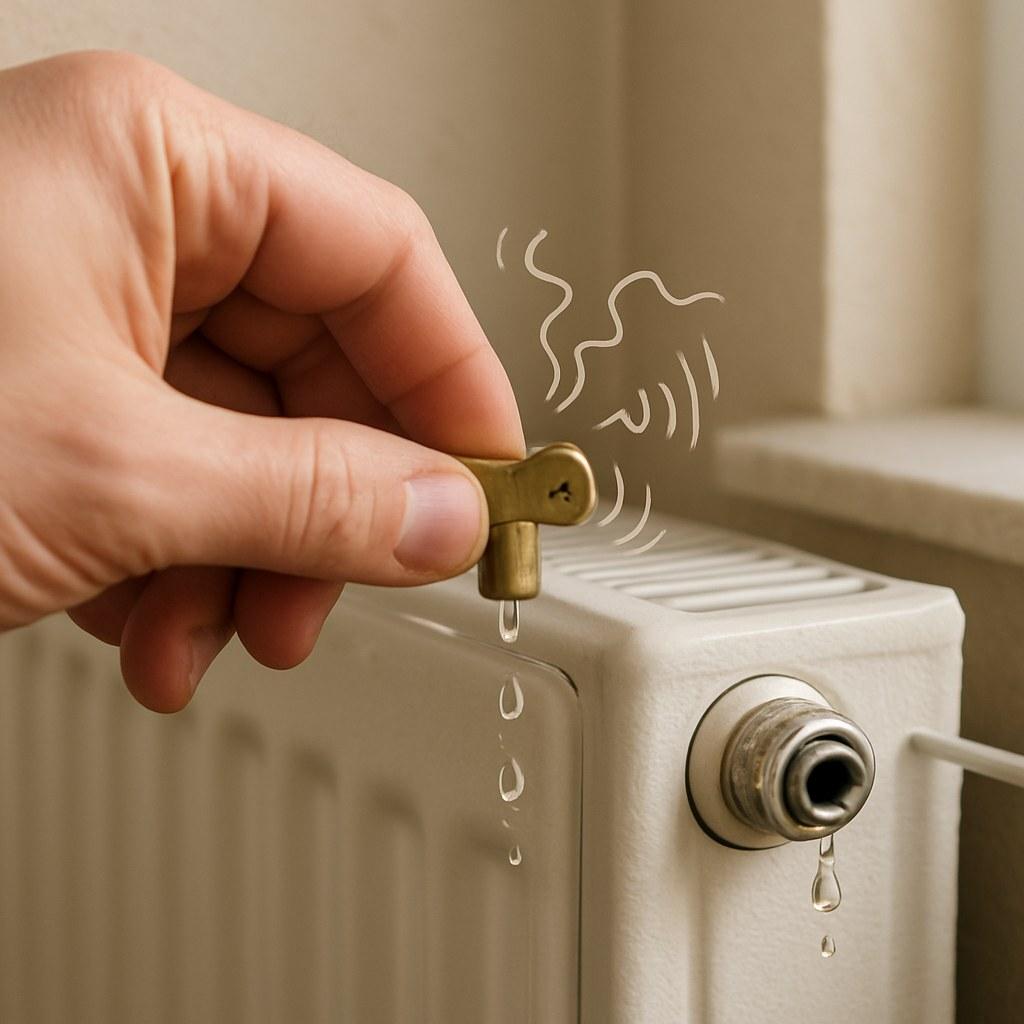
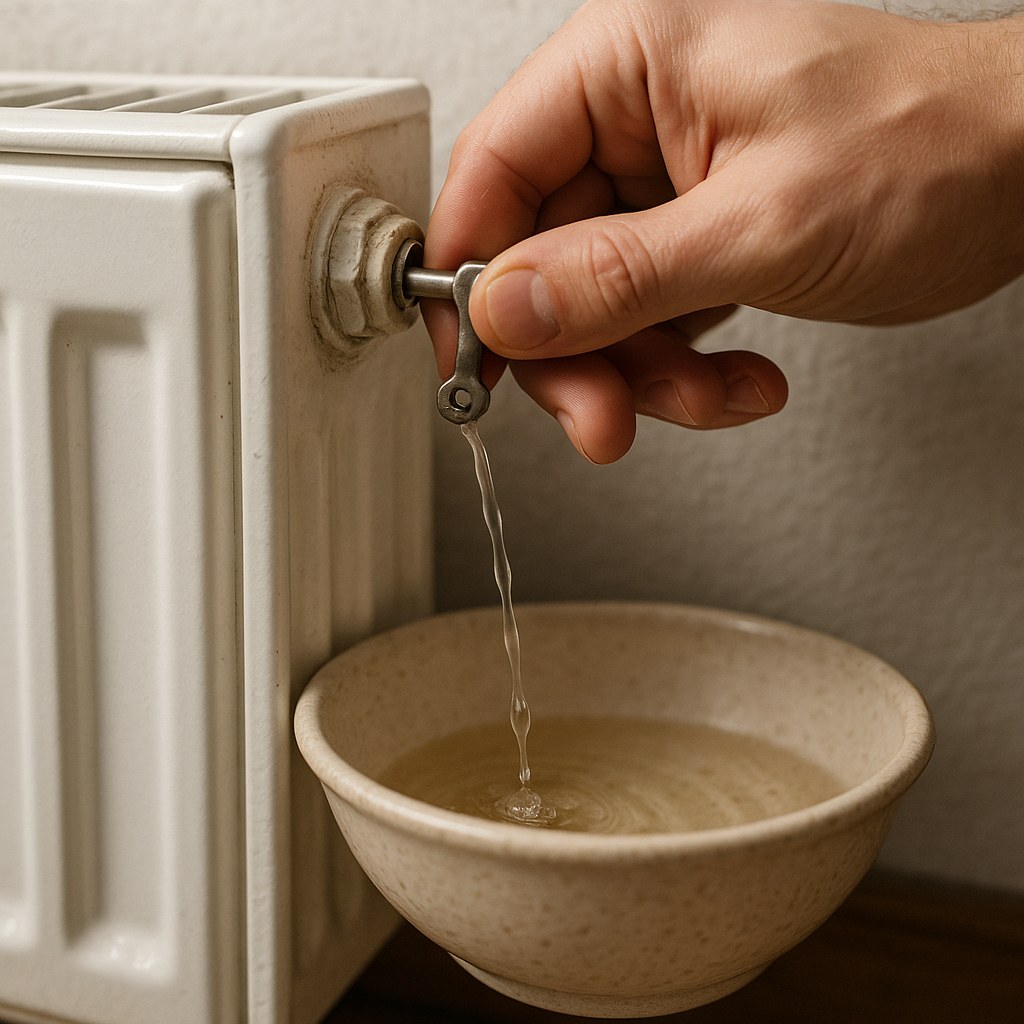
- Locate the Bleed Valve: On the radiator you want to bleed, find the small valve at the top corner. It will either have a small square peg in the center (for a key) or a straight slot (for a screwdriver).
- Prepare for Drips: Place your towel on the floor beneath the valve and hold your bowl directly under it to catch any water.
- Open the Valve: Insert your radiator key or flathead screwdriver into the valve. Turn it counter-clockwise—usually, a quarter or half turn is all you need. You should immediately hear a hissing sound. This is the trapped air escaping.
- Wait for the Water: Keep the valve open. The hissing will eventually stop, and a steady trickle of water will start to come out. This means all the air has been released.
- Close the Valve: As soon as you see water, turn the key or screwdriver clockwise to close the valve. Be gentle and tighten it just until it's snug. Overtightening can damage the valve.
- Wipe and Dry: Use your towel to wipe the valve and check for any lingering drips.
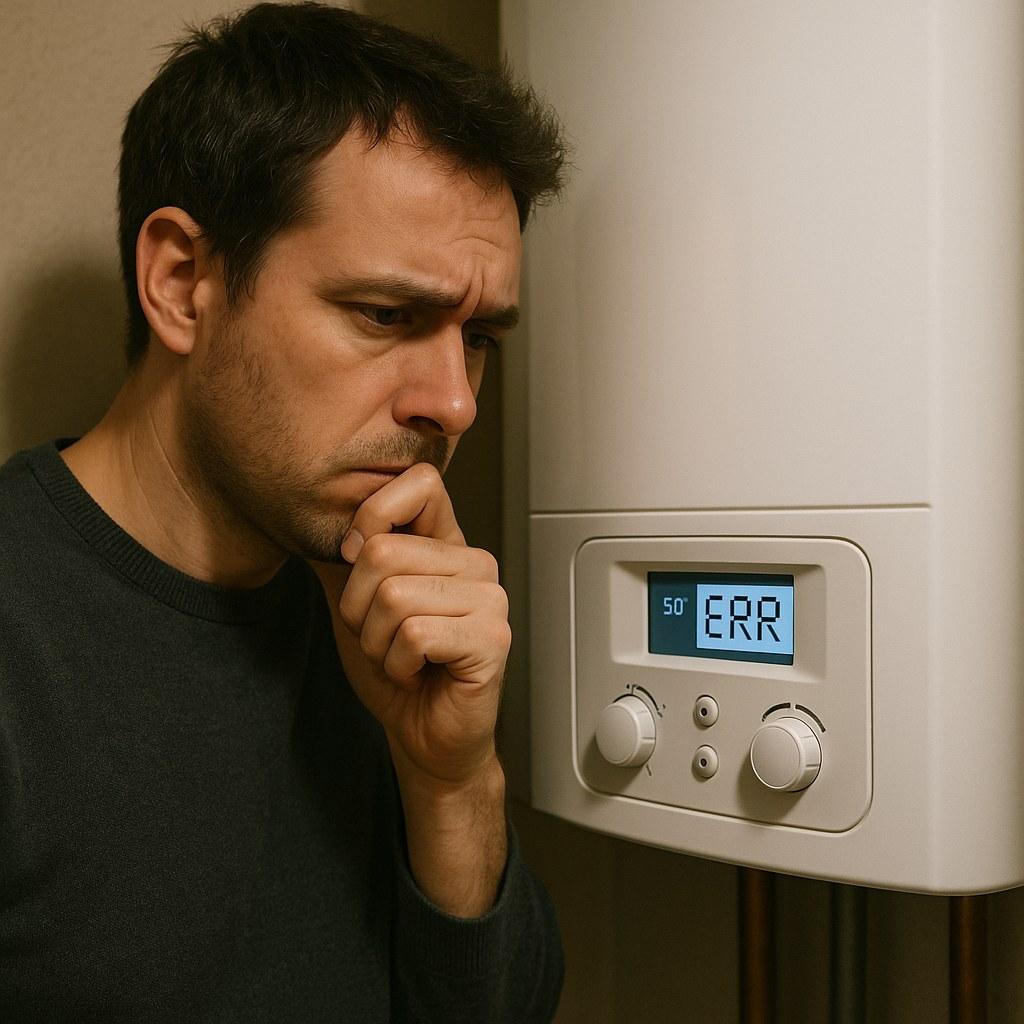
- Check Your Boiler Pressure: Releasing air can sometimes cause the pressure in your heating system to drop. Locate the pressure gauge on your boiler (it's a dial, often with green and red zones). The pressure should typically be between 1 and 1.5 bar. If it has dropped below 1, you may need to re-pressurize your system. Consult your boiler’s manual for instructions on how to do this—it's usually a simple process of opening a filling loop valve.
- Turn the Heat Back On: Now, turn your thermostat back on. Wait about 15-20 minutes and go check the radiator. It should now be heating up evenly from bottom to top. Congratulations, you did it!
What About a Steam Radiator?
Steam heating systems work differently. They don't need to be "bled" of air while the system is off. Instead, their air vents are designed to automatically release cool air to allow hot steam to enter. If a steam radiator isn't heating, it’s almost always because the air vent is clogged, broken, or painted over.
How to Check Your Steam Vent:
- Turn On Your Heating: Unlike with a hot water system, you need the heat running for this diagnosis.
- Listen and Feel: After the boiler has been running for about 10 minutes, go to the cold radiator. Listen closely to the air vent on the side. You should hear a steady hissing sound as it pushes the cool air out. The vent itself should also get warm.
- Diagnose the Problem:
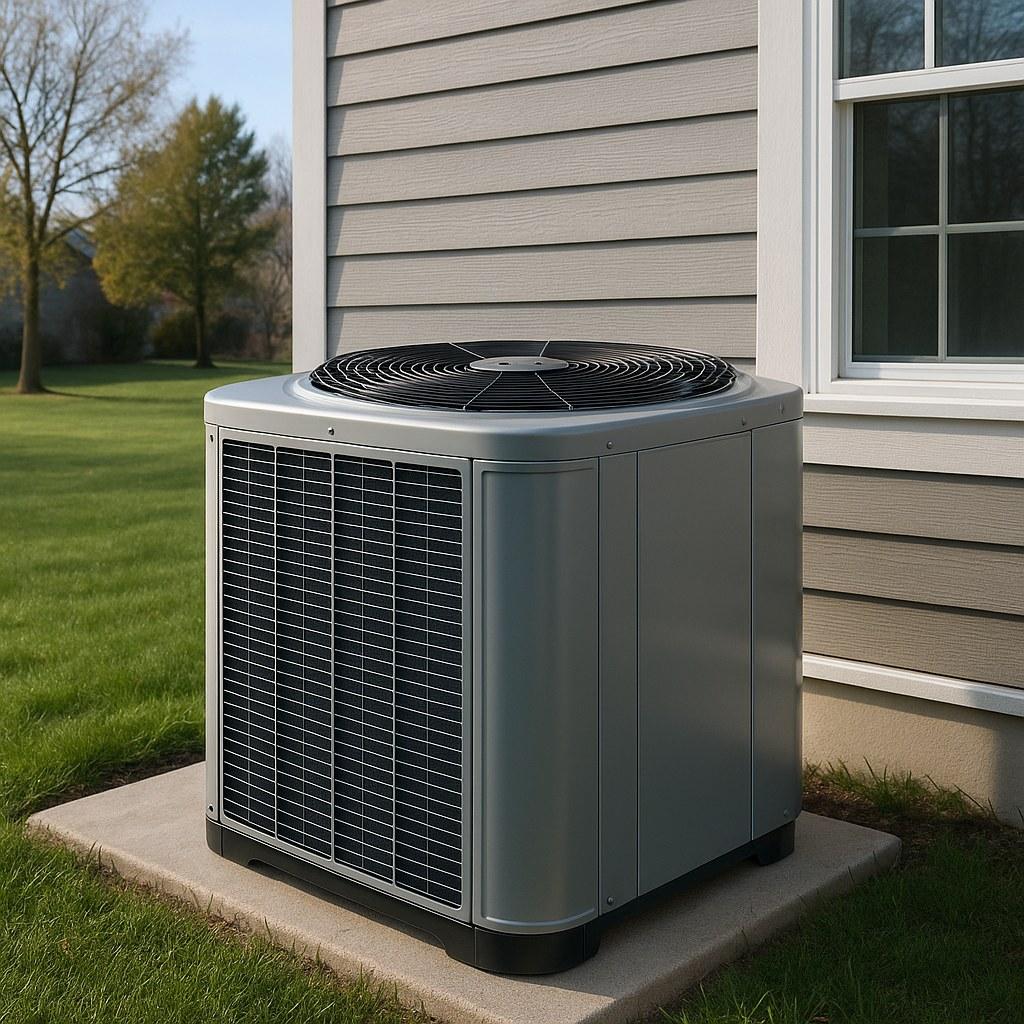
- If the vent is hissing and gets warm, but the radiator stays cold, the issue is likely more complex, such as a system balancing problem. In this case, it's best to call an HVAC professional.
- If the vent is silent and stays cold, it’s clogged or broken and needs to be replaced.
How to Replace a Steam Radiator Vent:
- Turn Off the Heat: Make sure the heating is off and the radiator is completely cool.
- Remove the Old Vent: Use an adjustable wrench to grip the old vent and turn it counter-clockwise to unscrew it.
- Prepare the New Vent: Take your new steam vent and wrap the threaded end with two or three layers of PTFE tape (plumber's tape). This ensures a tight seal.
- Install the New Vent: Screw the new vent into the radiator by hand until it's finger-tight. Then, give it a gentle final snug with the wrench.
- Test It: Turn the heat back on and wait. Your radiator should now heat up properly as the new vent does its job.
When to Call a Professional
While bleeding a radiator is a straightforward DIY fix, there are times when the problem is beyond a simple air release. You should call a plumber or HVAC technician if:
- You've bled all your radiators, but some are still cold.
- The water that came out of the radiator was very dark, rusty, or sludgy. This is a sign of corrosion and buildup inside your system, which may require a professional power flush.
- You are not comfortable checking or re-pressurizing your boiler.
- Your radiator is leaking from somewhere other than the bleed valve.
The cost for a professional to bleed your radiators is typically their standard service call fee, which can range from $75 to $200. If your system needs a full power flush to clear out sludge, the cost can be significantly higher, often between $400 and $700 depending on the size of your home.

You've Got This!
Fixing a cold radiator is one of the most satisfying home maintenance tasks you can do. With just a few simple tools and a little bit of time, you can restore warmth to your home, quiet those noisy pipes, and ensure your heating system is running efficiently all winter long.
For more easy-to-follow home repair guides, maintenance reminders, and a direct line to trusted local pros for the bigger jobs, download the Casa app today! We’re here to help you manage and maintain your home with confidence.