Looking for more guidance? Take a look at our Repairs overview.
 BACK
BACKJAN 13, 2026
How To Change Any Light Bulb Safely and Easily
 BACK
BACKJAN 13, 2026
Looking for more guidance? Take a look at our Repairs overview.
It’s a moment we all experience. You flip a switch, and instead of bright light, you get a flicker, a dim glow, or nothing at all. A burnt-out light bulb might seem like a small annoyance, but in a busy hallway or a dark stairwell, it can be a genuine safety hazard. You might also notice flickering lights, a dimming bulb that’s lost its spark, or even a faint burnt odor, all signs that it’s time for a change.
The good news is that changing a light bulb is one of the most common and straightforward DIY tasks around the house. With just a few minutes and the right knowledge, you can safely swap out that old bulb and restore brightness to your space.
In this guide, we’ll walk you through everything you need to know, just like a friendly expert on the phone. We’ll cover essential safety precautions, how to identify different types of fixtures and bulbs, and provide step-by-step instructions for any situation, whether it's a simple desk lamp or a high-up ceiling fixture.
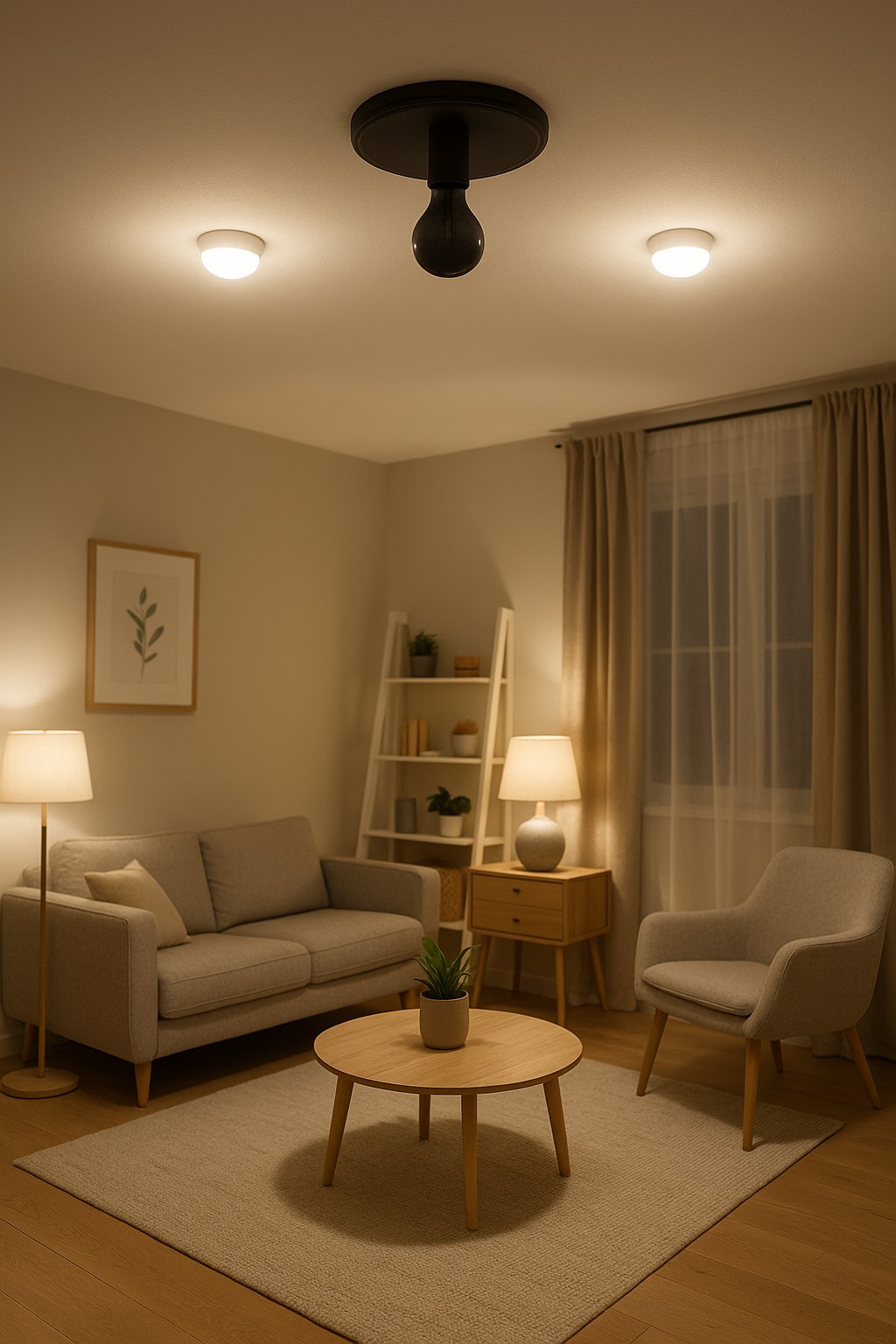
Before you even think about touching a light fixture, let's talk about safety. Working with electricity, even on a small scale, requires your full attention. Following these simple steps will ensure the job is done without any risks.
Turn Off the Power at the Switch: This is the most critical step. Find the wall switch that controls the light fixture and flip it to the "off" position. This stops the flow of electricity to the socket. Don’t just assume the light is off because the bulb is burnt out; always use the switch.
Let the Old Bulb Cool Down: If the light was on recently, the bulb could be extremely hot, especially if it’s an older incandescent or halogen model. Give it at least 5-10 minutes to cool down completely before you try to touch it.
Use a Sturdy Ladder (If Necessary): If you can't comfortably reach the fixture while standing flat on the floor, grab a stepladder. Make sure you place it on a solid, level surface and that the ladder’s locking braces are fully engaged. Never stand on a wobbly chair or a piece of furniture—it’s just not worth the risk of a fall.
For Extra Caution, Flip the Breaker: For fixtures in potentially damp areas like bathrooms or outdoors, or if you're at all unsure, it’s a wise move to turn off the power at the circuit breaker. This guarantees there is no current running to the fixture.
Not all light bulbs are created equal. Before you can replace a bulb, you need to know what you’re working with. Light fixtures and bulbs come in a few common varieties.
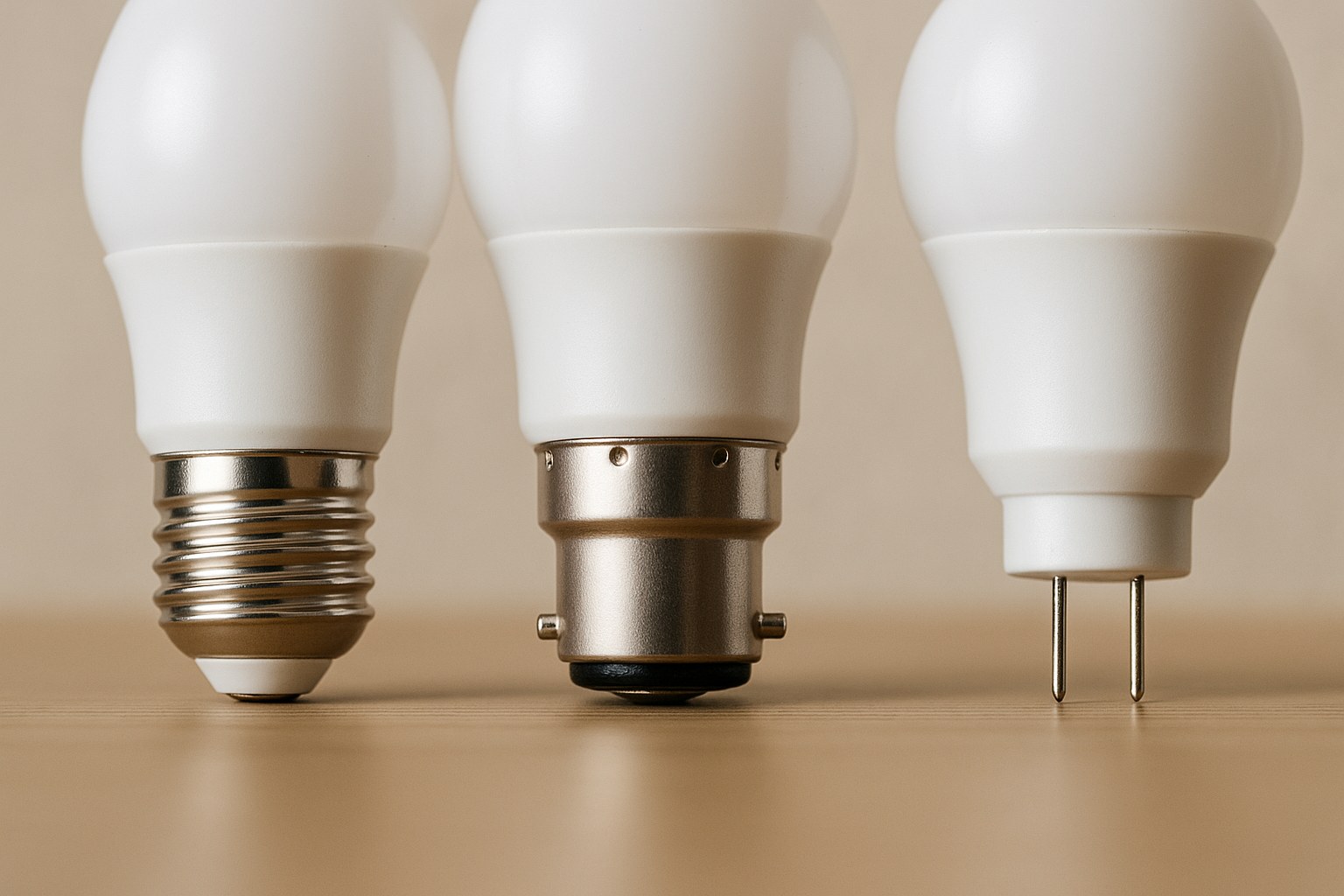
If your light fixture is controlled by a dimmer switch or a smart home system, you can't use just any bulb. You must use a bulb that is specifically marked as “dimmable.” Using a non-dimmable bulb on a dimmer circuit can cause flickering, buzzing, or lead to the bulb burning out very quickly. Always check the packaging of your new bulb to ensure it’s compatible.
Ceiling fixtures are the most common type of lighting, but they can sometimes feel tricky because they're overhead. Here’s how to handle it like a pro.
Wall sconces are very similar to ceiling fixtures, just mounted vertically.
Lamps are the easiest of all, as they aren't hardwired into your home’s electrical system.
So you've replaced the bulb, but the light still won't turn on. Don't panic! Here are a few things to check before calling for help.
If you’ve checked all of these things and the light still isn’t working, there may be a more complex issue with the socket, the wiring in the fixture, or the switch itself. At this point, for your safety, it's time to stop and call in a professional.
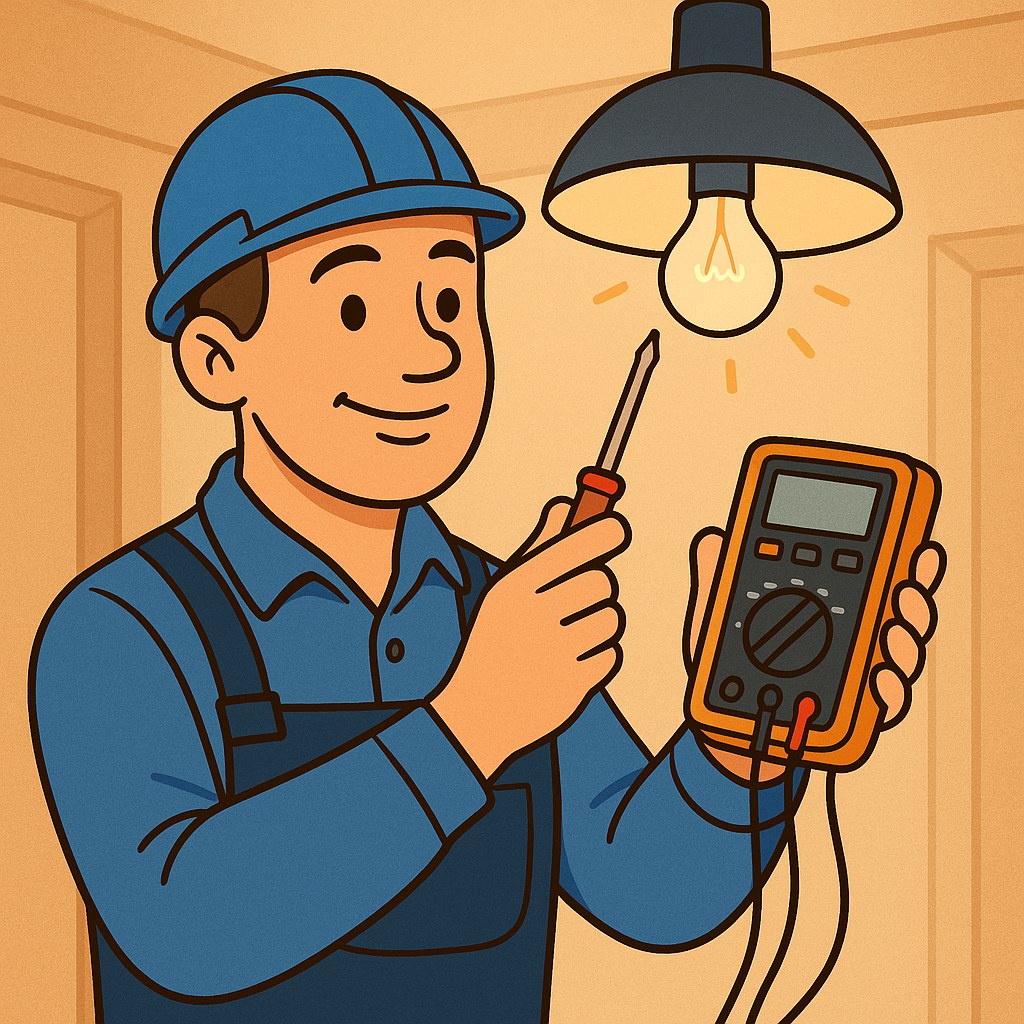
Hiring a licensed electrician for a small job like fixing a light fixture is a smart investment in your home’s safety. The cost can vary, but according to Forbes Home, you can expect to pay between $50 and $150 per hour, often with a minimum service fee.
Congratulations! You’ve successfully and safely changed your light bulb. It’s a small task, but mastering these basic home maintenance skills builds confidence and keeps your home running smoothly. By putting safety first and understanding the different types of bulbs and fixtures, you can tackle this job anytime, anywhere.
For more simple DIY guides, home maintenance reminders, and a direct line to trusted professionals when a job is too big to handle alone, download the Casa app today. We’re here to help you care for your home with confidence, one bright idea at a time.