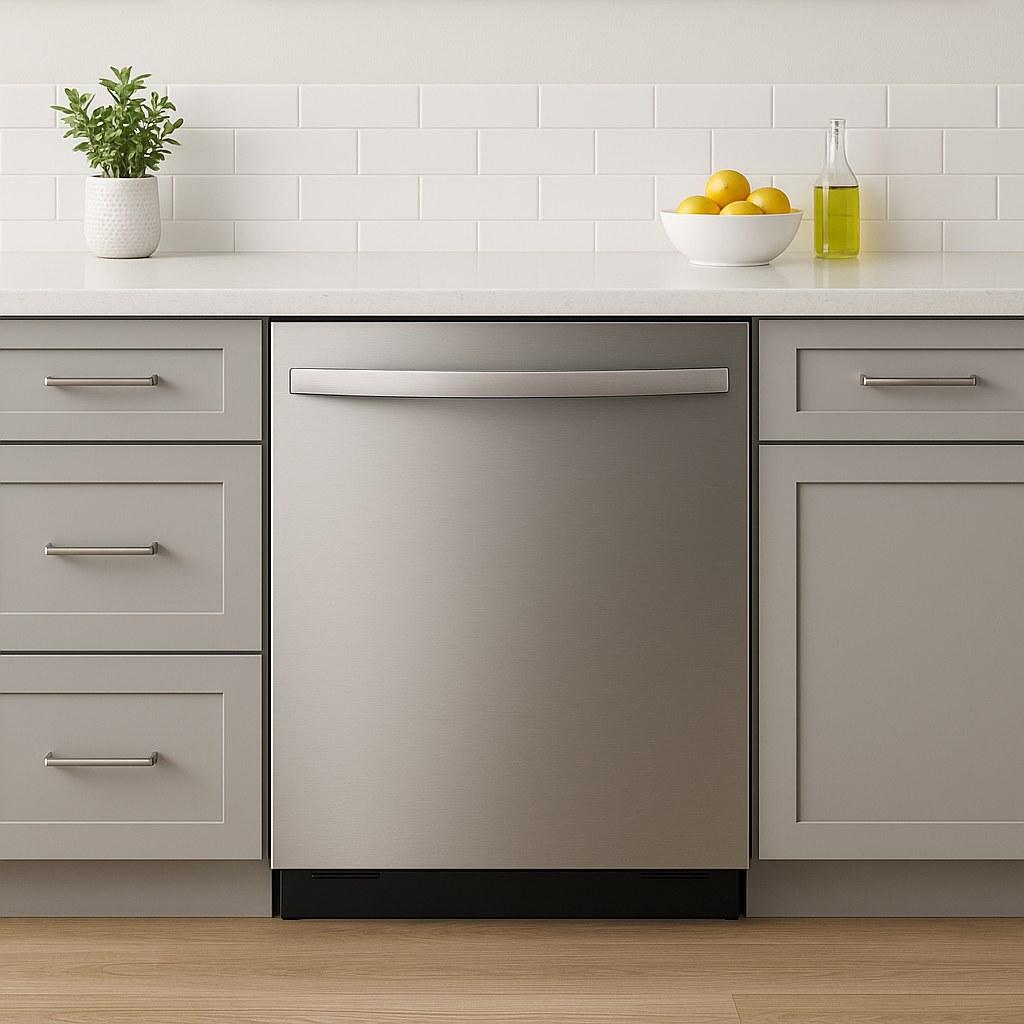
Think of me as your friendly expert on the other end of the line. Together, we’re going to walk through the possible culprits and get your dishwasher back to doing its job. Most of the time, you can solve this problem in under 30 minutes with just a few household items.
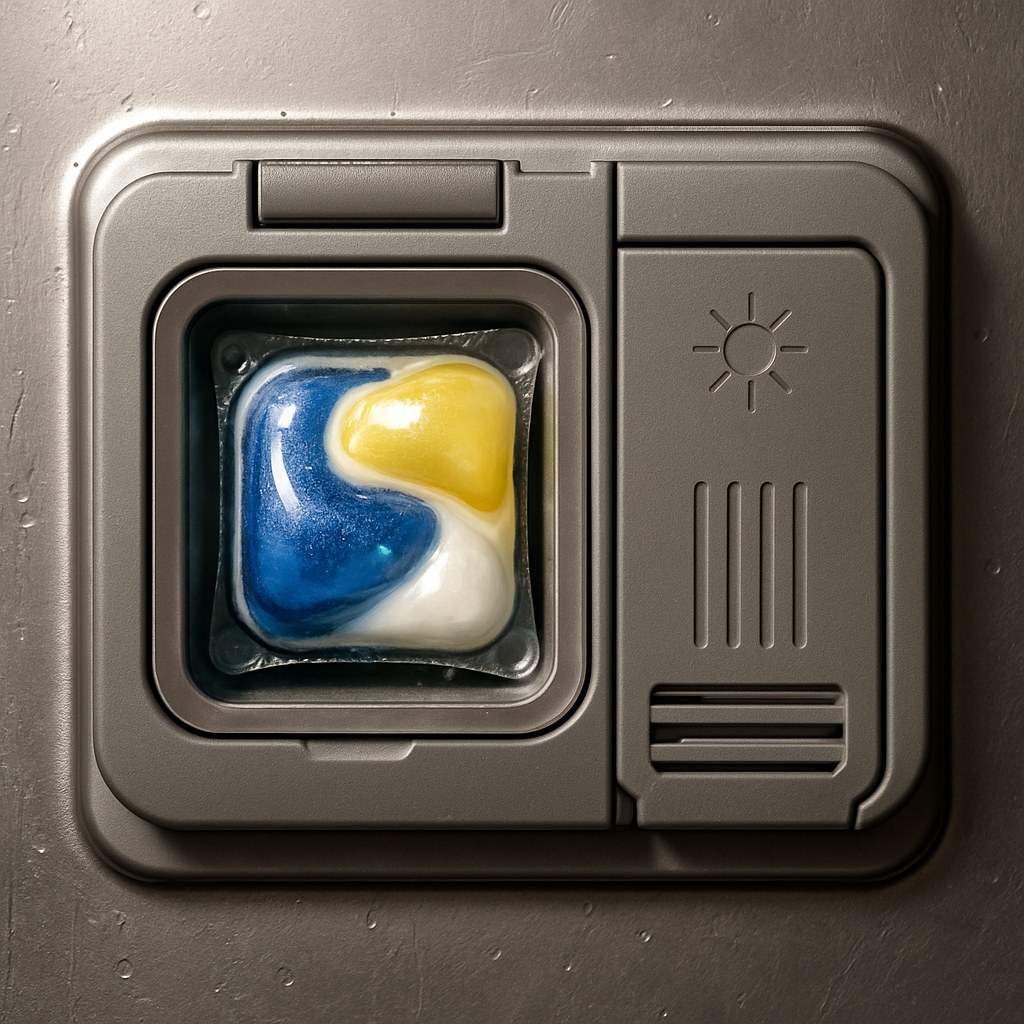
Why Isn't My Dishwasher Releasing Soap? The Common Culprits
Before we roll up our sleeves, let’s understand what might be going wrong. Your dishwasher’s soap dispenser is designed to pop open at a specific time in the wash cycle, releasing the detergent so it can be mixed with hot water and sprayed over your dishes. When this process fails, it’s usually due to one of these four reasons:
- A Stuck Dispenser Door: Old detergent residue can get sticky and gummy, essentially gluing the dispenser door shut.
- A Blocked Dispenser Door: A large plate, cutting board, or rogue utensil placed in front of the dispenser can physically prevent it from opening.
- Clogged Spray Arms: If the spray arms are clogged with food debris or mineral buildup, they can’t shoot water with enough force to dissolve the soap, even if the door opens correctly.
- A Faulty Latch or Spring: The mechanical parts of the dispenser can wear out over time, preventing the latch from releasing the door.
Now that we know what we’re looking for, let’s start troubleshooting.
A Step-by-Step Guide to Fixing Your Dishwasher Soap Dispenser
We'll start with the easiest and most common fixes first. Grab a small bowl, some white vinegar, and an old toothbrush—you might need them.
Step 1: Run a Quick Diagnostic Wash
First, let's confirm exactly what’s happening inside the machine. Running a short test cycle will tell us if the problem is with the door itself or something else.
- Empty the Dishwasher: Remove all dishes except for a single dirty plate on the bottom rack. This ensures nothing is blocking the dispenser or spray arms.
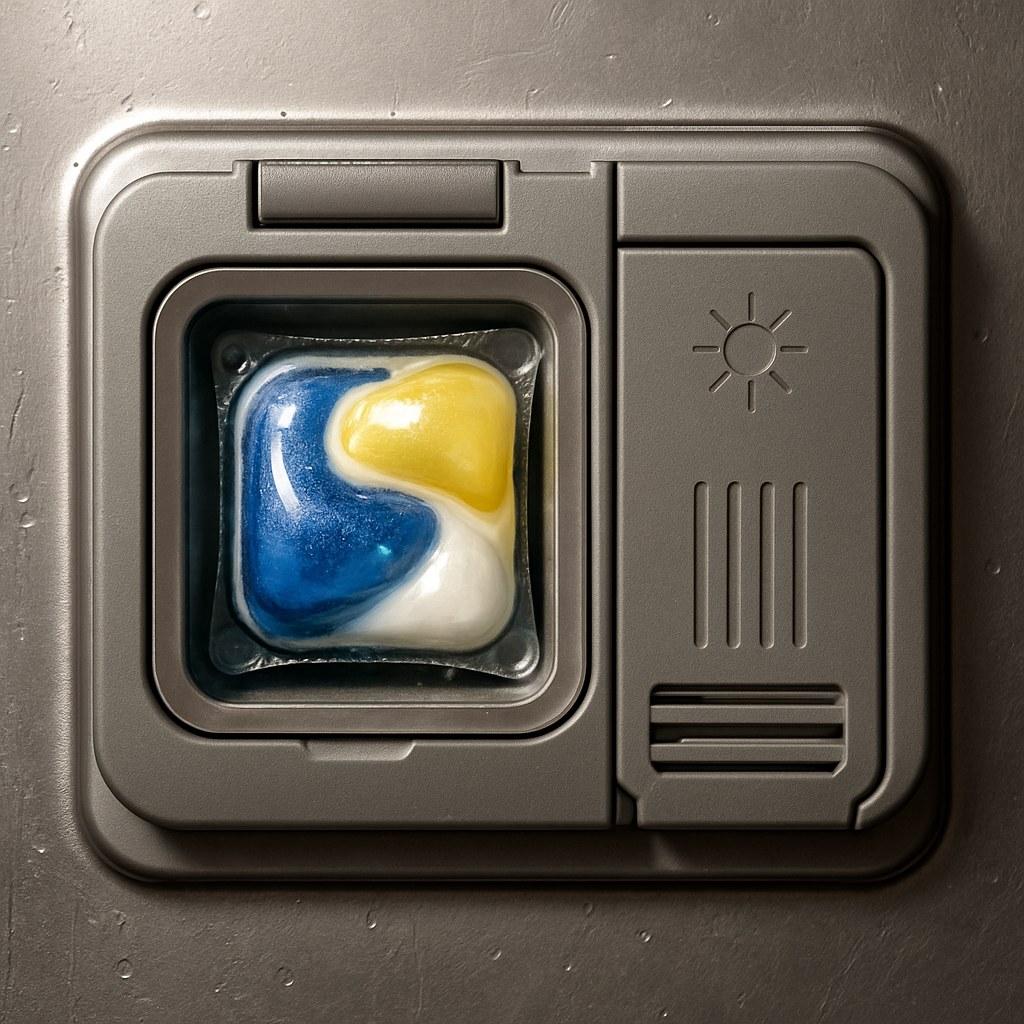
- Add Detergent: Place your usual soap pod or liquid detergent in the dispenser and close the latch until it clicks.
- Run a Short Cycle: Choose the shortest wash or rinse cycle available on your machine and press start.
- Check the Results: As soon as the cycle is finished, open the door. What do you see?
- If the dispenser is still closed with the soap inside: This tells us the problem is with the door mechanism itself. Move on to Step 2.
- If the dispenser is open, but the soap is still there (or partially dissolved): This suggests the door is working, but water isn't reaching the soap properly. Skip ahead to Step 3.
Step 2: The Dispenser Door Is Stuck Shut
A dispenser door that won’t open is most often caused by gunk and grime or a broken mechanical part.
Inspect and Clean the Dispenser
Old soap residue mixed with water creates a surprisingly strong "glue" that can seal the dispenser shut. Let's give it a good cleaning.
- Mix a Cleaning Solution: In a small bowl, mix equal parts warm water and plain white vinegar. Vinegar is excellent at breaking down mineral deposits and soap scum.
- Scrub Away: Dip an old toothbrush into the solution and thoroughly scrub the dispenser cup, the door, the hinge, and especially the rubber seal around the edges. Get into all the nooks and crannies.
- Wipe and Dry: Use a damp cloth to wipe away all the loosened gunk, then dry the area with a clean towel.
- Test It: Manually open and close the door a few times. It should now move freely. Run another short rinse cycle to see if this solved the problem. If it did, you’re all set!
Check the Latch and Spring
If a deep clean didn't do the trick, the mechanical latch or the tiny spring that makes it pop open might be the issue.
- Locate the Latch: Open the dispenser door and look at the latch mechanism.
- Test the Movement: Gently pull on the latch. It should move freely and snap back into place when you let go. If it feels loose, stiff, or mushy, there might be an issue.
- Inspect the Spring: Look closely at the spring. Is it broken, stretched out, or corroded? If the spring has lost its tension, it won’t be able to push the door open.
If the latch or spring appears damaged, this is likely the root of your problem. You can often find replacement dispenser assemblies online for your specific dishwasher model, but if you're not comfortable with the repair, this is a good time to call a pro.
Step 3: The Door Opens, But the Soap Remains
If your diagnostic test showed an open dispenser with an undissolved soap pod, the problem isn't the door—it's the water flow. Either something is physically blocking the soap, or the spray arms aren't doing their job.
Check and Clean the Spray Arms
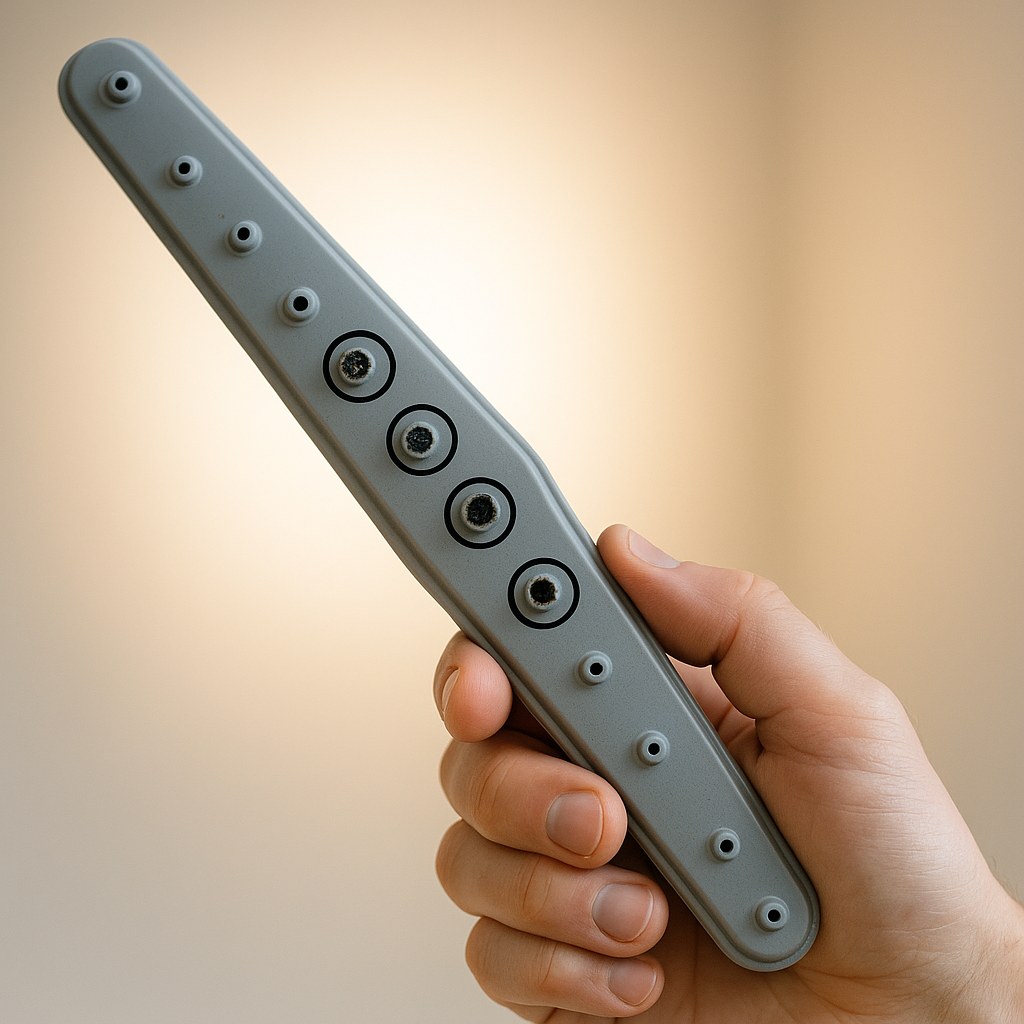
The spray arms are the spinning wands that shoot water all over your dishes. If their tiny jet-holes get clogged with food or hard water deposits, they can't create a powerful enough spray to dissolve the detergent.
- Remove and Inspect: Take out the bottom rack. The lower spray arm should lift right off. The upper one usually unscrews.
- Look for Clogs: Hold each arm up to a light and look through the holes. Do you see any food particles, seeds, or white mineral buildup blocking them?
- Give Them a Bath: Fill your sink with warm water and a cup of white vinegar. Let the spray arms soak for about 15-20 minutes.
- Scrub and Rinse: Use a toothbrush or a pair of pliers to gently remove any debris from the holes. Rinse them thoroughly with warm water and reinstall them.
- Test Again: Run another quick wash cycle. Clogged spray arms are a very common culprit, so this fix is often successful.
Review Your Dish-Loading Technique
This might sound too simple, but it’s one of the most frequent causes of an undissolved soap pod.
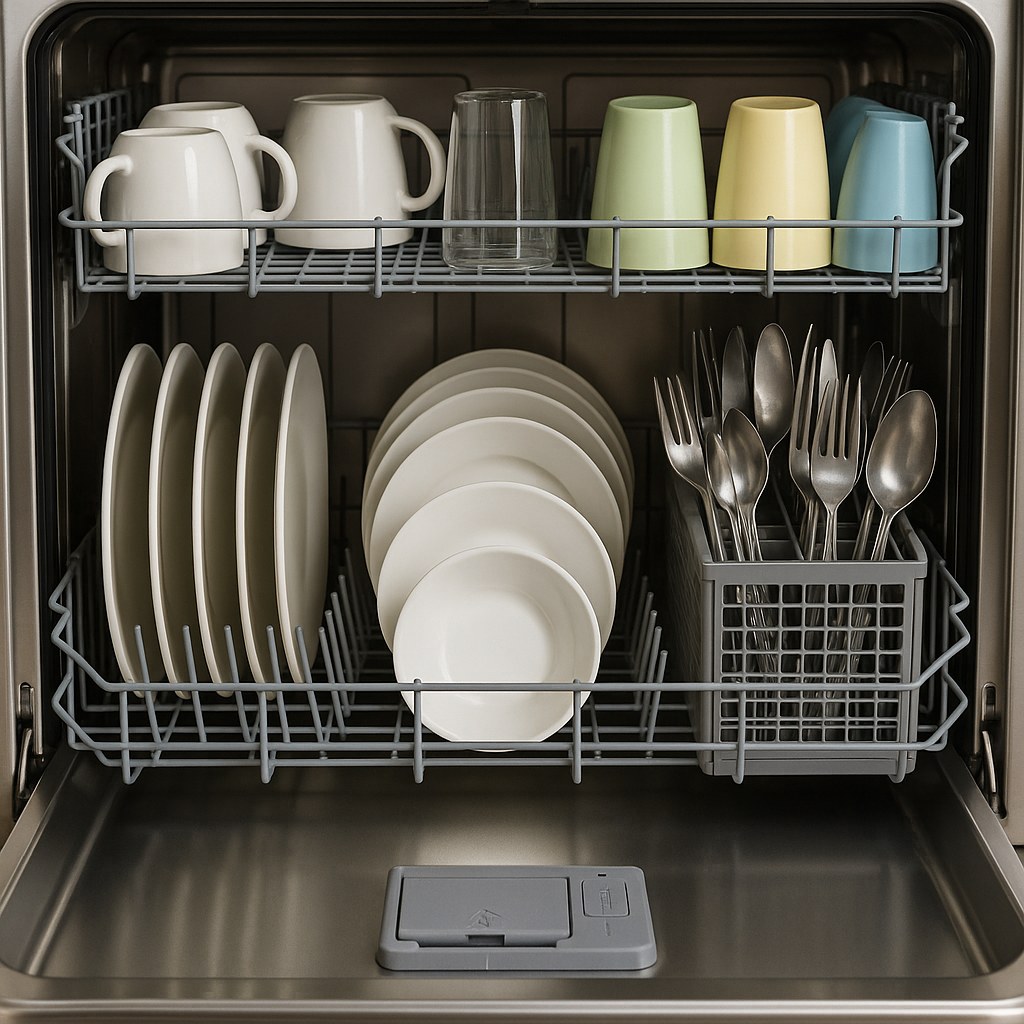
- Check for Blockages: Are you placing tall baking sheets, large plates, or bulky cutting boards in the front of the bottom rack? Anything that sits directly in front of the dispenser can physically block the door from opening.
- The Golden Rule: Always load large, tall items at the sides and back of the dishwasher, leaving a clear path for the dispenser door.
- Reposition and Reload: Rearrange your dishes to ensure nothing is obstructing the dispenser, then run the cycle again.
How Much Does This Cost? DIY vs. a Professional
The great news is that most of these fixes are practically free.
- DIY Cost: The price of some white vinegar and 30 minutes of your time. If you need to replace the entire dispenser unit, the part itself typically costs between $50 and $150, depending on your dishwasher model.
- Professional Repair Cost: According to sources like Angi, hiring an appliance repair technician for this issue typically costs between $150 and $250. A professional can diagnose if the problem is more complex, such as a faulty timer or control board that isn't sending the signal to open the dispenser.
When to Call a Professional
If you’ve cleaned the dispenser, cleaned the spray arms, confirmed your loading technique is perfect, and the soap still isn’t releasing, it may be time to call for backup. A broken latch, a faulty electronic control board, or a water inlet valve problem are issues best left to an experienced appliance repair technician.
Your Dishwasher Is Fixed! What's Next?
Fixing a stubborn dishwasher is a satisfying accomplishment. By following these simple steps, you've likely saved yourself time, money, and the frustration of re-washing dirty dishes.
Home maintenance is full of little challenges like this, but you don't have to face them alone. For more easy-to-follow DIY guides, maintenance reminders, and a direct line to trusted professionals when you need them, download the Casa app today! We’re here to help you keep your home running smoothly, one simple fix at a time.


 BACK
BACK