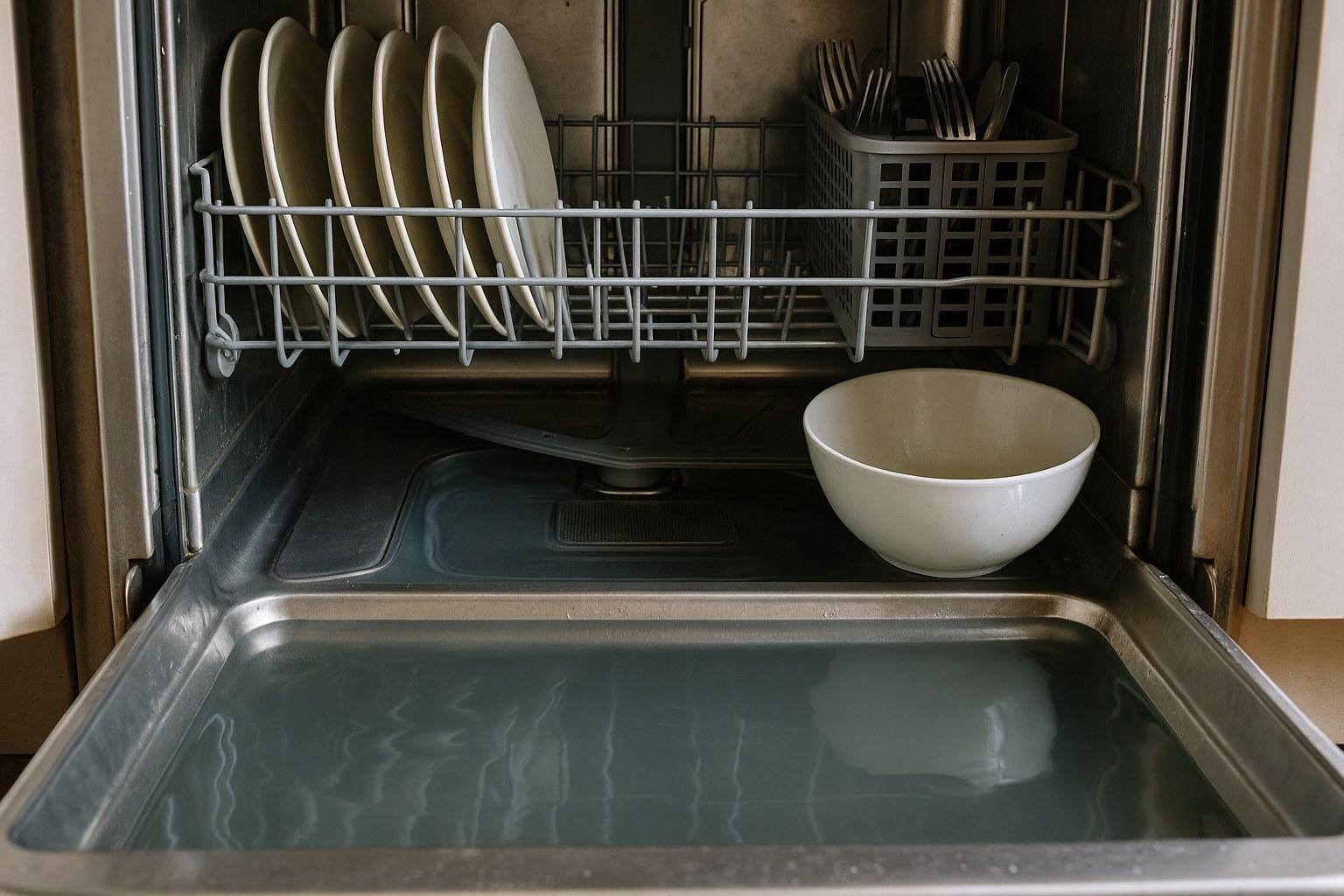
A clogged dishwasher is usually caused by a simple blockage somewhere in its drainage system. This could be a clogged filter, a blocked drain hose, or an issue with your sink's plumbing. Don't worry, we're here to walk you through it. Think of us as your friendly expert on the other end of the line, ready to guide you step-by-step.
Let's get that dishwasher draining and your kitchen back to normal.
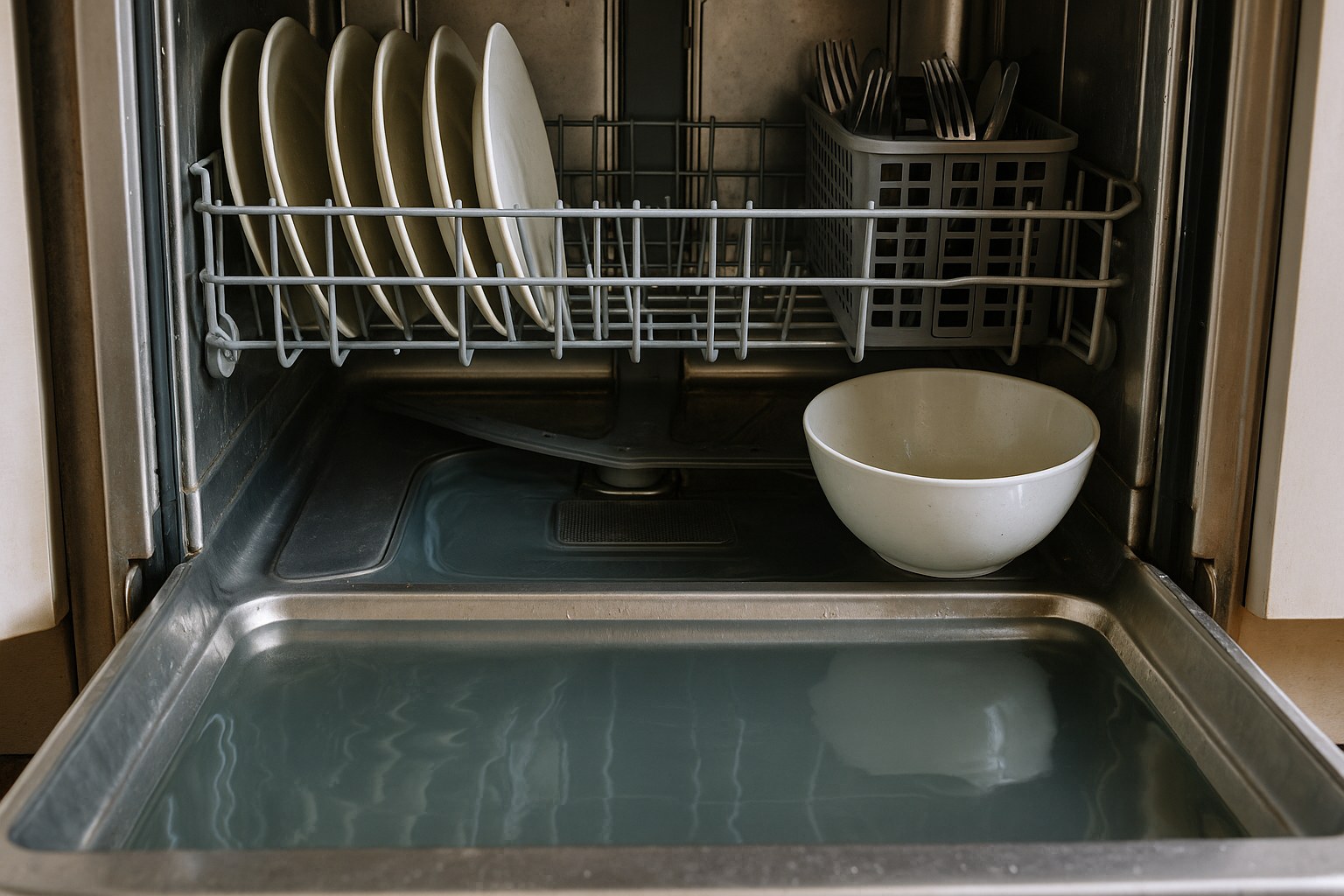
Step 1: The Quick Reset and Safety Check
Before we start taking things apart, let’s try the simplest solution first. Sometimes, a dishwasher's cycle is interrupted, and it just needs to be told to finish the job. We'll also take a moment to get set up safely.
- Run a "Cancel/Drain" Cycle: Most modern dishwashers have a dedicated button or sequence for this. Press and hold the "Cancel" or "Drain" button for a few seconds. You should hear the dishwasher's drain pump kick in. Give it about two minutes to see if it pumps out the standing water. If it does, your problem might have been a one-time glitch. Run a quick "Rinse" cycle to confirm it drains properly now.
- Cut the Power: If the drain cycle didn't work, it's time to get hands-on. For your safety, the most important step is to completely disconnect the dishwasher from power. You can either unplug it from the wall outlet (usually under the sink) or, if it's hardwired, switch off the dedicated circuit breaker in your home's electrical panel.
- Prepare for Spills: Grab an old towel or two and place them on the floor in front of the dishwasher. We might be dealing with a bit of water, and it's always better to be prepared.
If the quick reset worked, you're all set! If not, the water is still there, and we'll move on to the most common culprit.
Step 2: Clean the Dishwasher Filter
Did you know your dishwasher has a filter? Many people don’t! Just like the lint trap in your dryer, this filter catches large food particles and debris to prevent them from clogging the drain pump and hose. If it gets too full, it stops water from draining out. This is, by far, the most common reason a dishwasher won't drain.
- Locate and Remove the Filter: Open the dishwasher door and slide out the bottom dish rack completely. At the bottom of the dishwasher's tub, you'll see the filter assembly. It usually consists of a cylindrical, twist-out filter cup and sometimes a flat mesh screen underneath it.
- Twist and Lift: To remove the cylinder filter, turn it counter-clockwise (there are often arrows indicating which way to turn). Once it unlocks, you can lift it straight out. If there's a flat screen, you may need to remove a couple of screws with a Phillips screwdriver to lift it out.
- Wash the Filter: Take the filter parts to your sink. You'll probably find them covered in some unpleasant gunk. Rinse them thoroughly under hot running water. Use a soft brush (an old toothbrush works great) to scrub away any stubborn debris. Avoid using wire brushes or abrasive pads, as they can damage the fine mesh.
- Wipe the Sump: While the filter is out, take a paper towel or a damp cloth and wipe out the area where the filter sits, known as the sump. This will clear any debris that didn't get caught by the filter.
- Reinstall and Test: Place the clean filter back into the dishwasher, making sure to lock it securely in place. Slide the bottom rack back in, restore power to the dishwasher, and run a short "Rinse" or "Drain" cycle.
For many, this is the magic fix. If your dishwasher drains now, congratulations! To prevent this from happening again, make it a habit to clean your filter at least once a month.

Step 3: Check the Air Gap or High Loop
If the filter was clean (or cleaning it didn't help), the blockage might be in the plumbing that connects your dishwasher to the sink drain. This involves checking either an "air gap" or a "high loop."
- What's an Air Gap? An air gap is a small, chrome cylinder mounted on the edge of your sink or countertop. It's a safety device that prevents dirty sink water from siphoning back into your clean dishwasher. These can get clogged with food debris.
- What's a High Loop? If you don't have an air gap, your dishwasher's drain hose should be looped up high under your sink, almost touching the bottom of the countertop. This "high loop" serves the same purpose as an air gap.
How to Clear an Air Gap:
- Pull off the chrome cover.
- Unscrew the plastic cap underneath. You'll see the small inner piece where the dishwasher hose connects.
- Lift this inner piece out and clean it thoroughly with a brush and hot water.
- Reassemble it and run a drain cycle to test.
How to Check a High Loop:
- Open the cabinet under your sink and find the dishwasher drain hose (it's usually a ribbed, plastic hose).
- Follow it from the dishwasher to where it connects to the garbage disposal or sink drainpipe.
- Ensure the hose is looped up as high as possible and secured to the underside of the countertop with a strap or zip tie. If it has sagged down, water can get trapped, preventing proper drainage. Fix the loop and test the dishwasher again.
Step 4: Inspect and Clear the Drain Hose
If you've tried everything above and are still looking at a puddle, the blockage is likely inside the drain hose itself. This step is a bit more involved, but still very manageable.
- Access the Hose: Make sure the power is still off. You may need to slide the dishwasher out from under the counter a few inches to get better access. To do this, remove the two screws holding the mounting brackets to the underside of your countertop, then gently pull the unit forward.
- Disconnect the Hose: Find where the drain hose connects to your garbage disposal or sink drain. Place a small bucket or bowl under this connection to catch any trapped water. Use a screwdriver or pliers to loosen the hose clamp, and carefully pull the end of the hose off the pipe. Let it drain into the bucket.
- Look for Blockages: With the hose disconnected, visually inspect the end for any obvious clogs of food or grease. Sometimes, the blockage is right at the connection point.
- Flush or Replace:
- To Flush: Straighten the hose out as much as you can. You can try gently tapping it to dislodge debris. For tougher clogs, use a flexible pipe cleaner or a straightened wire coat hanger to gently push the blockage through. Afterwards, take the hose to a utility sink and flush it with hot water for a minute.
- To Replace: While the hose is disconnected, check it for cracks, kinks, or soft spots. Hoses are inexpensive, and if yours looks worn out, now is a great time to replace it.
Once the hose is clear or replaced, reattach it securely to the sink drain, tighten the clamp, slide the dishwasher back into place, and restore power for a final test.
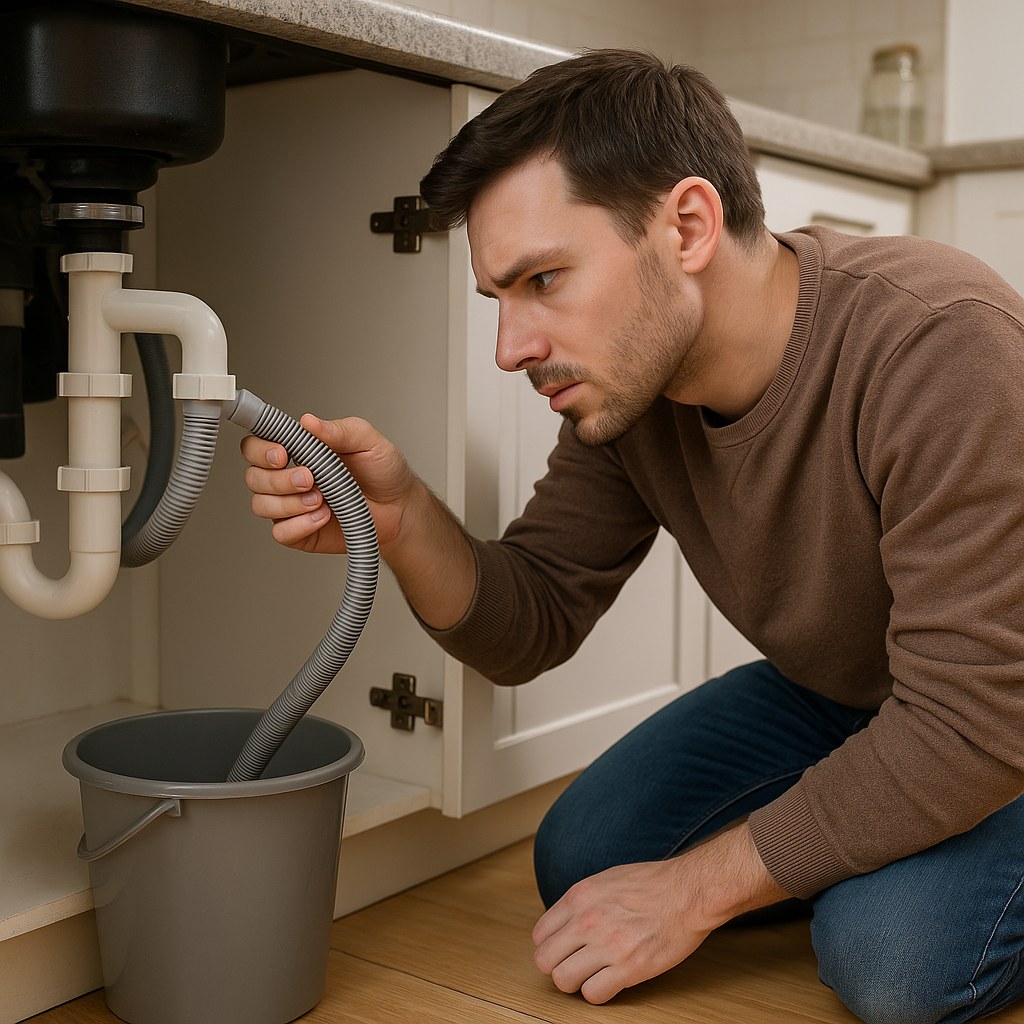
When a DIY Fix Isn't Enough: Time to Call a Pro
You've done the reset, cleaned the filter, checked the air gap, and cleared the drain hose, but the water is still there. At this point, the problem is likely internal to the dishwasher itself, such as a failed drain pump or a blockage deep inside the machine's plumbing.
This is the point where it's best to call a professional appliance repair technician. Attempting to replace a pump yourself can be complex and may void your warranty.
How much does a professional repair cost? According to Forbes Home, the cost to repair a dishwasher can range from $150 to $500, depending on the issue. A simple clog removal will be on the lower end, while replacing a motor or pump will be more expensive.
Final Thoughts and Your Next Step
Dealing with a dishwasher that won't drain is a hassle, but as you've seen, the solution is often within your reach. By following these steps, you can troubleshoot the issue like a pro, potentially saving yourself hundreds of dollars and the time spent waiting for a repair person.
For all your home maintenance challenges, from simple fixes like this to bigger projects, the Casa app is here to help. Download Casa today to get access to more easy-to-follow guides, keep track of your home's maintenance needs, and connect with trusted, vetted professionals when you need one. We're here to make owning a home easier.


 BACK
BACK