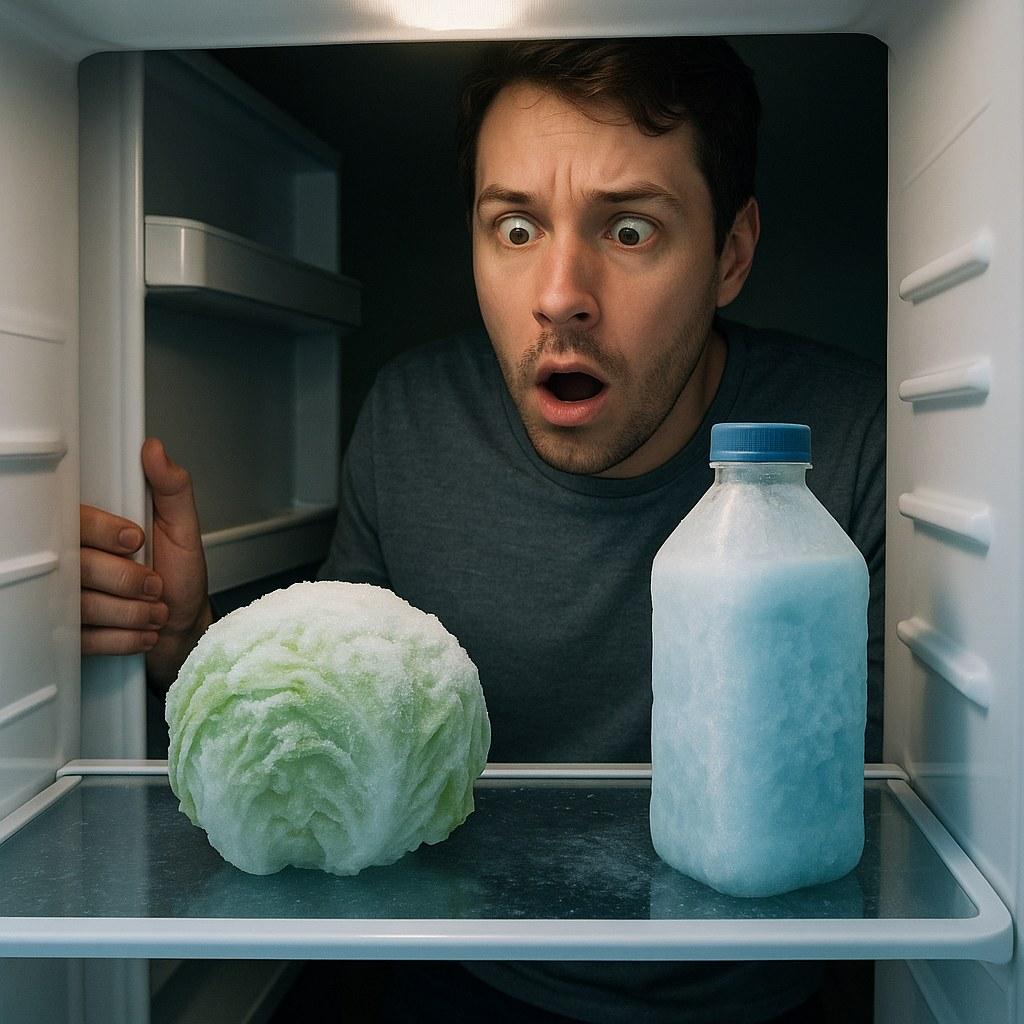
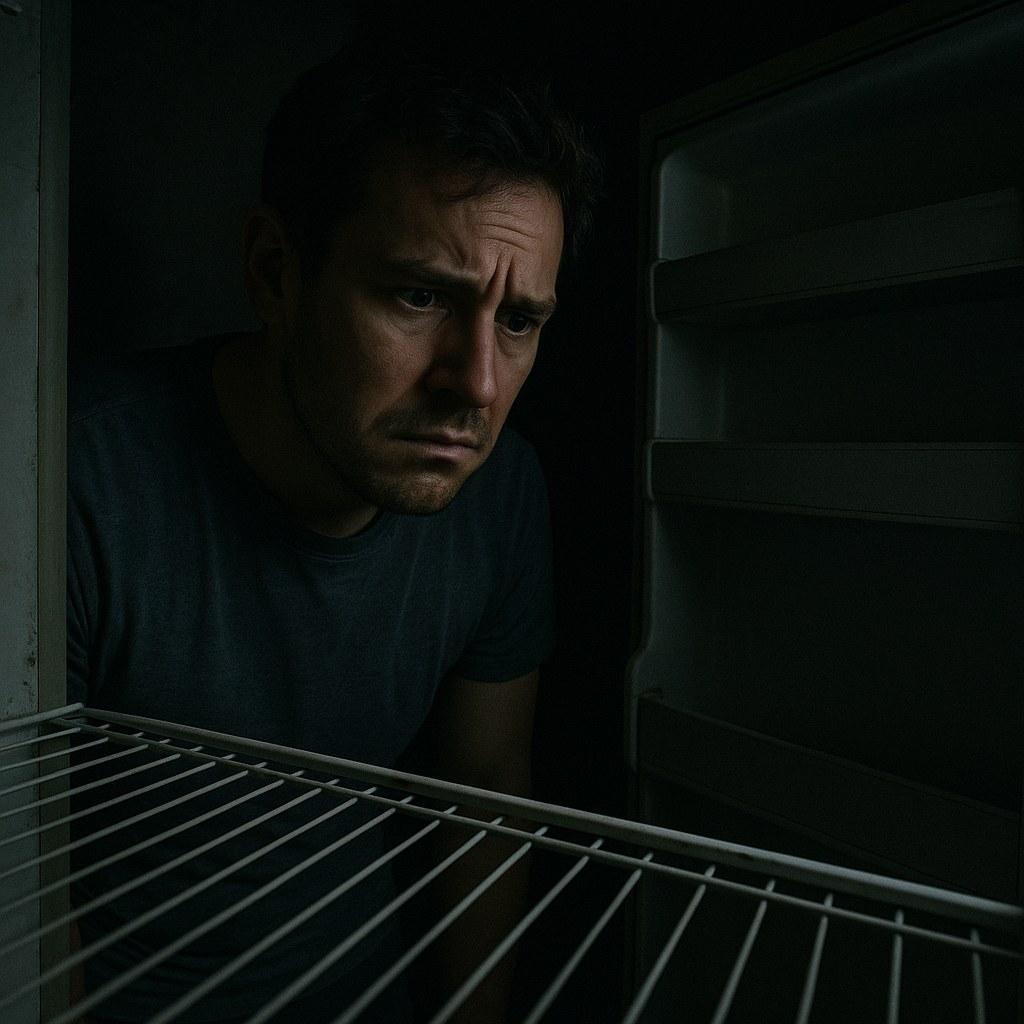
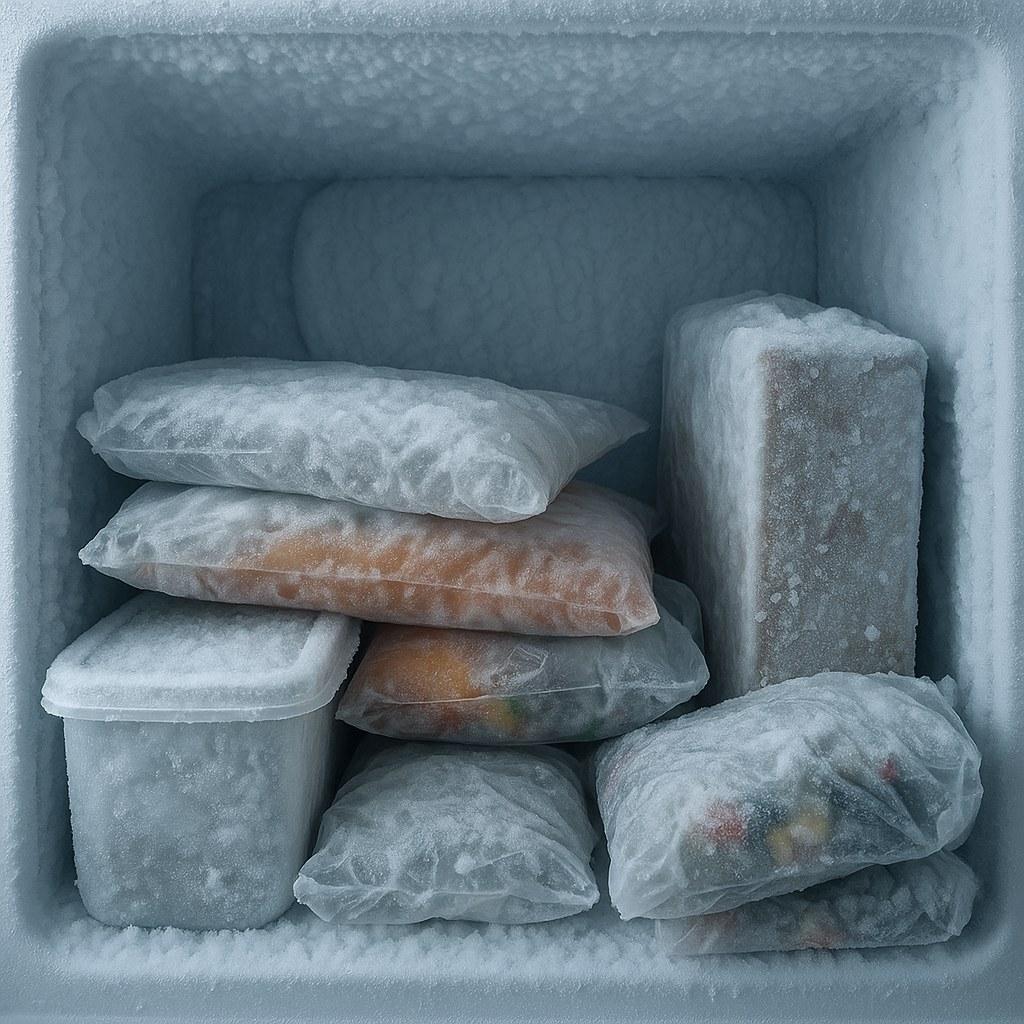
The good news is that you can often solve this problem yourself with a few simple troubleshooting steps. You don’t need to be an appliance expert to get to the bottom of it. Think of me as your friendly guide on the other end of the line, here to walk you through it step-by-step.
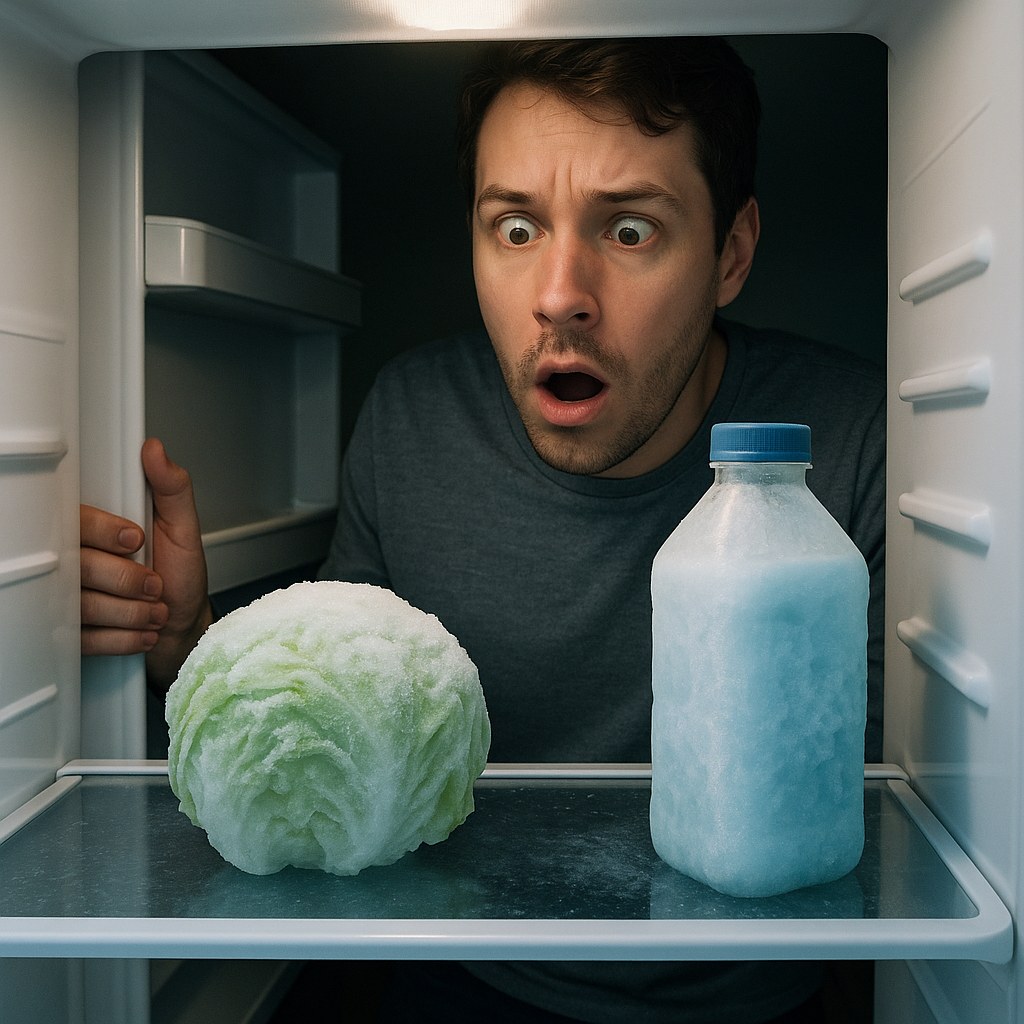
In this post, we'll cover everything from simple checks to minor adjustments that can get your appliance back to its ideal temperature.
Why Is My Fridge or Freezer So Cold All of a Sudden?
Before we dive into the fixes, let’s quickly go over the usual suspects. Understanding what might be causing the problem can make the troubleshooting process much smoother.
- Incorrect Temperature Settings: Sometimes the solution is as simple as a dial that got accidentally knocked to a colder setting.
- Blocked Air Vents: Your fridge and freezer share cold air through vents. If these are blocked by food packages, the airflow becomes inefficient, often making one compartment much colder than the other.
- Dirty Condenser Coils: These coils, usually on the back or bottom of your fridge, release heat. If they're covered in dust and pet hair, the refrigerator can't cool efficiently and may overcompensate by running too long and getting too cold.
- Faulty Door Gaskets: The rubber seals around your doors keep the cold air in. If they are dirty, damaged, or warped, warm air gets in, forcing the compressor to work overtime and potentially over-cool the interior.
- Malfunctioning Thermostat or Sensor: The thermostat or temperature sensor (also called a thermistor) tells your compressor when to turn on and off. If it's faulty, it might be giving incorrect readings and causing the system to run constantly.
Now that you have an idea of what could be wrong, let's grab a thermometer and get to work.
Step 1: Get an Accurate Temperature Reading
You can't fix what you can't measure. Your first step is to find out exactly how cold it is inside your fridge and freezer. Don't just rely on how it "feels"—let's get some hard data.
- Get a Thermometer: You’ll need an appliance or fridge thermometer for this. You can find them at most hardware or grocery stores.
- Place the Thermometer: Put the thermometer on the middle shelf of your refrigerator.
- Wait 30 Minutes: Close the door and leave it shut for at least 30 minutes to get an accurate reading. Avoid opening the door during this time.
- Record the Reading: Open the door briefly, check the temperature, and write it down.
- Repeat for the Freezer: Move the thermometer to the middle shelf of the freezer, close the door, and wait another 30 minutes. Record this temperature as well.
What are the ideal temperatures? According to the FDA, your refrigerator should be between 37–40 °F (3–4 °C), and your freezer should be at 0 °F (–18 °C).
Once you have your readings, you can move on to the next step: diagnosing the root of the problem.
Step 2: Diagnose the Issue
Look at the temperatures you recorded. This will point you in the right direction. Ask yourself this key question:
Is only one compartment too cold while the other is normal, or is the entire appliance over-cooling?
Based on your answer, follow the appropriate troubleshooting path below.
Scenario 1: Only One Compartment Is Too Cold
This is a very common issue, and it almost always points to an airflow problem. If your freezer is at the right temperature but your fridge is freezing your food, it's likely that too much cold air is being sent from the freezer into the fridge compartment.
Here’s how to fix it:
Check for Blocked Vents and Sensors
- Clear the Vents: Look for the air vents inside the affected compartment. They are usually located on the back or side walls. Move any food packages, especially bulky ones, at least two inches away from these vents to allow air to circulate freely.
- Check the Temperature Sensor: Find the temperature sensor. It’s typically a small plastic housing on the back wall. If it's covered with ice or blocked by a bag of frozen peas, it can't get an accurate reading.
- Melt Any Frost: If you see ice or frost built up on the sensor or vents, leave the compartment door open for about 15 minutes to allow it to melt.
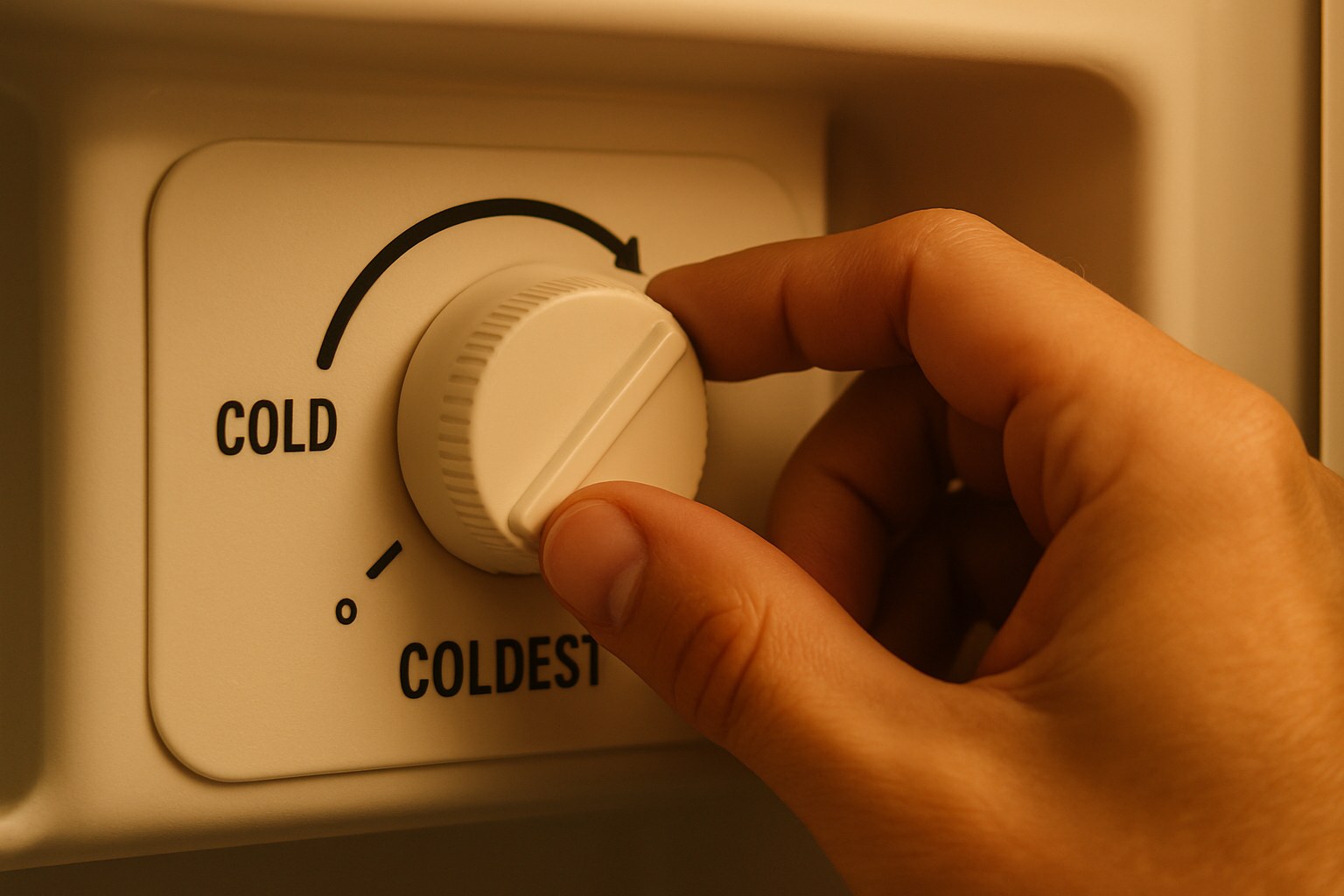
Adjust the Temperature Controls
Now, let's adjust the settings. How you do this depends on whether your appliance has one or two temperature controls.
-
If you have separate controls for the fridge and freezer:
- Locate the control for the compartment that is too cold.
- If it’s an analog dial, turn it just one click or notch toward a warmer setting.
- If it’s a digital panel, press the "up" arrow to raise the temperature by 2°F (or 1°C).
- Wait 24 hours. This is crucial! It takes time for the temperature to stabilize, so resist the urge to keep making adjustments. After 24 hours, re-check the temperature with your thermometer.
-
If you have a single control for the whole appliance:
- Locate the main temperature control, usually inside the refrigerator.
- Turn the dial one number lower (e.g., from 4 to 3) or raise the digital setting by 2°F.
- Because a single control manages the entire system, double-check that air vents in both compartments are clear.
- Wait 24 hours before checking the temperatures again.
If the temperature is now in the correct range, congratulations! If not, it may be time to call for help.
Scenario 2: The Entire Fridge and Freezer Are Too Cold
If both compartments are significantly colder than they should be, the issue is likely with the cooling system as a whole. This could be due to poor heat exchange or a faulty control system.
Perform Basic Maintenance Checks
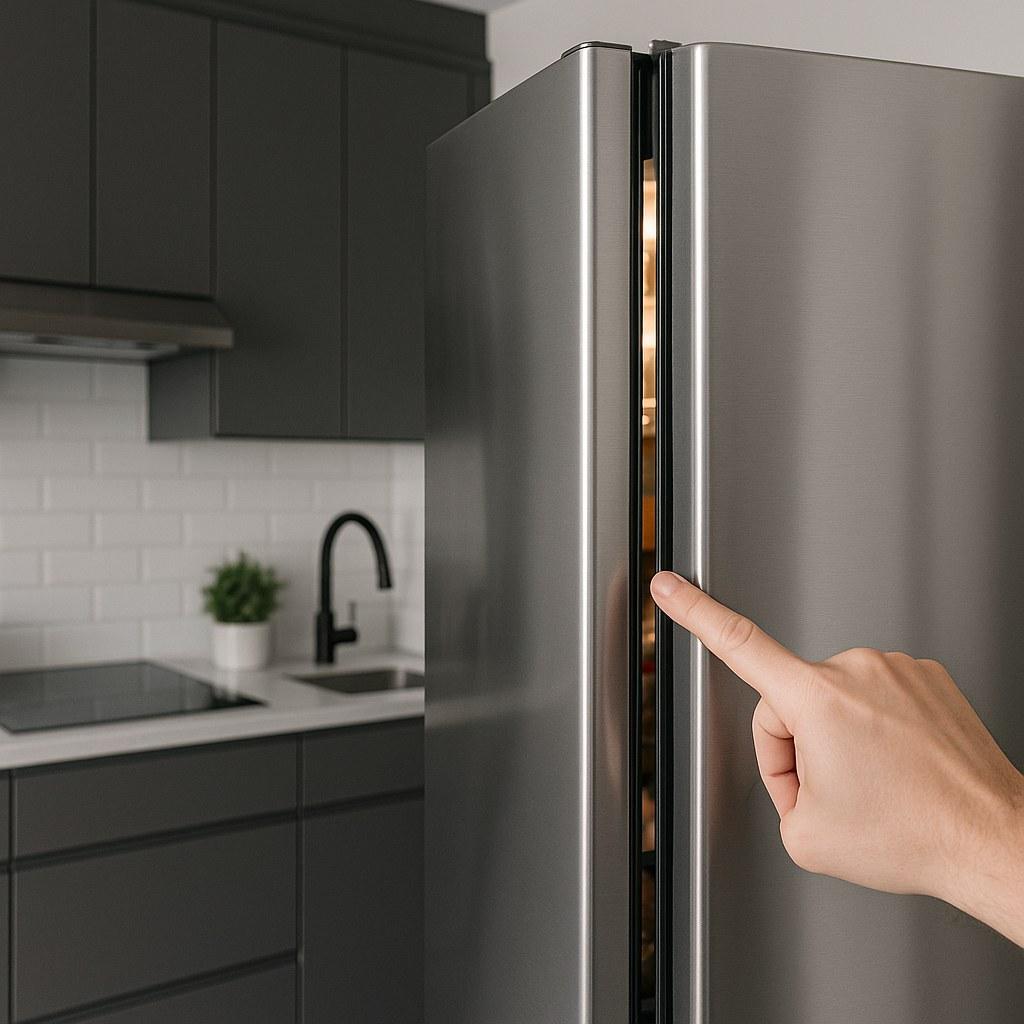
- Test the Door Gaskets: A poor seal can make your fridge run constantly. Place a sheet of paper or a dollar bill halfway in the door and close it. If you can pull the paper out with no resistance, the seal is weak and may need to be cleaned or replaced. Test this all around both doors.
- Clean the Condenser Coils: Pull your refrigerator away from the wall. The coils will be on the back or underneath. Unplug the appliance and use a vacuum with a brush attachment to gently clean off all the dust, dirt, and pet hair. Clean coils dissipate heat more effectively, allowing the compressor to run less.
- Ensure Proper Airflow: Make sure there are at least two inches of space between the back of the refrigerator and the wall, as well as some space on top and on the sides.
Adjust the Main Thermostat or Control System
-
If you have an analog thermostat dial:
- Turn the dial one click toward a warmer setting.
- Unplug the refrigerator from the wall, wait 60 seconds, and plug it back in. This will reset the compressor’s cycle.
- Wait 24 hours and then re-check the temperatures in both compartments.
-
If you have a digital control system:
- Try resetting the control panel. Look for a "Reset" button, or press and hold a combination like "Power Cool" and "Power Freeze" for 10 seconds until it beeps or flashes. Consult your owner’s manual if needed.
- After the reset, increase the set temperature by 2°F (1°C).
- Wait 24 hours before taking new temperature readings.
If these steps bring your appliance back into the recommended temperature ranges, your problem is solved!
How Much Does It Cost to Fix an Over-Cooling Fridge?
Fixing this issue yourself can save you a significant amount of money. Here’s a rough breakdown:
- DIY Cost: If the issue is a simple adjustment or cleaning, it costs you nothing but your time. If you need a new thermometer, that's about $5 - $10.
- Professional Cost: Hiring an appliance repair technician typically costs between $150 and $250 for a service call and diagnosis. If a part like the thermistor or control board needs replacing, you could be looking at a total cost of $200 - $400.

When It’s Time to Call a Professional
If you’ve gone through all the steps above and your fridge is still acting like an icebox, the problem is likely more complex. It could be a malfunctioning thermistor, a faulty damper control assembly, or an issue with the main control board. These repairs are best left to a qualified technician.
When you call for help, be sure to tell the technician the steps you’ve already taken and the temperature readings you recorded. This will help them diagnose the problem much faster.
Keep Your Cool and Your Food Fresh
An over-cooling refrigerator is an annoying problem, but with a little patience and methodical troubleshooting, you can often fix it yourself. By following this guide, you can save your food from turning into an icy mess and save yourself from an expensive repair bill.
For more helpful home maintenance guides, expert advice, and a direct line to trusted professionals in your area, download the Casa app today. We’re here to help you manage your home with confidence, one easy fix at a time.


 BACK
BACK