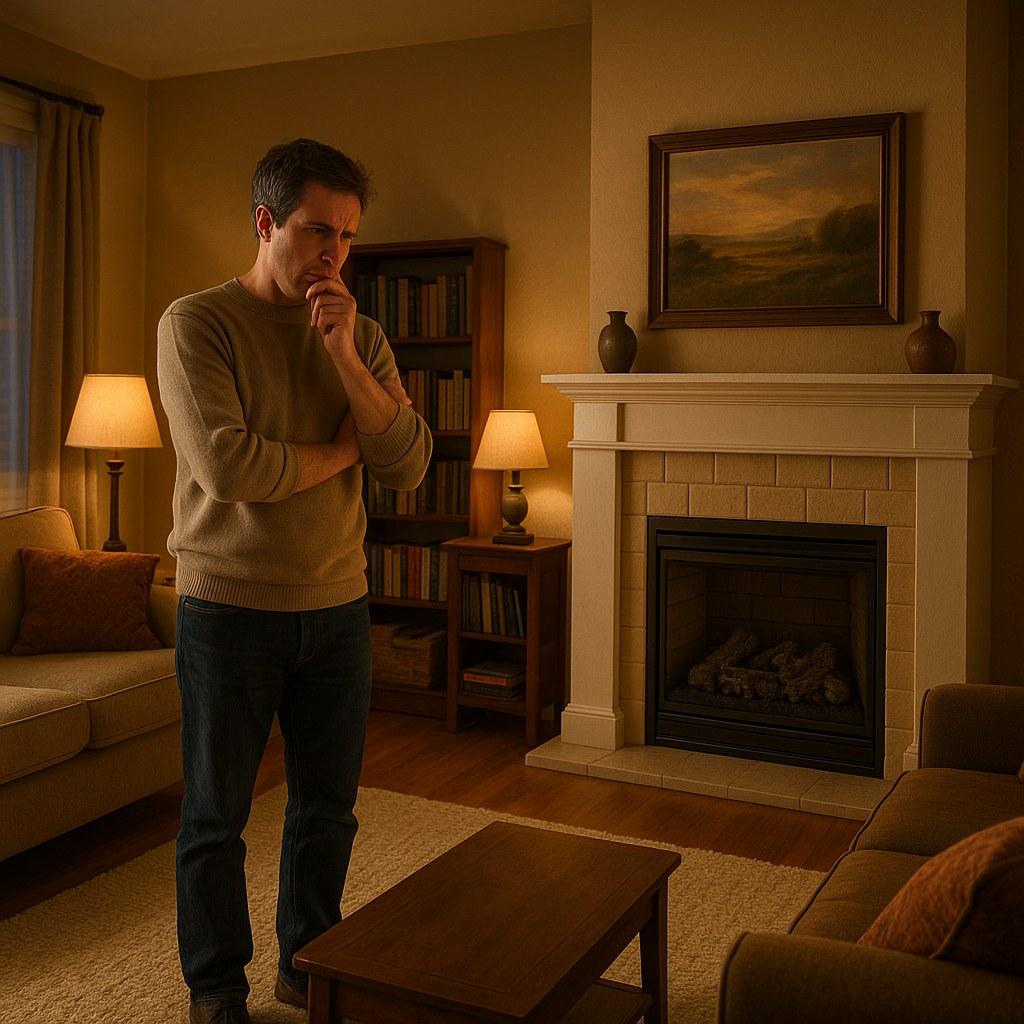
If your gas fireplace won't light, don't worry. You're not alone, and the solution is often simpler than you think. Many common issues can be fixed without calling a professional.
Here at Casa, we want to empower you to handle these problems with confidence. Think of us as your friendly expert on the other end of the line, ready to walk you through the process step-by-step. Let's get that fire roaring again.
Safety First: The Most Important Step
Before we touch a single dial or switch, we need to talk about safety. We're dealing with natural gas, and it’s crucial to be cautious.
Your first action should always be a quick gas leak check. Natural gas is odorless, so utility companies add a substance called mercaptan, which gives it a distinct smell, often described as rotten eggs or sulfur.
Here’s what to do:
- Stand near the fireplace and take a slow, deliberate sniff.
- Carefully lean closer to the gas valve area and sniff again.
- Listen for any faint hissing sounds near the valve or gas lines.
If you smell gas or hear a hissing sound, DO NOT proceed. Do not turn any lights on or off, do not use your phone, and do not try to find the leak yourself. Immediately leave the house, and from a safe distance, call your gas company's emergency line.
If you don't smell or hear anything unusual, it's safe to move on to the next steps.
Step 1: Check the Gas Supply
It might sound obvious, but one of the most common reasons a gas fireplace won't light is that the gas supply is turned off. This can happen accidentally during cleaning or if it was shut off at the end of the last cold season.
Locate the gas shut-off valve, which is usually a small handle near the fireplace unit. For the gas to be on, the handle should be parallel to the gas pipe. If the handle is perpendicular to the pipe, it's closed.
Gently turn the handle so it's parallel with the pipe. Wait about a minute for the gas pressure to stabilize, and then try lighting your fireplace again. If it ignites, you’ve found your simple fix! If not, let's dig a little deeper.
Step 2: Identify Your Ignition System
Gas fireplaces typically have one of two types of ignition systems, and the troubleshooting steps are different for each.
- Standing Pilot System: This is common in older models. A small, blue flame (the pilot light) burns continuously, ready to ignite the main burner when you turn the fireplace on. You can usually see this tiny flame through the glass.
- Electronic Ignition System: Newer models often use an electronic system. There is no constant flame. Instead, when you turn the fireplace on (with a switch or remote), an electronic igniter sparks to light the gas, much like a gas grill.
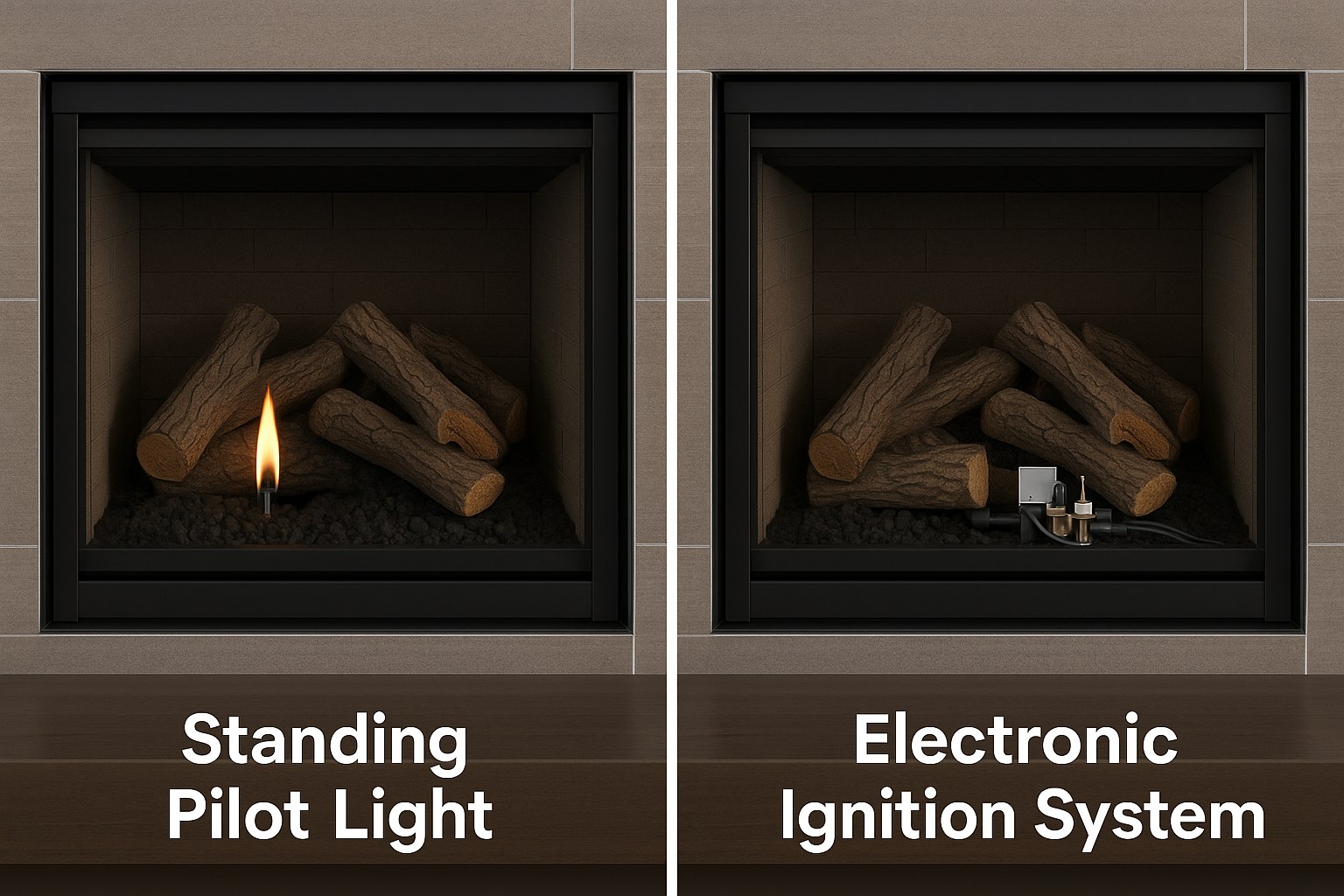
Knowing which system you have is key. Let’s tackle the troubleshooting for each one.
How to Fix a Standing-Pilot Fireplace
If you have a standing pilot system, the pilot light itself is the most likely culprit.
Is the Pilot Light Out?
Look closely through the glass front of your fireplace. Do you see a small, steady blue flame? If not, the pilot light is out, and the main burner has no flame to ignite from. Relighting it is your next move.
How to Light the Pilot:
- Find the control knob on your fireplace unit. It usually has three settings: "ON," "OFF," and "PILOT."
- Turn the knob to the "OFF" position and wait for at least five minutes. This allows any residual gas in the chamber to dissipate completely.
- Turn the knob to the "PILOT" position.
- Push the knob in and hold it. While holding it, press the piezo igniter button (it's usually a red or black button that makes a clicking sound). You may need to press it several times until you see the pilot flame light up.
- This is the important part: Continue to hold the control knob in for a full 60 seconds after the flame appears. This heats up a safety sensor called a thermocouple.
- After 60 seconds, slowly release the knob. The pilot light should stay lit. If it does, turn the knob to the "ON" position and try starting your fireplace.
What If the Pilot Won't Stay Lit?
If the pilot light goes out as soon as you release the knob, it's usually a sign of one of two things: a dirty pilot assembly or a faulty thermocouple.
1. Clean the Pilot Assembly:
Over time, soot and debris can clog the small opening where the pilot flame comes out. This weakens the flame, preventing it from properly heating the thermocouple.
- Turn the gas control knob to "OFF."
- Using a flashlight, locate the pilot assembly—the small metal housing where the pilot flame is located.
- Gently use a can of compressed air to blow short bursts into the pilot orifice to clear out any dust or debris.
- You can also gently brush away any soot from the tip of the thermocouple (the small copper rod next to the pilot).
Once clean, try the pilot-lighting procedure again.
2. Check the Thermocouple:
The thermocouple is a safety device that shuts off the gas if the pilot light goes out. If it's failing, it won't signal the gas valve to stay open, even when the pilot is lit.
You can check if it's positioned correctly—the tip should be fully engulfed in the pilot flame. If it’s loose, you may be able to tighten it. With the gas off, find where the thermocouple connects to the gas valve and ensure the nut is snug (hand-tight plus a quarter-turn with a wrench). If cleaning and tightening don't work, the thermocouple may need to be replaced, which is a fairly inexpensive part.
Pilot Is Lit, but Main Burner Won't Ignite
If you have a healthy pilot flame but the main fireplace won't turn on, the issue is likely with the switch or remote control.
- Check the Batteries: If you use a remote, this is the first and easiest thing to check. Replace them with a fresh set. Some systems also have a battery receiver pack inside the fireplace unit itself—check your manual for its location.
- Test the Wall Switch: Flip the wall switch on and off a few times. You should hear a faint "click" from the gas valve each time. If you don't hear a click, the switch or the wiring could be faulty.
How to Fix an Electronic-Ignition Fireplace
Troubleshooting an electronic ignition system is a bit different, as it's more about power and sensors than a constant flame.
Check the Power Source
No power means no spark.
- Is it plugged in? Check that the fireplace's power cord is securely plugged into a working wall outlet.
- Check the circuit breaker. A tripped breaker could be the culprit. Find your home's breaker panel and make sure the switch for the fireplace is in the "ON" position.
- Replace the batteries. Many electronic systems use batteries as a primary or backup power source. Locate the battery compartment (often behind an access panel below the firebox) and install fresh batteries, ensuring they are oriented correctly.
Reset the System
Just like any electronic device, sometimes the control module needs a simple reset.
- Turn the fireplace's power switch to "OFF."
- Unplug it from the wall outlet.
- Wait about a minute, then plug it back in and turn the power switch on.
- Try to start the fireplace normally.
Some modules also have error codes indicated by a blinking LED light. Consult your owner's manual to decipher what these codes mean.
Inspect the Vent for Blockages
Modern direct-vent fireplaces have sensors that prevent ignition if the exterior vent is blocked. This is a safety feature to prevent carbon monoxide from entering your home.
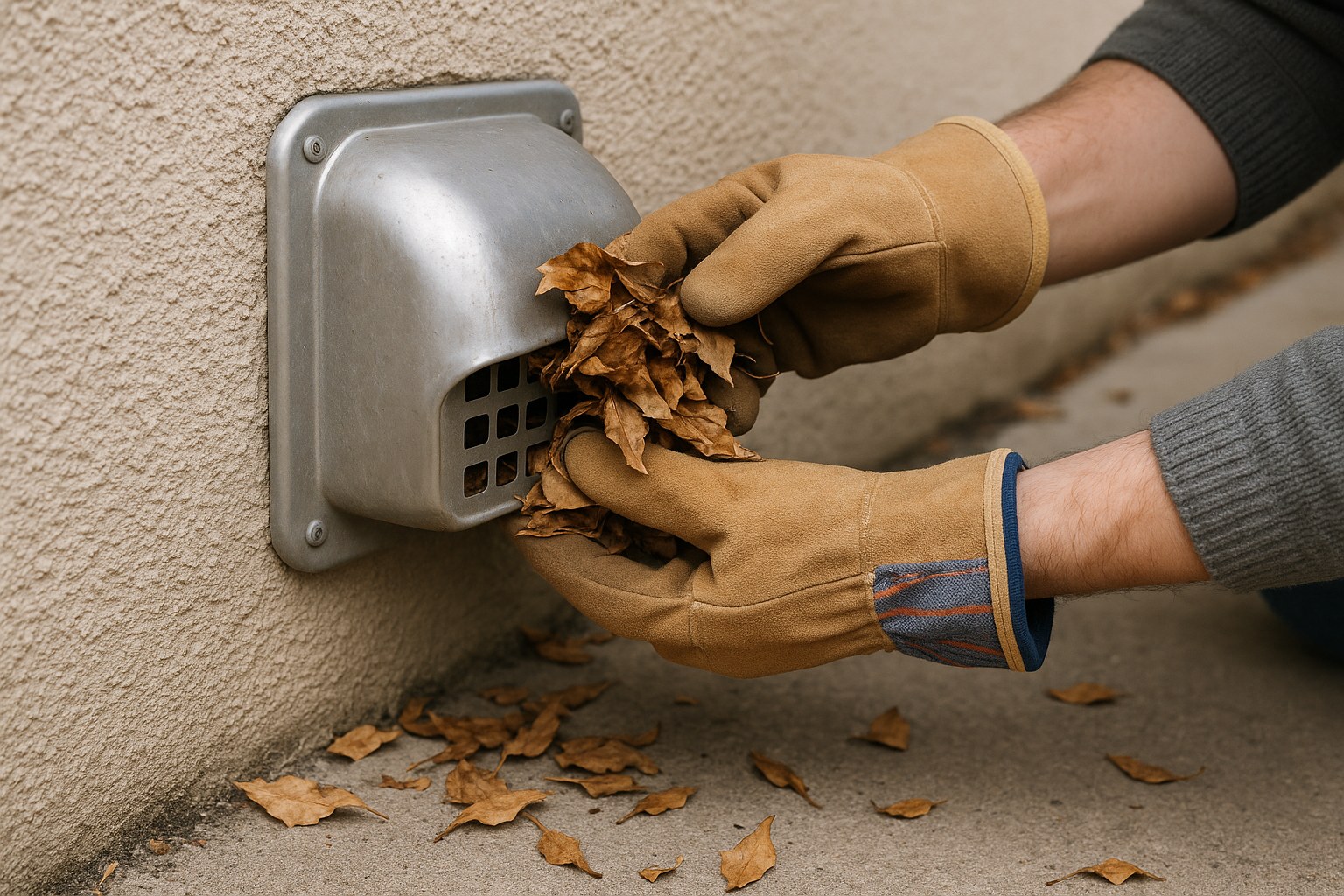
Go outside and locate the vent termination cap. Look inside for any obstructions like leaves, bird nests, or snow. Carefully clear away any debris you find.
When to Call a Professional
While many of these fixes are straightforward, gas is not something to experiment with. If you've tried these steps and the fireplace still won't light, or if you're ever uncomfortable performing any of these checks, it's time to call a certified gas-fireplace technician.
Hiring a professional for a service call typically costs between $100 and $300, depending on your location and the complexity of the issue. This is a small price to pay for safety and peace of mind. Issues like a faulty gas valve or a complex electrical problem are best left to the experts.
Your Partner in Home Maintenance
Fixing a gas fireplace that won't light can be a satisfying DIY project. By following these steps safely and methodically, you can often solve the problem yourself and get back to enjoying that warm, cozy glow.
For more helpful guides on home maintenance and for those moments when you need to connect with a trusted professional, download the Casa app. Casa is designed to be your go-to resource for everything from simple fixes to major repairs, putting expert advice and reliable help right at your fingertips. Stay warm