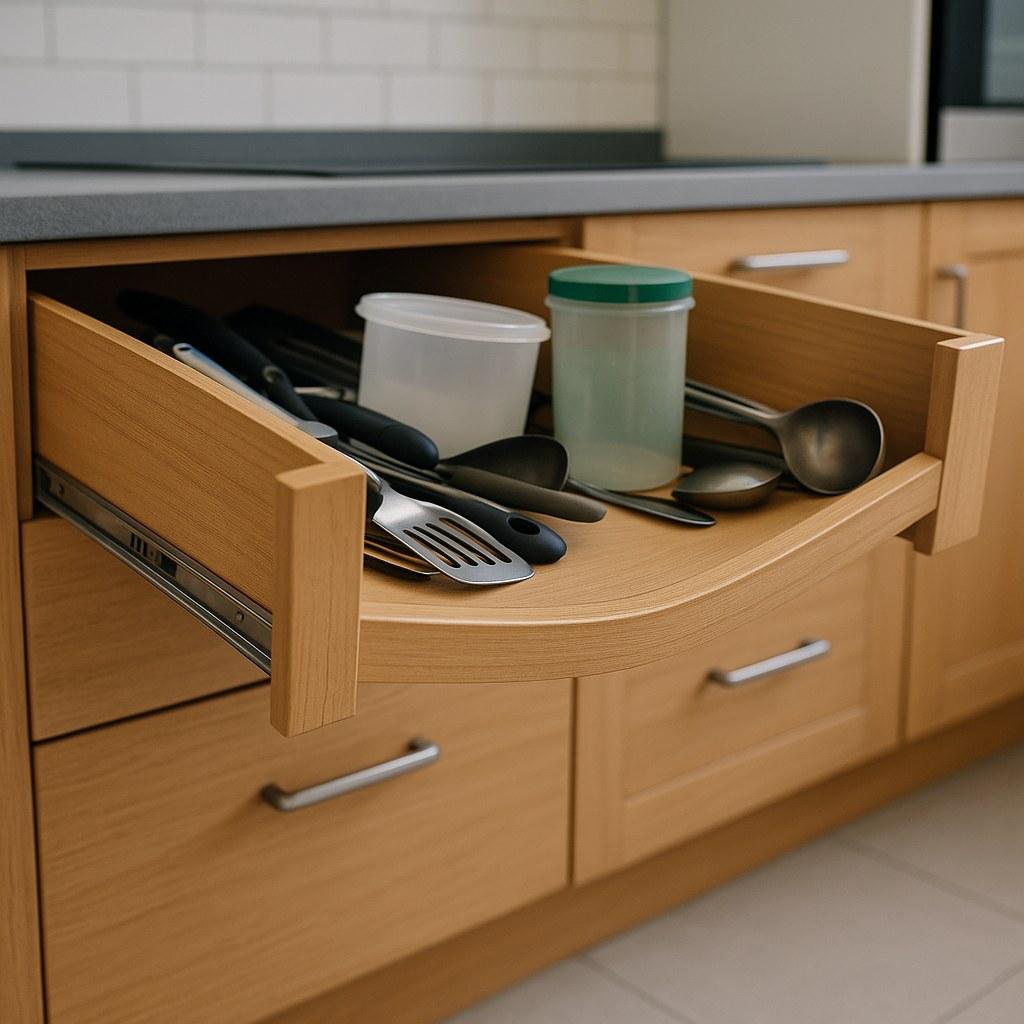
That familiar screech, grind, or squeak every time you open a drawer can be more than just a minor annoyance—it’s a daily disruption. Whether it’s the silverware drawer in your kitchen or the dresser in your bedroom, a noisy drawer is a problem that begs for a solution. The great news is you don’t have to live with it. In most cases, fixing a noisy drawer is a simple, quick, and satisfying DIY project you can tackle in under 30 minutes with just a few basic tools.
You don't need to be a professional handyman to restore peace and quiet to your cabinets and furniture. This guide is like having a friendly expert on the phone, walking you through each step to diagnose the cause of the noise and fix it for good. Let’s get that drawer gliding smoothly and silently again!
Why Is My Drawer Making Noise? The Most Common Culprits
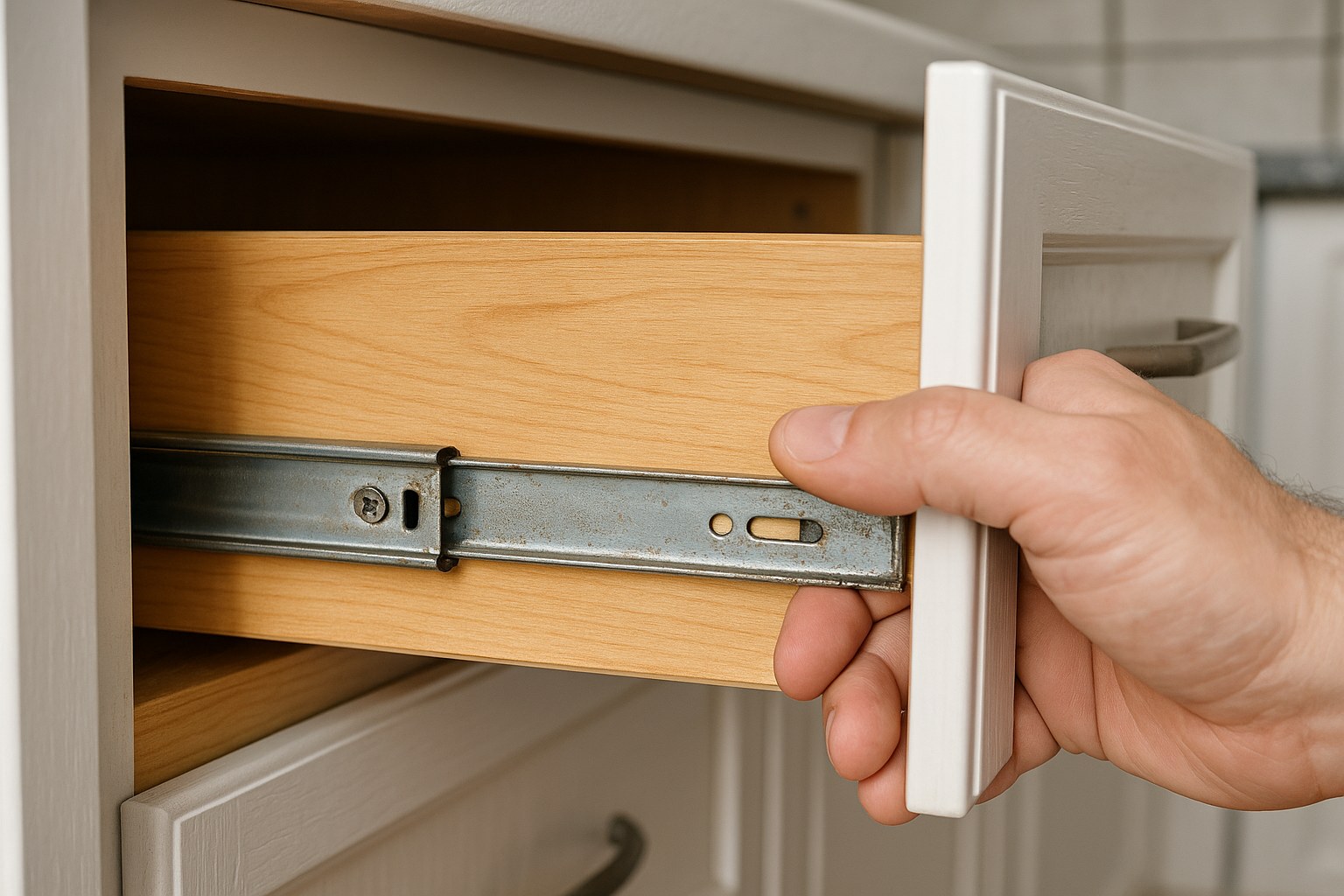
Before we jump into the fixes, let’s talk about what’s actually causing that racket. Understanding the root cause will help you apply the right solution the first time. Here are the usual suspects behind a noisy drawer:
- Debris and Grime: Over time, dust, crumbs, and other small debris can build up in the drawer slides. This creates friction, causing a gritty, grinding sound as the tiny particles get crushed by the moving parts.
- Loose Hardware: The screws holding the drawer slides to the cabinet and the drawer box itself can work themselves loose from repeated opening and closing. This causes the drawer to rattle, wobble, or rub against the cabinet frame.
- An Overloaded Drawer: We’re all guilty of it—stuffing just one more thing into an already full drawer. Excessive weight puts a major strain on the slides and their components, leading to groaning sounds and potential damage.
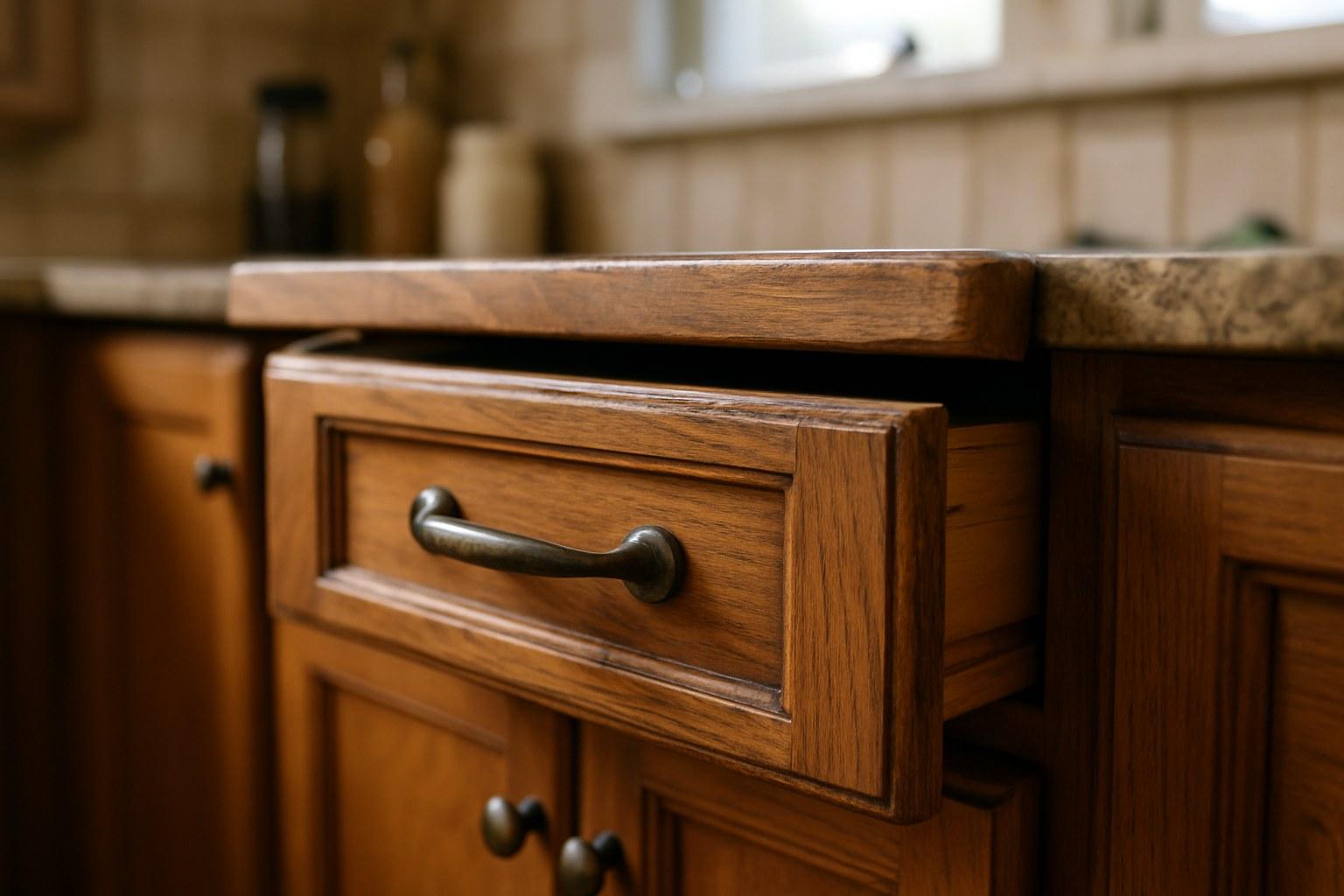
- Misalignment: If a drawer looks tilted or doesn’t close flush with the cabinet, the slides are likely out of alignment. This forces the drawer to rub against the cabinet frame, creating a scraping or rubbing noise.
- Dry or Worn-Out Slides: Drawer slides need lubrication to move smoothly. Over time, this lubricant can wear off or get gunked up, causing metal-on-metal squeaking. This is true for metal slides and even wooden runners, which can dry out and create friction.
Now that you have a better idea of what might be going on, let’s get our hands dirty and fix it.
A Step by Step Guide to Fixing a Noisy Drawer
We'll start with the easiest and most common fixes first. Grab a flashlight and a screwdriver, and let’s begin.
Step 1: The Initial Inspection
First things first, let's play detective. A good inspection will often point you directly to the problem.
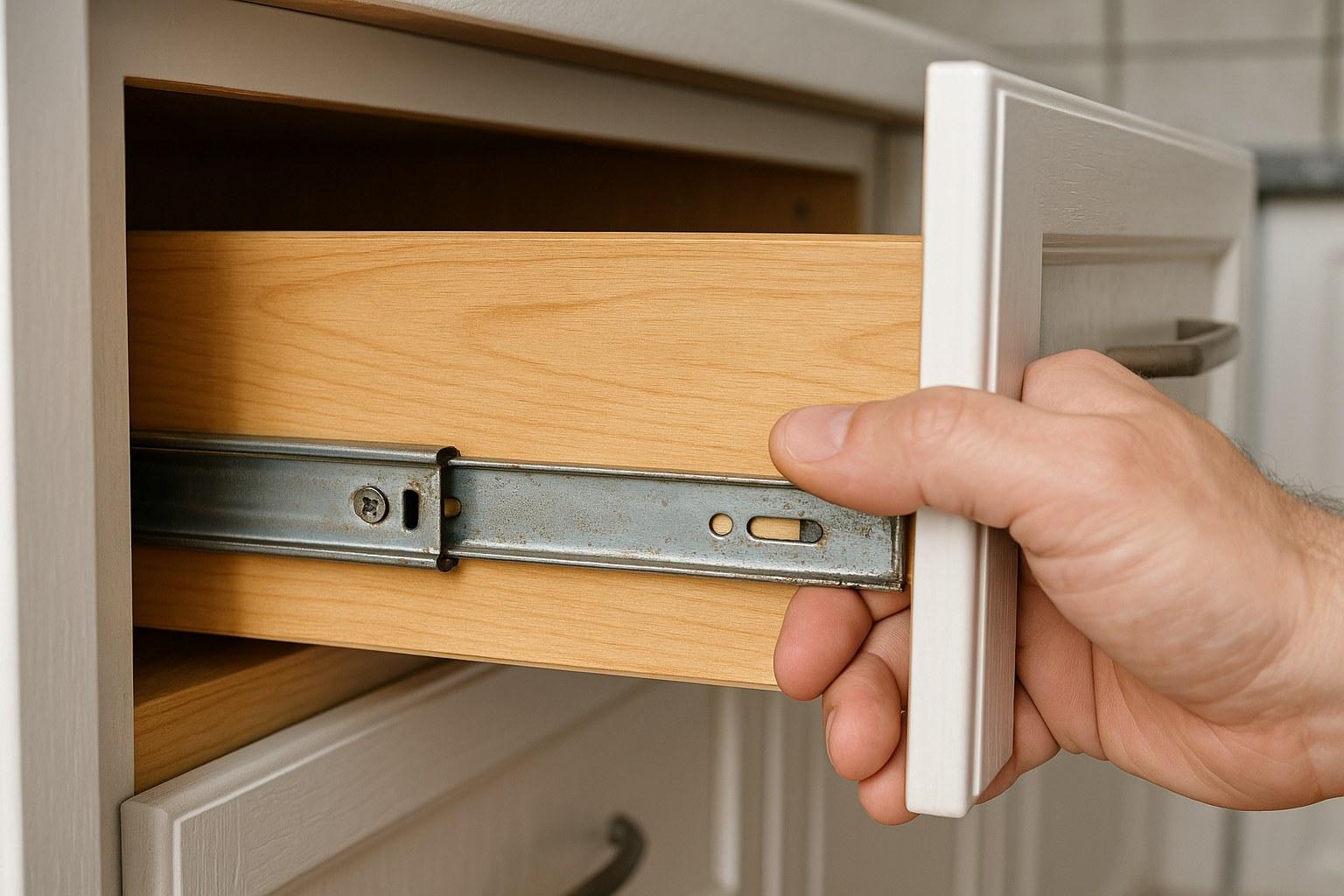
- Pull the drawer all the way out so you can see the slides on both sides. If you can, remove the drawer completely. Most modern slides have a small lever you can press to release them.
- Use a flashlight to get a good look at the slides on the drawer and the tracks inside the cabinet. Do you see any obvious debris, dust, or crumbs?
- Check for looseness. Gently wiggle the drawer front and sides. Does it feel wobbly? Look closely at all the screws holding the slides in place. Are any of them loose?
- Observe the alignment. Close the drawer and see if it sits flush and level with the cabinet. As you open it, watch to see if it rubs against the top, bottom, or sides of the opening.
- Listen closely. Slowly open and close the drawer and try to pinpoint where the noise is coming from. Is it a high-pitched squeak (suggesting a lubrication issue) or a low grinding sound (often caused by debris)?
Based on what you find, proceed to the next relevant step.
Step 2: Clean the Drawer Slides Thoroughly
You’d be amazed at how often a simple cleaning solves the problem. If you spotted any gunk during your inspection, this is your first fix.
- Remove the drawer from the cabinet completely.
- Vacuum it out. Use a vacuum with a brush or crevice attachment to suck up all the loose dust and debris from the slides and tracks.
- Wipe them down. Use a slightly damp microfiber cloth to wipe down the full length of the slides and tracks. If there’s sticky residue, you can use a mild all-purpose cleaner.
- Dry everything. Use a separate, dry microfiber cloth to ensure the slides are completely dry before you proceed. Moisture can cause rust on metal slides.
- Reinstall the drawer and test it out. Slide it in and out five or six times. If the noise is gone, congratulations! You’ve just fixed your drawer.

Step 3: Tighten All the Hardware
If cleaning didn't do the trick, or if you noticed some wobbling during your inspection, it’s time to check the hardware.
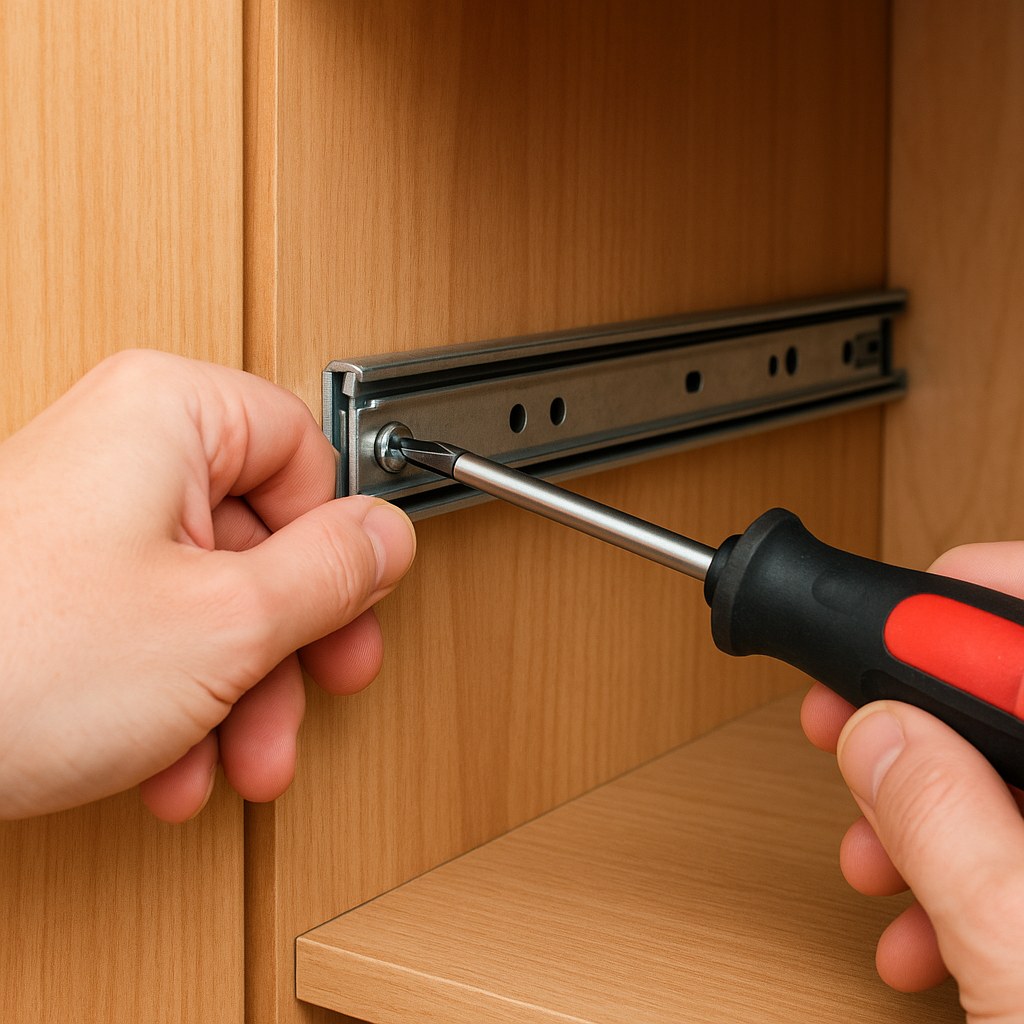
- With the drawer removed, grab a Phillips head screwdriver.
- Systematically check every screw on all four slide components (one on each side of the drawer, one on each side of the cabinet interior).
- Turn each screw clockwise until it’s snug. Be careful not to overtighten, as this can strip the wood.
- Also, check for any screws on the drawer front or at the back brackets that might be loose.
- Once everything is tightened, put the drawer back in and give it a test. A firm, secure connection can eliminate a surprising amount of noise.
Step 4: Lubricate the Slides
If the drawer is clean and tight but still squeaking, it’s thirsty for some lubricant. But not all lubricants are created equal! It's crucial to use the right type for your slides.
First, identify what kind of slides you have:
- Wooden Slides: Common on older or more traditional furniture, these drawers simply slide wood-on-wood.
- Metal Roller Slides: These common slides have a plastic or metal wheel that rolls along a metal track.
- Ball-Bearing Slides: These are heavy-duty slides that have tiny ball bearings visible in the track, allowing for an incredibly smooth glide.
How to Lubricate Wooden Slides:
Rub a thin, even layer of paste wax, a block of paraffin wax, or even just an old candle along the wooden runners on both the drawer and the cabinet. Work it in with a cloth and wipe away any excess.
How to Lubricate Metal Roller or Ball-Bearing Slides:
For these, you'll want to use a silicone-based lubricant spray. Avoid oil-based lubricants like WD-40, as they can attract dust and gum up the mechanism over time.
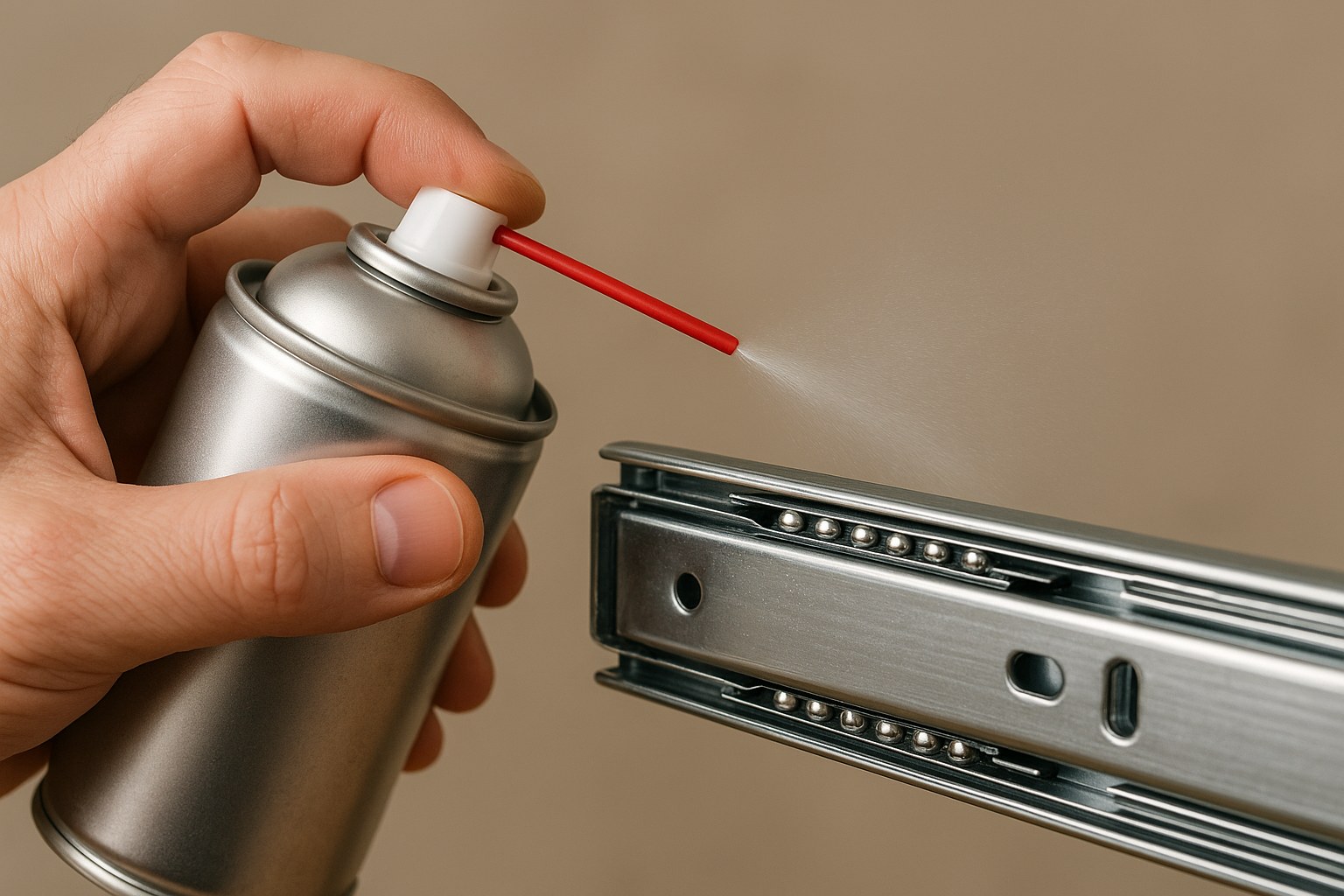
- Apply a thin coat of silicone spray directly onto the ball bearings or the track where the roller moves. Use the thin straw applicator that comes with the spray for precision.
- Wipe away any excess drips with a clean cloth.
- Reinstall the drawer and slide it back and forth about ten times to evenly distribute the lubricant. The squeak should be completely gone.

When It’s Time to Call for Help
If you've cleaned, tightened, and lubricated your drawer and it’s still making noise or not functioning properly, you may have a more serious issue. The drawer slides themselves could be bent, damaged, or severely worn out. While replacing drawer slides is a doable DIY project, it requires precise measurements and can be tricky to get right.
If you suspect the slides are damaged, it might be time to call in a professional. A handyman can typically replace a set of drawer slides in under an hour. According to Forbes, the national average cost for a handyman is between $60 to $125 per hour, making it a reasonably affordable repair that guarantees a perfect result.
Final Thoughts
A noisy drawer is a fixable problem. By following these simple diagnostic and repair steps, you can restore smooth, silent function to your furniture and cabinets. Taking a few minutes to clean and maintain your drawers not only eliminates annoying sounds but also extends the life of your hardware.
Ready to take control of your home maintenance? Download the Casa app today! Casa provides easy-to-follow guides for hundreds of DIY home repairs and connects you with a network of vetted, trusted professionals for the jobs you'd rather leave to an expert. Make homeownership simpler with Casa at your fingertips.