Before you pick up the phone and schedule an expensive service call, let’s walk through some troubleshooting steps together. Most of the time, the problem isn't a catastrophic failure but a simple issue you can resolve yourself in under an hour.
Whether you're dealing with weak water flow, a thermostat that's not set correctly, or an error code on your heater's display, we've got you covered. Let's get that water warm again!
Why Isn't My Pool Heater Working? The Common Culprits
A pool heater is part of a larger system, and for it to work, everything needs to be in harmony. If one piece is off, the heater will often refuse to turn on—usually as a safety measure. Here are the most frequent reasons your water is still cold:
- Poor Water Circulation: Your heater needs a strong, steady flow of water to function. If the pump is off, the filter is clogged, or the pump basket is full of debris, the heater's safety sensors will prevent it from firing up to avoid overheating.
- Incorrect Thermostat Settings: It might sound too simple, but it happens all the time. The thermostat might be set too low, turned off, or in the wrong mode (e.g., "Pool" instead of "Spa").
- A Tripped Safety Switch or Error Code: Modern heaters have a display that will often tell you exactly what's wrong by showing an error code.
- Issues with the Heater Itself: This could range from a gas supply problem for a gas heater to a fan obstruction on a heat pump.
Now, let's dive into the step-by-step process of figuring out which of these is your problem.
Step 1: Check Water Circulation First
Your heater won't even think about turning on if it doesn't detect adequate water flow. This is the most important first step.
- Go to Your Equipment Pad: Locate your pool pump and heater.
- Check the Pump: Is the pump running? You should hear it humming. Most pumps have a clear lid over a basket. Look through the lid—you should see water swirling inside. If the basket is dry or only partially filled, your pump may have lost its prime (meaning it's not pulling water).
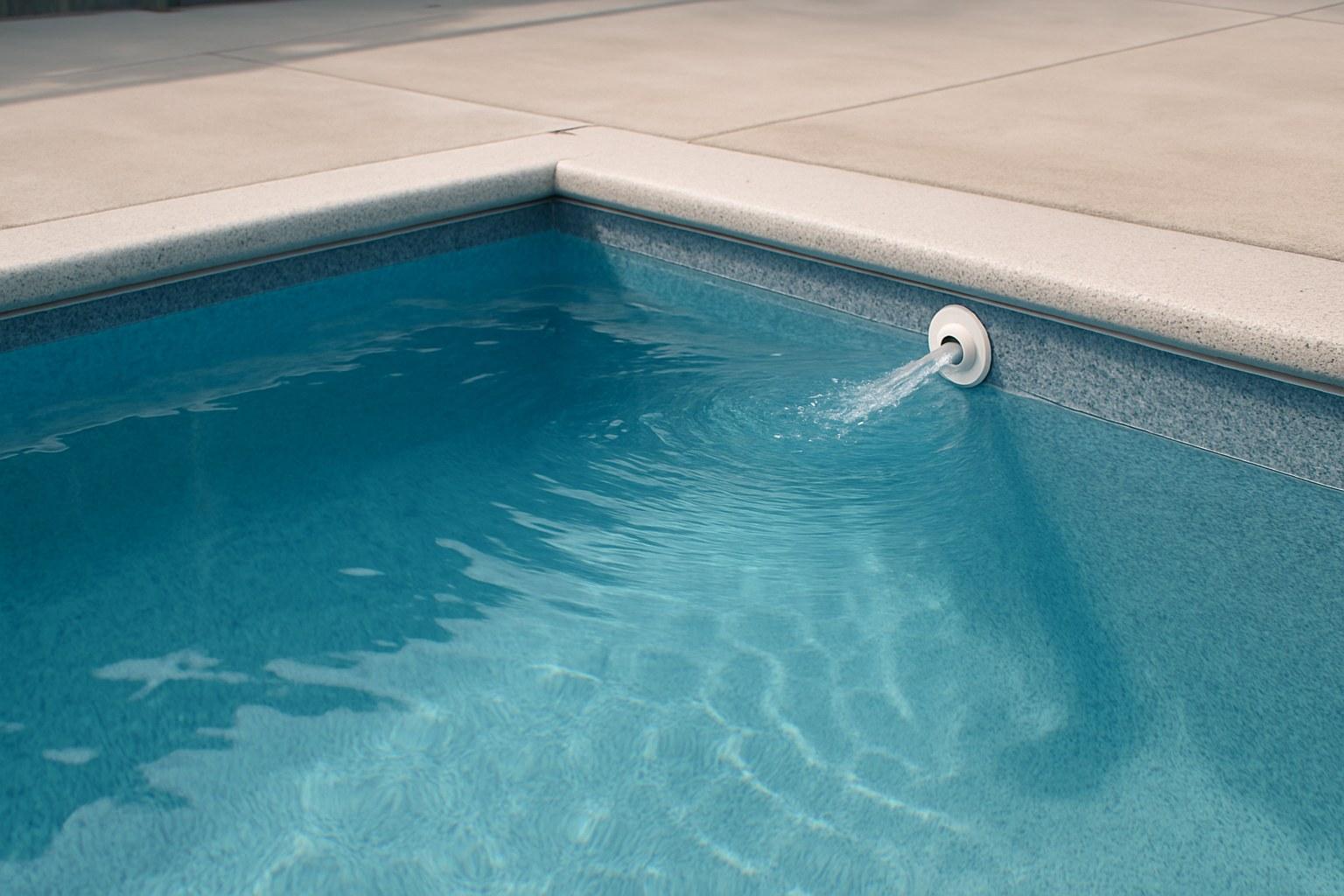
- Feel the Return Jets: Go to the pool or spa and place your hand in front of a return jet (where the filtered water shoots back into the pool). Is the flow strong and steady? If it feels weak or there's no flow at all, you've found your likely culprit.
How to Restore Water Circulation
If you've determined you have a flow problem, here’s how to fix it:
- Turn Off the Pump: Always start by cutting power to the pump at the equipment switch or breaker.
- Clean the Pump Basket: Twist off the clear pump lid (it may be tight). Remove the basket inside and empty out any leaves, acorns, or other debris. A clogged basket is a primary cause of weak flow.
- Prime the Pump: With the basket back in place, use a garden hose to fill the pump housing completely with water. This helps the pump create the suction needed to pull water from the pool.
- Secure the Lid: Replace the pump lid, ensuring the O-ring is seated properly to create an airtight seal. Hand-tighten it firmly.
- Check the Filter Pressure: Look at the pressure gauge on your pool filter. If the pressure is reading 10 PSI or more above its normal "clean" pressure, the filter is clogged and needs to be cleaned or backwashed. A dirty filter severely restricts water flow. To backwash, turn the multi-port valve to the "Backwash" setting, run the pump for about two minutes (or until the sight glass runs clear), then return the valve to "Filter."
- Turn the Pump Back On: With everything cleaned and sealed, turn the pump back on and check the return jets again. If you have strong flow, wait a few minutes to see if the heater kicks on. If it does, problem solved!
Step 2: Verify Your Thermostat Settings
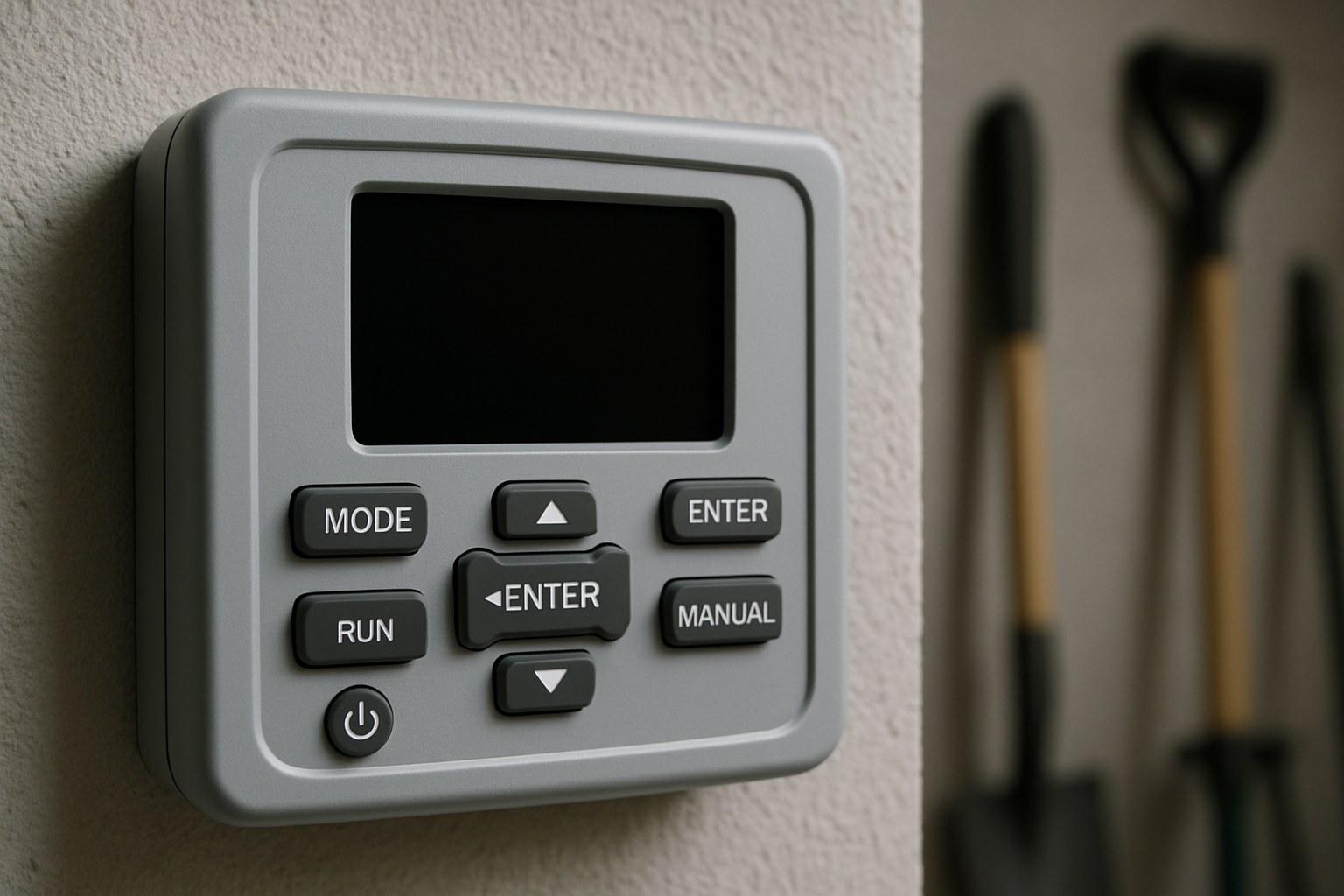
If your water circulation is strong but the heater is still quiet, the next stop is the control panel.
- Check the Set Temperature: Your heater will only turn on if the desired temperature is set at least a few degrees higher than the current water temperature. Most systems require a 3-5°F difference to activate. Find the current water temperature reading on your heater or automation panel, then check the set point.
- Adjust as Needed: If the set temperature is too low, use the "Up" arrow to raise it to your desired temperature (e.g., 85°F for a pool, 102°F for a spa).
- Confirm the Mode: Make sure the heater is in the correct mode. If you want to heat the spa, the system must be set to "Spa" mode, which realigns the valves to circulate water exclusively through the spa. If it's in "Pool" mode, it will try to heat the entire pool.
- Wait Patiently: After making adjustments, give the heater about 15 minutes to respond. Some systems have a built-in delay.
If the heater fires up after adjusting the settings, you can look forward to a warm swim soon!
Step 3: Investigate the Heater Display for Error Codes
Still no heat? Let's see if the heater itself can tell us what's wrong.
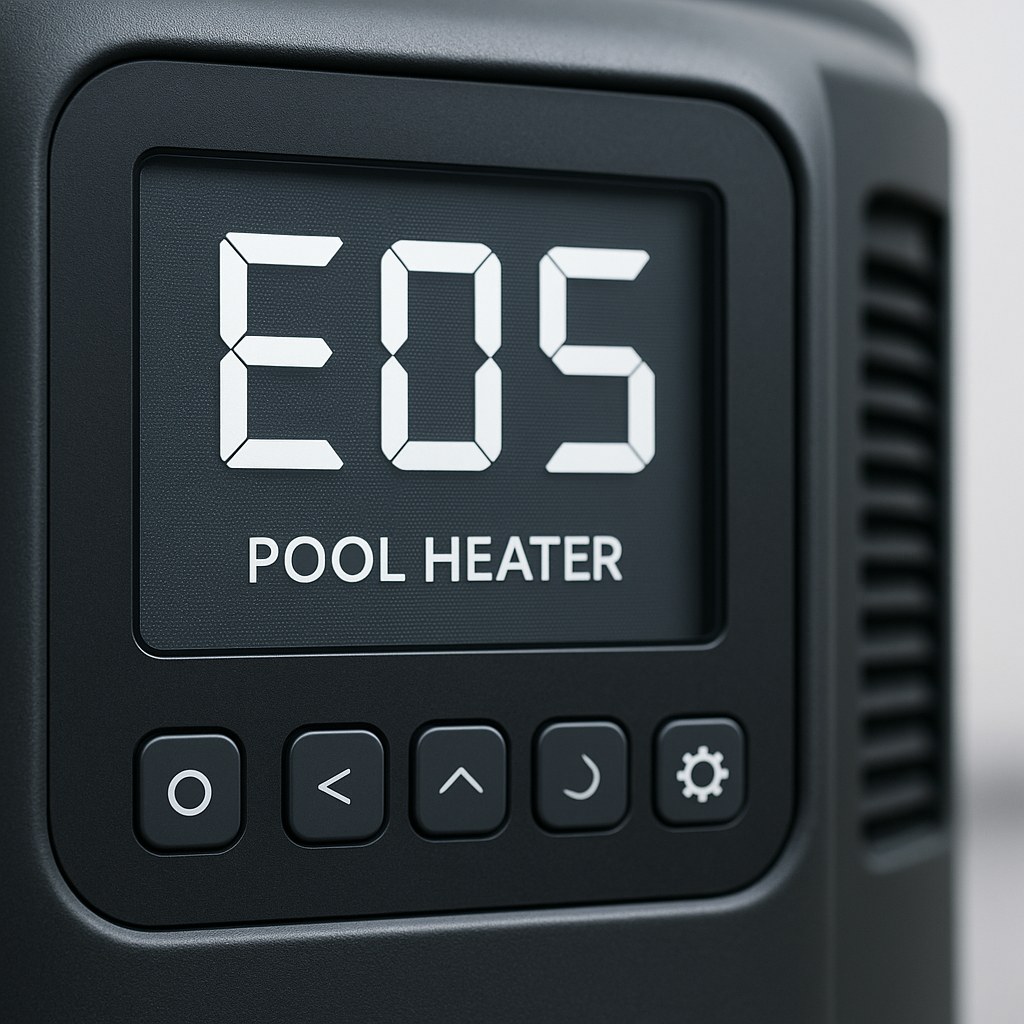
Modern pool heaters are equipped with diagnostic systems that produce an error code when something is wrong.
- Look at the Display: Check the digital display on the heater for any codes (like "SF" for system flow or "LO" for low pressure) or flashing lights.
- Record the Code: Don't just glance at it—write it down or take a clear photo with your phone. This code is invaluable information.
- Consult the Manual (or Call a Pro): You can often look up the code in your heater's user manual to understand the problem. However, many codes point to internal sensor failures or other issues that require a professional technician.
- Power Cycle the Heater: Sometimes, a simple reboot can clear a temporary fault. Turn off the power to the heater at its disconnect switch or breaker, wait five minutes, and then turn it back on.
If an error code persists, it’s best to call a professional. When you do, providing them with the exact code will help them diagnose the issue much faster, potentially saving you time and money on the service call.
Step 4: Troubleshoot Your Specific Heater Type
If you've made it this far with no luck, the problem may be specific to the type of heater you own. Let's break it down.
Gas Heaters
- Safety First: Smell for Gas. Before you do anything else, stand near the heater and smell for gas. If you smell a rotten egg odor, stop immediately. Do not touch any electrical switches. Move away from the area and call your gas company or a pool professional right away.
- Check the Gas Valve: Ensure the gas supply valve leading to the heater is in the "On" position. The handle should be parallel to the pipe.
- Look for Ignition: With the pump running and the thermostat calling for heat, listen for the "click" of the igniter and look through the small sight glass on the front panel. You should see a steady blue flame. If you see no flame or a weak, yellow flame, you likely have an ignition or gas pressure problem that requires a pro.
Heat Pumps
- Check the Air Temperature: Heat pumps work by extracting heat from the ambient air. They become inefficient or stop working altogether in cold weather, typically below 50°F (10°C).
- Clear the Airflow: The unit needs to breathe. Make sure the air inlet grills are free of leaves, grass clippings, or any other obstructions.
- Listen for the Compressor: You should hear the fan turn on, followed by the distinct hum of the compressor kicking in within a few minutes. If the fan runs but the compressor doesn't, you may have a capacitor or compressor issue.
Solar Heaters
- Is the Sun Out? This one is simple—a solar heater needs strong, direct sunlight to be effective. It won't work on cloudy days or at night.
- Check the Solar Valve: There is a valve that diverts water up to the solar panels on your roof. Ensure this valve is open and sending water to the panels.
- Feel the Pipes: Carefully touch the pipe going to the panels (it should feel cool) and the pipe returning from the panels (it should feel noticeably warmer). If there's no temperature difference on a sunny day, you may have a flow issue or a problem with the controller.
When to Throw in the Towel and Call a Professional
While DIY troubleshooting can solve many issues, some problems are best left to the experts. According to HomeAdvisor, the average cost to repair a pool heater is between $163 and $573, depending on the issue. While that might sound steep, it's often cheaper than replacing parts you didn't need to.
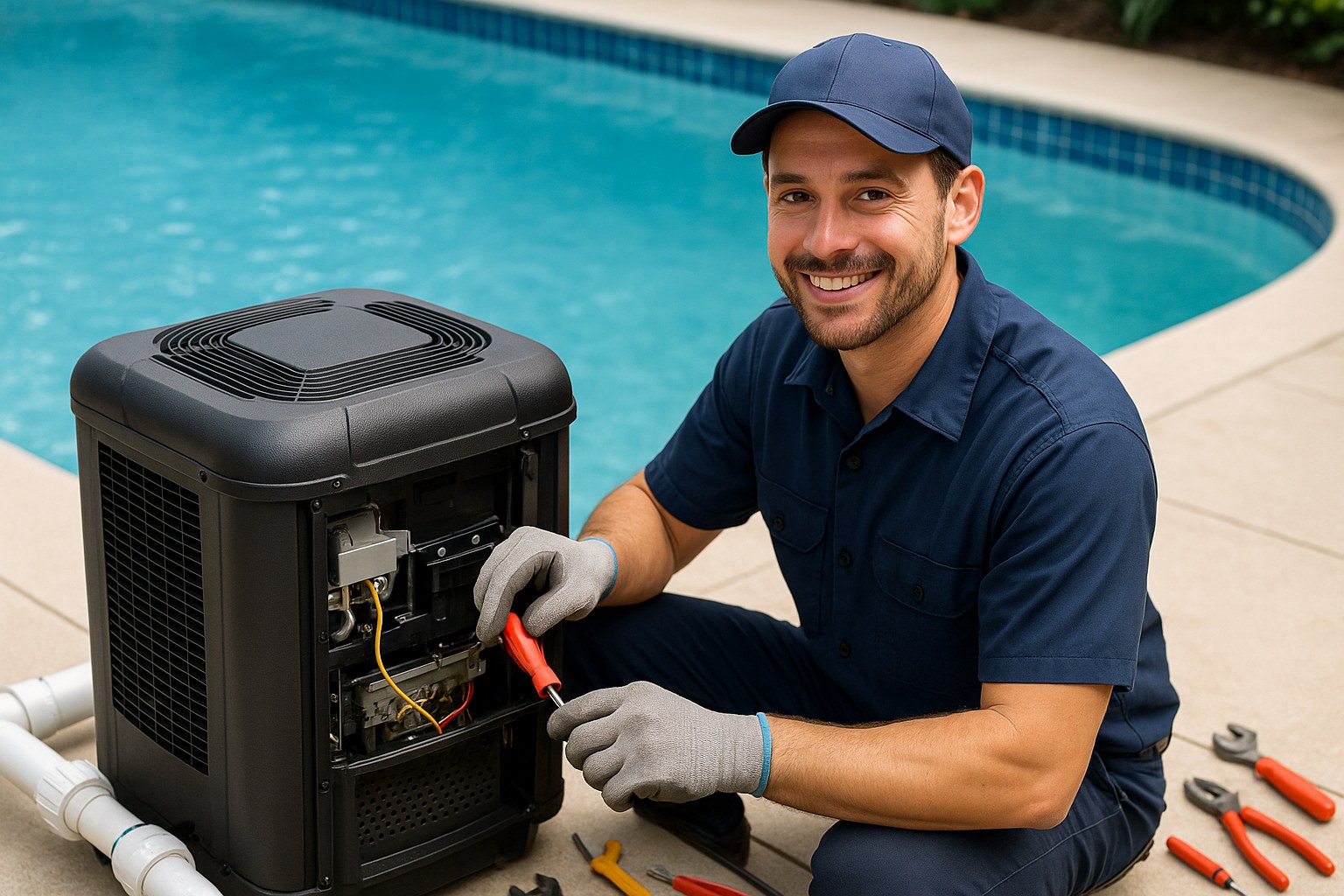
You should call a pool technician if:
- You smell gas.
- The heater is displaying a persistent error code.
- You suspect an electrical problem (e.g., a breaker that keeps tripping).
- You've gone through all the steps above and the heater still won't turn on.
Don't Let a Cold Pool Ruin Your Day
Fixing a pool heater that won't heat up is often a process of elimination. By systematically checking the water flow, thermostat settings, and basic heater functions, you can solve the majority of common problems yourself and get back to enjoying your pool or spa.
For more helpful home maintenance guides and instant access to a network of trusted, vetted professionals for the jobs you can't handle, download the Casa app today! Casa is your partner in homeownership, making it easy to manage, maintain, and repair your home with confidence.