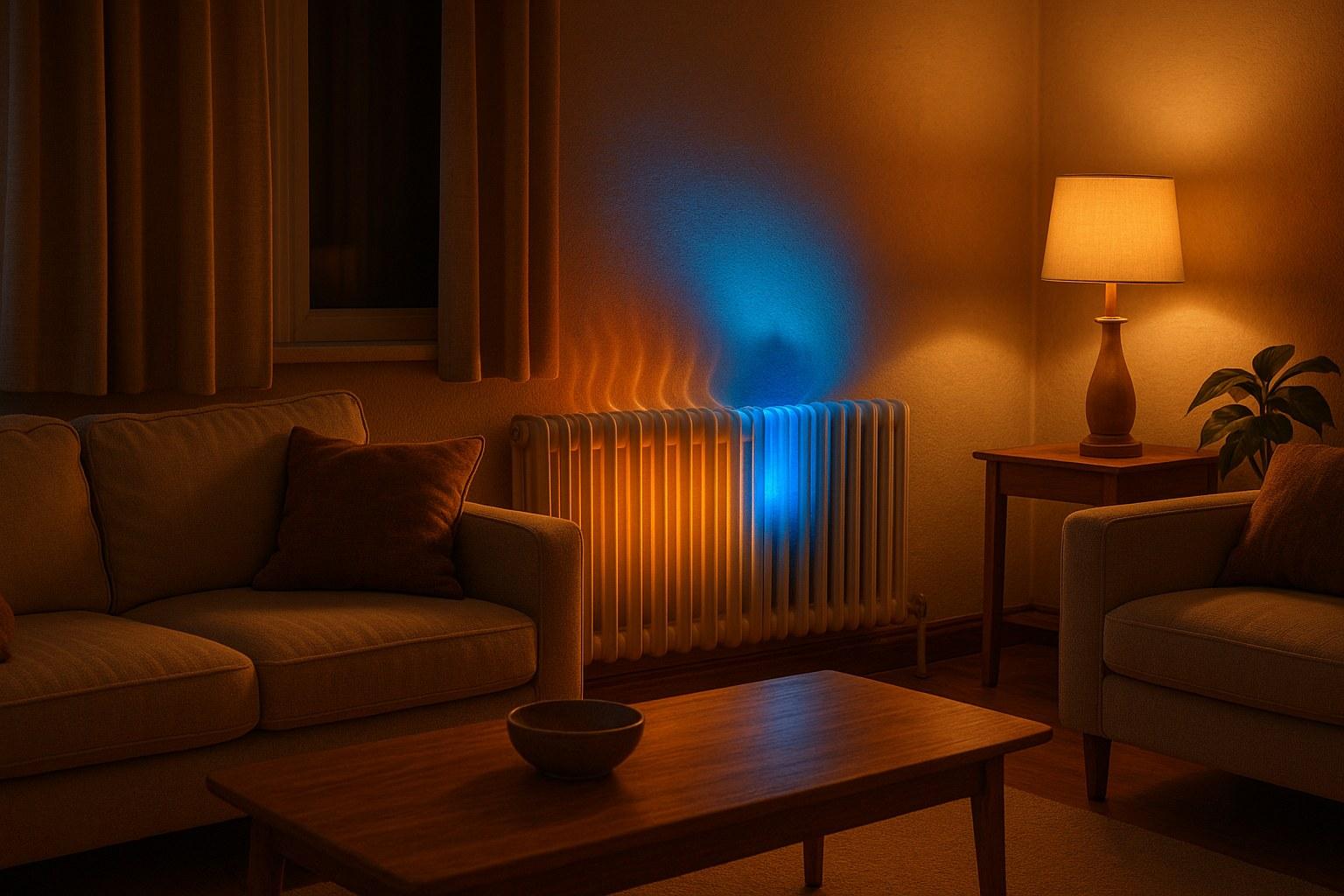
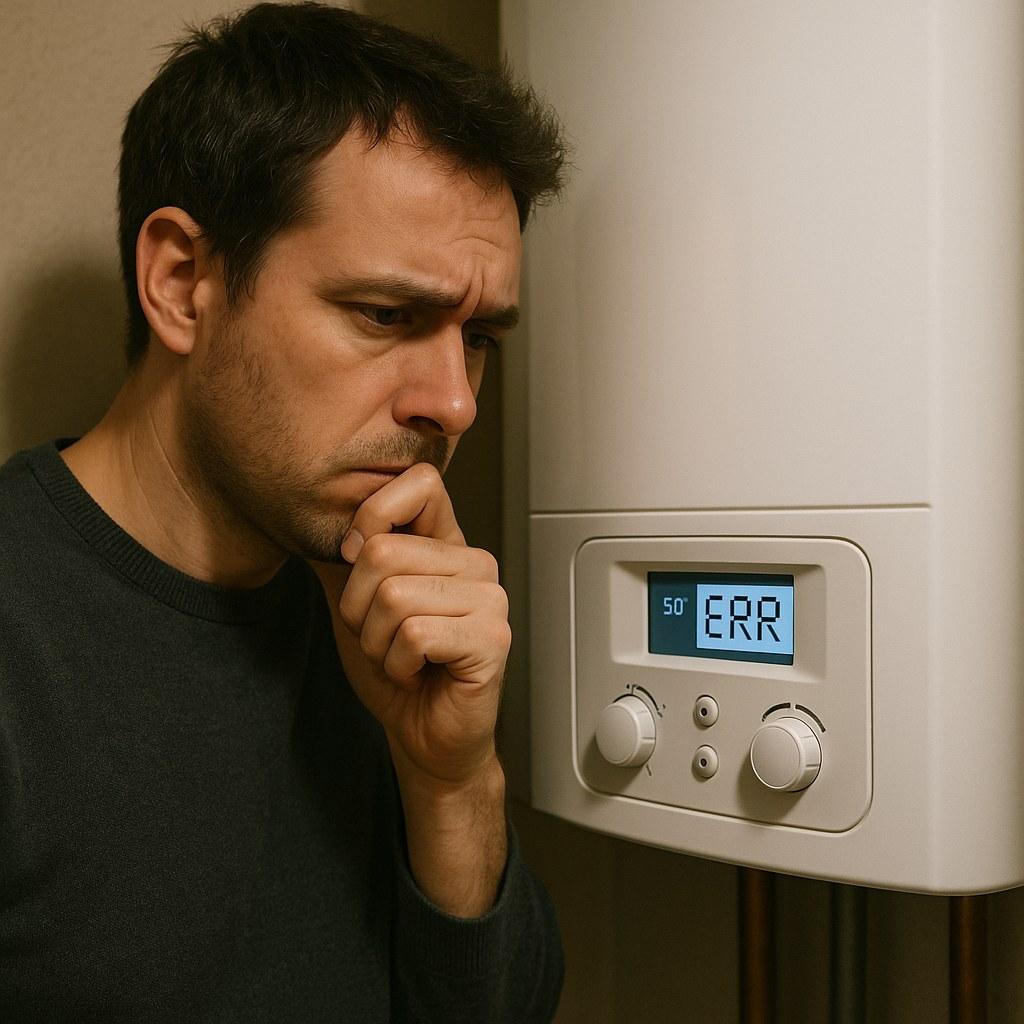
The cause of a cold radiator usually comes down to one of a few simple things: trapped air, low water pressure in the system, or a buildup of residue. The key is to first understand what kind of radiator system your home uses.
This guide will walk you through identifying your system and then provide step-by-step instructions for the most common fixes for both hot water and steam radiators.
First, Identify Your Heating System: Hot Water or Steam?
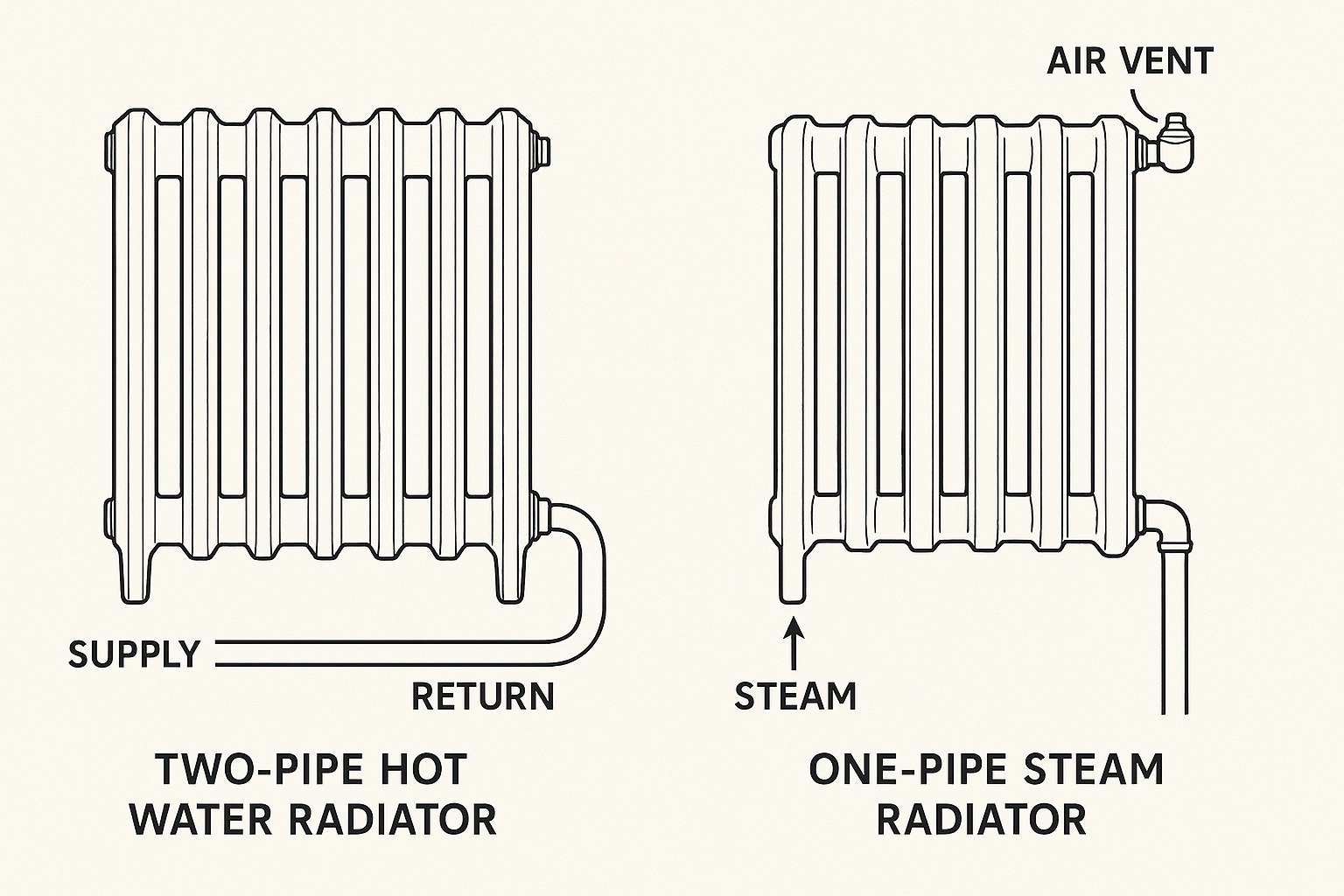
Before you can fix the problem, you need to know what you’re working with. Most homes have one of two types of radiator systems. Here’s how to tell them apart:
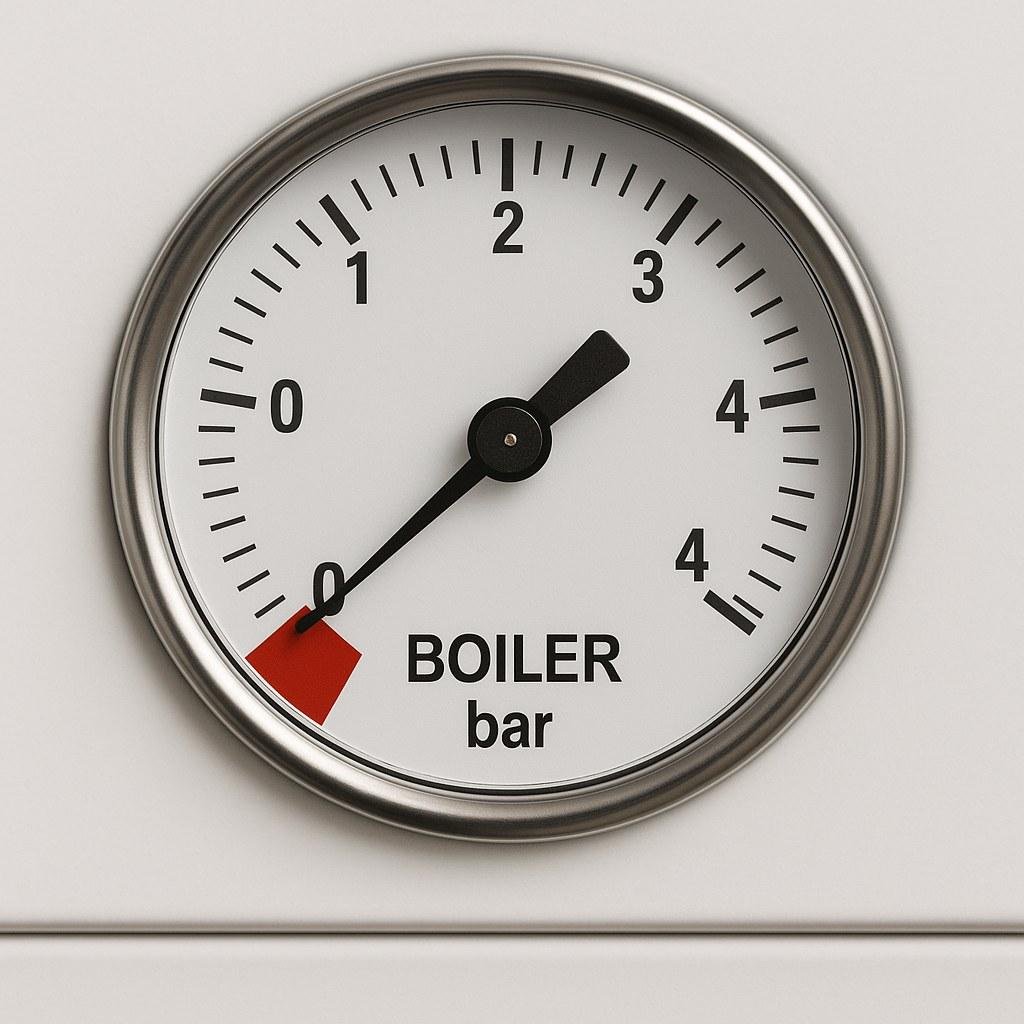
- Hot Water (Hydronic) System: These systems circulate hot water through the radiators. Each radiator typically has two pipes connected to it. Your boiler will have a pressure gauge on the front, usually reading in units called "bar" or "PSI."
- Steam System: These systems use steam to heat the radiators. A common type has only one pipe connected to each radiator. The radiator will also have a small, metallic air vent on its side. Your boiler will have a sight glass—a vertical glass tube—to show the water level.
Once you've identified your system, you can move on to the right set of steps below.
How to Fix a Hot Water Radiator
If you have a hot water system, the next step is to figure out if the problem is with a single radiator or your whole system. Turn your heat on and carefully check each radiator in your home.
If Only One Radiator Is Cold
If the problem is isolated to one unit, it’s likely due to trapped air or a buildup of sludge.
Problem: The top of the radiator is cold, but the bottom is warm.
This almost always means there is air trapped inside, which prevents hot water from filling the radiator completely. The solution is to "bleed" the radiator.
Safe to Try Yourself: Bleeding a Radiator
This is a very common maintenance task. You’ll need a radiator bleed key (available at any hardware store) and a small towel.
- Turn off your heating system. This stops water from circulating.
- Locate the bleed valve. It's a small square or slotted valve, usually at the top corner of the radiator.
- Prepare for water. Place your towel on the floor beneath the valve to catch any drips.
- Open the valve. Insert the radiator key and turn it counter-clockwise slowly—about a quarter to a half turn. You should hear a hissing sound as the trapped air escapes.
- Close the valve. As soon as a steady trickle of water comes out instead of air, turn the key clockwise to close the valve. Don't overtighten it.
- Turn your heating back on. The radiator should now heat up evenly.
Problem: The bottom or middle of the radiator is cold.
This suggests a buildup of sludge or rust inside the radiator, which blocks the flow of water.
Worth Monitoring: Flushing a Radiator
Fixing this requires removing the radiator and flushing it out with a hose. This is a more involved job that can be messy. While it is a DIY task, it requires some confidence and the right tools, including wrenches and a drain pan. If you're not comfortable draining and removing a heavy, water-filled object, this is a good time to call a professional.
If Multiple Radiators Are Cold
If several or all of your radiators are not heating up, the issue is likely system-wide, often related to low boiler pressure.
Problem: The boiler pressure is too low.
Your boiler's pressure gauge should typically read between 1.0 and 1.5 bar when the system is cold. If it’s below 1.0 bar, the system won't have enough pressure to circulate water to all the radiators, especially those upstairs.
Safe to Try Yourself: Re-pressurizing Your Boiler
- Turn off the boiler.
- Locate the filling loop. This is a braided metal hose with a valve at each end, located underneath the boiler.
- Open the valves. Slowly open both valves to allow cold water from the mains to enter the heating system. You will hear the water flowing.
- Watch the pressure gauge. Keep an eye on the needle. When it reaches 1.5 bar, firmly close both valves, one after the other.
- Turn the boiler back on. Your radiators should begin to heat up.
If you have to re-pressurize your system frequently, it could indicate a leak somewhere. This is a good time to call a professional for an inspection. Keeping a log of maintenance like this in the Casa app can help you spot recurring issues.
How to Fix a Steam Radiator
Steam systems operate differently, and so do their common problems. First, determine if the issue affects one radiator or several.
If Only One Radiator Is Cold
For a single cold steam radiator, the problem is often a faulty air vent or improper slope.
Problem: The radiator won't heat up, and the air vent doesn't hiss.
Each steam radiator has an air vent that must release air to allow steam to enter. If this vent is clogged or broken, the radiator will stay cold.
Safe to Try Yourself: Replacing a Steam Radiator Air Vent
- Turn off the heat and let the radiator cool completely.
- Unscrew the old vent. Use an adjustable wrench to turn the old vent counter-clockwise and remove it.
- Prepare the new vent. Wrap the threads of the new vent with Teflon tape to ensure a good seal.
- Install the new vent. Screw it in by hand until it's snug, then give it a final quarter-turn with the wrench.
- Turn the heat on and check if the radiator now heats up properly.
Problem: The radiator makes banging or gurgling noises and doesn't heat well.
This often means the radiator is not pitched correctly. Steam radiators must have a slight downward slope toward the pipe so that condensed water (condensate) can drain out. If water pools inside, it blocks new steam from entering.
Safe to Try Yourself: Adjusting the Radiator Pitch
- Check the slope. Place a level on top of the radiator. The bubble should show a slight tilt down towards the pipe.
- Add shims. If it's level or tilted the wrong way, slide thin wood shims under the feet on the side opposite the pipe until you achieve the correct slope.
If Multiple Steam Radiators Are Cold
If all your steam radiators are cold, the first thing to check is the water level in the boiler.
Problem: The boiler's water level is too low.
Steam boilers consume water as part of their normal operation and need to be refilled periodically.
Safe to Try Yourself: Adding Water to a Steam Boiler
- Locate the sight glass. This is the vertical glass tube on the side of the boiler that shows the water level. The water should be about halfway up the glass.
- Find the water feed valve. This is a manual valve on a water pipe leading into the boiler.
- Slowly add water. With the boiler off, slowly open the valve and watch the water level rise in the sight glass.
- Close the valve. Once the water reaches the halfway mark, close the valve securely.
- Restart the system. Turn the heat back on.
When to Stop and Call a Professional
While many radiator issues are simple fixes, some problems require an expert. It's time to call an HVAC technician if:
- You've bled your hot water radiators, but they still have cold spots.
- Your boiler pressure keeps dropping after you've re-pressurized it.
- You are not comfortable with more involved tasks like flushing a radiator.
- Replacing a steam vent or adjusting the pitch doesn't solve the problem.
- Your boiler is making loud or unusual noises.
Typical Time and Costs
- DIY Fixes: For simple tasks, your only cost may be for parts.
- Radiator Bleed Key: Under $5.
- Steam Air Vent: $10 - $30.
- Professional Service:
- An HVAC service call for diagnosis and simple repairs can range from $100 to $300, though this varies significantly based on your location and the work needed.
Your Home Is Warming Up Again
A cold radiator can be an unwelcome surprise, but it's usually a manageable one. By correctly identifying your system and following these steps, you can often solve the problem yourself and get your heat running properly again.
Feeling prepared for home maintenance is a great way to reduce stress. With the Casa app, you can keep track of your home’s systems, get reminders for key tasks, and have a trusted advisor in your pocket when you need one. Download Casa today to stay ahead of homeownership.