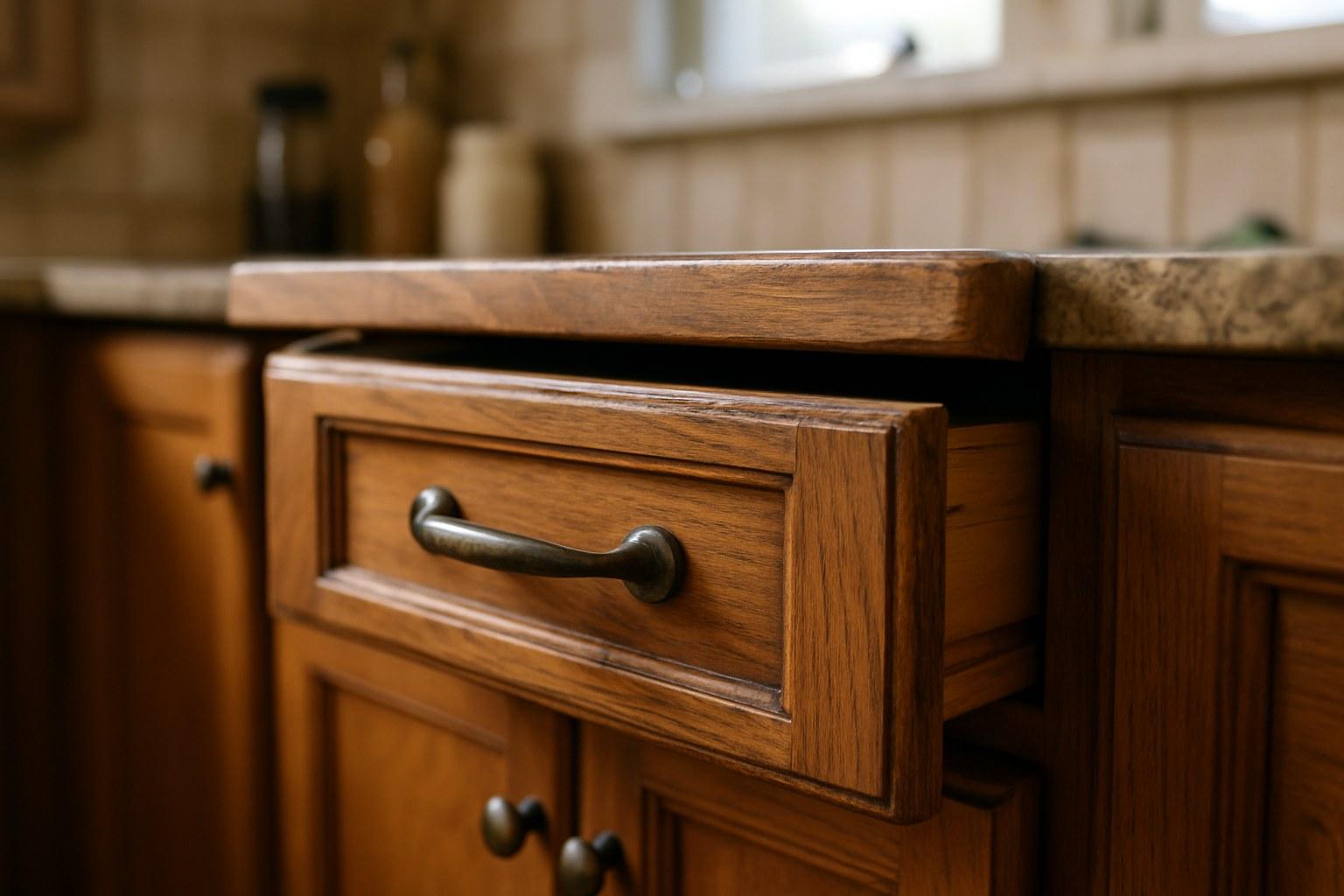
The good news is that you don’t have to live with it. In most cases, a stuck or difficult-to-open drawer is a problem you can solve yourself in under 30 minutes with just a few common household tools. It’s rarely a sign of a major furniture catastrophe.
This guide will walk you through the entire process, just like a friendly expert on the phone. We'll start by figuring out why your drawer is stuck and then move through simple, actionable steps to get it gliding smoothly again. Let's get that drawer open!
What Causes a Drawer to Get Stuck?
Before we dive into the fix, it helps to understand the common culprits. Identifying the root cause will make the repair process much faster and more effective.
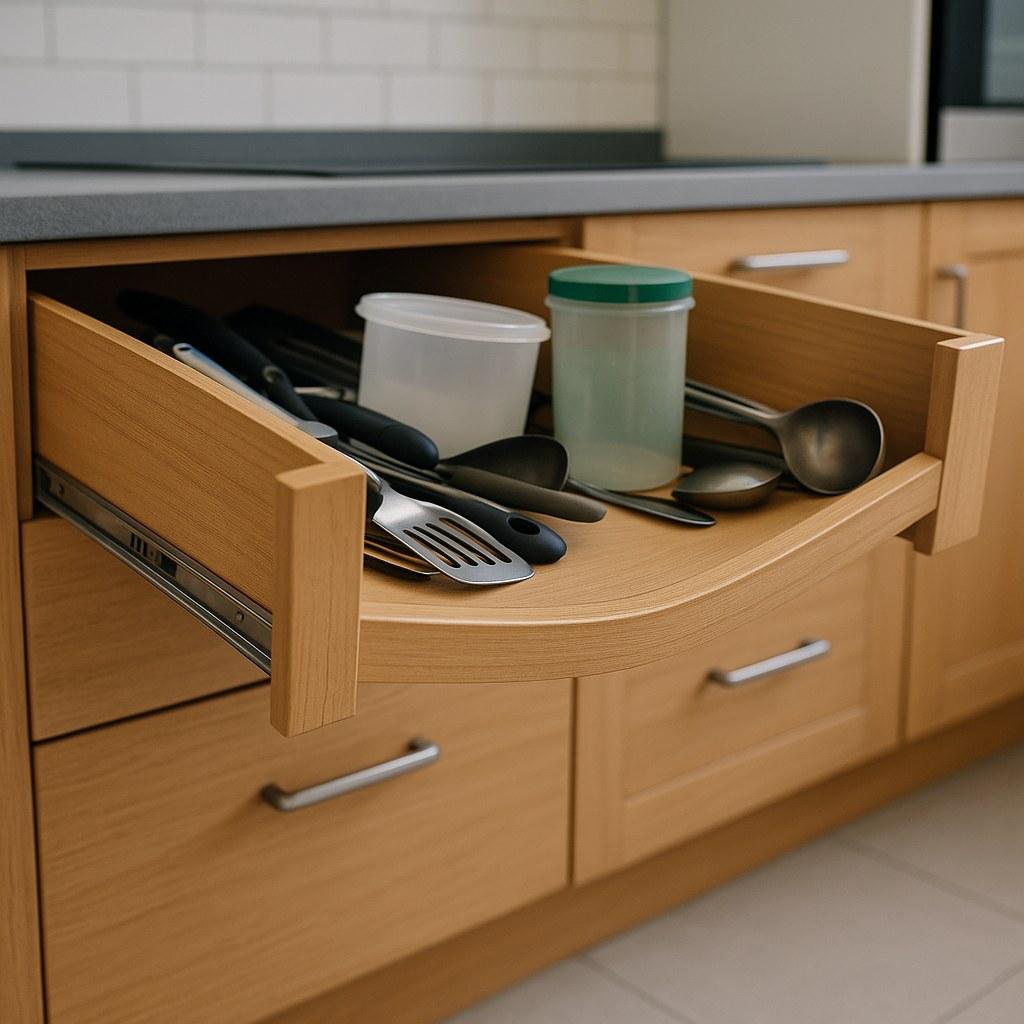
- Obstructions: This is the most common reason. An object—a stray sock, a kitchen utensil, a small toy—has fallen out of the drawer and lodged itself behind or beside it, physically blocking its path.
- Overfilling: We're all guilty of it. Cramming too much into a drawer can cause items to press up against the top of the cabinet frame, creating a jam. It can also put excess weight on the slides, causing them to bind.
- Drawer Slide Issues: The metal or wooden tracks (runners) that the drawer slides on can become bent, loose, dirty, or lose their lubrication. This friction is a major cause of stiff, jerky movement.
- Humidity and Wood Swelling: If you have wooden furniture and live in a humid climate, the wood can absorb moisture from the air and swell. This expansion can make the drawer too tight for its opening.
- Structural Problems: Less commonly, the drawer box itself or the cabinet frame might be damaged or warped, causing misalignment.
Now that we have a better idea of what we’re looking for, let's gather our tools and get to work.
Tools and Materials You'll Need
You likely already have everything you need for this job.
- A good Flashlight (your phone's will work fine)
- Vacuum with a hose or crevice attachment
- Phillips head screwdriver
- Putty knife (especially for painted drawers)
- Dry lubricant spray (silicone-based is best) or a block of paraffin wax
- A few clean, dry cloths
A Step-by-Step Guide to Fixing Your Stuck Drawer
We'll approach this logically. First, we need to assess just how stuck the drawer is. This will determine our next steps.
Step 1: Diagnose the Problem - Can It Move at All?
Your first move is to test the drawer's movement. Grab the handle with both hands to apply even pressure.
- Attempt a Gentle Pull: Pull straight out with steady, light pressure. If it moves, even a little, that’s great news! Skip to the next section: "The Drawer Opens a Little."
- If It’s Completely Jammed: Don't yank on it! This can damage the drawer front or the slides. Instead, try to "unstick" it with these techniques:
- The Wiggle & Rock: Gently rock the drawer front from side to side while pulling outward. This can help dislodge whatever is causing the jam.
- The Push-Pull Pulse: Place one hand on the handle and the other underneath the drawer for support. Gently push the drawer inward about an eighth of an inch, then immediately pull outward. Repeat this pulsing motion. Sometimes this rhythm is enough to shift an obstruction.
- The Lift: While continuing the pulsing motion, try lifting the front of the drawer up slightly. This can help it clear the lip of a runner or a small object stuck underneath.
- For Painted Drawers: Sometimes, layers of paint can effectively "glue" a drawer shut. Carefully slide a thin putty knife into the gap between the drawer and the frame and run it all the way around to break the paint seal.
If one of these techniques works and you can now open the drawer at least an inch, congratulations! Proceed to Step 2. If the drawer is still completely immobile after a few minutes of gentle persuasion, it could be a sign of a more serious structural issue. You may need to call a professional at this point to avoid causing damage.
Step 2: The Inspection - Find the Culprit
Now that you have the drawer open a bit, it's time to play detective.
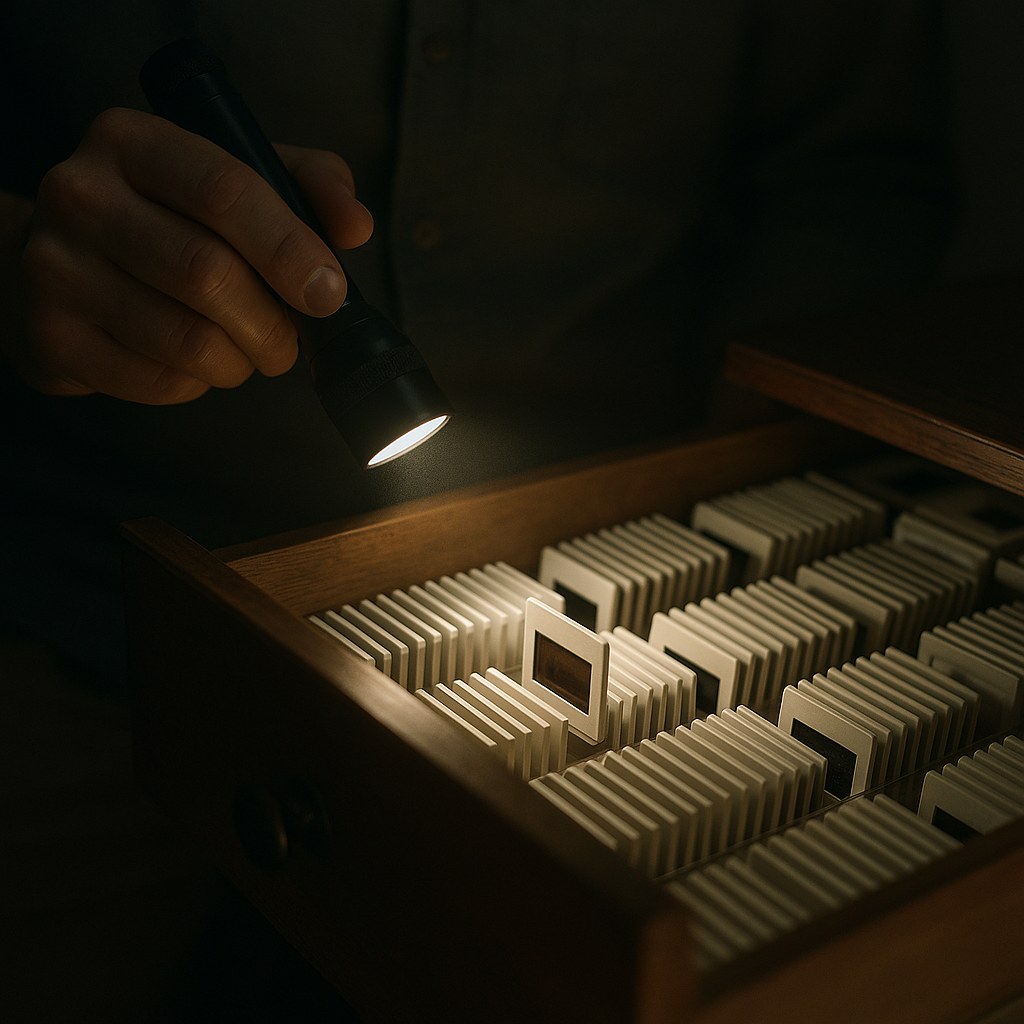
Pull the drawer out as far as it will comfortably go and grab your flashlight. Shine the light into the opening, looking carefully along both sides, above, and behind the drawer box. Pay close attention to the drawer slides.
Are there any loose items? Has a piece of clothing or a kitchen tool fallen into the mechanism? Also, check the contents. Is the drawer filled so high that items are catching on the cabinet frame above it? More often than not, you'll spot the problem right away.
Step 3: Clear the Way and Lighten the Load
If you found an obstruction, the fix is simple.
- Empty the Drawer: Carefully remove every item from the drawer. This will give you a clear view and make the drawer lighter and easier to handle for the next steps.
- Remove the Obstruction: Take out whatever was blocking the path.
- Clean It Out: This is the perfect opportunity for a deep clean. Use your vacuum's hose attachment to remove all the crumbs, dust, and debris from inside the drawer box and, most importantly, from the drawer slides and the cabinet interior.
- Reload Thoughtfully: Before putting everything back, consider if overfilling was the issue. A good rule is to only fill a drawer to about three-quarters of its capacity to ensure smooth operation.
Now, test it out. Close and open the drawer several times. If it moves smoothly, you’ve fixed it! You can stop here. If it's still sticky or hard to move, the problem likely lies with the slides themselves.
Step 4: Service the Drawer Slides
This is where a little maintenance can make a huge difference. To do this properly, you’ll need to remove the drawer completely.
How to Remove the Drawer:
- For simple wood-on-wood slides: Just pull the drawer out and lift the front sharply upwards to disengage it from the stop.
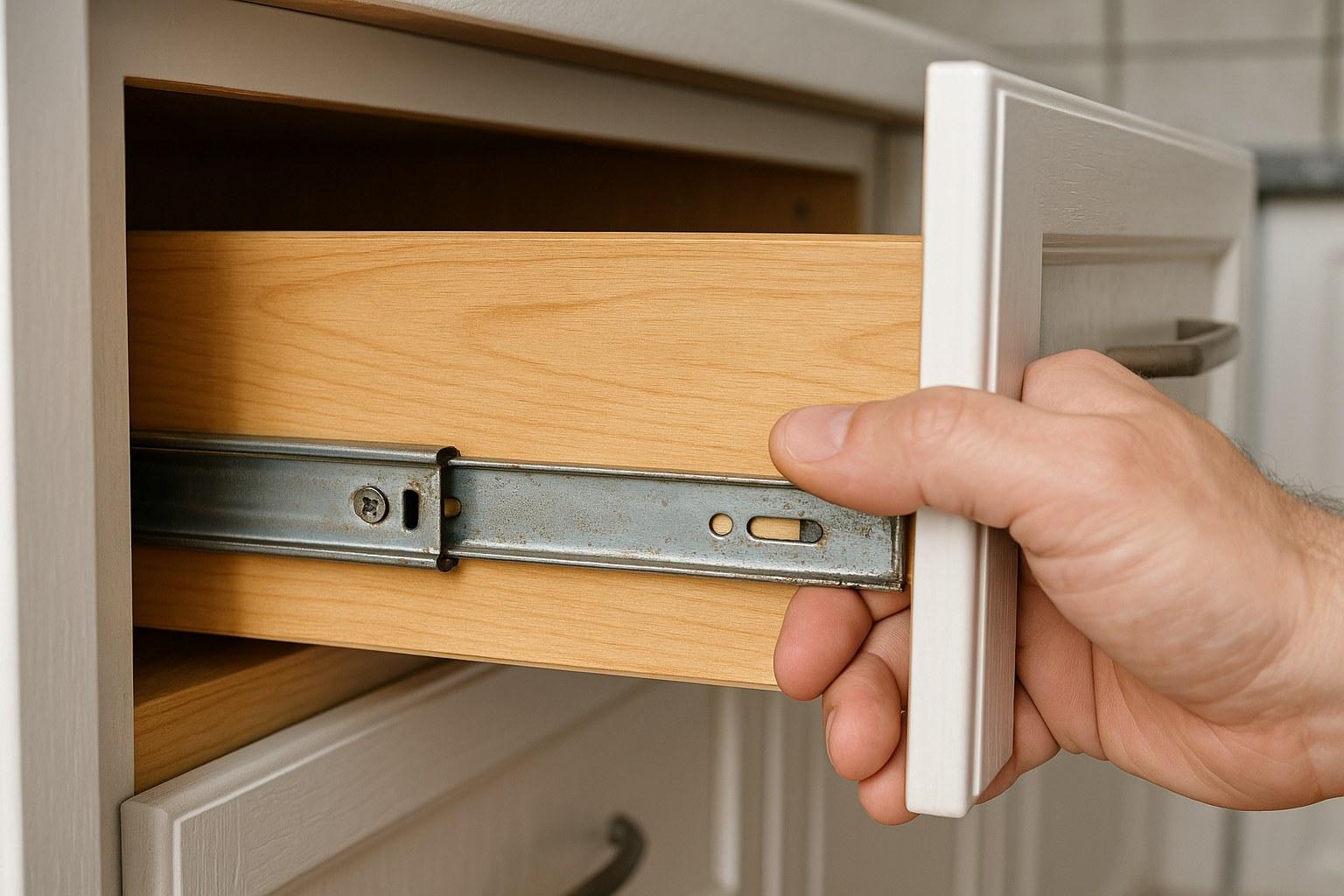
- For modern metal slides: Look for small black levers on the slides on both sides of the drawer. You'll usually need to push one lever up and the other one down simultaneously while pulling the drawer forward to release it.
Once the drawer is out, inspect the slides on both the drawer and the cabinet.
- Tighten Loose Screws: Check all the screws holding the slides in place. If any are loose, tighten them with your Phillips screwdriver. A wobbly slide is a primary cause of misalignment and binding.
- Straighten Minor Bends: Look for any bent sections on metal slides. You can often straighten minor dings by gently pressing them with your fingers or carefully using pliers. Don't force anything; if the metal is severely damaged, the slide may need to be replaced.
- Clean and Lubricate: Wipe down all parts of the slides with a dry cloth to remove any old, gunky lubricant and dirt. Then, apply a light coat of dry lubricant spray (silicone spray is excellent) to the moving parts. Avoid oily lubricants like WD-40, as they attract dust and can create a sticky mess over time. For wooden slides, rubbing a block of paraffin wax along the runners works wonders.
- Reinstall the Drawer: Carefully slide the drawer back onto its runners, ensuring both sides engage evenly. You should hear a "click" as the safety levers lock back into place.
Open and close the drawer a few times to distribute the lubricant. It should now glide like new!
When Is It Time to Call a Professional?
If you’ve tried all the steps above and the drawer is still stuck or difficult to operate, it might be time to call for backup. This is likely the case if:
- The drawer is still completely jammed and won’t budge.
- The drawer slides or the drawer box are severely bent, broken, or warped.
- The cabinet itself seems to be out of square.
A professional handyman or furniture repair expert can handle these more complex issues. According to home service sites like Angi, a handyman visit for a minor repair like this can cost anywhere from $75 to $250, depending on the complexity and your location. It's a small price to pay to avoid damaging your furniture.

A Smooth Finish
A stuck drawer is a nuisance, but it's almost always a fixable one. By following these simple diagnostic and repair steps—testing the movement, clearing any blockages, and servicing the slides—you can restore your drawer to perfect working order.
Feeling empowered? Home maintenance is full of small victories like this one. For more expert-led, step-by-step guides for all your home projects, and to connect with trusted pros for the jobs you can't tackle alone, download the Casa app today! We're here to help you keep your home running as smoothly as your newly fixed drawer.


 BACK
BACK