The good news is that once you understand the cause, you can often take simple steps to improve the appearance and prevent the fading from getting worse. This guide will help you diagnose the problem and decide on the best course of action.
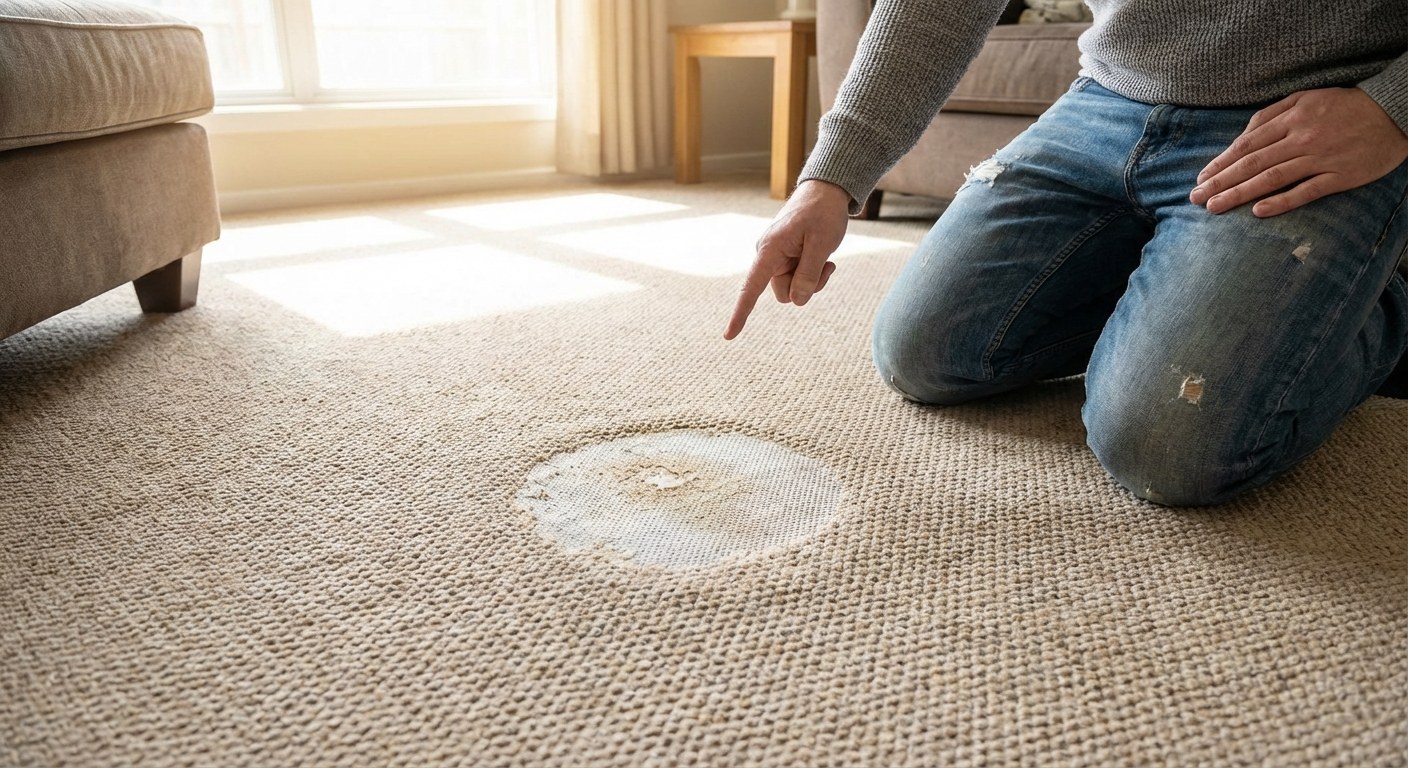
What Causes Carpet Fading?
Before we get to the solution, it’s helpful to know what you’re dealing with. Faded spots on a carpet are almost always the result of one of three things:
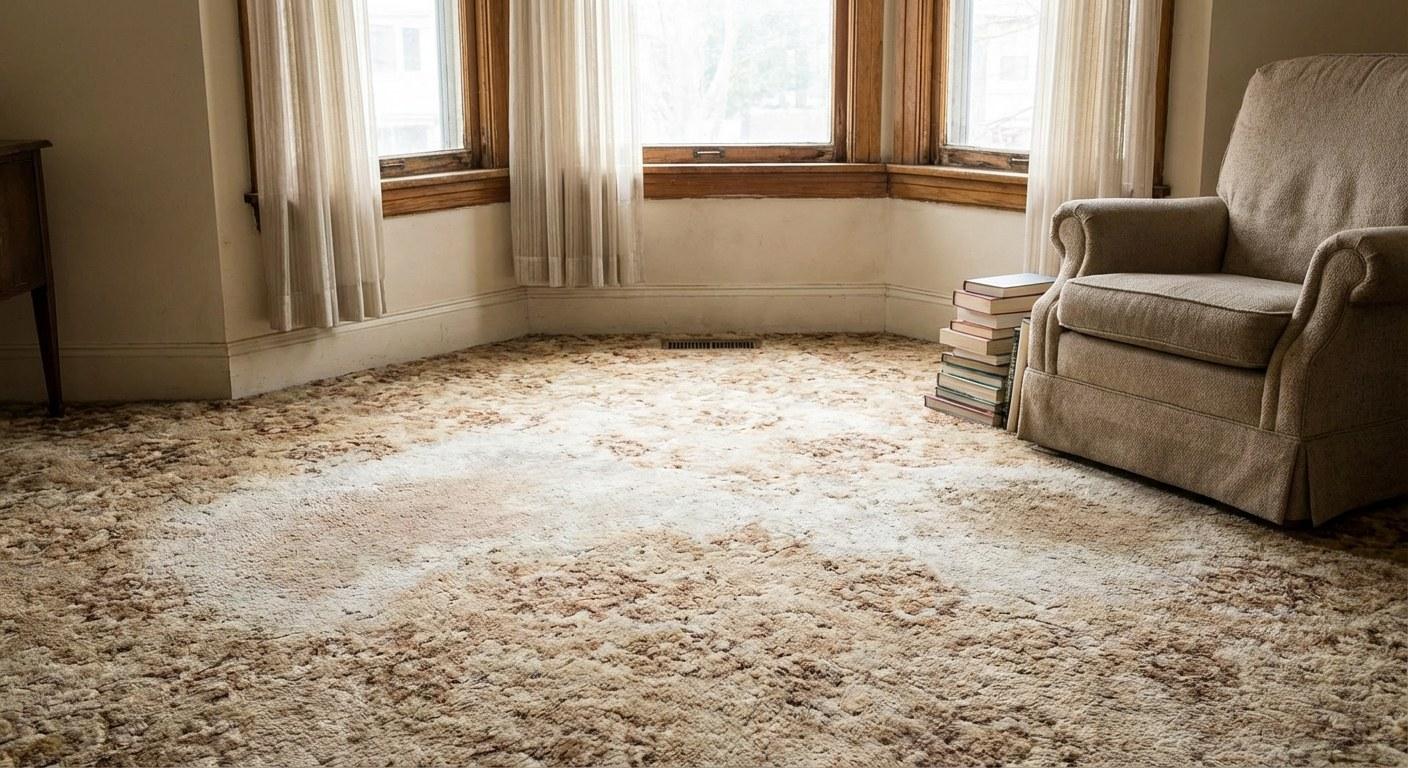
- Sunlight: The ultraviolet (UV) rays in sunlight are powerful. Over time, they break down the dyes in carpet fibers, causing them to lose their color. This is most common in spots near windows and glass doors that get a lot of direct sun.
- Foot Traffic: Areas that get walked on constantly, like hallways or the path from the sofa to the kitchen, can appear faded. This is often due to a combination of factors: dirt getting ground into the fibers, and the fibers themselves getting crushed and matted. Damaged fibers reflect light differently, making them look dull and discolored.
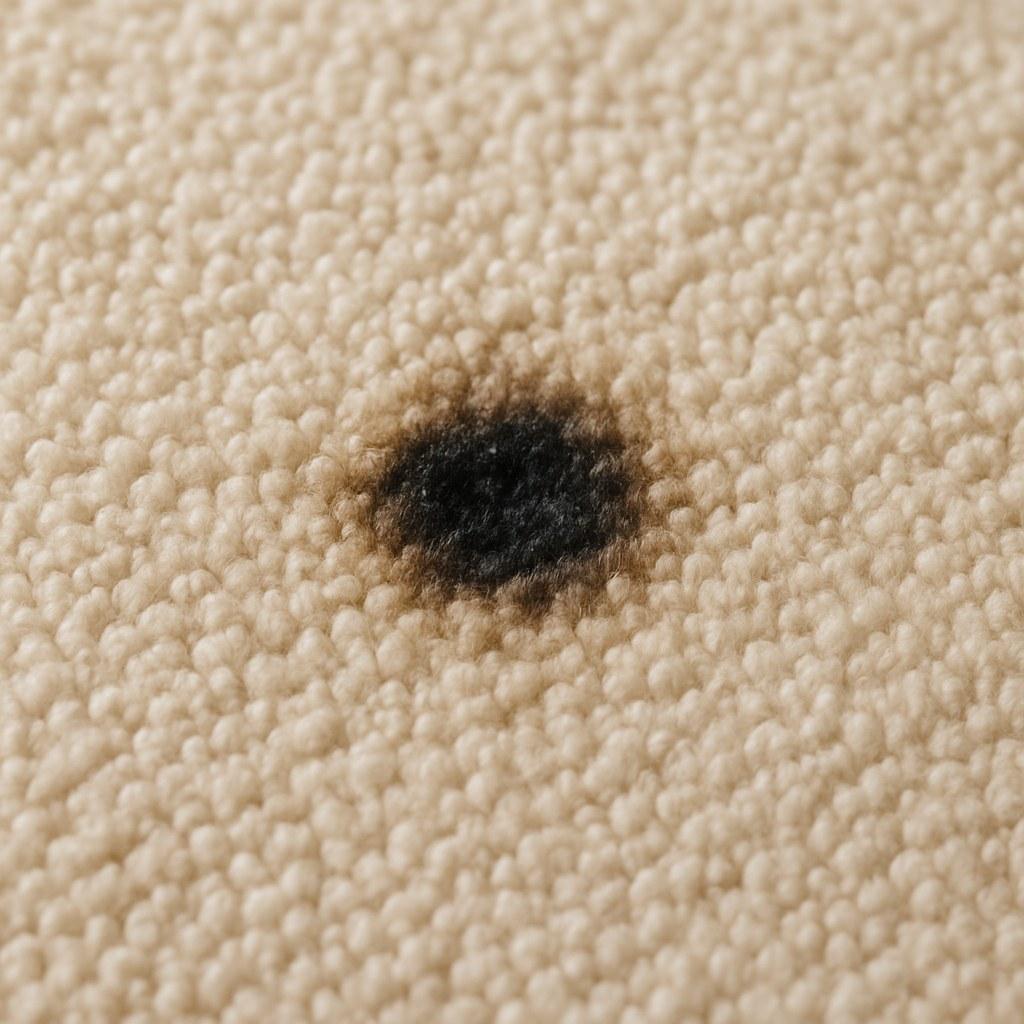
- Chemicals: Spills from harsh cleaning products, bleach, or even some pet stain removers can strip the color directly from your carpet, leaving a distinct, often lighter, spot.
Step 1: Identify the Fading Pattern
The first step is to play detective. The location and shape of the faded spots will tell you a lot about the cause.
- Scan the Room: Stand at the doorway and look at the carpet as a whole. It’s easier to spot color differences from a distance.
- Mark the Spots: Use small pieces of painter's tape to mark the center of each faded area you see.
- Check Proximity to Windows: Is the faded area within a few feet of a window or glass door? Does direct sunlight hit that spot during the day?
- Check Proximity to Traffic Paths: Do the taped spots line up with the natural walking paths in the room—for example, from the door to the couch, or around the coffee table?
- Recall Any Spills: Think back to any recent cleaning efforts or accidents. Does the spot correspond to where you tried to clean a stain?
Once you have a likely cause, you can move on to the right solution.
Step 2: Address the Cause of Fading
Here are the steps you can take based on what you found. We’ll cover what’s safe to try yourself and when it’s better to pause.
If the Cause Is Sunlight
Fading from UV damage is unfortunately permanent, as the dye itself has been altered. However, the goal here is to stop it from getting worse and make it less noticeable.
Safe to Try Yourself:
- Block the Light: The simplest solution is to close your curtains or blinds during the sunniest parts of the day.
- Apply UV-Protective Film: You can buy transparent film to apply directly to your window glass. It’s designed to block a significant percentage of UV rays without blocking your view.
- Rearrange Your Furniture: Move a chair, table, or sofa to cover the faded spot or to block the patch of sun that hits the floor.
- Rotate Area Rugs: If the fading is on an area rug, a simple 180-degree rotation can even out the sun exposure over time and hide the currently faded section.
If the Cause Is Foot Traffic
This type of "fading" is often just an illusion caused by crushed, soiled fibers. A deep clean can make a surprising difference.
Safe to Try Yourself:
- Vacuum Thoroughly: Go over the area slowly from multiple directions to pull up as much embedded dirt and debris as possible.
- Deep Clean the Carpet: If you own or can rent a carpet cleaner, use it on the faded path according to the manufacturer’s instructions. This will clean the fibers and help them stand up again.
- Let it Dry Completely: Allow the carpet to dry for several hours. Good ventilation from open windows or a fan will speed this up.
- Rake the Fibers: Once dry, use a carpet rake (a tool with stiff but gentle bristles) to brush the carpet pile upward. This helps restore the texture and height of the fibers, which can dramatically reduce the faded appearance.
- Add a Runner: To prevent future wear, place a runner rug over the high-traffic lane.
Keeping a consistent cleaning schedule can prevent traffic lanes from becoming a permanent feature. You can use the Casa app to set reminders for periodic tasks like deep cleaning your carpets.
If the Cause Is a Chemical Spill
This requires a more hands-on repair, as you’ll be trying to restore color that has been stripped away. Proceed with caution.
Safe to Try Yourself:
- Neutralize the Area: First, you want to make sure no chemical residue is left. Put on gloves. Gently rinse the spot with a sponge and cool water, then blot it dry with a clean white towel. Do not rub. A mild solution of dish soap and water can also help neutralize any remaining cleaner. Let it dry completely.
- Use a Carpet Dye Kit: You can find carpet dye kits online or at some hardware stores. They are designed for small spot repairs.
- TEST FIRST: This is the most important step. Before applying dye to the faded spot, test it in a hidden area, like inside a closet or under a heavy piece of furniture that never moves. This allows you to confirm the color matches acceptably.
- Apply the Dye: If the color is a good match, carefully apply the dye to the faded spot according to the kit’s instructions. Use the applicator provided and work from the outside of the spot inward.
- Let it Set: Allow the dye to dry completely as directed by the package.
When to Call a Professional
DIY solutions are great for minor issues, but some problems are best left to an expert.
- Stop if a DIY dye job doesn't match. If the test spot is the wrong color or the repair looks worse, it’s time to stop. A professional carpet dyeing service has more advanced tools for color matching.
- Call a pro for widespread or severe sun fading. If a large portion of your carpet is faded, a professional can assess whether full-room dyeing is a viable option, or if replacement is more practical.
- Consult a professional cleaner for stubborn traffic lanes. If a rental machine and carpet rake don’t improve the look of a traffic lane, a professional service with commercial-grade equipment may have more success.
- Check your warranty. If your carpet is relatively new, check to see if it’s still under warranty. Some warranties cover premature fading, and attempting a DIY fix could void it. Contact the retailer or manufacturer first.
Typical Time and Costs
DIY Solutions:
- Time: Most of these fixes take between 30 minutes and a few hours of active work, plus drying time.
- Cost:
- UV Window Film: Around $20–$50
- Carpet Rake: Around $15–$30
- Carpet Dye Kit: Around $15–$25
- Carpet Cleaner Rental: Around $30–$60 per day
Professional Services:
- Professional Carpet Cleaning: Expect to pay around $100–$250 for a room, depending on your location and the size of the area.
- Professional Carpet Dyeing: This is a specialized service. A small spot repair might cost $150–$300, while dyeing an entire room can cost $1,000 or more.
- Carpet Replacement: This is the most expensive option, often costing several hundred to thousands of dollars for a room.
Restoring Your Carpet with Confidence
Dealing with a faded carpet is a manageable task once you know the cause. By starting with simple preventative measures and careful cleaning, you can often improve your carpet’s appearance and extend its life. Knowing when to tackle it yourself and when to call for help is key to a good outcome.
For more guidance on maintaining your home and tackling repairs with confidence, download the Casa app. We’re here to help you feel prepared for whatever your home sends your way.