The good news is that you can often fix these gaps yourself with a few basic tools and a little time. This guide will walk you through how to find and fix the most common types of fence gaps, helping you decide what you can handle and when it might be time to call a professional.
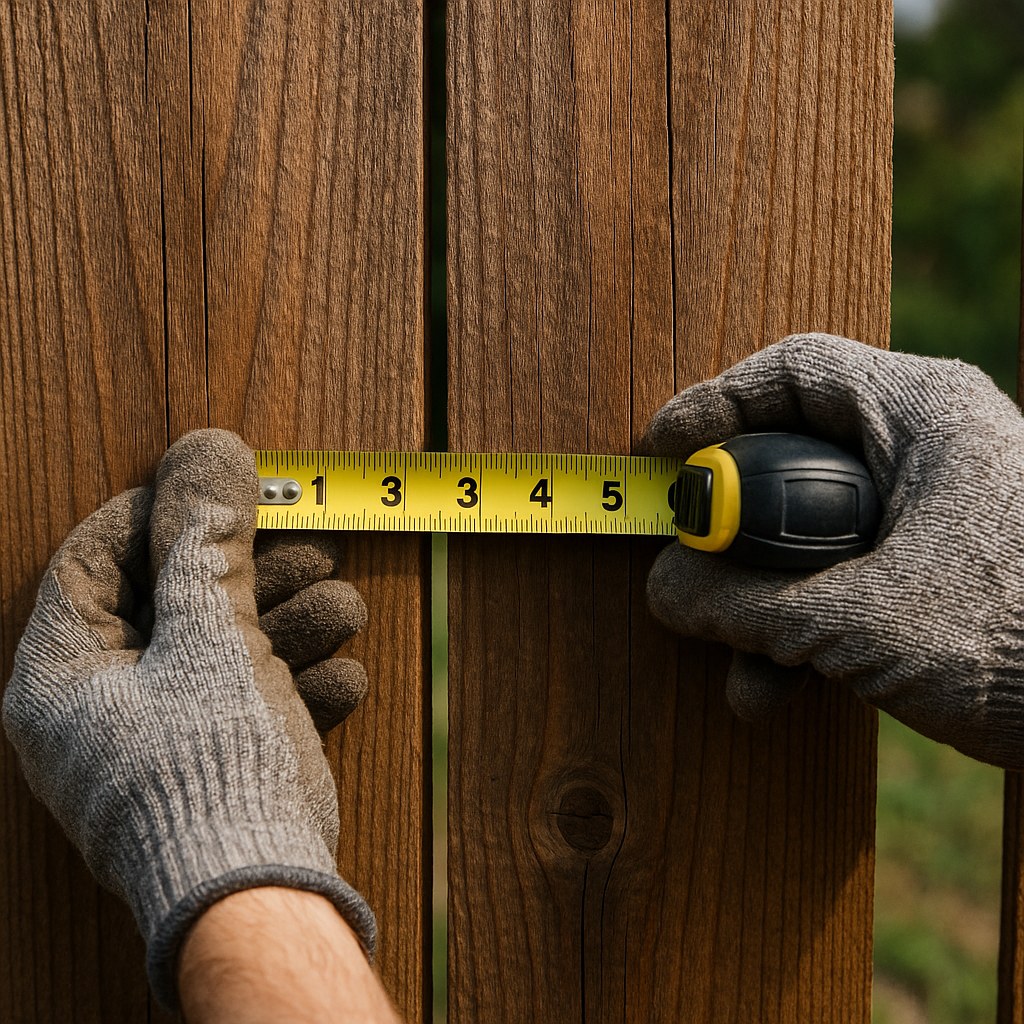 imageAlt: "A homeowner wearing work gloves measures a gap between two fence pickets."
How to Inspect Your Fence for Gaps
Before you can start fixing, you need to know exactly what you’re dealing with. A thorough inspection will help you identify every potential entry point.
What You’ll Need:
- Work gloves
- Tape measure
- A way to take notes (a notebook or your phone)
Inspection Steps:
- Walk the Perimeter: Start at one end of your fence and slowly walk the entire length. Look closely at the top, middle, and especially the bottom of the fence line.
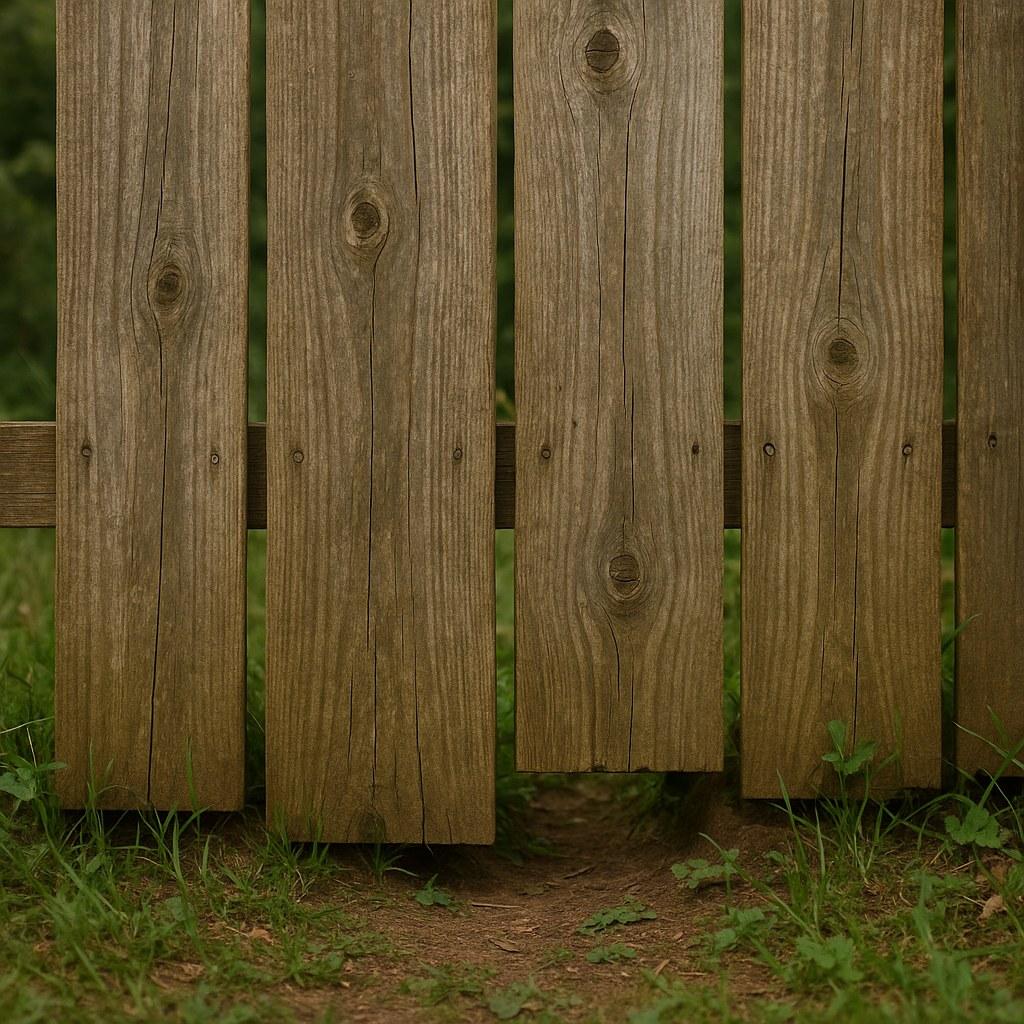
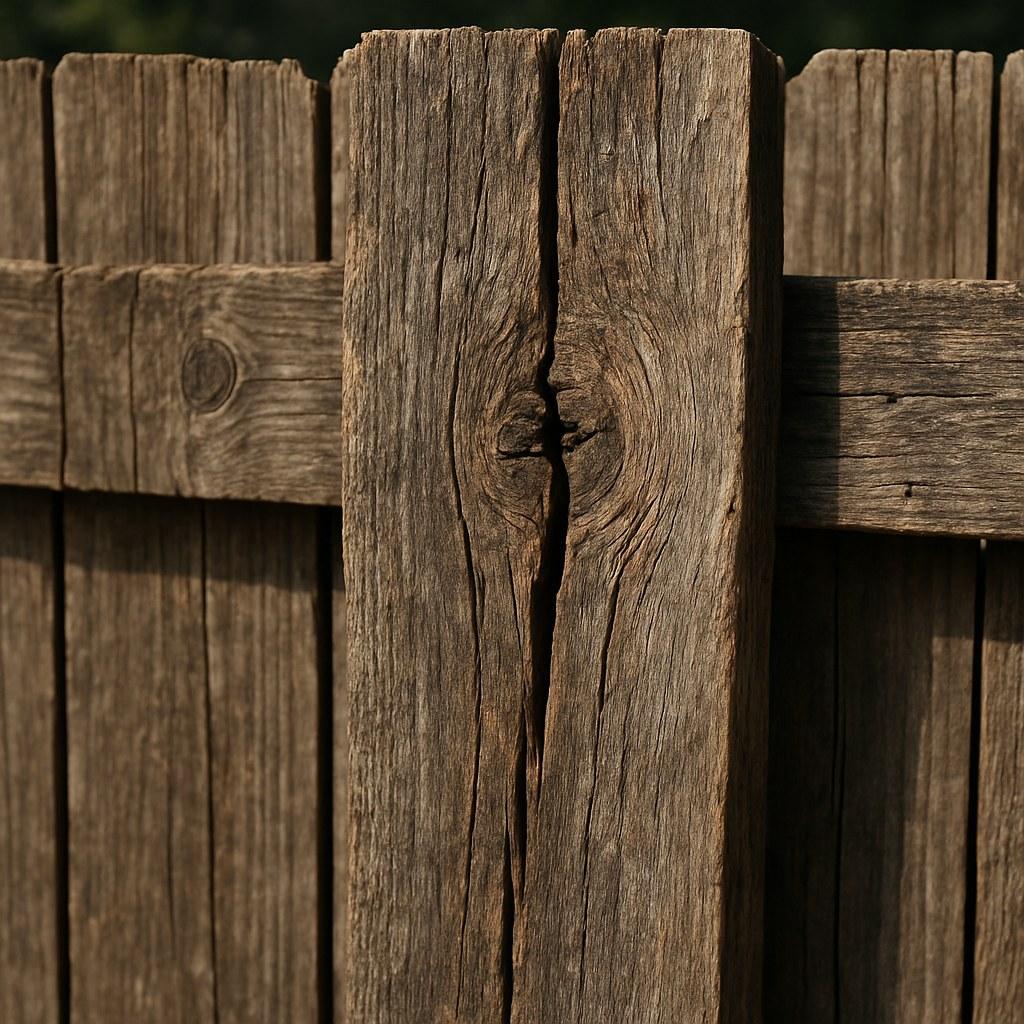
- Identify Gap Locations: Note whether the gaps are at the bottom (between the fence and the ground), between vertical boards (pickets), or where sections connect to posts.
- Measure and Record: Use your tape measure to find the width of each gap. Any opening larger than a couple of inches could be an entry point for smaller animals. Keeping a list of locations and sizes can be helpful, especially if you have a large yard. You can use an app like Casa to keep track of home maintenance tasks and notes.
- Check for Climbing Aids: Look for anything near the fence that an animal could use to climb over it, like low-hanging tree branches, overgrown shrubs, or stacked items. Trim back any vegetation that is touching or leaning on the fence.
Once you have a clear picture of the problem areas, you can move on to the right fix.
Safe to Try Yourself: Fixing Common Fence Gaps
Most small to moderate gaps can be fixed without needing to call a professional. We’ll break it down by the type of gap you found.
If You Have Gaps at the Bottom of Your Fence
This is one of the most common issues, often caused by soil erosion or uneven ground.
1. Level the Ground
For smaller gaps, simply building up the ground may be enough.
- Use a shovel and rake to clear away any loose debris from under the fence.
- Add topsoil to any low spots, packing it firmly against the bottom of the fence.
- Tamp the soil down with the back of your shovel to create a solid, level surface.
2. Install a Buried Ground Barrier
If leveling the soil leaves gaps wider than a few inches, or if you’re dealing with animals that dig, installing a barrier is a more permanent solution.
- Dig a Trench: Along the base of the fence, dig a narrow trench about 6 inches deep and 6 inches wide.
- Install Hardware Cloth: Hardware cloth is a sturdy wire mesh, usually with 1/4-inch openings, that is great for blocking animals. Unroll a section of hardware cloth and bend it into an "L" shape. One side of the "L" should be about 12 inches tall, and the other should be 6 inches wide.
- Attach and Bury: Use a heavy-duty staple gun to attach the 12-inch vertical side of the mesh to the bottom rail of your fence. Lay the 6-inch horizontal side flat in the bottom of the trench, facing into your yard. This prevents animals from digging underneath it.
- Backfill the Trench: Fill the trench with the soil you removed, packing it down firmly.
If You Have Gaps Between Fence Boards or Panels
Shifting panels or warped boards can create vertical gaps that are easy for animals to slip through.
1. Tighten Loose Hardware
Sometimes, all that’s needed is to re-secure loose boards.
- Inspect the loose boards and panels. Look for missing or rusted screws and nails.
- Using a drill and exterior-grade wood screws, secure each loose board to the horizontal rails that support it. A screw at the top, middle, and bottom of each board is usually sufficient.
2. Add a New Picket or Slat
If tightening the boards doesn’t close the gap, you can add a new piece to cover it.
- Measure the height of your fence and the width of the gap.
- Cut a new fence picket (for wood fences) or slat (for vinyl) to the correct height.
- Place the new piece over the gap and secure it to the horizontal rails with exterior-grade screws.
When to Stop and Call a Professional
While many fence repairs are manageable, some issues point to larger structural problems that are best left to a professional fence contractor.
It’s time to call a pro if you find:
- Rotten or Rusted Posts: If the posts holding your fence up are rotting at the base (for wood) or severely rusted or bent (for metal), they can’t support the fence properly. Pushing on the post will likely cause significant movement. This requires replacing the post and setting it in new concrete.
- Widespread Leaning or Sagging: If an entire section of your fence is leaning or sagging, it could indicate that multiple posts have failed.
- DIY Fixes Don’t Work: If you’ve leveled the ground but still have gaps wider than 6 inches, or if tightening boards doesn’t resolve the issue, a contractor can assess the underlying cause.
Typical Time and Cost
DIY Fixes:
- Time: Most of these repairs can be done in under an hour per section.
- Cost: The materials are generally inexpensive. Expect to spend $20 to $75 for things like a bag of topsoil, a roll of hardware cloth, or a box of exterior screws.
Professional Help:
- Time: A contractor can typically assess and repair minor structural issues in a few hours. A full post replacement will take longer.
- Cost: Hiring a fence contractor can range from $75 to $150 per hour, plus materials. A simple repair might cost a few hundred dollars, while more significant structural work could be more. Prices vary widely based on your location and the scope of the job.
A Secure Fence Gives Peace of Mind
Finding and fixing gaps in your fence is a straightforward project that can make a big difference in securing your yard. By methodically inspecting your fence line and addressing the small issues, you can prevent bigger problems—and unwanted visitors—down the road.
Taking on home maintenance can feel empowering. For guidance on your next project or help finding a trusted professional for the jobs you can’t tackle, download the Casa app. We’re here to help you care for your home with confidence.