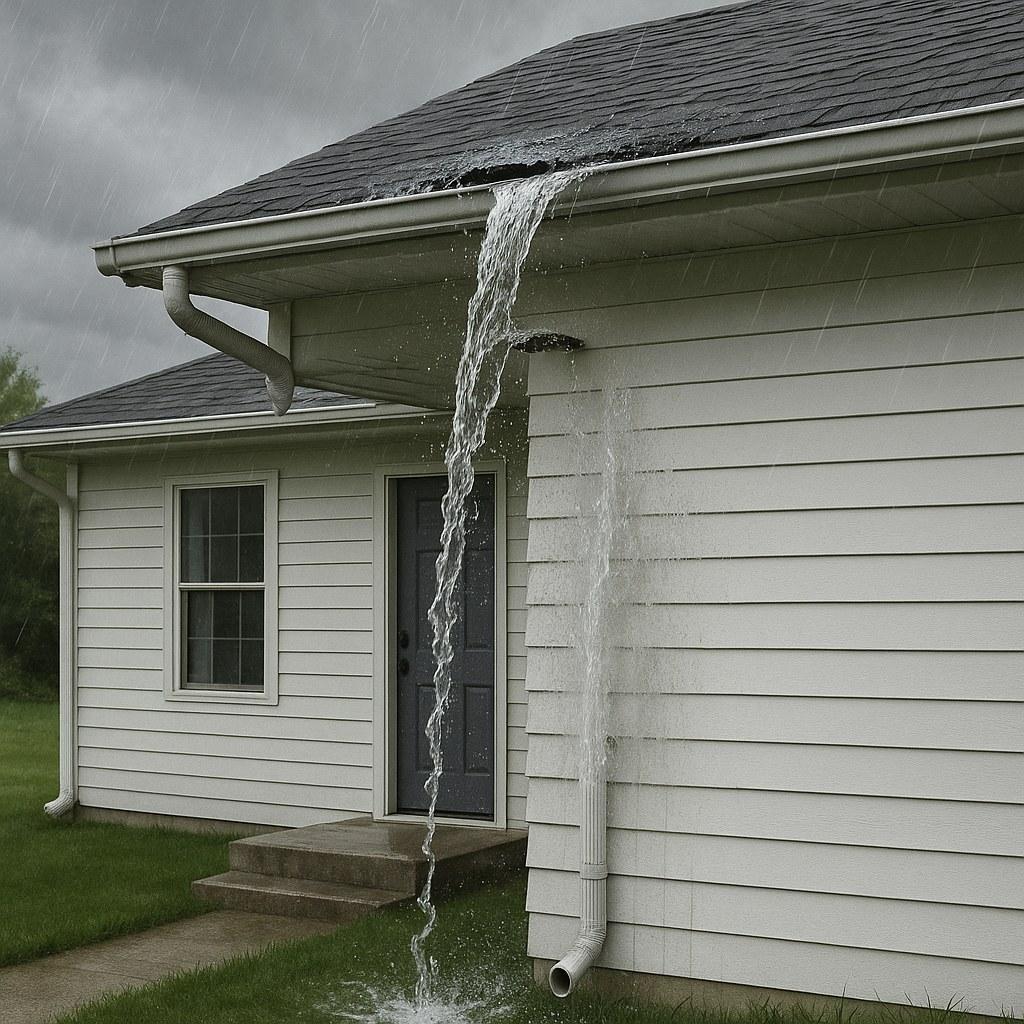
Water that isn't draining properly can damage your roof, rot your fascia boards, stain your siding, and even compromise your home's foundation. In colder climates, it creates destructive ice dams in the winter. Plus, those little pools of water are a perfect breeding ground for mosquitoes and other pests.
The good news? You can often fix this problem yourself with a bit of investigation and some basic tools. We're here to walk you through it, step by step, just like we would over the phone. Let's get those gutters draining properly and protect your home.

Why Is Water Pooling in My Gutters? Common Causes
Before you climb up a ladder, it helps to understand what you're looking for. Standing water in gutters almost always comes down to one of four main issues.
-
Debris and Clogs: This is the number one cause. Over time, leaves, twigs, pine needles, and shingle grit wash into your gutters and create a dam. This sludge prevents water from reaching the downspout, causing it to back up and pool.
-
Downspout Blockages: Sometimes the main run of the gutter is perfectly clear, but the clog is hiding where you can't see it—jammed inside the downspout. A blockage here acts like a cork in a bottle, preventing any water from escaping.
-
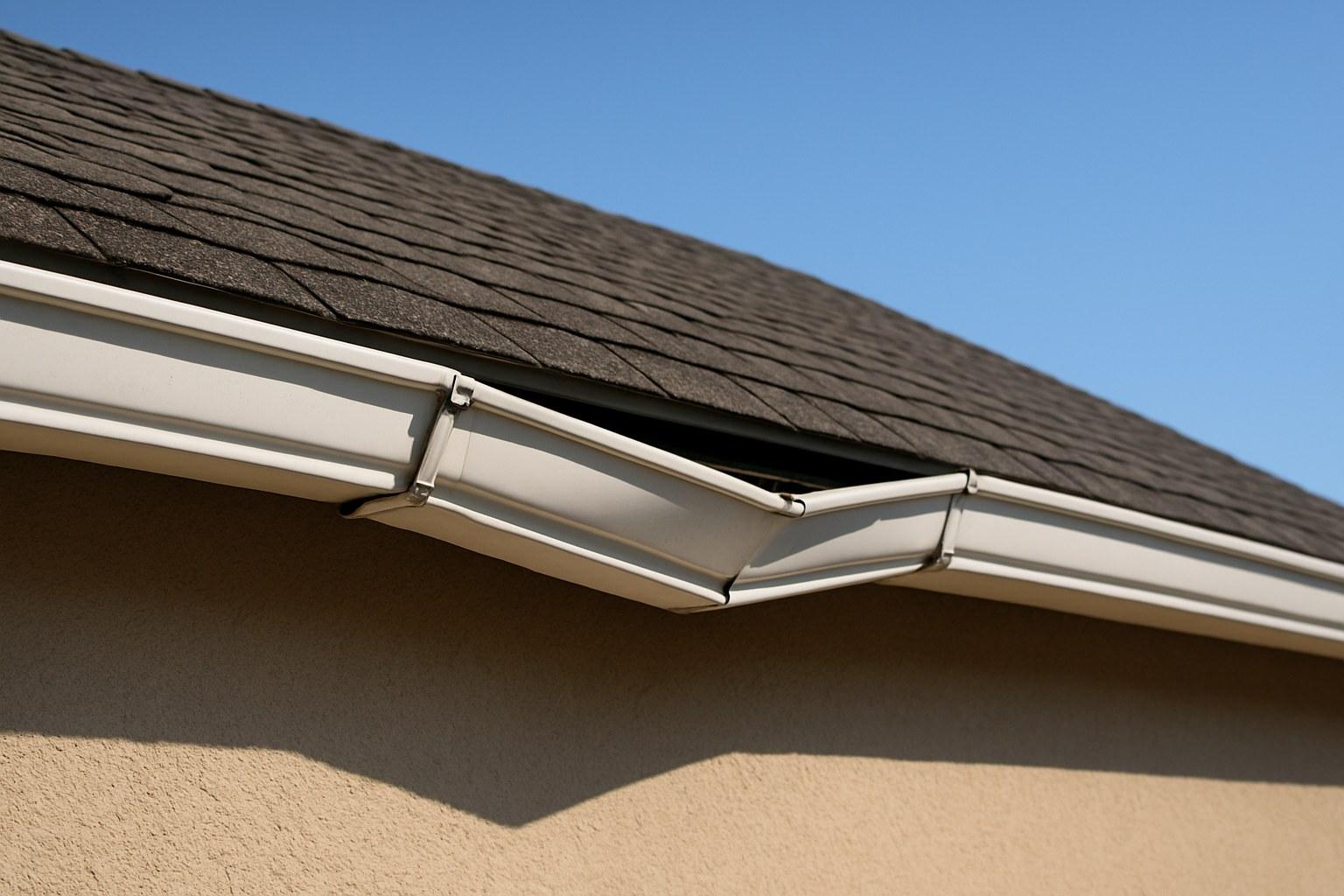
Sagging Gutters: Gutters can start to sag in the middle due to the weight of debris or because the hangers that attach them to the house have come loose. Water naturally collects in these low spots, unable to flow uphill toward the downspout.
-
Improper Slope (Pitch): Gutters aren't installed perfectly level. They need a subtle downward slope to guide water toward the downspout using gravity. The ideal pitch is about a 1/4-inch drop for every 10 feet of gutter. If your gutters are too level, or worse, slope away from the downspout, the water has nowhere to go.
Now that you know the likely culprits, let's grab a ladder and get to work on the fix.
Step-by-Step Guide to Fixing Standing Water in Gutters
Follow these steps in order. More often than not, the solution is in the first one or two steps.
Step 1: Safety First & Your Initial Inspection
Working on a ladder requires your full attention. Never attempt gutter work in wet or windy conditions.
- Get a Sturdy Ladder: Place an extension ladder on firm, level ground. Ensure it’s angled correctly—for every four feet of height, the base should be one foot away from the house.
- Safety Gear: Put on a pair of thick work gloves to protect your hands from sharp metal edges and grimy debris.
- Inspect from the Ladder: Climb carefully, always maintaining three points of contact (two feet and one hand, or two hands and one foot). Once you can see inside the gutter, perform a visual check:
- Is it full of debris? If you see a thick layer of leaves and gunk, you’ve likely found your problem.
- Is the downspout opening clear? Look at where the gutter connects to the downspout. Is it covered by a clump of leaves?
- Can you spot a sag? Look down the length of the gutter. Does it dip or bow in the middle? A long level can help you confirm this.
Step 2: Clear Out All Gutter Debris
If your inspection revealed gutters more than half-filled with debris, cleaning is your next move. This solves the problem for the vast majority of homeowners.
- Set Up: Place a tarp on the ground below your work area to catch the debris and make cleanup easier. Position your ladder at one end of the gutter.
- Scoop it Out: Using a gutter scoop or garden trowel, remove all the large debris. Work in small sections, scooping the gunk into a bucket to avoid making a mess on the ground.
- Work Your Way Down: Move the ladder along the gutter run, repeating the process until the entire length is clear of solids.
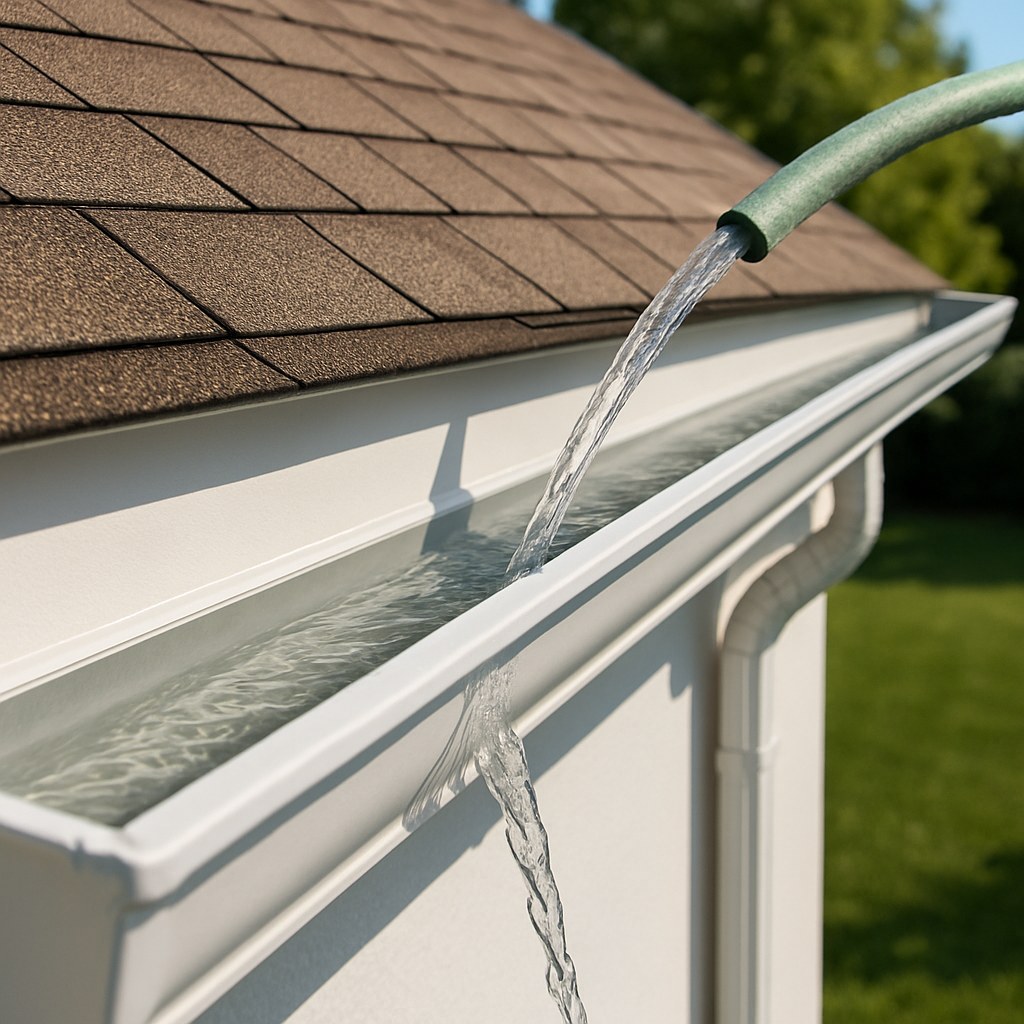
- Flush and Test: Once the large debris is gone, take a garden hose with a spray nozzle up the ladder. Starting at the end farthest from the downspout, flush the gutter with water. This will wash away any remaining sediment and, more importantly, show you how the water is flowing.
If the water runs smoothly and drains quickly through the downspout, congratulations! You've fixed the issue. If the water still pools or backs up near the downspout opening, it's time to check for a clog.

Step 3: Clear a Stubborn Downspout Blockage
If water is backing up at the downspout opening, you have a clog.
- Flush from the Top: Try to dislodge the clog with direct water pressure. Position your hose directly over the downspout opening and turn it on at full blast. Sometimes, the force of the water is enough to push the clog through.
- Use a Drain Auger: If the hose doesn't work, a plumber's snake (or drain auger) is your best tool. If you can, disconnect the downspout elbow at the bottom for easier access. Feed the auger up from the bottom of the downspout until you hit the blockage. Rotate the handle to break up the clog.
- Flush Again: After using the auger, flush the downspout from the top with your hose one more time to clear out any remaining debris. If water flows freely out the bottom, you’re all set.
Step 4: Fix a Sagging Gutter
If your gutters are clean but a puddle remains in one specific spot, you're dealing with a sag. This happens when gutter hangers become loose.
- Identify the Sag: The pool of water is your indicator. The center of the sag will be at the deepest point of the puddle.
- Check the Hangers: Locate the gutter hangers in the sagging section. Are the screws loose or have they pulled out from the fascia board?
- Re-secure or Replace: Often, you can simply lift the sagging section of the gutter back into position and drive a new, longer screw through the existing hanger for a more secure hold. If a hanger is broken, you'll need to replace it. You can find new hidden hangers at any home improvement store. Simply slide one under the front lip of the gutter, lift the gutter to the correct height, and screw the back of the hanger into the fascia board. Add new hangers every 2-3 feet for proper support.
Step 5: Adjust the Gutter Slope (The Advanced Fix)
If your gutters are clean, the downspouts are clear, and there are no sags, the final culprit is an improper slope. Adjusting the pitch is the most complex fix, but it's manageable if you're patient.
- Check the Slope: Place a 4-foot level inside the gutter at the end farthest from the downspout. The bubble should show a slight tilt toward the downspout. If it's level or tilted the wrong way, an adjustment is needed.
- Start High: Go to the high end of the gutter run (farthest from the downspout). Unscrew the first few hangers.
- Set the Pitch: Raise or lower this end of the gutter until your level shows the proper slight downward slope. Re-secure the hangers at this new height.
- Work Your Way Down: Move down the gutter, loosening, adjusting, and re-tightening each hanger to maintain that gentle, continuous slope toward the downspout. You may need to use a chalk line to snap a reference line for the new position.
- Test Your Work: Once everything is re-secured, flush the entire gutter with a hose to confirm that water now flows perfectly to the downspout with no pooling.
When It’s Time to Call a Professional
While many gutter issues are DIY-friendly, some situations are best left to the pros. According to HomeAdvisor, professional gutter repair can range from $200 to $600, a worthy investment to prevent thousands in water damage. Consider calling for help if:
- You’re not comfortable or safe working on a ladder.
- You've tried all the steps above and the water still isn't draining.
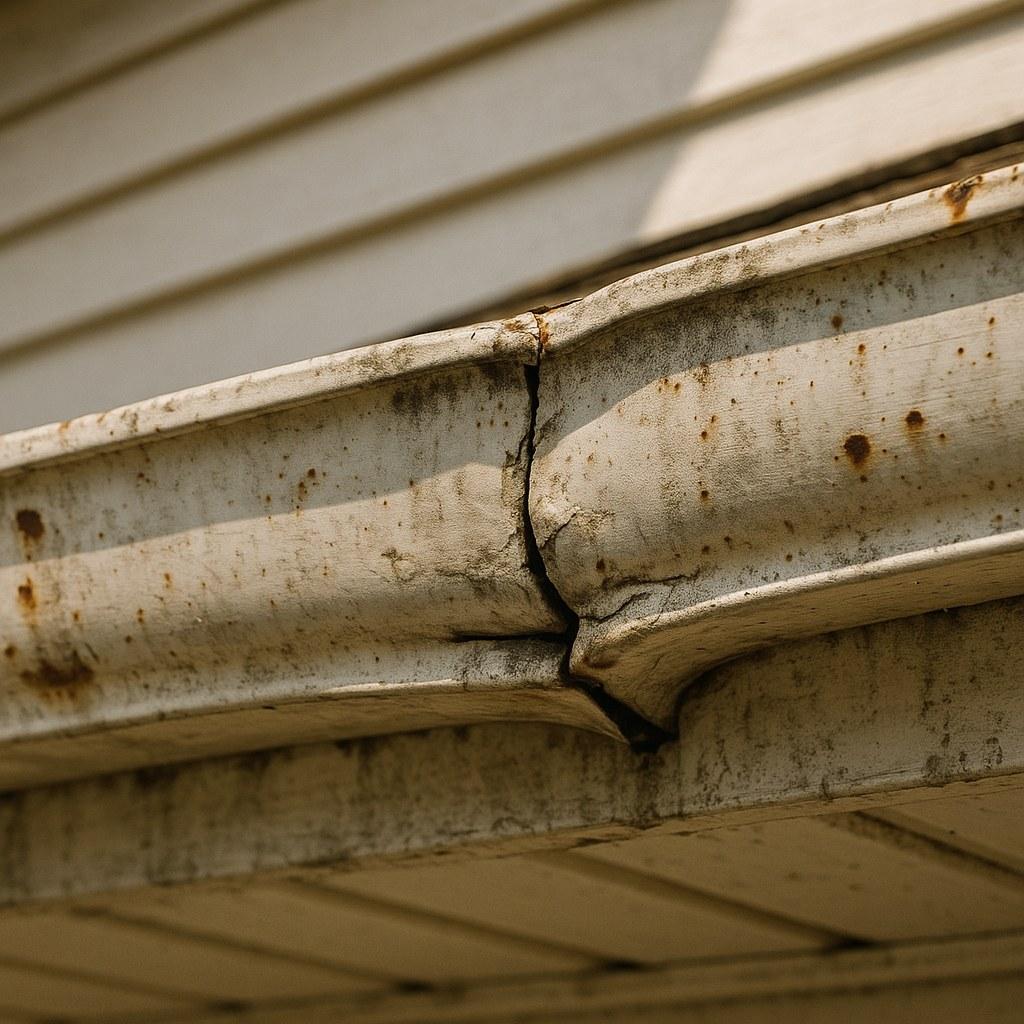
- Your gutters are bent, cracked, or pulling away from the house.
- Adjusting the slope seems too complex or requires moving many hangers.
A professional can quickly diagnose hidden issues and ensure your entire gutter system is secure and functioning correctly.
Final Thoughts: Protect Your Home with Proactive Maintenance
Fixing standing water in your gutters is a crucial piece of home maintenance. By following this guide, you can tackle the most common causes and keep water flowing where it should—away from your home.
Want to make home maintenance even easier? The Casa app provides step-by-step guides for hundreds of home repairs, sends you personalized reminders for important tasks like cleaning your gutters, and connects you with vetted, local professionals when you need a helping hand.
Download the Casa app today and take the guesswork out of maintaining your home.