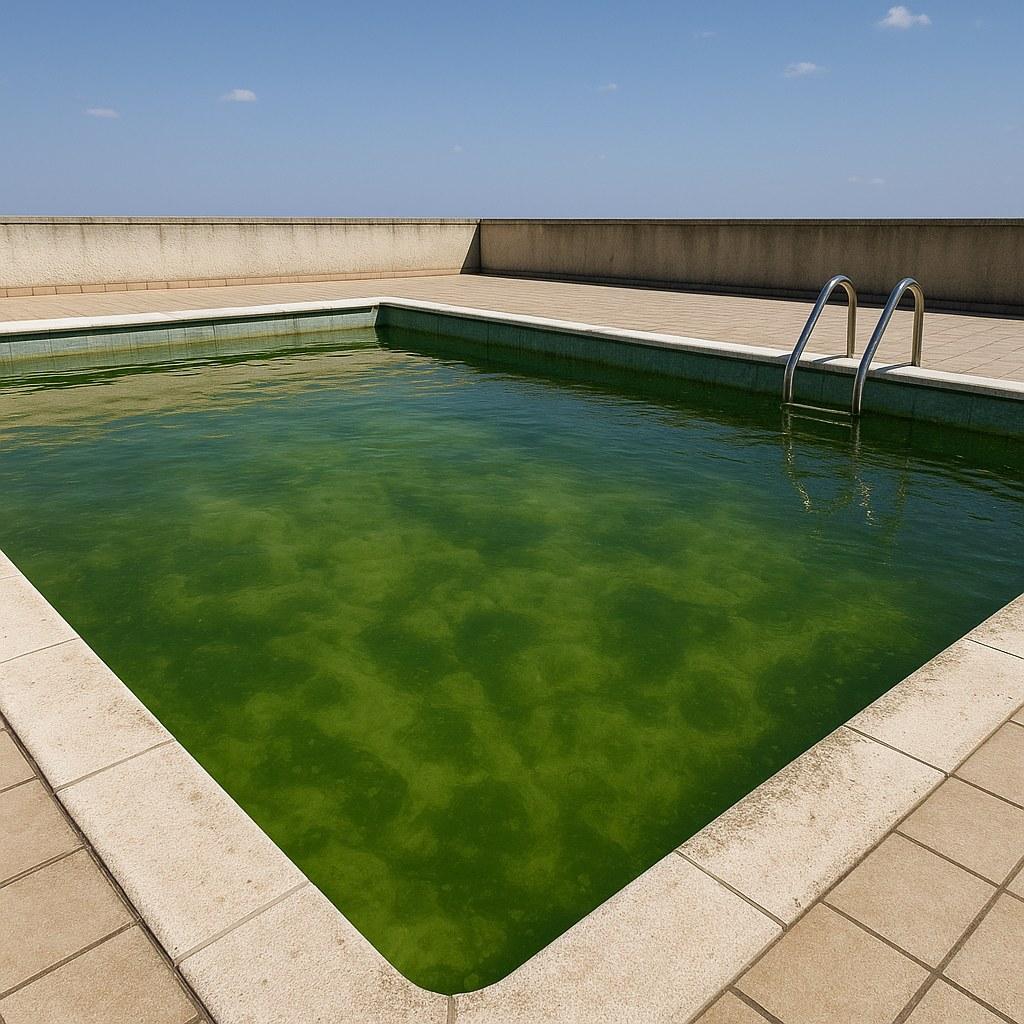
The good news is that you can absolutely reclaim your crystal-clear water. With the right approach and a little bit of elbow grease, you can send that algae packing. Think of me as your friendly expert on the line, ready to walk you through every step of the process.
In this guide, we'll cover how to diagnose the severity of your algae problem, provide detailed instructions for treating both pools and spas, and share our top tips for preventing it from coming back. Let's get that water sparkling again!
Why Do I Have Algae in My Pool or Spa Anyway?
Before we dive into the fix, it helps to understand what causes algae to show up in the first place. Algae are microscopic plant-like organisms that thrive in water, especially when conditions are just right. The main culprits behind a bloom are typically:
- Low Sanitizer Levels: Chlorine (or another sanitizer) is the first line of defense against algae. When levels drop too low, algae can multiply rapidly.
- Poor Water Chemistry: An imbalanced pH or low alkalinity can make your sanitizer less effective, creating a perfect environment for algae growth.
- Inadequate Filtration and Circulation: If your pump isn't running long enough each day, or your filter is dirty, stagnant water becomes a breeding ground for algae.
- Warm Weather and Sunlight: Algae love sunshine and warm temperatures, which is why blooms are more common in the summer months.
- Contaminants: Phosphates and nitrates, introduced by things like leaves, dirt, fertilizer runoff, or even swimmers, act as food for algae.
According to pool care experts, an imbalance in water chemistry is the single most common cause of algae growth. Now that you know the enemy, let's prepare for battle.
Step 1: Initial Assessment and Preparation
First things first, let's get our gear together and take a snapshot of your water's health. This initial prep work is crucial for an effective treatment.
- Safety First: Put on a pair of disposable gloves and safety glasses. You'll be handling chemicals, so it's always best to protect yourself.
- Power Down: Turn off your pool or spa pump, heater, and any water features like waterfalls or fountains. We want the water to be still for the next steps.
- Remove Covers and Debris: Take off your pool or spa cover and set it aside. Use a skimmer net to remove any large floating debris like leaves, twigs, or bugs. This will allow your chemicals to focus on fighting the algae, not breaking down leaves.
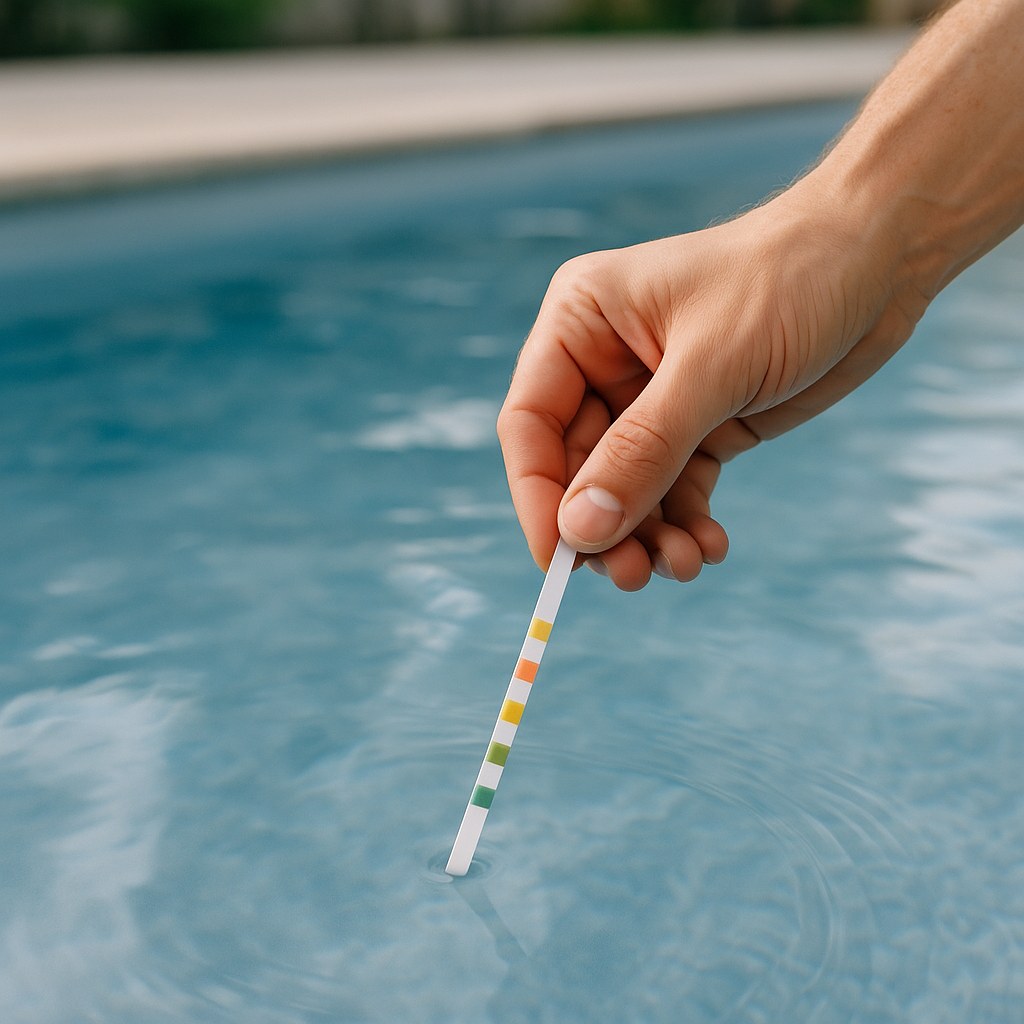
- Test Your Water: This is the most important step! Grab your pool or spa test strips. Dip one about 18 inches (or elbow-deep) into the water, away from any jets or skimmers. Read the results for pH, sanitizer (chlorine/bromine), and total alkalinity.
- Write It Down: Jot down these readings. This baseline tells you exactly what needs to be adjusted. You can't effectively treat algae without knowing your water's starting point.
With your readings in hand, it's time to figure out just how serious this algae problem is.
Step 2: Assess the Algae Thickness (The Credit Card Test)
Is this a minor green haze or a full-blown swamp? The thickness of the algae will determine our plan of attack. We’ll use a simple but effective method: the credit card test.
- For a Pool: Take your pool brush and gently push the floating algae or the growth on the wall to one side, bunching it up.
- For a Spa: Use a smaller spa brush to do the same, moving the algae toward one side of the spa shell.
Now, look at the bunched-up layer of algae. Is it thicker than the edge of a credit card (about 1/8 inch)?
- If NO, you're dealing with a light algae bloom. We can tackle this with a chemical treatment while the water is still in the pool or spa.
- If YES, you have a heavy algae infestation. This will require a more aggressive approach. For a spa, this usually means draining it completely.
Step 3: How to Treat Pool Algae
Based on the credit card test, choose the appropriate treatment plan for your pool below.
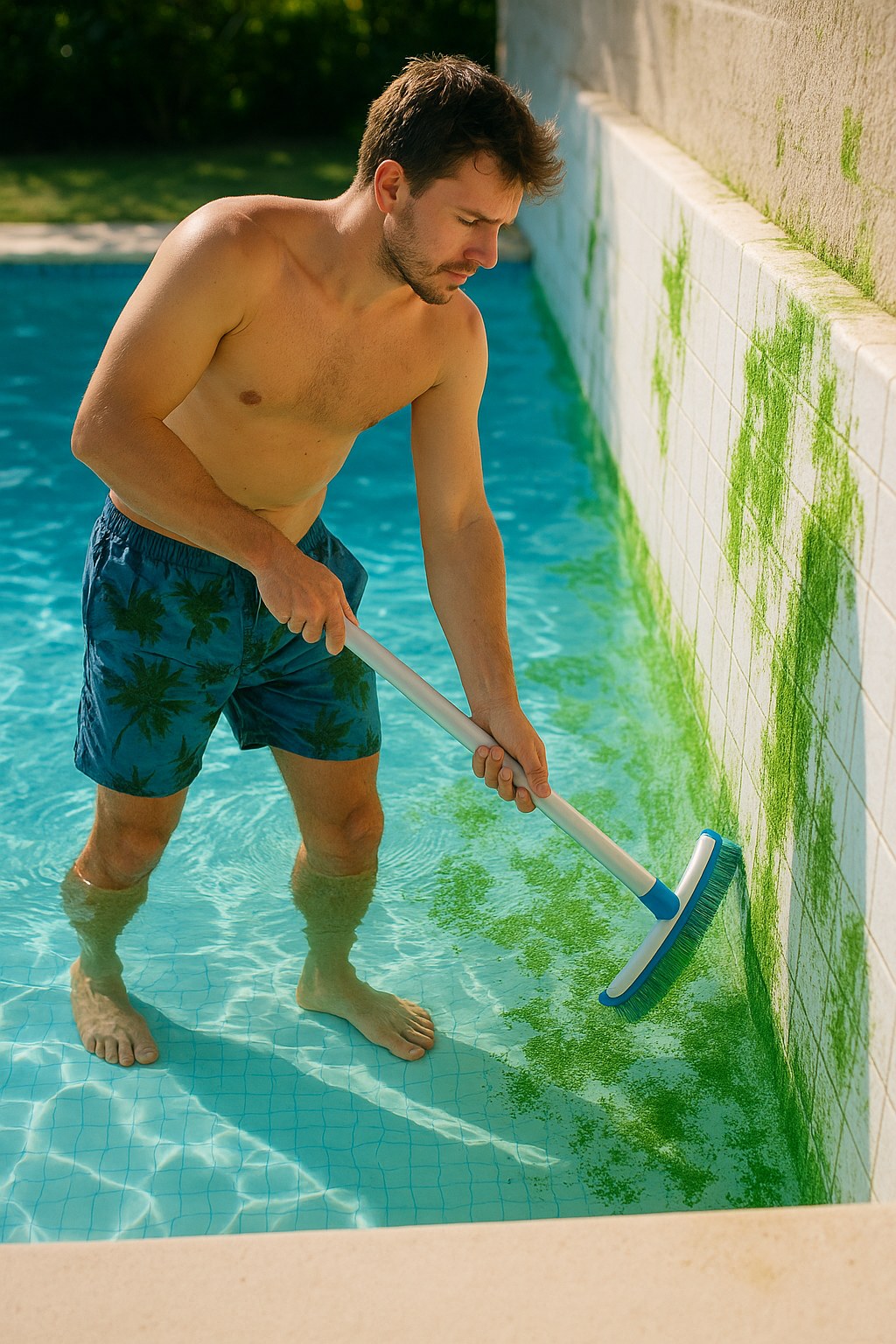
Treating a Light Algae Bloom in Your Pool
This is a straightforward chemical treatment that should clear your water within about 24 hours.
- Run the Pump: Set your pool pump to run continuously for the next 24 hours. Circulation is key to distributing the chemicals and filtering out the dead algae.
- Brush Vigorously: Brush the entire pool—walls, floor, steps, and corners—toward the main drain. This breaks up the algae's protective layer and lifts it into the water so the chemicals can work their magic.
- Shock the Pool: Add a single dose of chlorine shock (calcium hypochlorite) according to the package instructions for your pool's volume. Broadcast it evenly across the pool surface. If you have a saltwater pool, use the "boost" or "super-chlorinate" function for 12 hours.
- Add Algaecide: Wait about 15-20 minutes after shocking, then slowly pour the recommended dose of a good quality algaecide around the pool's edge.
- Clean the Filter: After about 12 hours, the shock and algaecide will have killed a lot of the algae. Clean your filter to remove it. For a cartridge filter, hose it off. For a sand or D.E. filter, perform a backwash.
- Retest and Balance: After 24 hours, test your water again. Your chlorine will likely be high, which is normal. The main goal now is to balance your pH to be between 7.2 and 7.6.
Your water should be looking much clearer! If not, you may need a second treatment or have to move to the heavy treatment plan.
Tackling a Heavy Algae Infestation in Your Pool
A heavy bloom requires a "shock and awe" campaign. This process can take up to 48 hours to fully clear.
- Clean the Filter First: Before adding any chemicals, clean your filter thoroughly. Backwash your sand or D.E. filter, or do a deep clean on your cartridge filter. A clean filter is essential for removing the large volume of dead algae to come.
- Run the Pump: Just like with a light treatment, switch your pump to run continuously.
- Balance Your pH: Adjust your pH to be between 7.2 and 7.4. Shock is most effective in this range. If your pH is high (above 7.4), add a pH reducer.
- BRUSH, BRUSH, BRUSH: This is the most critical step for a heavy bloom. Vigorously brush the entire pool surface. Don't be gentle—you need to physically break down as much algae as possible.
- Double Shock the Pool: Now, it's time for the heavy artillery. Broadcast a double dose of chlorine shock evenly across the surface. For saltwater pools, run the boost/super-chlorinate function for a full 24 hours.
- Add Algaecide: Wait 30 minutes after shocking, then add a dose of algaecide around the perimeter of the pool.
- Wait and Clean Again: Let the pump run for 24 hours. The water will likely be cloudy blue or white as the chemicals kill the algae. After 24 hours, clean your filter again to remove the dead particles.
- Retest and Adjust: After another 24 hours (48 hours total), test your water. Adjust your pH and alkalinity as needed. The water should be significantly clearer.
Step 4: How to Treat Spa and Hot Tub Algae
Spas have a smaller volume of water, so the treatment approach is a bit different, especially for heavy blooms.
Clearing a Light Algae Problem in Your Spa
For a light green tint or a few slimy spots, you can treat the spa without draining it. This should take about 6 hours.
- Run the Jets: Turn on the pump and run the jets continuously to circulate the water.
- Brush the Shell: Use a spa brush to scrub all surfaces, breaking up any visible algae.
- Shock the Spa: Add a dose of non-chlorine or dichlor spa shock according to your spa's volume.
- Ventilate: Leave the spa cover off for at least 10-15 minutes to allow any gases to escape.
- Add Algaecide: Pour a measured amount of spa-specific algaecide into the water.
- Clean the Filter: After an hour, remove and thoroughly rinse your filter cartridge with a hose to get rid of the dead algae.
- Retest and Balance: After about 6 hours, test your water with spa test strips and adjust your sanitizer and pH levels back to their ideal ranges.
Heavy-Duty Algae Removal for Your Spa (Drain and Clean)
If your spa water is thick with algae, the fastest and most effective solution is to drain, clean, and start fresh.
- Drain the Spa: Turn off the power to the spa at the breaker. Open the drain valve and let all the water drain out.
- Scrub Down: Once empty, spray the interior with a spa surface cleaner. Use a non-abrasive brush or sponge to scrub every inch of the shell, including the jet nozzles and filter compartment.
- Rinse and Drain: Rinse the entire shell thoroughly with a hose, directing the dirty water toward the drain.
- Deep Clean the Filter: While the spa drains, soak your filter cartridge in a bucket with a chemical filter cleaner for at least 30 minutes. Afterward, rinse it completely until the water runs clear.
- Refill: Close the drain valve and reinstall the filter. Refill the spa with fresh water to the recommended level.
- Start Up and Sanitize: Turn the power back on. Add a startup dose of spa shock and run the jets for 30 minutes. Test the water and balance the pH to be between 7.2 and 7.8.
When to Call a Professional
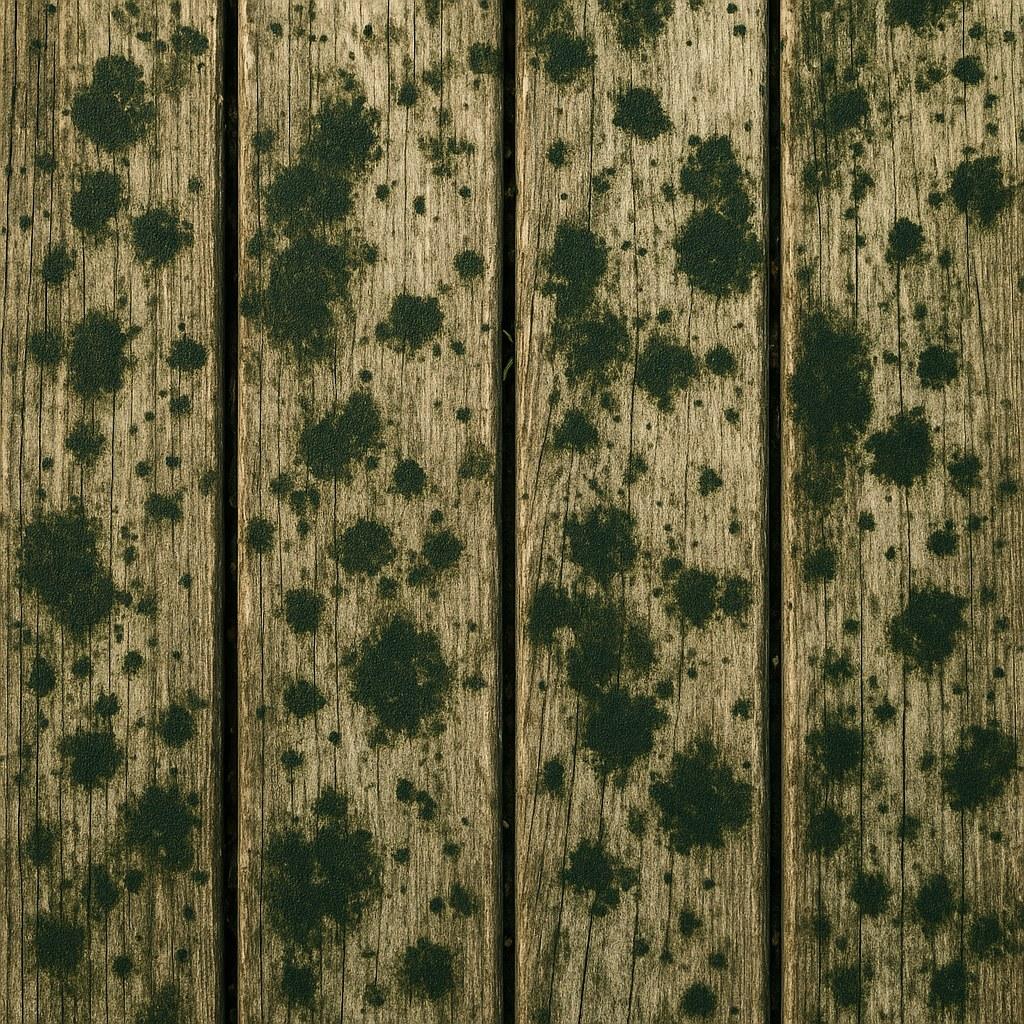
If you've followed these steps and the algae persists, or if you suspect you have stubborn black algae (which looks like small black spots stuck to the plaster), it might be time to call in a professional. A persistent bloom could signal a deeper issue, like a compromised filter or high phosphate levels that require special treatment.
Hiring a pool technician for algae removal can cost anywhere from $200 to over $500, depending on the severity. Tackling it yourself can save you significant money, but don't hesitate to call for backup if you're out of your depth.
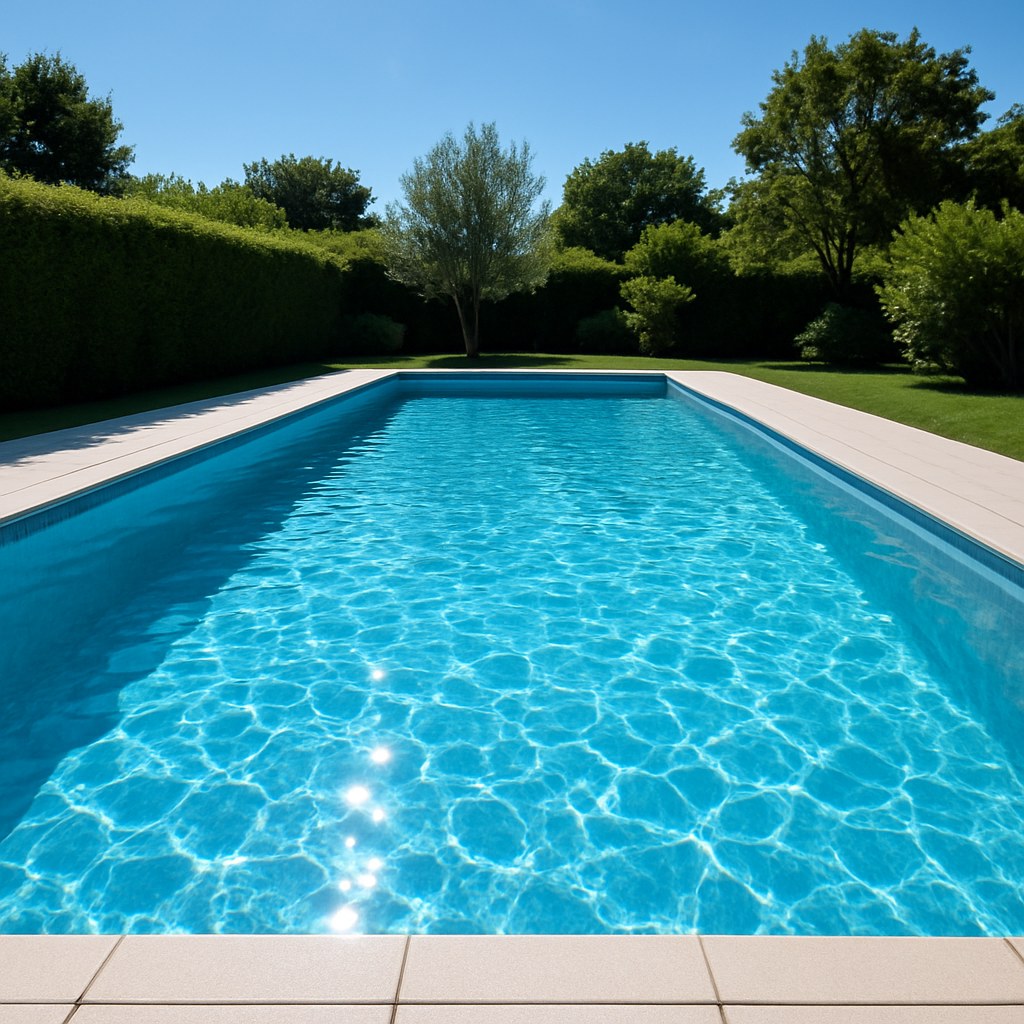
Your Algae-Free Future
Congratulations! Your water should be looking clear and inviting again. The key now is prevention. Maintain consistent sanitizer levels, run your pump daily, clean your filter regularly, and brush the walls weekly to keep algae from ever getting a foothold again.
For more expert home maintenance guides, customized reminders, and easy access to certified professionals for jobs big and small, download the Casa app today. Casa is your partner in homeownership, making it simple to manage and maintain your home—from the pool to the roof.