Feeling prepared can turn that uncertainty into confidence. Your goal isn’t to become an HVAC expert overnight. It’s simply to create a smooth, efficient visit where you can understand the problem, evaluate your options, and make a good decision for your home and budget.
This guide will walk you through what to expect and how to get ready.
Quick Visit Snapshot
- Typical Time: For a diagnostic or routine maintenance visit, plan for 1 to 2 hours. More complex repairs can take several hours, and a full system replacement is often a full-day job or longer.
- Typical Cost: Most companies charge a service call or diagnostic fee, often between $75 and $150, just to come out and identify the problem. If you approve the repair, this fee is usually applied to the total cost. Repairs themselves can range from a couple hundred dollars for a simple fix to several thousand for a major component replacement.
- Prep Highlights: The most helpful things you can do are to clear the area around your indoor and outdoor units, write down a few notes about the problem you’re experiencing, and check your air filter.
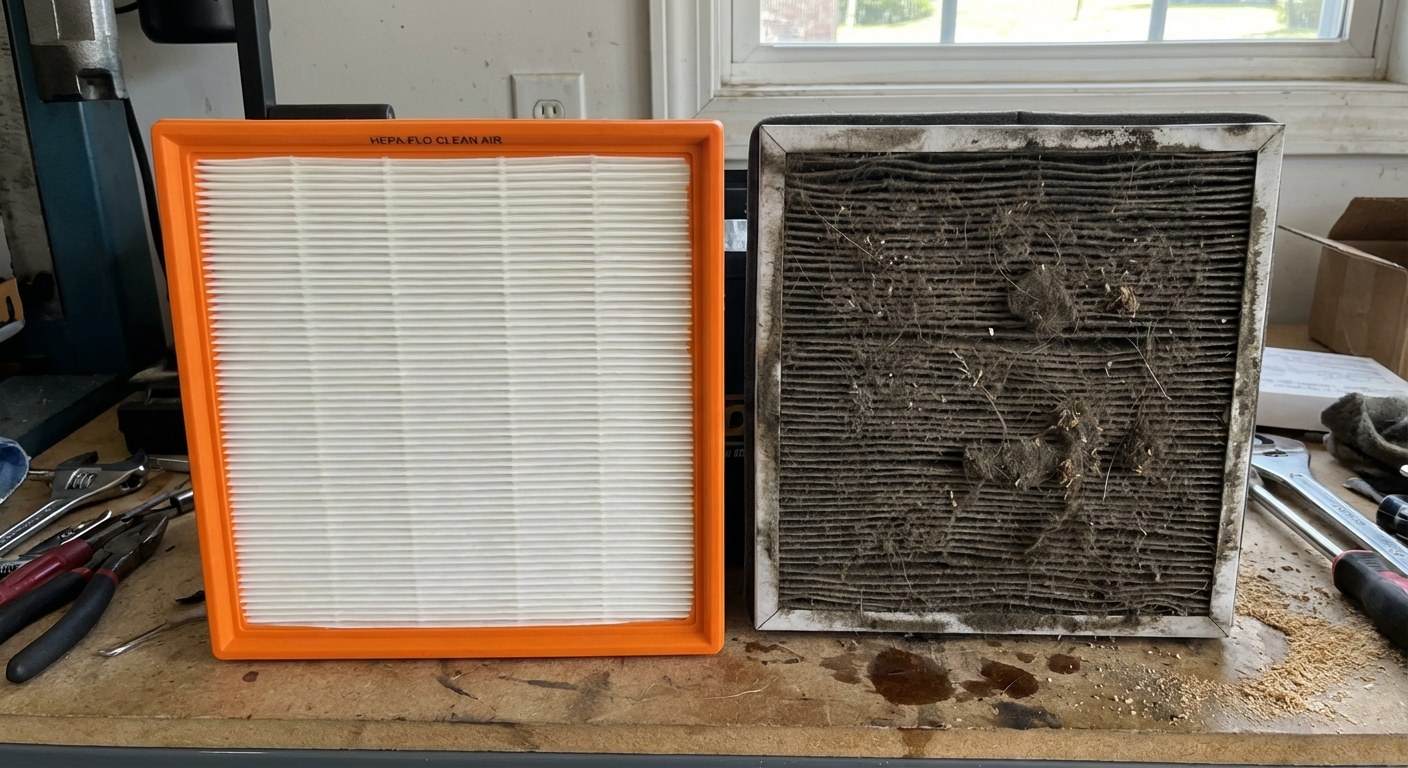 Image Alt: A side-by-side comparison of a clean white air filter and a dirty gray air filter.
What to Expect During the Visit
Knowing the typical flow of a service call can help you feel more at ease. While every situation is a little different, most visits follow a similar pattern.
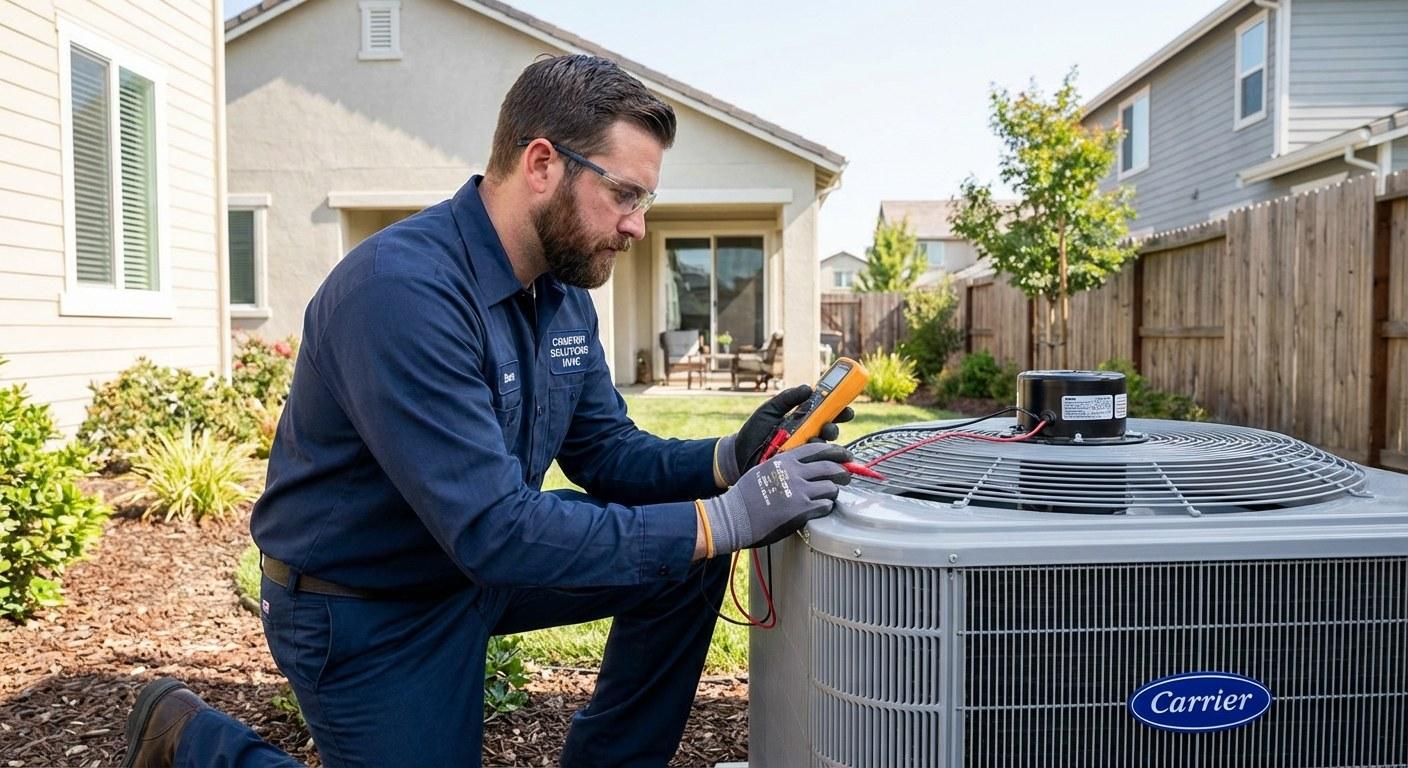
- Arrival and Discussion: The technician will arrive, introduce themselves, and ask you to describe the problem. This is your chance to share the notes you’ve prepared.
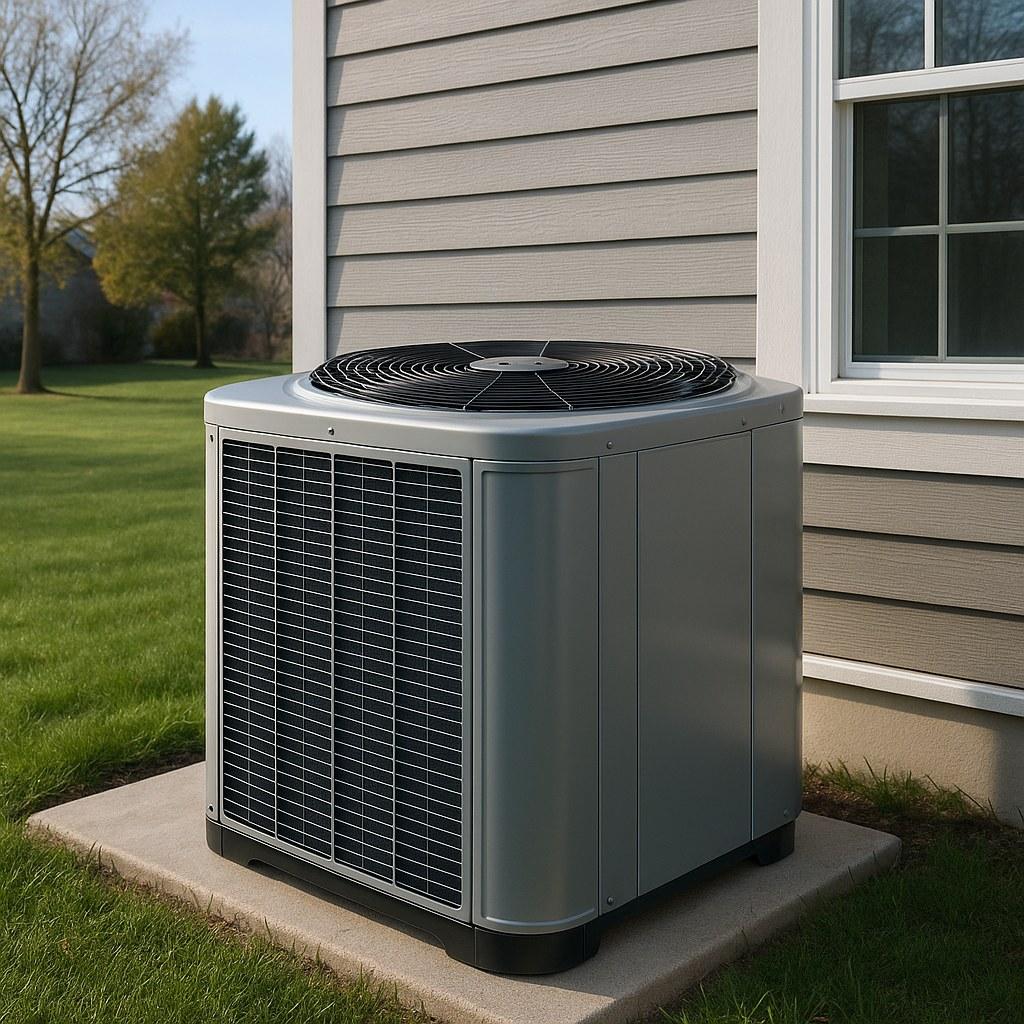
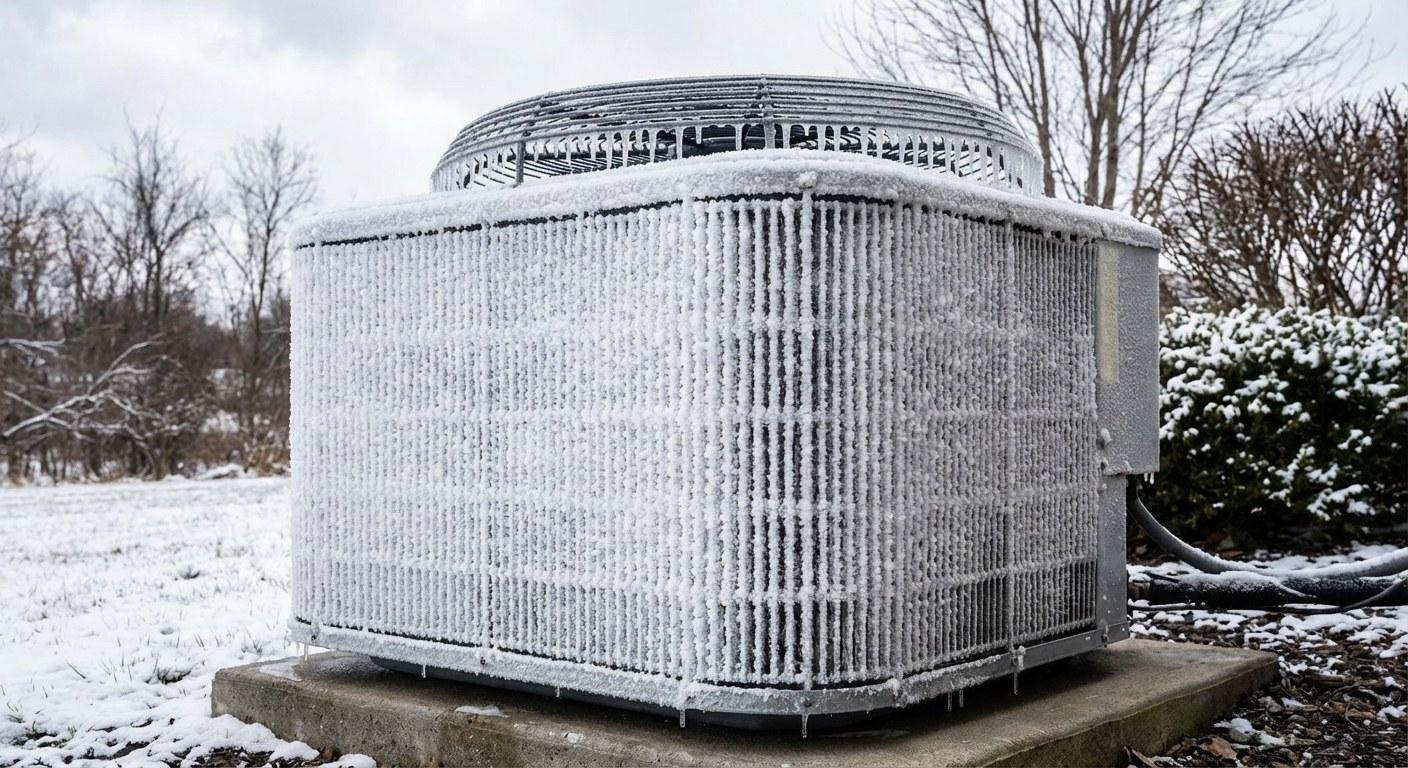
- System Inspection: They will perform a thorough inspection, which usually involves examining the thermostat, the indoor unit (the furnace or air handler, often in a basement, attic, or closet), and the outdoor unit (the air conditioner or heat pump).
- Diagnosis and Explanation: Once they identify the issue, the technician should explain the problem to you in clear, understandable terms. They should be able to show you the faulty part or explain the reading on their diagnostic tools.
- Quote and Approval: Before any work begins, you should receive a clear, itemized quote for the repair, including parts and labor. The technician will wait for your explicit approval before proceeding.
- The Repair: After you give the okay, they will perform the repair. They may need to retrieve a part from their vehicle or, for less common parts, order it from a supplier.
- Testing and Cleanup: Once the repair is complete, the technician will test the system to ensure it’s running correctly. They should also clean up any mess made during their work.
- Payment and Paperwork: You’ll receive a final invoice detailing the work performed and settle the payment.
How to Prepare for Their Arrival
A little preparation makes the technician’s job easier and the visit more effective.
Checklist for HVAC Visit Prep:
- [ ] Describe the Problem: Write down what’s happening.
- When did the issue start?
- Is it affecting heating, cooling, or both?
- Are there any unusual noises (grinding, rattling, squealing) or smells?
- Is the system running constantly, or is it not turning on at all?
- [ ] Check the Basics: Sometimes the fix is simple.
- Thermostat: Make sure it’s set to the correct mode (heat/cool/auto) and temperature. If it has batteries, check if they need replacing.
- Air Filter: A severely clogged filter can restrict airflow and cause the system to shut down. Check it and replace it if it’s dirty.
- Breakers: Check your home’s electrical panel to see if the breaker for the HVAC system has tripped.
- [ ] Clear the Work Area:
- Ensure there is a clear, safe path to your indoor unit. Move any boxes, furniture, or storage items that might be in the way.
- Clear the area around your outdoor unit. Trim back any shrubs, weeds, or grass within a two-foot radius and remove any toys, tools, or yard debris.
- [ ] Secure Pets and Children: For everyone’s safety, keep pets and small children in another part of the house during the visit.
- [ ] Find Your System Information: If you can, locate the model and serial numbers for your indoor and outdoor units. This can help the technician look up parts or warranty information more quickly. Keeping these details in a home management app like Casa makes them easy to find when you need them.
Smart Questions to Ask Your HVAC Technician
This is your home and your investment. You have a right to ask questions until you feel comfortable with the plan.
- "Can you please show me what you found and explain why it’s causing the problem?"
- "What are my options here? Is there more than one way to fix this?"
- "What is the total cost, including all parts, labor, and taxes?"
- "If I approve this repair, how long will the work take?"
- "Is the new part or the repair covered by a warranty?"
- "Is this a common issue for a system of this age?"
- "What can I do to help prevent this from happening again?"
Knowing Your Boundaries
Most HVAC professionals are honest and hardworking, but it helps to know what’s reasonable and when to pause.
- It’s reasonable for a technician to: Charge a diagnostic fee, provide a detailed written estimate before starting work, and explain the pros and cons of repairing versus replacing an aging system.
- It’s time to pause if you feel: Pressured to make an immediate decision with a "today only" price, if they refuse to provide a written quote, or if they recommend a very expensive repair without a clear explanation of why it’s necessary. If you feel uneasy, it is always acceptable to thank them for the diagnosis and say you'd like to get a second opinion.
Red Flags and Common Scams
Be cautious of a few known warning signs in the industry.
- The "Refrigerant Top-Off": Your HVAC system's refrigerant runs in a closed loop. If it's low, there is a leak. A technician who simply offers to "top it off" without performing a leak test and repair is not solving the root problem.
- Unsolicited Visits: Be wary of anyone who shows up at your door unannounced, claiming they were "in the neighborhood" and noticed an issue with your system. Always schedule service directly with a reputable company.
- Requiring Full Payment Upfront: A deposit for a large installation job is standard, but you should never pay the full amount before the work is completed to your satisfaction.
Ways to Save Money on HVAC Service
- Preventative Maintenance: The most effective way to save money is to avoid costly breakdowns. Schedule a professional tune-up for your air conditioner in the spring and your furnace in the fall.
- Get Multiple Quotes: For any major repair or a full system replacement, it’s wise to get at least two or three quotes from different companies.
- DIY the Small Stuff: Learning to change your own air filter every 1-3 months is the single best thing you can do for your system's health and efficiency.
Your home's heating and cooling system is complex, but managing a service visit doesn't have to be. By taking these simple steps, you can approach the situation with confidence, ensuring you get the service you need to keep your home comfortable and safe.
At Casa, we help you stay prepared for moments just like this. Use the Casa app to track your appliance models, log service history, and set reminders for maintenance like changing your air filter. When you’re organized, you can focus on the solution, not the stress.
Download the Casa app today to feel ready for whatever your home sends your way.