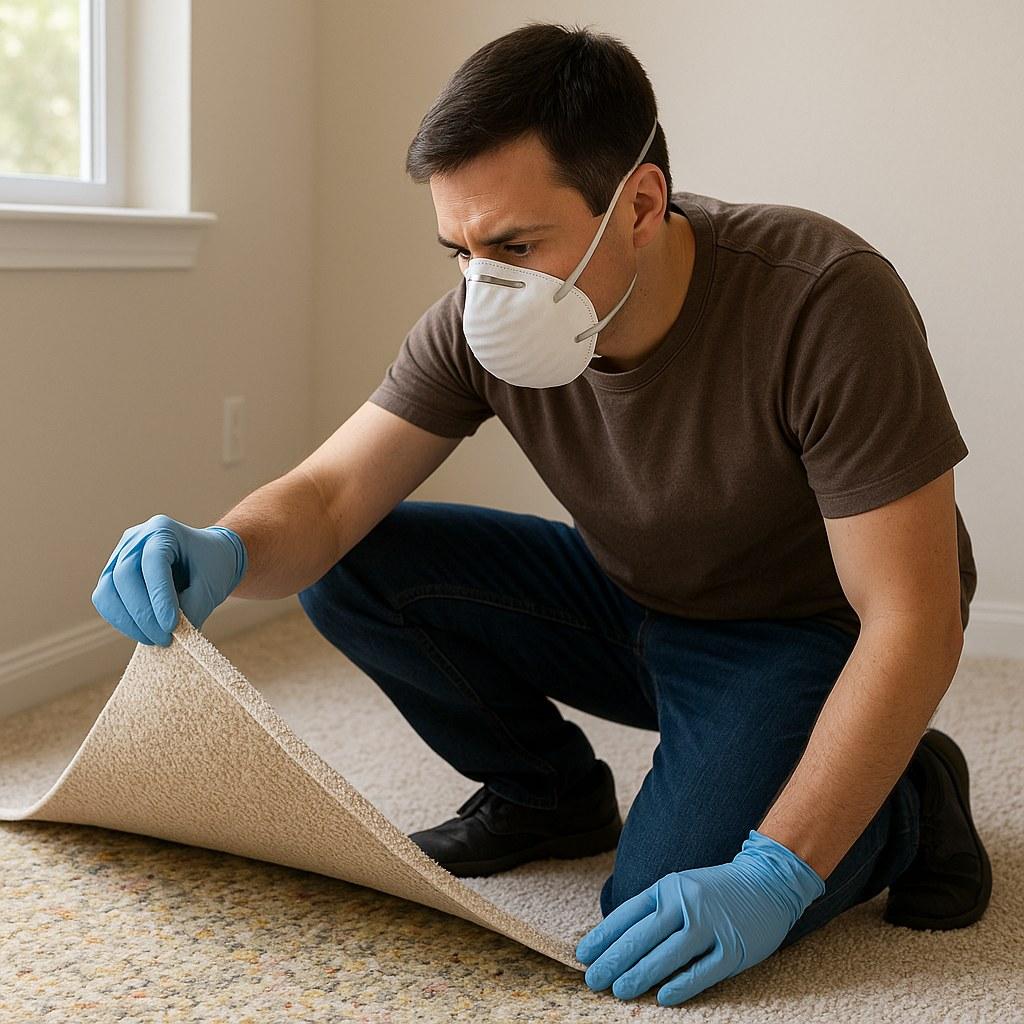
The secret isn't some magic, all-in-one cleaner. It’s about playing detective. The key to successfully removing a stain is to first understand two things: what your carpet is made of and what kind of stain you’re dealing with. From there, you can choose the perfect method to make that spot vanish.
In this guide, we’ll walk you through everything you need to know, just like a friendly expert on the phone. We'll help you identify your carpet fibers, diagnose the stain, and follow simple, effective steps to restore your carpet to its former glory.
The Golden Rules of Carpet Stain Removal
Before we dive into specific treatments, let’s cover the universal rules of engagement. Following these will dramatically increase your chances of success and prevent you from accidentally making things worse.
- Act Fast: The sooner you tackle a stain, the easier it is to remove. A fresh, damp stain hasn't had time to set deep into the carpet fibers and bond with them chemically.
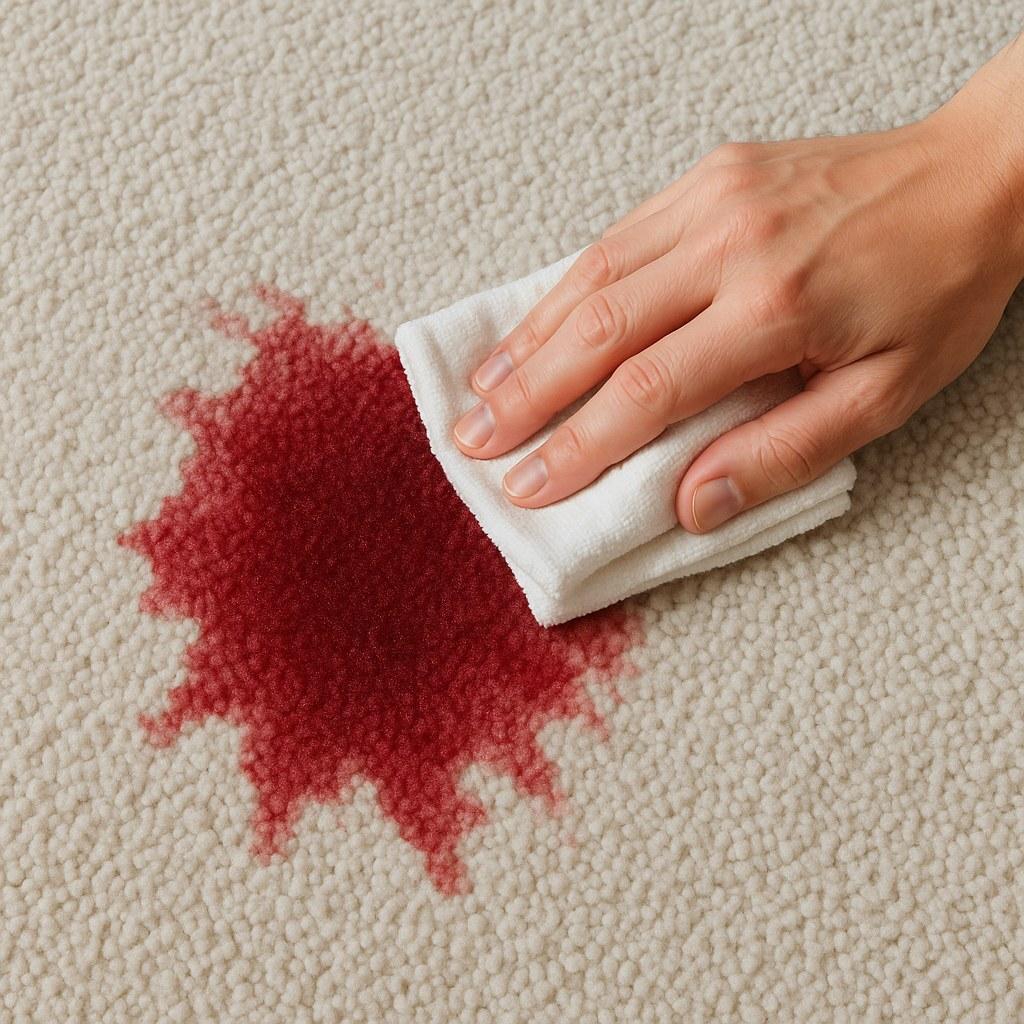
- Blot, Don't Rub: Your first instinct might be to scrub furiously at the stain. Resist! Rubbing and scrubbing can untwist carpet fibers, causing them to look fuzzy and worn. It also spreads the stain, making it larger. Always use a clean cloth to gently blot, absorbing the liquid from the outside of the stain toward the center.
- Test Your Cleaner: Before applying any cleaning solution to the stain itself, test it on an inconspicuous area of your carpet—like inside a closet or under a sofa. Apply a small amount, wait a few minutes, and blot with a white cloth to ensure it doesn't cause discoloration or damage.
- Work from the Outside In: When blotting and cleaning, always start at the outer edge of the stain and work your way toward the middle. This contains the stain and prevents it from spreading.
Step 1: Identify Your Carpet's Fiber
This is the single most important step. Natural fibers like wool are delicate and can be damaged by harsh chemicals or high heat, while synthetic fibers like polyester and nylon are much more resilient. Using the wrong treatment can permanently damage your carpet.
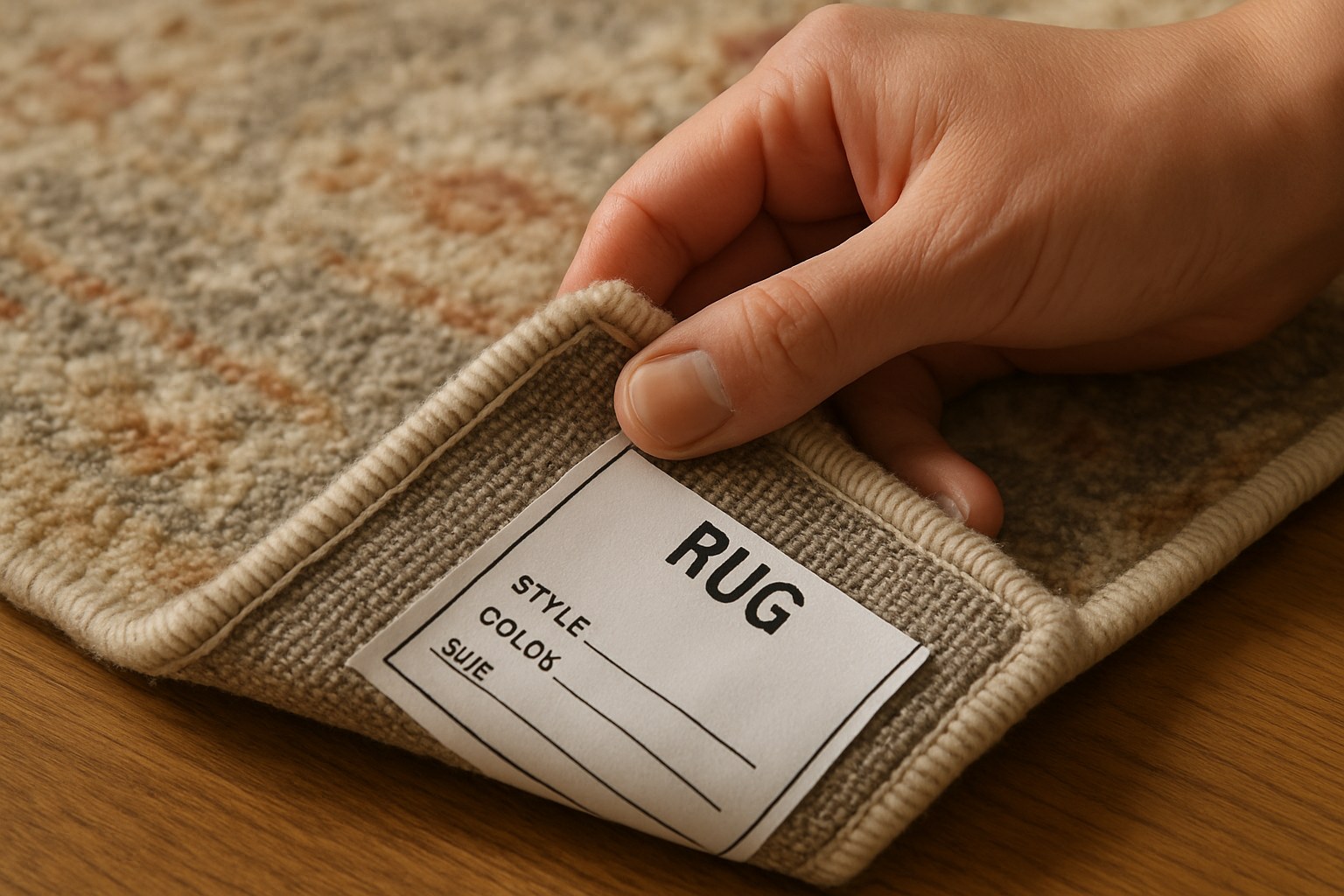
Here’s how to figure out what you’re working with:
- Check the Tag: If you have an area rug, or if your wall-to-wall carpet was recently installed, look for a manufacturer's tag on the underside. It will often list the material, such as “100% Wool,” “Nylon,” or “Polyester.”
- The Burn Test (Use with Extreme Caution): If there’s no tag, you can perform a burn test. Find a loose fiber in an unseen area or snip a tiny piece from a corner. Take it outside, hold it with tweezers over a fire-safe dish, and carefully bring a lighter to it.
- Synthetic fibers (Nylon, Polyester, Olefin) will melt and often form a hard, black bead. They may smell like burning plastic or chemicals.
- Natural fibers (Wool, Jute, Sisal) will char, not melt. Wool specifically smells like burning hair and will turn to a brittle ash.
Once you know your fiber type, you can proceed with confidence.
Step 2: Determine the Type of Stain
Stains generally fall into three categories. Identifying which one you have will dictate your cleaning method.
- Water-Based Stains: These are the most common and include things like mud, latex paint, milk, berries, and most food spills (like coffee or juice).
- Oil-Based Stains: These are greasy and include cooking oil, butter, makeup (lipstick, foundation), and motor grease.
- Dye or Ink-Based Stains: These are often the toughest and include wine, ink, hair dye, and artificial food coloring.
A simple touch test with a clean white cloth can help you figure it out. If the spot feels slick or greasy, it’s likely oil-based. If it feels damp, it’s water-based. If color immediately transfers to your cloth with a light touch, you're likely dealing with a dye.
How to Remove Stains on Natural Fiber Carpets (Wool, Jute)
Natural fibers are beautiful but require a gentle touch. Always use cool water and avoid aggressive scrubbing.
Treating Oil-Based Stains (Grease, Makeup)
- For Fresh Stains:
- Immediately sprinkle a generous layer of baking soda over the stain to absorb the oil.
- Let it sit for about 15 minutes.
- Vacuum up the powder with your vacuum's hose attachment.
- Mix one tablespoon of mild dish soap into one cup of warm water. Dampen a microfiber cloth with the solution.
- Gently blot the stain from the outside in.
- Use a dry section of the cloth to blot the area until it's nearly dry.
- For Set-In Stains:
- Place a clean microfiber cloth over the hardened stain.
- Press a clothes iron on a warm (never hot) wool setting onto the cloth for about 10 seconds. The heat will soften the oil, transferring it to the cloth. Repeat with clean sections of the cloth.
- Next, dampen a new cloth with a wool-safe dry-cleaning solvent and gently blot the remaining stain.
- "Rinse" the area by blotting with a cloth dipped in cool water, then blot dry with a towel.
Treating Dye or Ink Stains (Wine, Ink)
- For Fresh Stains:
- Blot immediately with a dry white cloth to absorb as much of the liquid as possible.
- Mix equal parts white vinegar and cool water.
- Dampen a clean cloth in the solution and dab the stain. Don't oversaturate the carpet.
- Blot with a dry cloth. Repeat this process a few times. If the stain persists, it's best to call a professional, as further treatment can damage wool fibers.
- For Set-In Stains:
- Lightly mist the stain with cool water.
- Apply a thin layer of a wool-safe, oxygen-based bleach powder.
- Cover the area with a damp white cloth and let it sit for 30 minutes.
- Remove the cloth and gently blot the area with another cloth dampened with cool water to rinse. Blot dry.
Treating Water-Based Stains (Coffee, Mud)
- For Fresh Stains:
- Blot with a dry microfiber cloth to remove excess moisture.
- Mix one teaspoon of dish soap in a cup of cool water.
- Dampen a cloth with the solution and blot the stain from the edges inward.
- Rinse by blotting with a water-dampened cloth, then blot dry with a towel.
- For Set-In Stains:
- Lightly spray the stain with a mix of one part white vinegar to two parts cool water.
- Lay a damp microfiber cloth over the spot and place a heavy object on top for 15 minutes.
- Remove the object and blot the area dry.
How to Remove Stains on Synthetic Fiber Carpets (Nylon, Polyester)
Synthetic carpets are workhorses and can handle more robust cleaning methods.

Treating Oil-Based Stains (Grease, Makeup)
- For Fresh Stains:
- Sprinkle with baking soda, wait 15 minutes, and vacuum it up.
- Apply a few drops of dish soap directly to the remaining stain.
- Add a splash of warm water and gently agitate the area with a soft-bristle brush to create a lather.
- Blot with a dry microfiber cloth to lift the soap and stain.
- For Set-In Stains:
- Apply a small amount of dry-cleaning solvent to a clean cloth.
- Blot the stain from the outside in, rotating the cloth as it picks up the grease.
- Rinse by blotting with a cloth dampened with warm water, then blot dry.
Treating Dye or Ink Stains (Wine, Ink)
- For Fresh Stains:
- After blotting up the excess, dampen a microfiber cloth with rubbing alcohol.
- Lightly dab the stain. You should see the ink or dye transfer to the cloth. Use clean sections of the cloth to avoid reapplying the stain.
- Repeat until the stain is gone, then blot with a water-dampened cloth to rinse.
- For Set-In Stains:
- First, test for colorfastness in a hidden spot! Mix one part 3% hydrogen peroxide with two parts cool water.
- If the test spot is fine, apply the solution to the stain with a cloth.
- Let it sit for about 10 minutes.
- Blot with a dry cloth, then rinse by blotting with a cool, damp cloth.
Treating Water-Based Stains (Coffee, Mud)
- For Fresh Stains:
- This method is simple: blot up the excess liquid.
- Mix a teaspoon of dish soap in a cup of warm water.
- Use a cloth to apply the solution, blotting gently.
- Rinse by blotting with a cloth dipped in plain warm water and then blot dry.
- For Set-In Stains:
- Lightly spray the stain with a 1:1 mixture of white vinegar and warm water.
- Cover the stain with a damp microfiber cloth.
- Press a warm (not hot) clothes iron onto the cloth for about 10 seconds. The stain should lift into the cloth. Repeat a few times with a clean section of the cloth.
- Rinse by blotting with a damp cloth, then blot dry.
When a DIY Fix Isn't Enough: Calling a Professional
Sometimes, despite your best efforts, a stain just won't budge. This is especially true for old dye stains or large spills that have soaked into the carpet padding. If you've tried the appropriate method and the stain remains, it's time to call in a professional flooring specialist. Pushing a DIY fix too far can lead to permanent damage.
According to Forbes Home, professional carpet cleaning costs an average of $50 to $75 per room, a worthwhile investment to save an expensive carpet.
Keep Your Carpets Looking New
Carpet stains are a part of life, but they don't have to be a permanent fixture in your home. By correctly identifying your carpet and the stain, you can tackle most spills like a pro.
For more expert home maintenance guides, troubleshooting tips, and easy access to trusted local professionals for those jobs you can't handle alone, download the Casa app today. We're here to help you manage and maintain your home with confidence.


 BACK
BACK