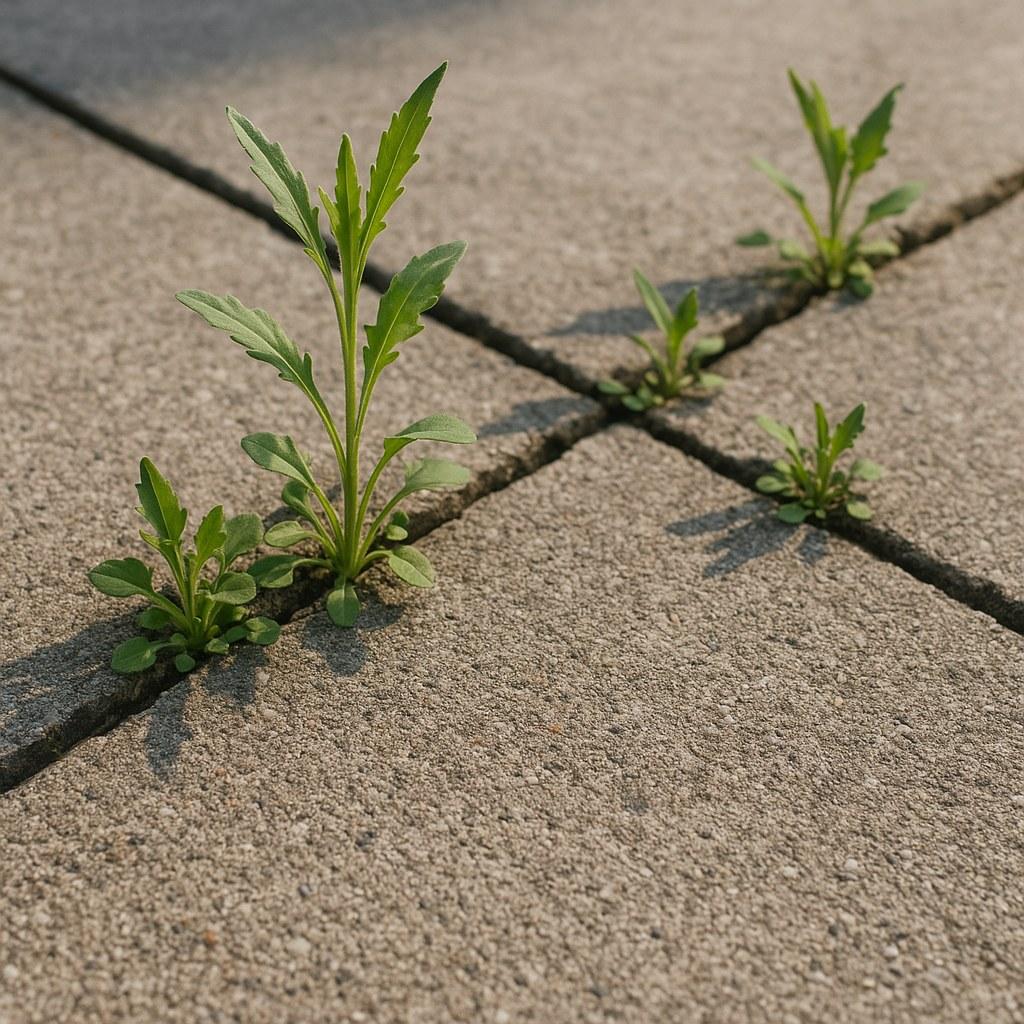
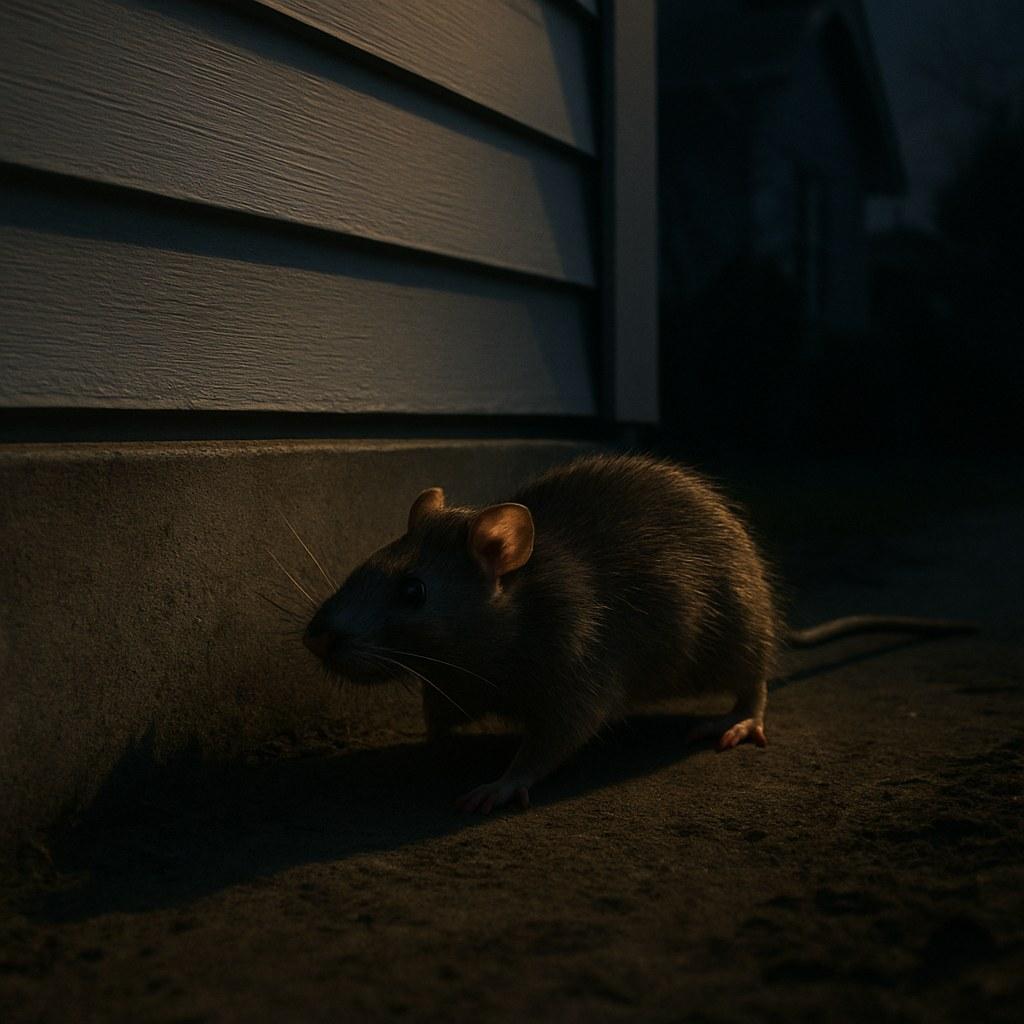
Rodent droppings aren't just unsightly; they can pose significant health risks to you and your family. Pests like mice and rats can carry diseases and bacteria that are transmissible to humans through their waste.
But don't worry, we're here to walk you through it. Think of us as your expert on the line, guiding you step-by-step. This comprehensive guide will show you how to safely identify the culprit, clean up the mess properly, and take preventative measures to ensure your home becomes a fortress against future invasions.
Why You Need to Be Careful: The Health Risks of Rodent Droppings
Before we grab our cleaning supplies, it’s important to understand why safety is so critical. According to the Centers for Disease Control and Prevention (CDC), rodents can spread numerous diseases directly and indirectly. The most well-known is Hantavirus, a rare but severe respiratory illness that can be contracted by inhaling airborne particles from dried rodent urine, droppings, or saliva.
This is why you should never sweep or vacuum dry droppings. Doing so can aerosolize these dangerous particles, sending them straight into the air you breathe. Other potential diseases include Salmonellosis and Leptospirosis.
The takeaway? Proper personal protective equipment (PPE) and a specific cleaning method are non-negotiable.
Step 1: Identify Your Unwanted Guest
The first step is to figure out what kind of pest you're dealing with. The droppings themselves offer the best clues. While it might seem unpleasant, a quick inspection will help you tailor your approach.
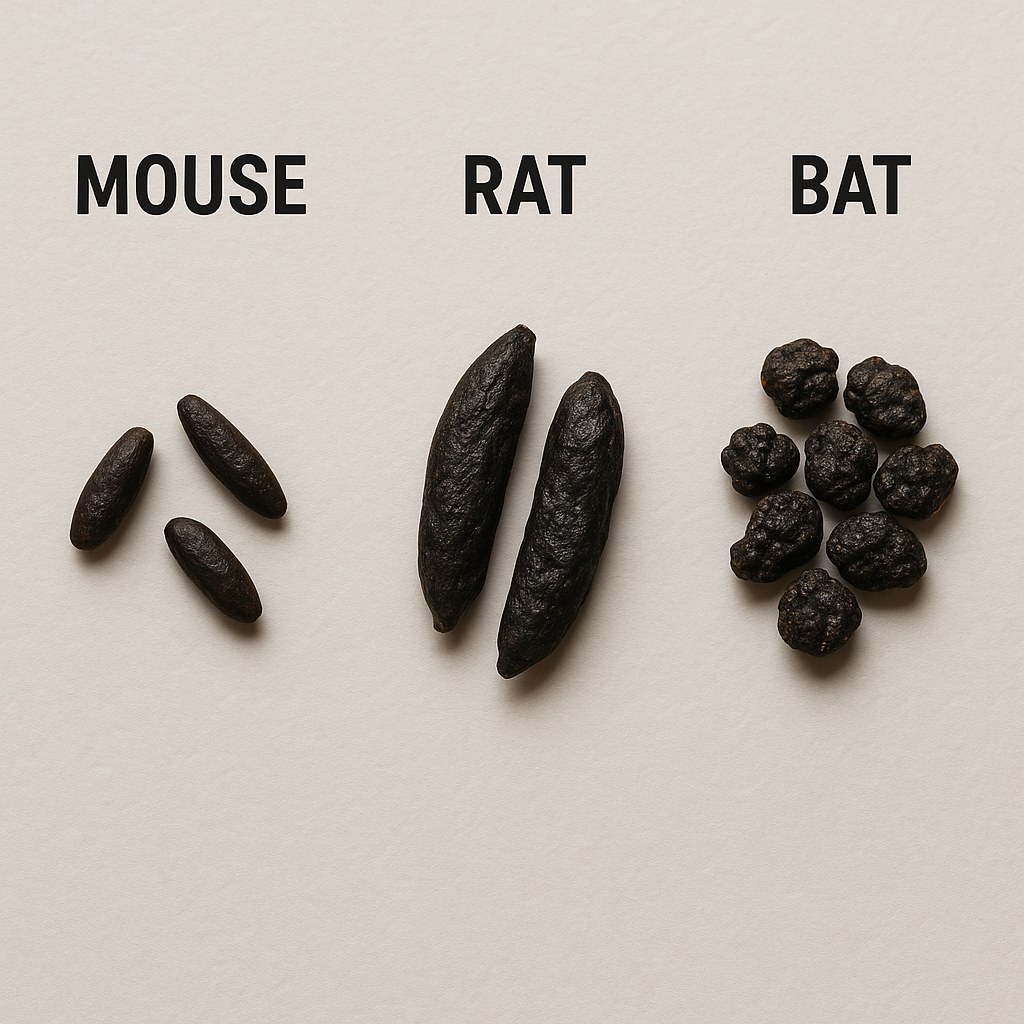
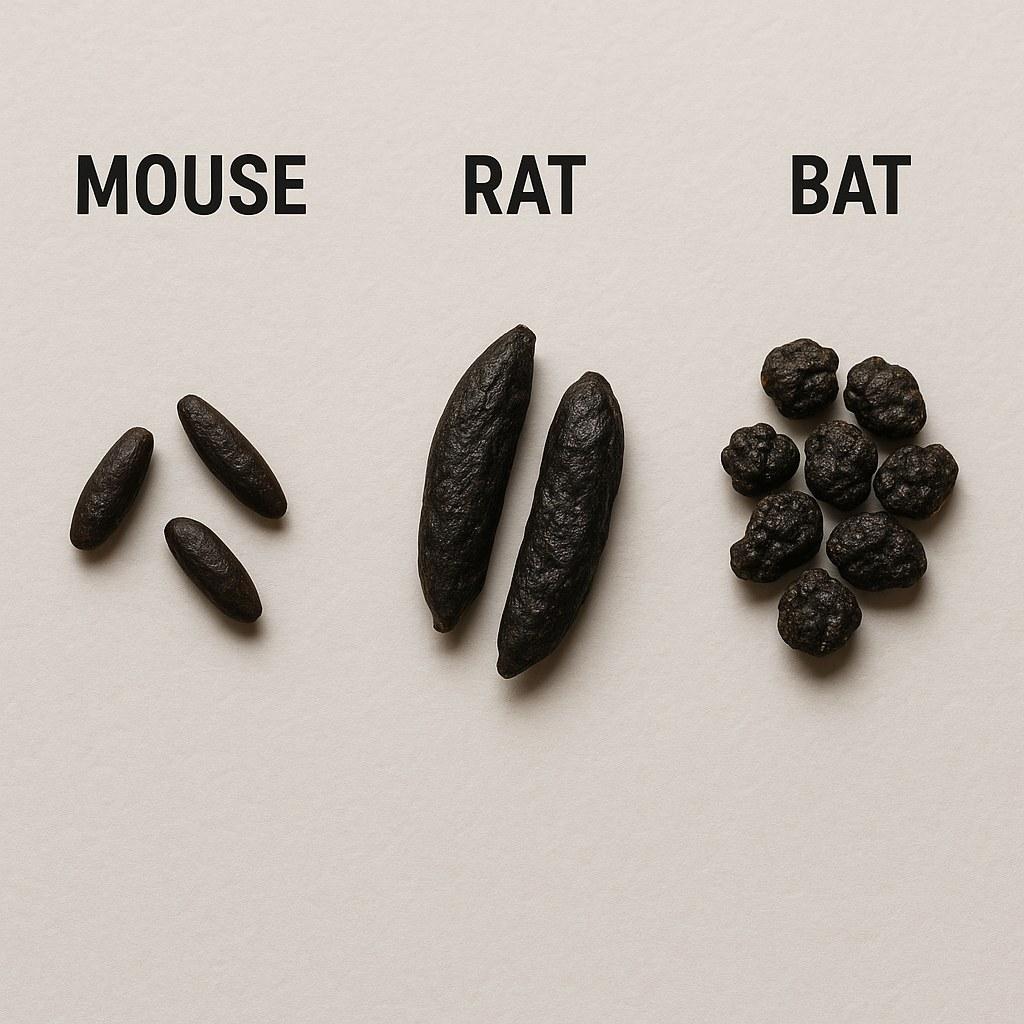
- Mouse Droppings: These are small, typically about 1/4-inch long, with pointed ends. They resemble dark grains of rice. You'll often find them scattered in areas where mice are active, like kitchen cabinets or drawers.
- Rat Droppings: Rat droppings are significantly larger, usually 1/2-inch to 3/4-inch long. They are spindle-shaped with blunt ends, similar in appearance to a small bean or olive pit.
- Bat Droppings (Guano): Sometimes, the droppings you find in an attic or wall void might not be from rodents at all. Bat guano looks similar to mouse droppings but has a key difference. It’s often found in piles and will crumble into a dusty powder when gently pressed with a gloved finger. This is because it’s primarily composed of digested insect exoskeletons. Rodent droppings are hard and will not crumble easily.
Knowing the difference is key. A bat problem requires a different solution (like sealing entry points at the roofline) than a rodent problem (which involves trapping and sealing ground-level gaps).
Step 2: Gear Up and Clean Up Safely
Now that you've identified the pest, it's time to clean up. We'll follow the CDC's recommended procedures to ensure everyone stays safe.
What You'll Need:
- Rubber or disposable gloves
- N95 respirator or a well-fitting mask
- Disinfectant or a bleach solution (1 part bleach to 10 parts water)
- Paper towels
- A spray bottle
- Sealable trash bags
The Official Cleanup Protocol
- Ventilate the Area: Before you start, open any windows or doors to air out the space for at least 30 minutes.
- Put on Your PPE: Suit up with your gloves and N95 mask. This is the most important step to protect yourself from airborne particles.
- Soak, Don't Sweep: Fill your spray bottle with the disinfectant or bleach solution. Thoroughly spray the droppings and any surrounding contaminated surfaces until they are fully saturated. Let the solution sit for at least five minutes to disinfect. This process wets the particles, preventing them from becoming airborne.
- Wipe and Dispose: Use paper towels to wipe up the soaked droppings and any residual urine. Place the used paper towels directly into a sealable trash bag.
- Disinfect the Surface: After removing the droppings, spray the entire area again with your disinfectant. Use fresh paper towels to wipe the surface clean.
- Secure the Waste: Once you're finished, seal the trash bag tightly. For extra security, place this bag inside a second trash bag and seal that one as well. Dispose of it in an outdoor trash receptacle.
- Clean Up Yourself: Carefully remove your gloves by turning them inside out and place them in the trash. Wash your hands thoroughly with soap and warm water for at least 20 seconds. If any of your clothing may have been contaminated, wash it in hot water.
Step 3: Evict the Pests with Traps
Cleaning up is only half the battle. If you don't address the source of the problem, you'll be repeating this process again soon. For an active rodent infestation, trapping is the next logical step.
How to Set Traps Effectively
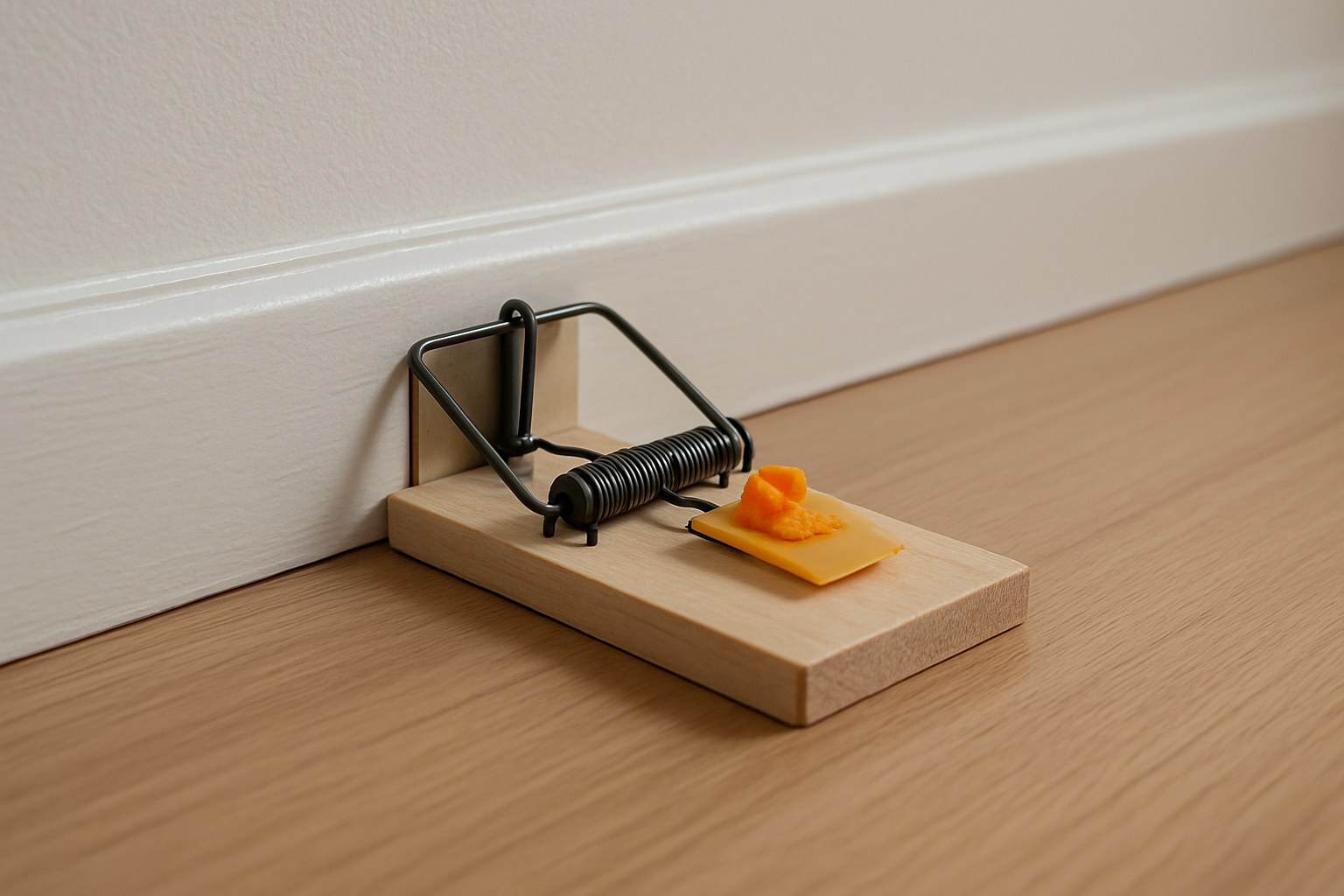
- Choose Your Trap: Classic wooden snap traps are inexpensive, effective, and generally considered more humane than glue traps.
- Use the Right Bait: Mice and rats love high-protein, fatty foods. A pea-sized amount of peanut butter, hazelnut spread, or even a small piece of jerky works far better than the cartoonish block of cheese. Always wear gloves when baiting to avoid leaving your scent on the trap.
- Strategic Placement is Key: Rodents are creatures of habit. They tend to travel along walls and baseboards where they feel safe. Place traps perpendicular to the wall, with the baited trigger-end facing the wall. This forces the rodent to walk directly over the trigger to get to the bait.
- Set Multiple Traps: Don't just set one trap. For a minor issue, place traps every two to three feet along walls where you’ve seen signs of activity.
Check the traps daily. When you catch a rodent, wear gloves to dispose of it in a sealed bag in your outdoor trash. Reset and re-bait the trap until you go several days without catching anything new and see no new droppings.
Step 4: Fortress Your Home by Sealing Entry Points
The final and most crucial step is to prevent pests from getting back in. You need to find and seal every potential entry point. You’ll be shocked at how small of a gap these critters can squeeze through.
- A mouse can fit through a hole the size of a dime (1/4 inch).
- A rat can get through a hole the size of a quarter (1/2 inch).
How to Find and Seal Gaps:
- Inspect Your Foundation: Walk the perimeter of your home and look for any cracks or holes in the foundation.
- Check Utility Lines: Pay close attention to where pipes, gas lines, and electrical wires enter your house. The gaps around these are common entry points.
- Examine Vents and Eaves: Look at your roof vents, soffits, and eaves for any openings, especially if you suspect bats.
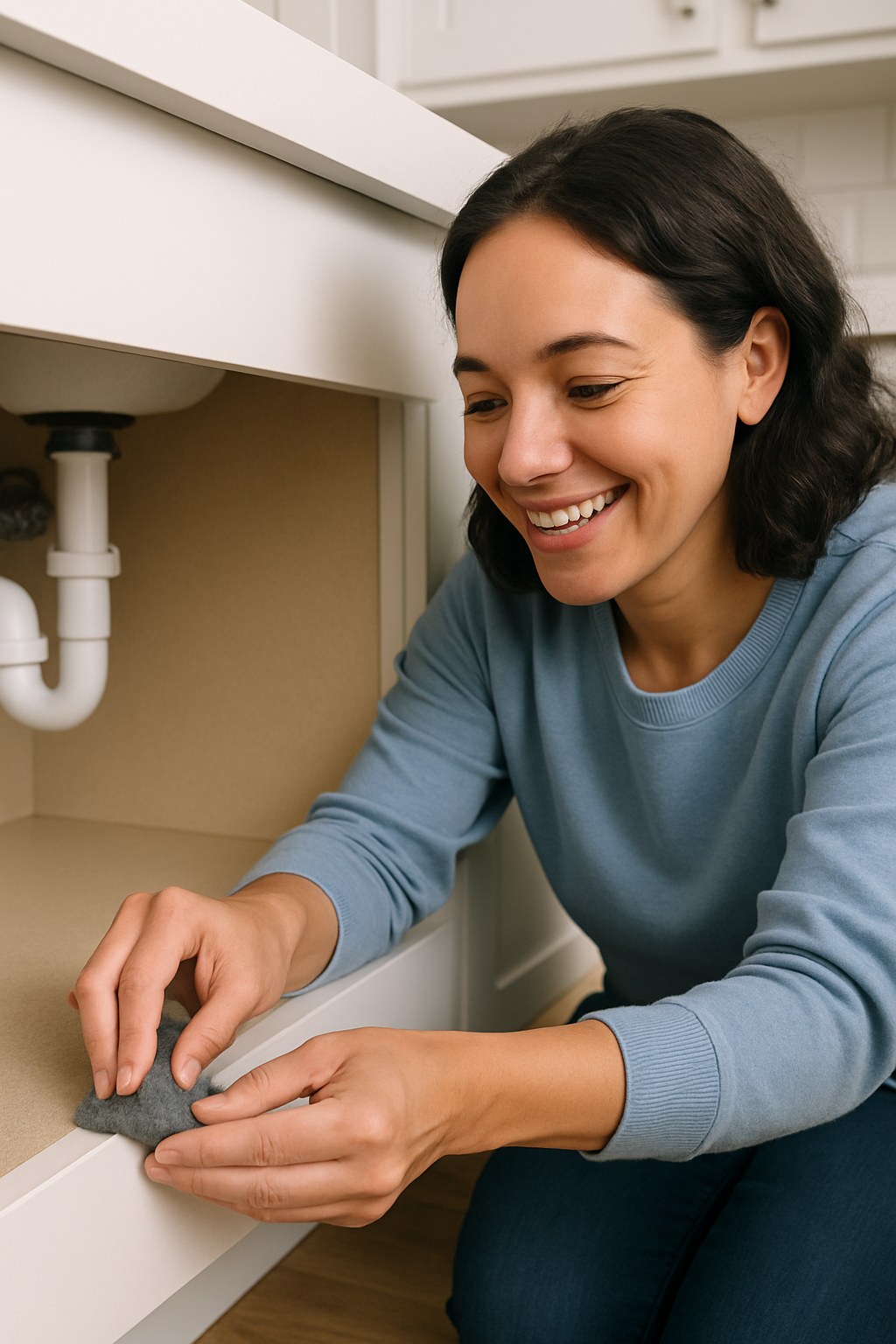
- Use Steel Wool and Caulk: Once you find a hole, stuff it tightly with steel wool. Rodents can't chew through it. For a permanent fix, seal over the steel wool with silicone caulk.
When to Call a Professional
While a minor mouse issue can often be handled on your own, some situations warrant calling a professional pest control service.
Consider calling for help if:
- You see signs of a large-scale infestation (droppings in multiple rooms, gnaw marks on furniture, or you see rodents during the day).
- Your trapping efforts are unsuccessful after a week or two.
- You're dealing with rats, which can be more difficult and aggressive to handle than mice.
- You have a bat problem, as bat removal often requires specialized knowledge of local wildlife laws.
Hiring a professional typically costs between $200 and $600 for an initial assessment and treatment, depending on the severity of the infestation and your location. While it’s an investment, it provides peace of mind that the problem is handled correctly and thoroughly.
Take Control of Your Home
Finding droppings is stressful, but with the right knowledge and tools, you can handle the problem safely and effectively. By following the steps—Identify, Clean, Trap, and Seal—you’re not just cleaning a mess; you’re reclaiming your space and protecting your family’s health.
For more expert home maintenance guides, personalized reminders, and help connecting with trusted professionals for the jobs you can’t handle alone, download the Casa app today! We’re here to help you manage your home with confidence.
Related Reading






&w=1920&q=75)