Finding an anthill on your property can feel unsettling. Whether it’s a small mound in the lawn or a line of ants marching from a crack in your baseboard, it’s natural to be concerned.
Looking for more guidance? Take a look at our Repairs overview.
 BACK
BACKFEB 1, 2026
Finding an anthill on your property can feel unsettling. Whether it’s a small mound in the lawn or a line of ants marching from a crack in your baseboard, it’s natural to be concerned.
Looking for more guidance? Take a look at our Repairs overview.
The good news is that most ant situations are manageable and don’t point to a major infestation. The key is to correctly identify where the problem is and what kind of ants you're dealing with. An anthill far out in the yard is very different from one found inside your home or pressed up against the foundation.
This guide will walk you through how to assess the situation calmly, determine if you can handle it yourself, and know when it’s the right time to call a pest control professional.
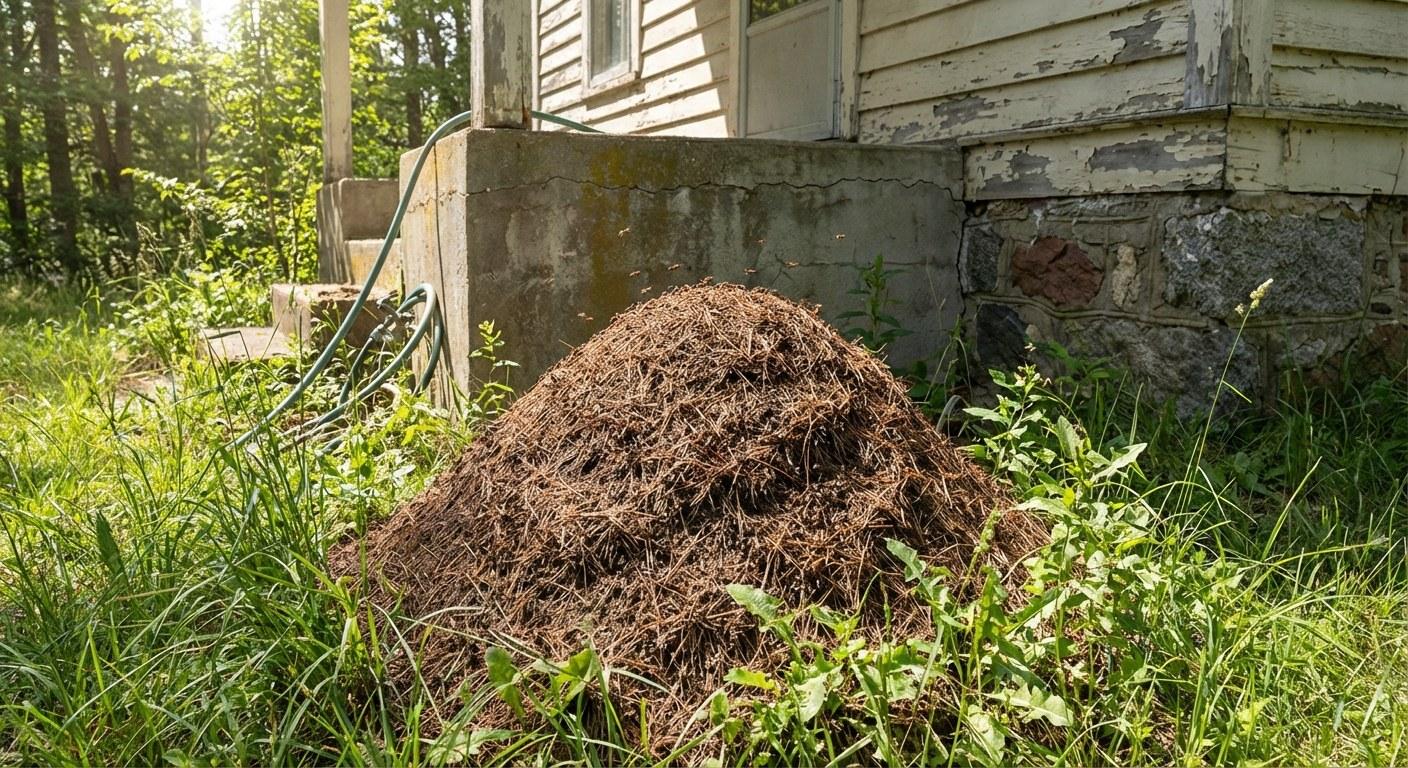
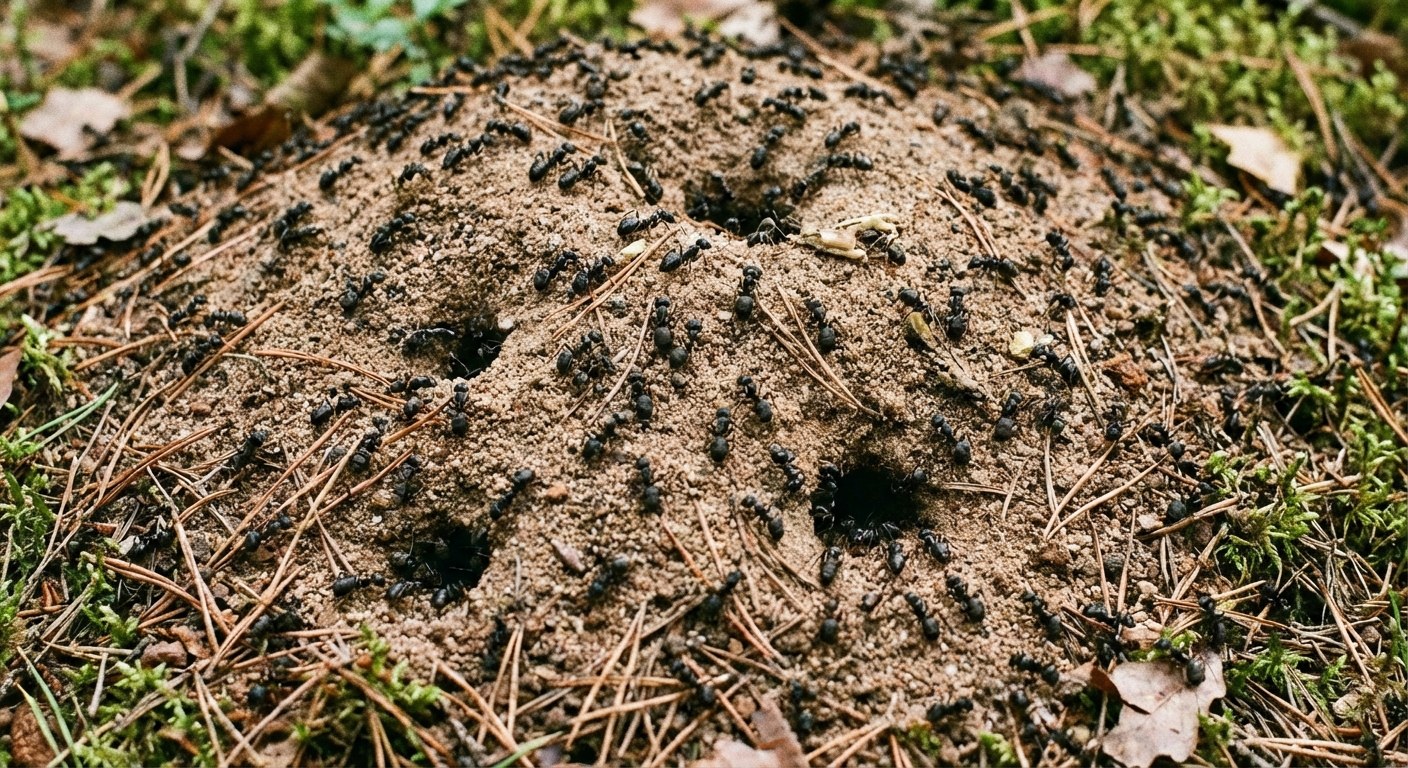 Image Alt: A close-up view of a common black ant anthill in a garden.
Before you do anything else, the first step is to figure out exactly where the ants are setting up camp. Is the anthill inside your home, right against the foundation, or further out in the yard? This single piece of information will guide all of your next steps.
Take a slow walk around the inside and outside of your home. Pay close attention to baseboards, window frames, and the edges of your foundation. A flashlight is a great tool for checking darker areas like crawl spaces, behind appliances, and under decks. Once you’ve located the source, you can decide how to proceed.
Finding an anthill or a steady trail of ants indoors requires more immediate attention. Ants inside the house are either nesting within your walls or have found a reliable food source and a clear path inside.
Not all ants are created equal. Some are just a nuisance, while others can cause structural damage or deliver painful stings. Observe the ants from a safe distance.
If you suspect you have carpenter ants or fire ants, do not try to treat them yourself.
For these situations, the safest and most effective solution is to contact a licensed pest control professional.
If the ants are small, non-stinging, and don't appear to be carpenter ants, you can likely handle the issue yourself.
If you still see significant ant activity after a week, the colony may be larger than the bait can handle. At this point, it's time to call a professional for a more thorough assessment.
Outdoor anthills are a normal part of the ecosystem. Often, they can be left alone. However, if they are too close to your house or in a high-traffic area, you may need to intervene.
Measure the distance from the anthill to your house.
If the anthill is within that 3-foot zone, take a closer look at its size and the amount of activity.
If you answered yes to both, you can try a low-impact DIY treatment. If the mound is large or bustling with activity, the colony is well-established and more difficult to remove. In that case, your best bet is to call a pest control professional.
DIY Deterrent for Small, Nearby Anthills:
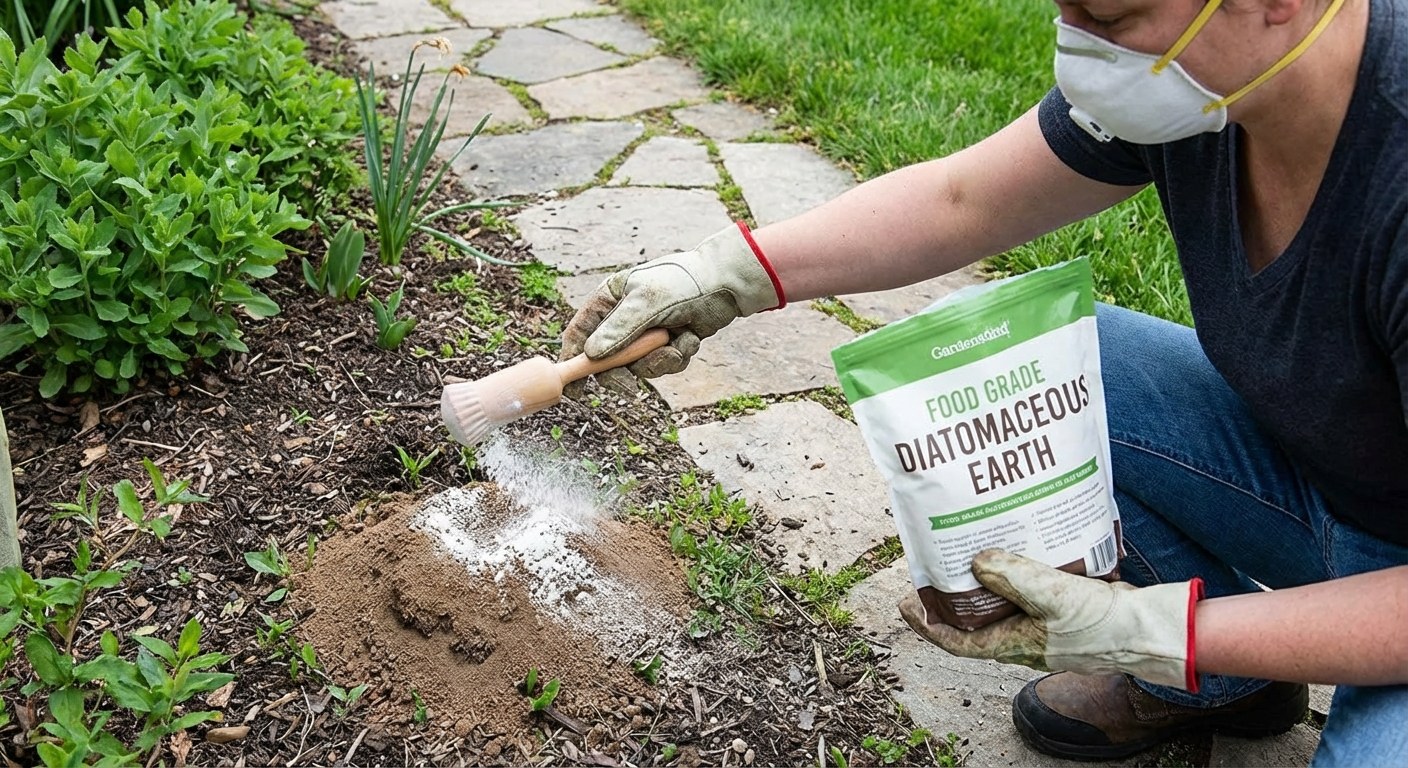 Image Alt: A person wearing garden gloves sprinkles white diatomaceous earth powder on an anthill in their lawn.
If a small anthill is in a place where you don't want it—like the middle of a play area—but is far from your house, relocation is a good option.
Dealing with ants is a common part of homeownership, and now you have a clear plan. By identifying the location and assessing the situation, you can make a confident decision about whether to tackle it yourself or bring in an expert.
Managing a home means knowing what to watch for and how to respond. With the Casa app, you can track your home maintenance tasks, get timely reminders, and access clear advice for challenges just like this one. Download Casa today to feel more prepared for whatever your home sends your way.