Looking for more guidance? Take a look at our Repairs overview.
 BACK
BACKJAN 31, 2026
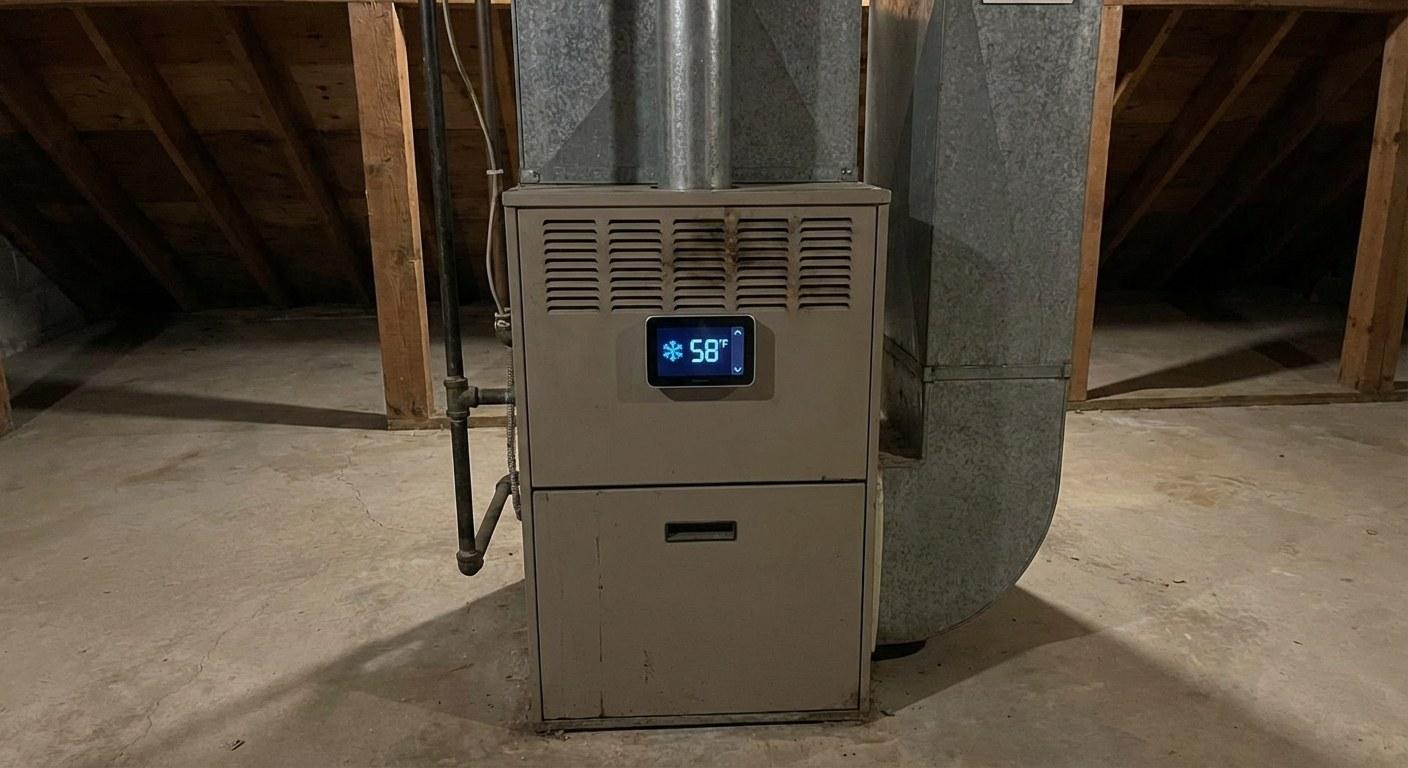
Why Is My Furnace Not Heating What To Check Before You Call
 BACK
BACKJAN 31, 2026
Looking for more guidance? Take a look at our Repairs overview.
Waking up or coming home to a cold house when the furnace should be running is a stressful moment for any homeowner. Your first thought might be of an expensive, complicated repair, but that’s often not the case. Many times, a furnace that isn't producing enough heat—or any heat at all—is facing a simple issue that you can safely diagnose and fix yourself in under 30 minutes.
Before you schedule a service call, working through a few basic checks can often solve the problem and save you both time and money. This guide will walk you through the most common culprits, starting with the easiest fixes, so you can feel confident about what to do next.
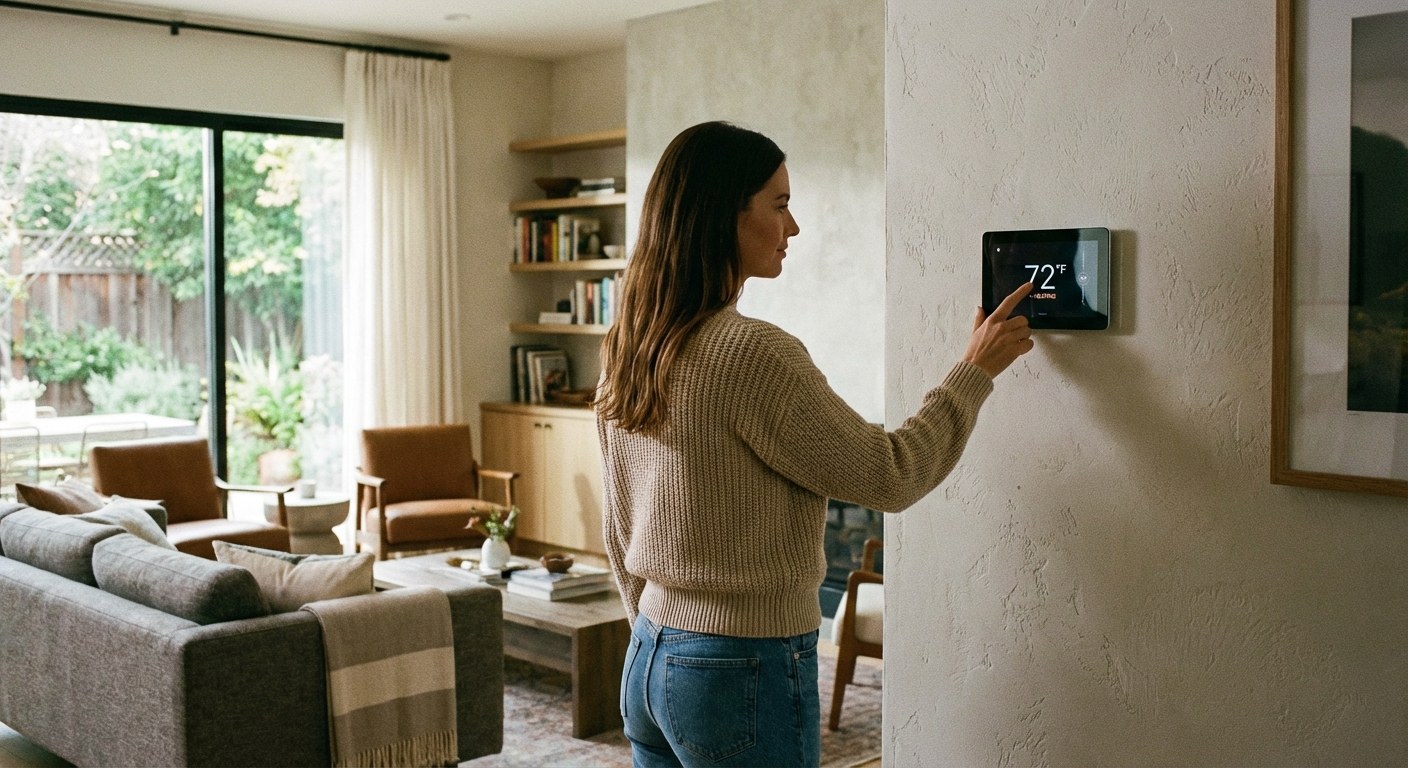 Image Alt: A homeowner adjusting the temperature on a smart thermostat.
When your furnace is running but not heating, the issue usually falls into one of three categories: a problem with the thermostat’s signal, a problem with airflow, or a problem with the fuel or power source.
Here are the most common reasons your furnace isn’t working correctly:
Let's work through these possibilities step by step.
Follow these steps in order to diagnose why your furnace isn't producing heat.
The thermostat is the brain of your heating system. A wrong setting here is a very common and simple reason for a furnace to misbehave.
If adjusting the thermostat settings and changing the batteries solves the problem, you're all set. If the furnace still isn’t producing heat, it's time to check for an airflow issue.
Your furnace filter is designed to trap dust, pet dander, and other particles, but when it gets too full, it chokes off the airflow your system needs to work. This is the single most common cause of furnace problems.
When to Try This Yourself: This is a safe and routine maintenance task that every homeowner should do regularly.
A clean filter can make a dramatic difference in performance. Keeping track of when to change your filter (typically every 1-3 months) is a key part of home maintenance that an app like Casa can help you remember. If the furnace now heats properly, you’ve found your culprit.
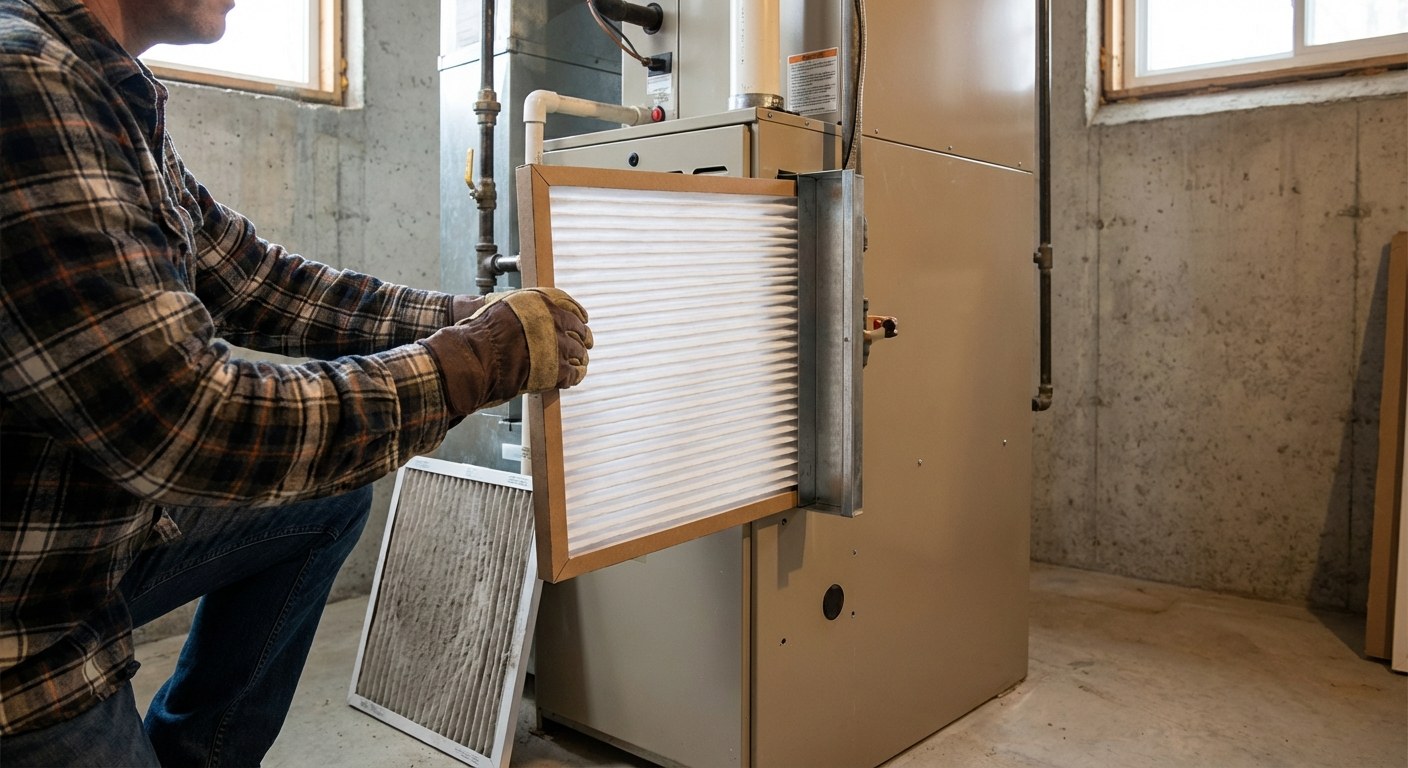 Image Alt: A homeowner replacing a dirty furnace air filter with a clean one.
If the thermostat is working and the filter is clean, the next step is to ensure the furnace is receiving the fuel and electricity it needs to generate heat.
When to Try This Yourself: These are simple on/off checks. Do not attempt to service gas lines or electrical wiring yourself.
For Gas Furnaces:
For Electric Furnaces (or Gas Furnaces):
After confirming the fuel and power are on, wait a few minutes to see if the furnace starts its heating cycle.
If you've worked through all the steps above and your home still isn't warming up, it is time to call a qualified HVAC technician. The problem is likely more complex, involving components like the ignitor, flame sensor, or blower motor, which require professional tools and expertise to diagnose and repair safely.
Call a professional if:
Dealing with a furnace that won't heat can be unsettling, but it’s a manageable problem. By checking the thermostat, air filter, and power supply first, you can often resolve the issue yourself and avoid an unnecessary service call. And if you do need a professional, you can call them with the confidence that you’ve already ruled out the simple stuff.
Being prepared for common home issues is a big part of feeling secure in your home. For help with maintenance reminders, repair guidance, and connecting with trusted pros, download the Casa app. We’re here to help you keep your home running smoothly, year-round.