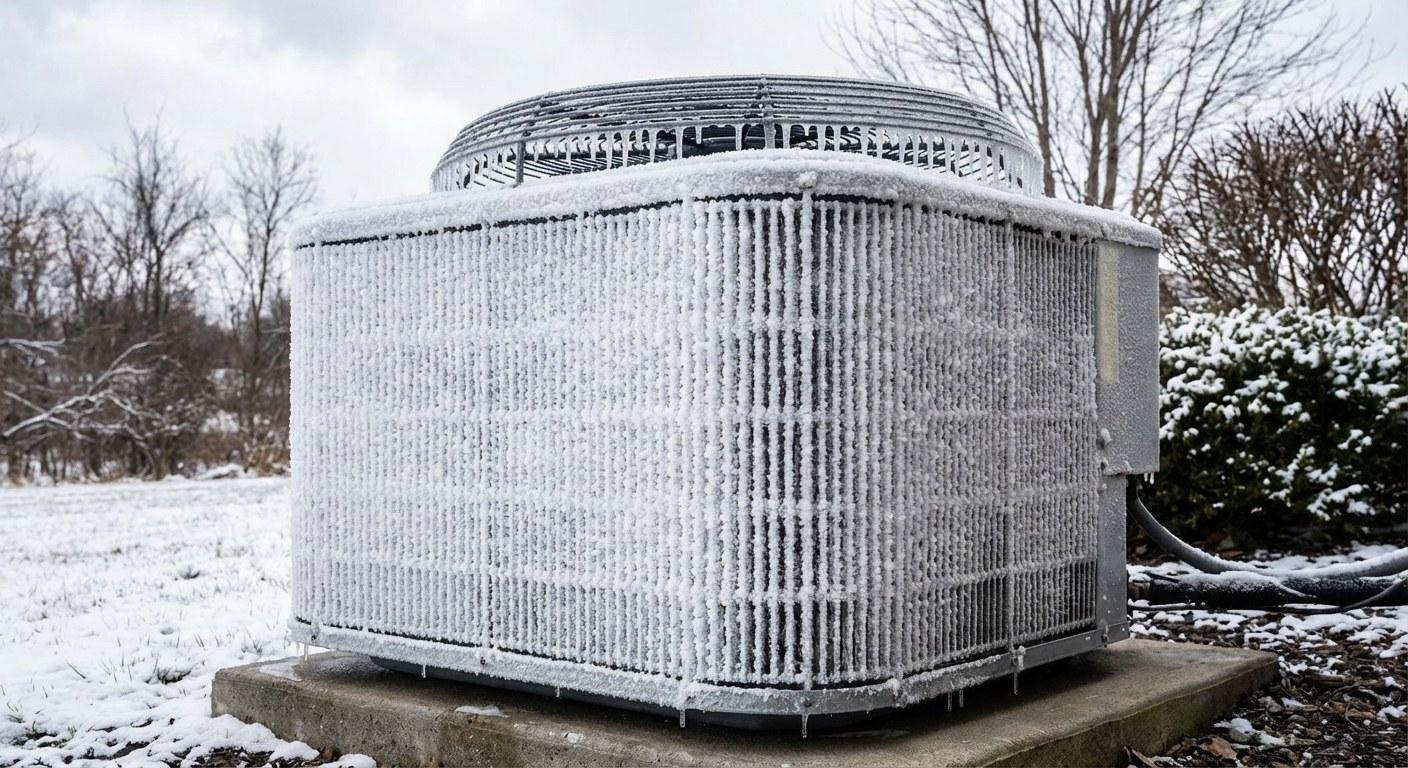
Short cycling is a serious issue. It prevents your home from reaching a comfortable temperature, drives up your energy bills, and puts excessive wear and tear on the system's most expensive components, like the compressor. Left unaddressed, it can lead to premature system failure.
The good news is that many causes of heat pump short cycling are surprisingly simple to diagnose and fix yourself. Before you make a potentially expensive call to a technician, let's walk through the most common culprits. Think of me as your friendly expert on the other end of the line, here to help you get your system running smoothly again.
First Things First: Is It Short Cycling or a Normal Defrost Cycle?
Before we dive into troubleshooting, it's important to rule out a normal, healthy function of your heat pump: the defrost cycle.
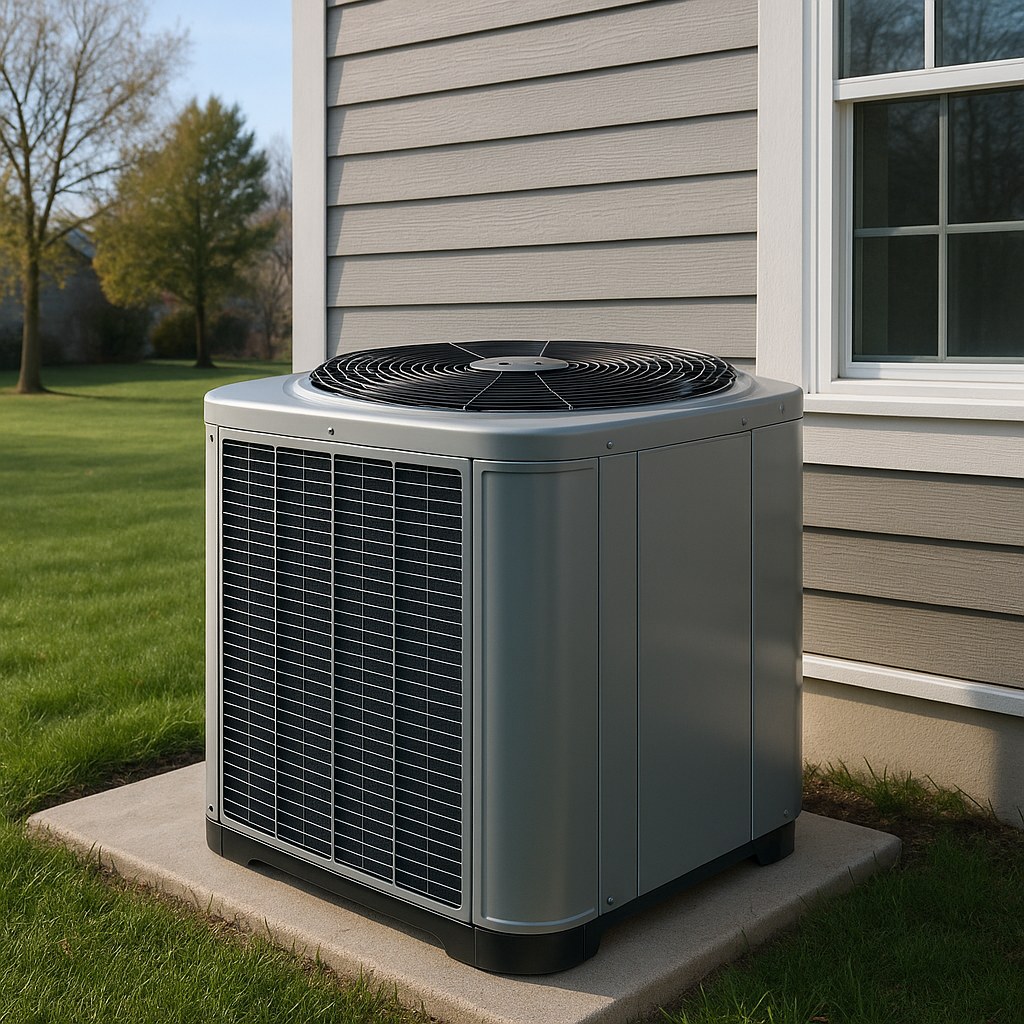
In colder weather, the outdoor coil of your heat pump can accumulate frost or ice as it pulls heat from the outside air. To maintain efficiency, the system will periodically reverse its operation to melt this ice.
Here’s how to tell if it's a normal defrost cycle:
- Look for Steam: When the defrost cycle kicks in, you might see a cloud of steam or water vapor rising from the outdoor unit. This looks dramatic, but it's just the melting ice turning to vapor.
- Time the Cycle: A typical defrost cycle is short, usually lasting less than 15 minutes.
- Time the Pause: After a defrost cycle, the heat pump should remain off for a significant period—at least 30 minutes or more—before starting a new heating cycle.
If you observe steam and the timing fits this pattern, your unit is likely operating perfectly. You can relax! However, if the cycles are much shorter and there's no steam, it's time to investigate further.
Step 1: Check Your Thermostat Settings
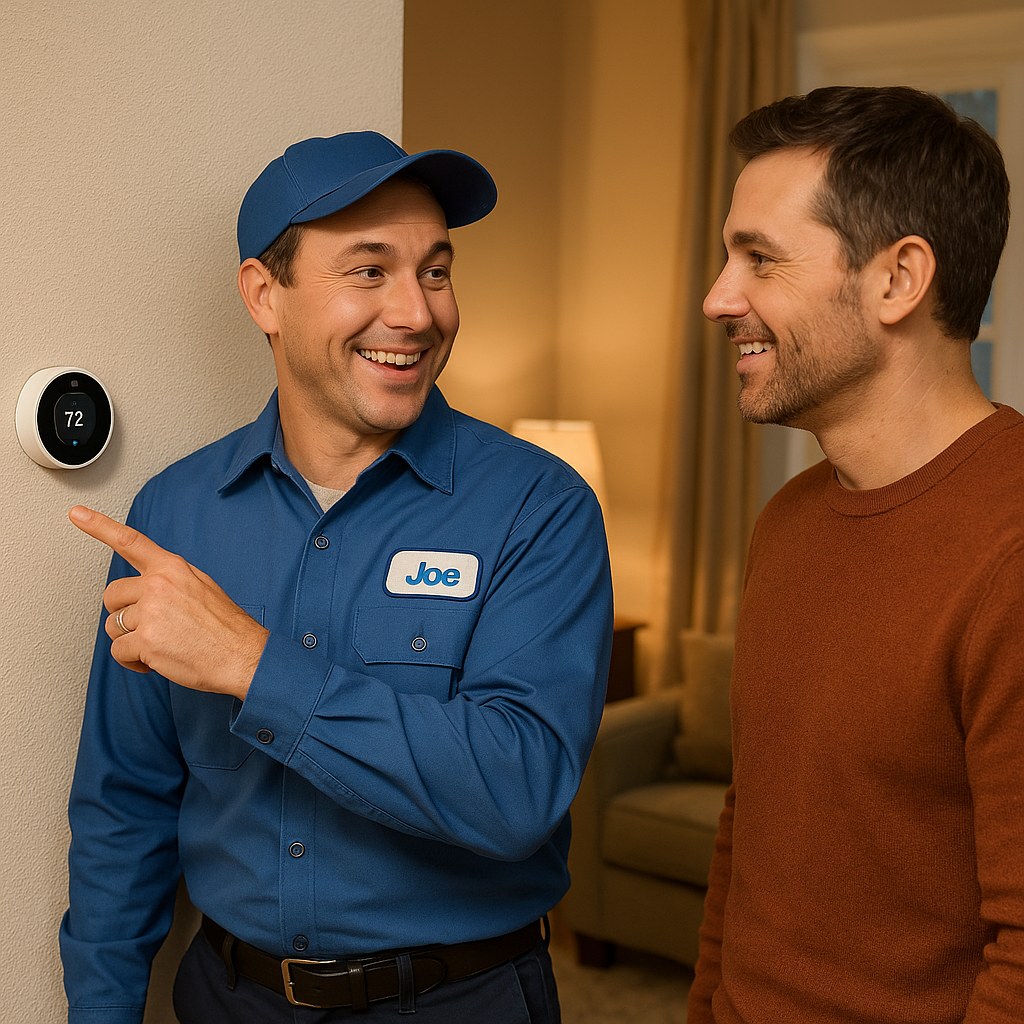
Your thermostat is the brain of your HVAC system, and a simple misconfiguration is a very common cause of short cycling. Let's make sure it's sending the right signals.
- Correct Mode: Ensure the thermostat is set to “Heat” and the fan is set to “Auto.” If the fan is set to “On,” it will blow air continuously, even when the heat pump isn't actively heating, which can make it feel like the system is malfunctioning.
- Battery Check: If you have a battery-powered thermostat, a low battery can cause erratic behavior. If the display is dim or you see a low battery indicator, replace the batteries with a fresh set.
- Location, Location, Location: Is your thermostat located near a heat source, like a drafty window, a heat register, or in direct sunlight? This can trick it into thinking the room is warmer than it is, causing it to shut off the heat prematurely. If this is the case, you may need to consider relocating the thermostat.
- Review Schedules: For smart or programmable thermostats, temporarily disable any energy-saving schedules. An aggressive schedule might be causing the system to turn on and off more frequently than desired. Let it run on a single temperature setting for at least an hour to see if the cycling normalizes.
After checking these settings, observe the system for about an hour. If it's now running in long, steady cycles, you've found your culprit!
Step 2: Inspect and Replace the Air Filter
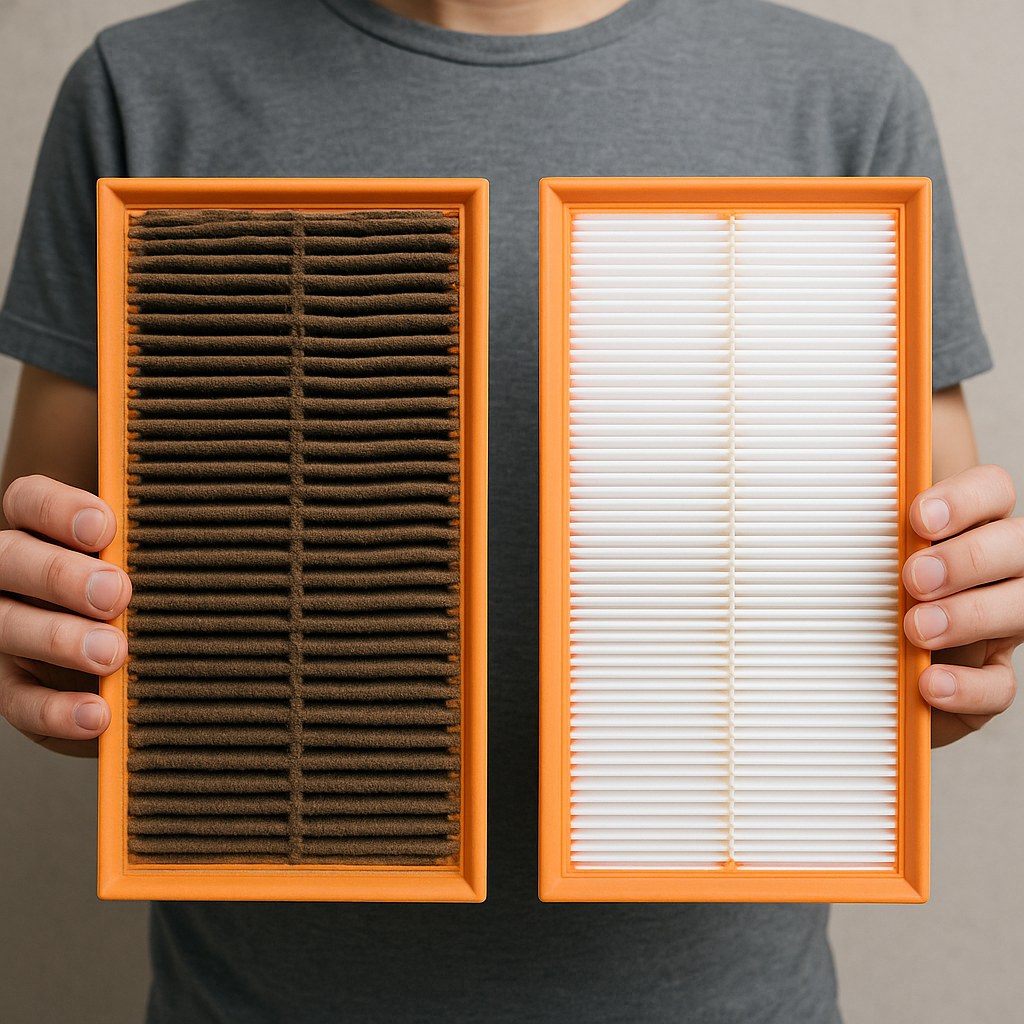
If the thermostat isn't the issue, the next stop is your air filter. A dirty, clogged filter is arguably the #1 cause of most HVAC problems, including short cycling.
Think of it like trying to breathe with a hand over your mouth. A clogged filter suffocates your system, restricting airflow. This causes heat to build up inside the unit, and a safety sensor will shut the system down to prevent overheating. Once it cools off, it will start up again, and the cycle repeats.
How to Check and Replace Your Air Filter:
- Turn the System Off: Go to your thermostat and switch the system to the “Off” position for safety.
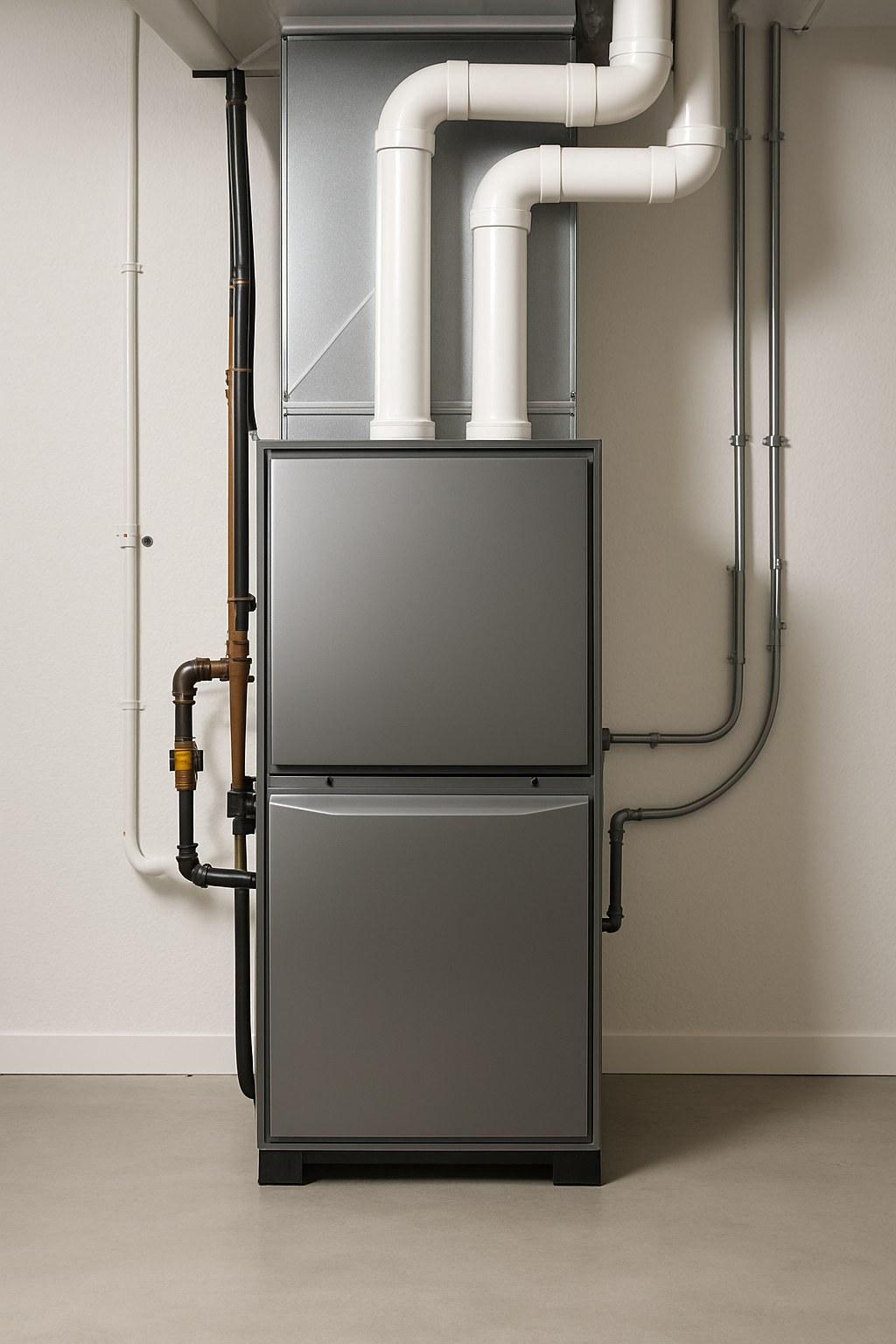
- Locate the Filter: The filter is usually located in the indoor air handler unit or in a return air grille in a wall or ceiling.
- Remove the Filter: Slide the old filter out. Be sure to note the size printed on its cardboard frame (e.g., 16x25x1).
- The Light Test: Hold the filter up to a light source. If you can't easily see light passing through it, it's clogged and needs to be replaced.
- Install the New Filter: Purchase a new filter of the exact same size. Look for an arrow on the new filter's frame and make sure it points in the direction of airflow (towards the furnace/air handler). Slide it into the slot and secure the cover panel or grille.
According to the U.S. Department of Energy, you should check your filter every month, especially during peak heating and cooling seasons, and replace it at least every 90 days. Doing so can lower your system's energy consumption by 5% to 15%.
Step 3: Clear Debris and Check for Ice on the Outdoor Unit
Your heat pump needs to breathe freely, both indoors and outdoors. After you've confirmed the indoor filter is clean, head outside to the condenser unit.
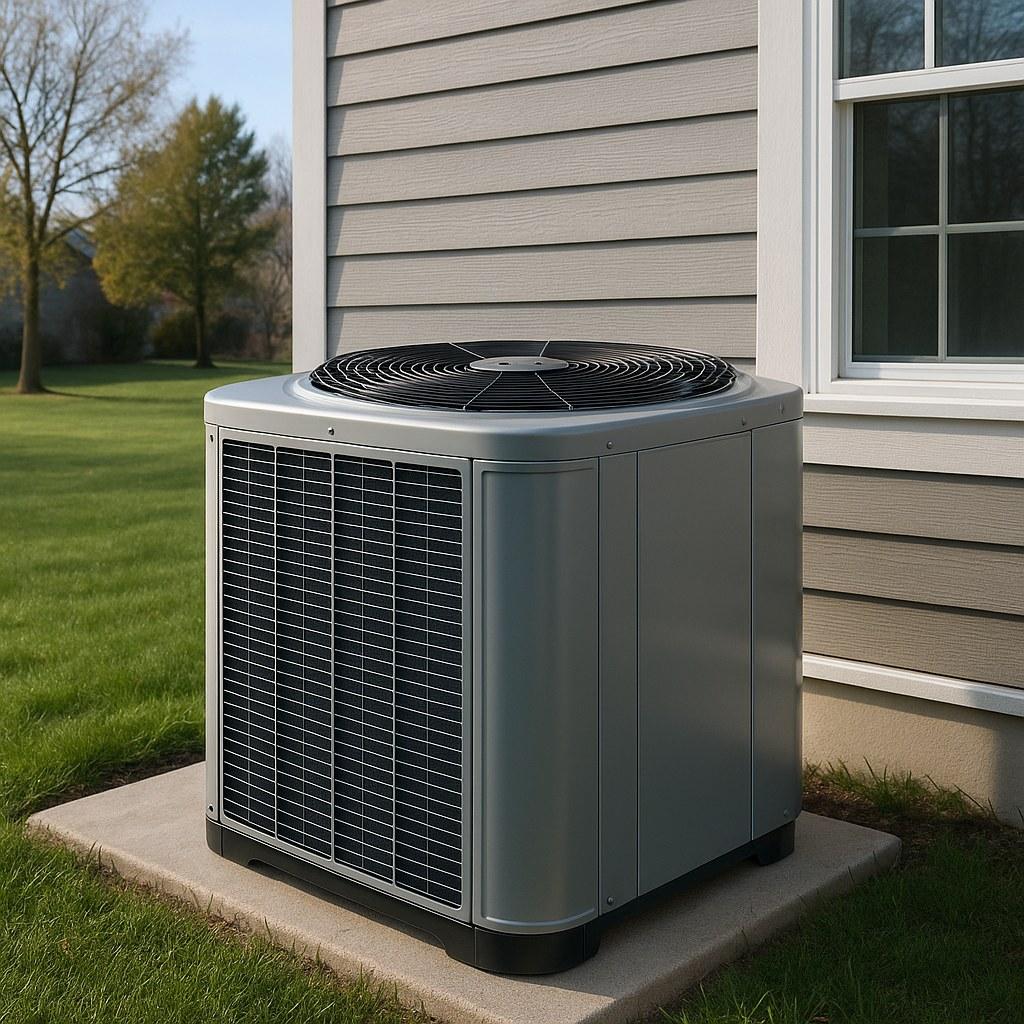
- Clear the Area: The unit needs about two feet of clear space on all sides for proper airflow. Remove any leaves, grass clippings, snow, or overgrown shrubs that might be crowding it. Check the top of the unit as well for any debris.
- Check Indoor Vents: While you're thinking about airflow, do a quick check inside your home to ensure all supply and return vents are open and not blocked by furniture, rugs, or curtains.
- Look for Ice: Visually inspect the metal fins on the outdoor unit. A light layer of frost is normal in cold, damp weather, but a thick coating of solid ice is a problem. If the unit is iced over, it can't transfer heat effectively, leading to short cycling.
How to Safely Defrost a Frozen Unit:
- Switch to Emergency Heat: Go to your thermostat and change the setting from "Heat" to "Emergency Heat" or "Auxiliary Heat." This turns off the outdoor unit and relies on your indoor electric heating strips.
- Wait It Out: Let the unit sit for at least 30-60 minutes. Often, this is enough time for the ice to melt on its own.
- Be Gentle: You can gently pour lukewarm (never hot!) water over the unit to speed things up. Never use sharp objects, shovels, or pressure washers to chip away at the ice, as you can easily damage the delicate fins.
- Switch Back and Observe: Once the ice is gone, switch your thermostat back to "Heat." Watch the unit through its next cycle. If it ices up again quickly, it's a strong sign of a more serious issue, like a refrigerant leak.
Step 4: Putting It All Together - The Final Test
After you've checked the thermostat, replaced the air filter, and cleared/defrosted the outdoor unit, it's time to test your work. Make sure your thermostat is set to "Heat" and let the system run.
Time how long the heat pump operates continuously. A healthy system should run for at least 10-20 minutes per cycle, depending on the outdoor temperature. If your unit now runs for a solid 30 minutes without shutting down, congratulations! You've likely solved the problem by restoring proper airflow.
When to Call a Licensed HVAC Technician
While many causes of short cycling are DIY-friendly, some problems require professional expertise. If you've tried all the steps above and your heat pump is still short cycling, it's time to call in the pros.
According to Forbes Home, the average HVAC service call costs between $75 and $200 just for the diagnosis. It's a worthy investment to prevent further damage.
Call a technician if you experience:
- Persistent Short Cycling: The problem continues after your troubleshooting.
- Heavy or Recurring Icing: The unit freezes up again shortly after you defrost it.
- Low Refrigerant: This is a common cause of freezing and requires a licensed technician to handle the refrigerant and repair the leak.
- Electrical Faults: Issues with capacitors, relays, or control boards can cause cycling and are dangerous to handle without proper training.
- Oversized System: If the heat pump is too large for your home, it will heat the space too quickly and shut off. This is an installation issue that only a professional can properly diagnose.
Stay on Top of Your Home Maintenance with Casa
A short-cycling heat pump is a classic example of how a small, fixable issue can become a major headache. Regular maintenance is the key to preventing problems like this and keeping your home systems running efficiently for years to come.
Feeling overwhelmed? You don't have to go it alone. Download the Casa app today! Casa is your personal home management partner, providing step-by-step guides for hundreds of DIY repairs, just like this one. And when a job is too big to handle, Casa connects you with a network of vetted, trusted professionals in your area. Take the stress out of homeownership and let Casa help you keep your home in perfect shape.
Related Reading