Hearing your fridge run all the time can be a source of stress, but it’s a very common issue that homeowners encounter. The good news is that the cause is often simple and something you can identify and fix yourself. The problem isn't usually that the refrigerator is broken, but that something is preventing it from cooling efficiently.
This guide will walk you through the most common reasons a refrigerator runs nonstop and provide clear, step-by-step instructions to resolve the issue.
 Image Alt: A homeowner stands with their hand on their chin, looking at their kitchen refrigerator.
Why a Refrigerator Should Cycle On and Off
Before we dive in, it helps to understand how your refrigerator is supposed to work. The compressor is the part that makes that familiar humming noise. Its job is to circulate refrigerant to keep the inside cold. Once the set temperature is reached, the compressor should shut off. It will then cycle back on as needed to maintain that temperature. If it never shuts off, it’s struggling to reach or maintain its target temperature.
Let’s figure out why.
Step-by-Step Guide to Fixing a Refrigerator That Won't Stop Running
Follow these steps in order, starting with the simplest and most common fixes. For most of these, you’ll need to wait for a period of time after making a change to see if it worked.
Step 1: Check Its Location and Ventilation
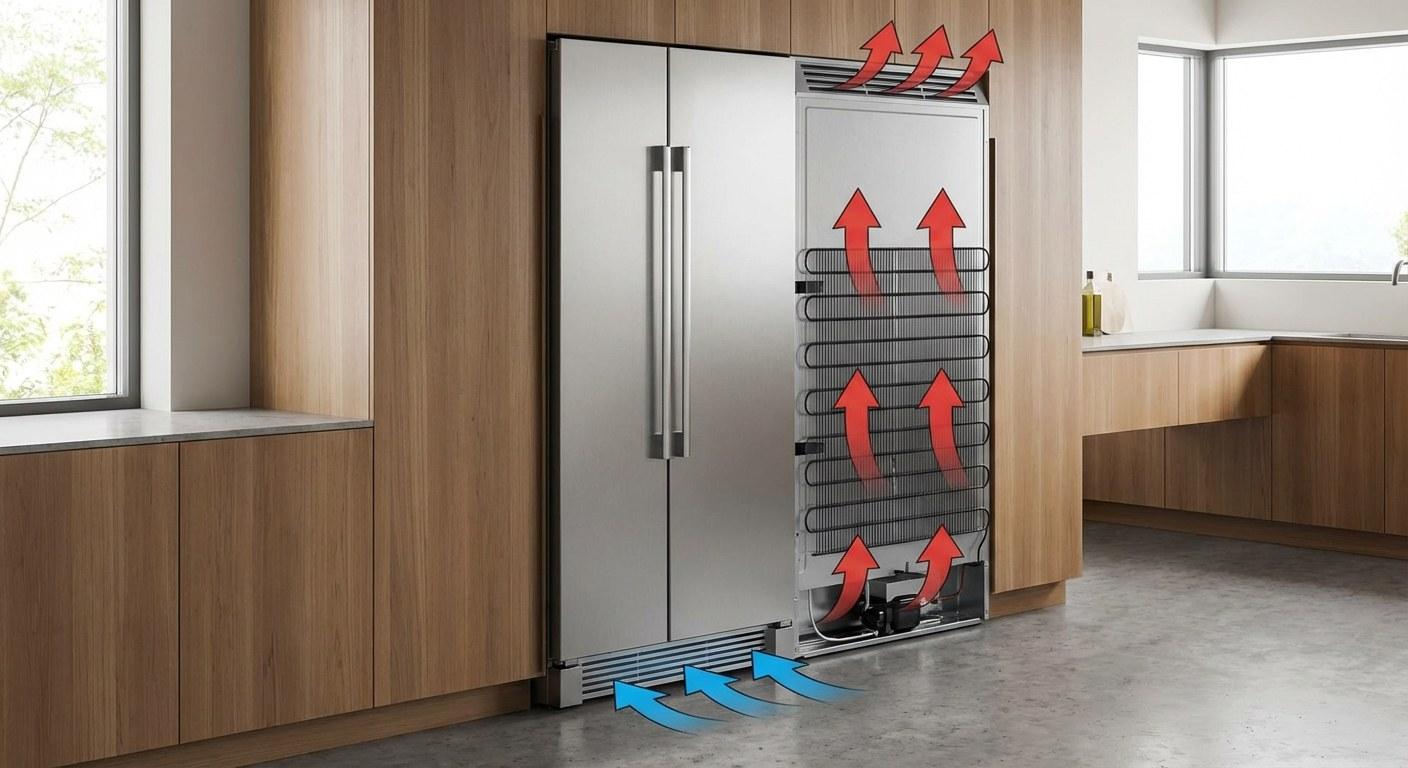
A refrigerator needs room to breathe. It releases heat from its coils to keep the inside cool. If it’s in a tight space or next to a heat source, it has to work much harder.
- Check the clearance: Gently pull the refrigerator away from the wall. There should be at least two inches of space behind it and about one inch on the sides and top for proper air circulation.
- Look for heat sources: Is your refrigerator right next to the oven, a dishwasher, or a heating vent? Is it in direct sunlight for part of the day? If possible, move the refrigerator or the heat-producing appliance to give it more space.
- What to do: If you find a ventilation issue, unplug the fridge and carefully move it to create the necessary clearance. Plug it back in and listen over the next 24 hours. If you hear it cycle off, you’ve likely solved the problem.
Step 2: Clean the Condenser Coils
The condenser coils are where your refrigerator releases heat. Over time, they collect dust, pet hair, and debris, which acts like an insulator and traps heat. This is one of the most common causes of a constantly running fridge.
This is safe to try yourself.
You will need:
- A vacuum with a hose attachment
- A coil-cleaning brush (available at hardware stores) or a long, flexible brush
Here’s how to clean them:
- Unplug the refrigerator. This is a critical safety step.
- Locate the coils. On most modern refrigerators, they are on the bottom, accessible by removing the front kick plate or a panel on the back.
- Remove the cover. The kick plate usually pulls straight off or is held by a few screws.
- Vacuum loose dust. Use your vacuum’s hose attachment to gently remove the surface layer of dust from the coils.
- Brush away stubborn debris. Use the coil-cleaning brush to get between the coils and dislodge any caked-on dust.
- Vacuum again. Clean up all the dust you just loosened.
- Replace the cover, plug the refrigerator in, and slide it back into place.
After cleaning, monitor the refrigerator for the next 24 hours. If it begins to cycle normally, you’ve found the fix. This is a task worth adding to your annual home maintenance plan; the Casa app can help you keep track of it.
Step 3: Inspect the Door Seals
The rubber gaskets, or seals, around the refrigerator and freezer doors keep cold air in and warm air out. If they are dirty, cracked, or torn, warm air can leak in, forcing the compressor to run continuously.
This is safe to try yourself.
- Perform the dollar bill test: Close a dollar bill in the door so that half is in and half is out. Gently pull on it. You should feel slight resistance. If it slides out easily, the seal is too weak in that spot. Test this in several places around both doors.
- Clean the seals: Sometimes, sticky residue is the culprit. Wipe down the entire length of the seals with a cloth and warm, soapy water. Dry them thoroughly.
- Check for damage: Look for any cracks, tears, or hardened, brittle areas.
If the seals are damaged or fail the dollar bill test even after cleaning, they likely need to be replaced. You can often order a replacement gasket from the manufacturer and install it yourself, or you can call a professional.
Step 4: Check the Temperature Settings
If the temperature is set too low, the refrigerator may struggle to reach it, especially if the kitchen is warm.
- Recommended settings: The ideal temperature is around 37°F (3°C) for the fresh food compartment and 0°F (-18°C) for the freezer.
- Adjust and wait: If your settings are much colder, adjust them to the recommended levels. Wait a few hours to see if the compressor cycles off.
Step 5: Check for Blocked Vents and Poor Airflow
Cold air needs to circulate freely inside the refrigerator and freezer. An overstuffed compartment or a poorly placed item can block the air vents, leading to inefficient cooling.
- Locate the vents: Look for vents on the back or side walls inside both the refrigerator and freezer compartments.
- Rearrange items: Make sure no food packages are pressed directly against the vents. Try to leave some space between items to allow air to move. Don't overfill the appliance.
When to Stop and Call a Professional
If you have tried all the steps above and your refrigerator is still running constantly after 24 hours, it is time to call an appliance repair technician. Continuing to troubleshoot could lead to more complex issues.
The problem may be related to a more technical component, such as:
- A faulty defrost system (causing ice buildup on the cooling coils)
- A failing compressor
- Low refrigerant levels due to a leak
- A malfunctioning thermostat
A trained professional has the diagnostic tools and expertise to safely identify and repair these issues.
Time and Cost to Fix a Running Refrigerator
- DIY Fixes: The solutions you can do yourself are very low-cost. Cleaning supplies are minimal, and a coil brush costs around $10-$15. The time required is typically under an hour of active work, though you'll need to allow for monitoring periods.
- Professional Repair: A service call from an appliance technician can range from $150 to $400 or more, depending on your location and what needs to be fixed. A diagnosis fee is common, which is often applied to the final repair cost.
You Are Ready to Take the Next Step
A refrigerator that won’t stop running is a clear signal to take action. By working through these simple diagnostic steps, you can often solve the problem yourself, saving money on both your energy bill and a potentially unnecessary repair call. You now have a clear plan to restore peace and quiet to your kitchen.
For guidance on all your home’s systems and appliances, from routine maintenance to unexpected repairs, download the Casa app. We’re here to help you feel prepared and confident in managing your home.