

Updated Nov 23, 2026
How to Get Rid of Cockroach Eggs For Good
Identify cockroach egg cases, remove and bag them safely, then bait and trap the adults. Plus the signs that it's time for an exterminator.
A cockroach egg case looks like a tiny, dark, leathery bean. Put on gloves, scrape or vacuum up every one you can find, seal them in a bag, and take it outside. Then set sticky traps and gel bait, because an egg case means adults are nearby. Sprays give only quick, temporary knockdown, so they won't end the problem.
Looking for more guidance? Take a look at our Maintenance overview.
Don't wait on it. One German cockroach egg case holds about 30 young, and a female makes several.
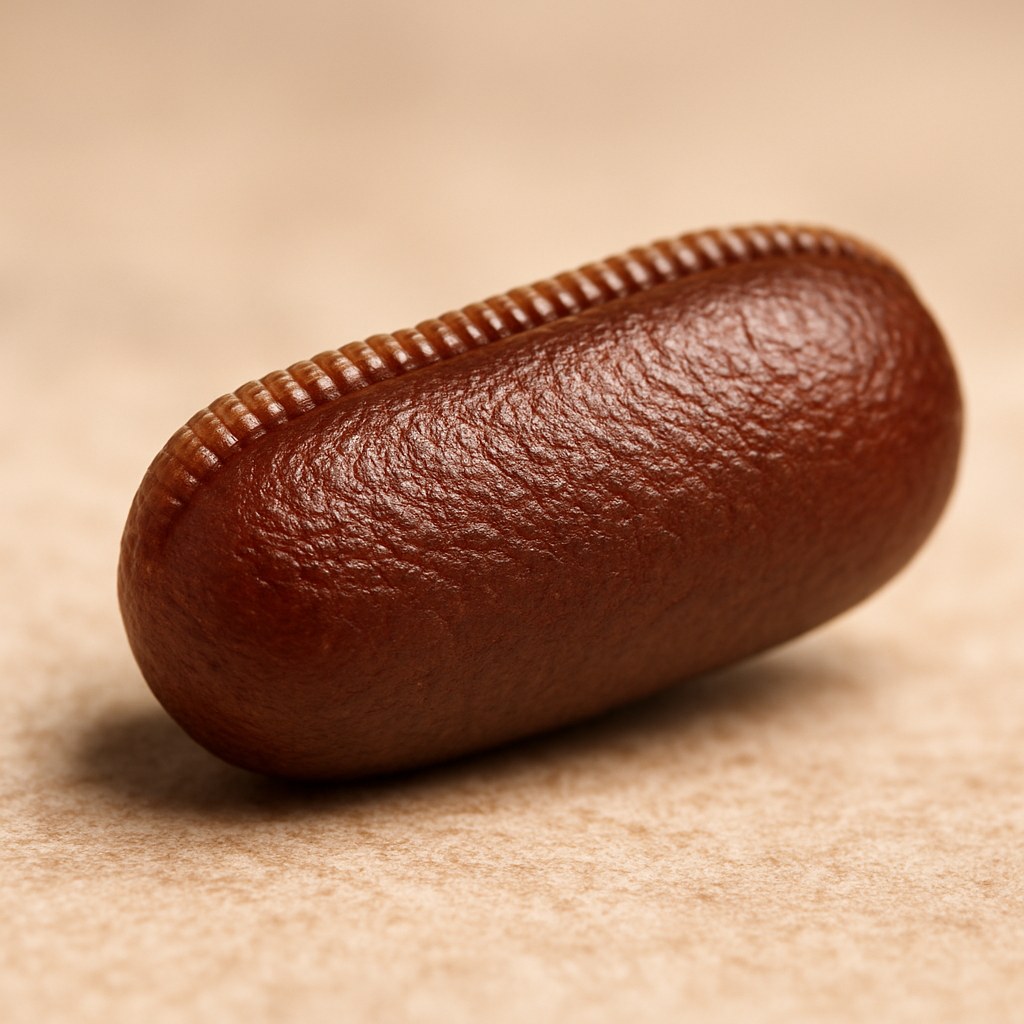
First Things First: What Do Cockroach Eggs Look Like?
Cockroaches don't lay single eggs. They produce an ootheca, a hardened case that holds many eggs.
Here’s what to look for:
- Appearance: A cockroach ootheca often looks like a small, leathery purse or a dried bean.
- Size and Shape: They are small, roughly a quarter to a half inch long, and oblong or capsule-shaped.
- Color: The color can vary from a light tan or reddish-brown to a dark, almost black, brown, depending on the species and age of the ootheca.
- Location: Roaches are masters of hiding. They deposit their egg cases in dark, warm, and humid places that are close to food and water. Common hiding spots include:
- Behind or under appliances like refrigerators, stoves, and microwaves.
- Inside cracks and crevices in walls, baseboards, and cabinets.
- In cluttered areas like pantry shelves, basements, or storage boxes.
- Under furniture and along windowsills.
German cockroaches carry the case until a day or two before it hatches, so you may see it on the roach. Brownbanded cockroaches glue theirs under furniture, on ceilings, and in closets, so look there too.
If it isn't an egg case: If the structure you see looks like it's made of paper, has a honeycomb pattern, or contains visible larvae in cells, you might be looking at a wasp nest. Leave it and call a pest control company.
Your Step-by-Step Guide to Removing Cockroach Eggs
Work in this order so you don't scatter eggs or dust.
Step 1: Gear Up and Assess the Area
- Protect Yourself: Put on disposable gloves. If anyone in the house has asthma, have someone else do this part, since roach debris can trigger it.
- Secure the Area: Make sure children and pets are kept away from the area until your cleanup is complete.
- Investigate with a Flashlight: Grab a good flashlight and shine it directly on the egg cases and the surrounding areas. Observe their size, shape, and how many you can see.
- Take Notes: Note the surface where you found them (e.g., wall, floor, inside a cabinet). Also, look for contributing factors nearby—food crumbs, moisture from a leaky pipe, or entry points like gaps under a door or around a window frame. This information will be crucial for the prevention stage.
Step 2: Safely Remove and Dispose of the Egg Cases
Getting the cases out of the house is the fastest way to cut the numbers.
- Clear the Space: If the oothecae are behind furniture or small appliances, unplug them and pull them away from the wall. Get help with a fridge, and leave a gas range where it is. You can clean around it.
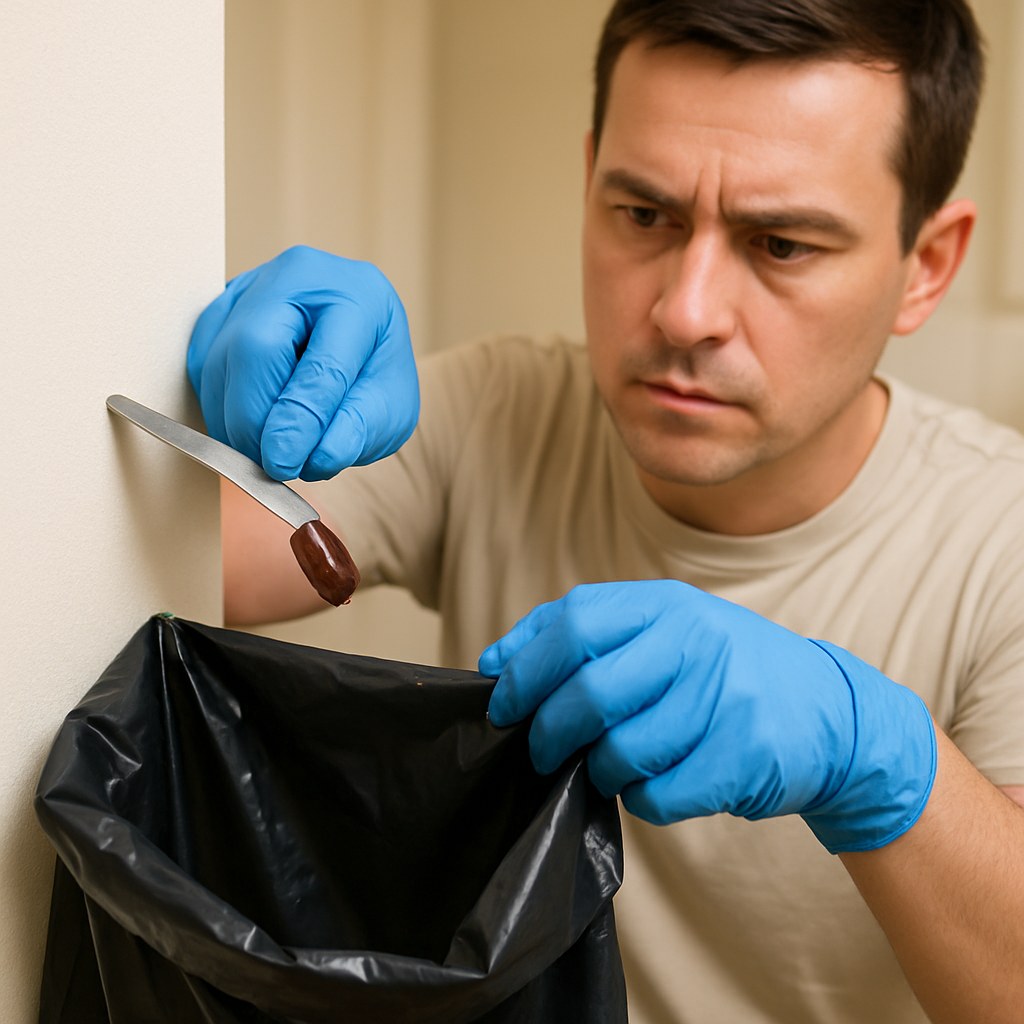
- Scrape and Collect: Hold a trash bag open with one hand. Using a stiff paper towel with the other, carefully scrape the egg cases off the surface and directly into the bag. Be gentle but firm to avoid crushing the case, which could potentially scatter the eggs.
- Seal and Remove Immediately: Once all visible egg cases are in the bag, tie it shut tightly. Don't leave it in your kitchen trash—take it to an outdoor garbage bin right away to prevent any nymphs from hatching inside your home.
- Clean the Spot Thoroughly: Mix a drop of dish soap with warm water. Dampen a clean paper towel with the soapy mixture and wipe down the exact spot where the eggs were located. This removes any lingering residue or bacteria.
- Rinse the Area: Use another paper towel dampened with plain water to rinse away any soap residue.
- Vacuum Everything: Go over cracks, the surrounding floor, and shelves with a crevice tool. The University of California suggests a HEPA or triple-filter vacuum, since shed skins and droppings cause allergies. Empty it into a sealed bag outside. If you see a lot of droppings, wet and wipe those first instead of vacuuming. Here is how to clean them up.
- Final Cleanup: Remove your gloves, dispose of them in the trash, and wash your hands thoroughly with soap and warm water.
Step 3: Bait the Adults
Place small dots of roach gel bait in cracks near where you found the cases, behind the fridge and under the sink, following the label. Keep it away from children, pets, and food. Gel baits work best where roaches hide or feed, and they dry out, so refresh them. Skip foggers, which often don't reach the crevices where roaches breed, and don't spray over the bait.
What Does an Exterminator Cost?
Thumbtack data puts the national average for a cockroach exterminator at $112 to $271, and most people pay around $174. Ask how many follow-up visits the price includes, since egg cases hatch over several weeks.
Knowing When to Call a Professional Exterminator
Ask yourself:
After cleaning, did you find more than 3 separate egg clusters, live insects (especially during the day), or cockroach droppings (which look like black pepper or coffee grounds)?
If the answer is yes, it's time to call a licensed pest control professional. They're probably hiding in wall voids, under floors, and other places you can't reach. If you rent or share walls, tell the landlord or building manager, because roaches move between units.
Ask which species it is, whether they'll bait or spray, how many visits are included, and what happens if you still catch roaches a month later.
Preventing a Future Invasion: How to Keep Your Home Roach-Free
Now make the place hard to live in.
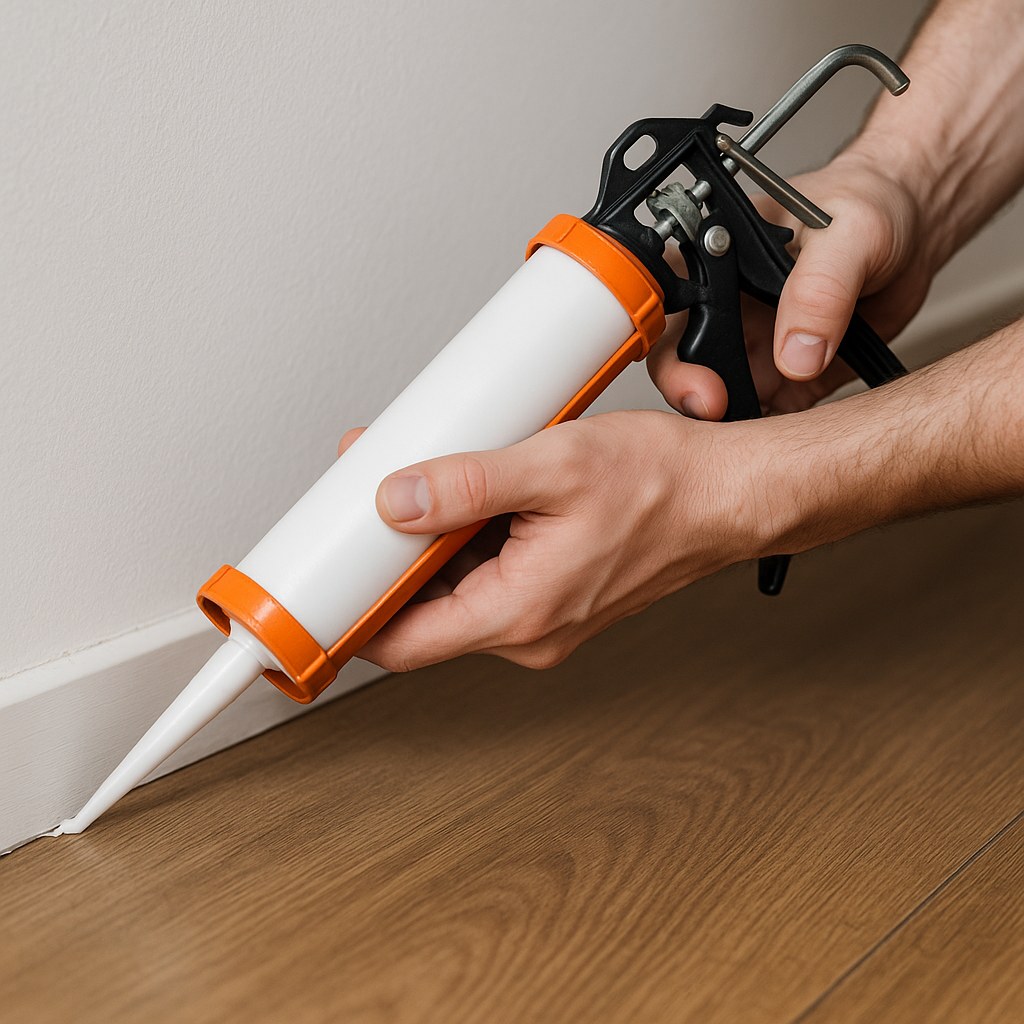
- Seal Up All Entry Points: Use a caulk gun to fill small cracks and gaps along baseboards, in corners, and around pipes under sinks. Roaches can squeeze through the tiniest openings, so a thorough sealing job is your first line of defense.
- Eliminate Their Food Supply: Roaches are opportunistic eaters. Wipe down kitchen counters, pantry shelves, and tables daily with a simple soap and water solution. Store dry goods like cereal, flour, and pet food in airtight containers instead of their original bags or boxes.
- Cut Off Water Sources: Pests are drawn to moisture. Fix any dripping faucets or leaky pipes immediately. Don't let water stand in the sink, and be sure to dry up any spills right away.
- Monitor for New Activity: Place a few sticky traps in the area where you originally found the eggs, as well as under your sink and behind the fridge. Check them weekly. If you start catching roaches, you know you have more work to do.
- Maintain a Clean Home: Vacuum all floors at least once a week to remove crumbs and other potential food sources. A clean home is a less attractive home for pests.
- Stay Vigilant: Every month, do a quick visual inspection of those common hiding spots with a flashlight. Catching a problem early is always easier than dealing with a full-blown infestation.
For gaps on the outside of the house, see How to Seal Your Home's Exterior and Foundation Against Pests.