

Updated Nov 23, 2026
How to Remove Old Wallpaper
Take off old wallpaper by type, with the power off, safe soaking and steaming steps, paste cleanup, and lead and asbestos checks for older homes.
Work out whether the paper soaks up water. Paper or fabric wallpaper comes off with warm water and a wallpaper remover, a 15-minute soak, and a plastic scraper. Vinyl or foil has to be peeled or scored first so the moisture can reach the glue. Then wash off every bit of paste before you paint. Set aside a weekend for a room.
Looking for more guidance? Take a look at our Maintenance overview.
Check the age of your home before you start. If it was built before 1978, read the next section first.
Before You Start in an Older Home
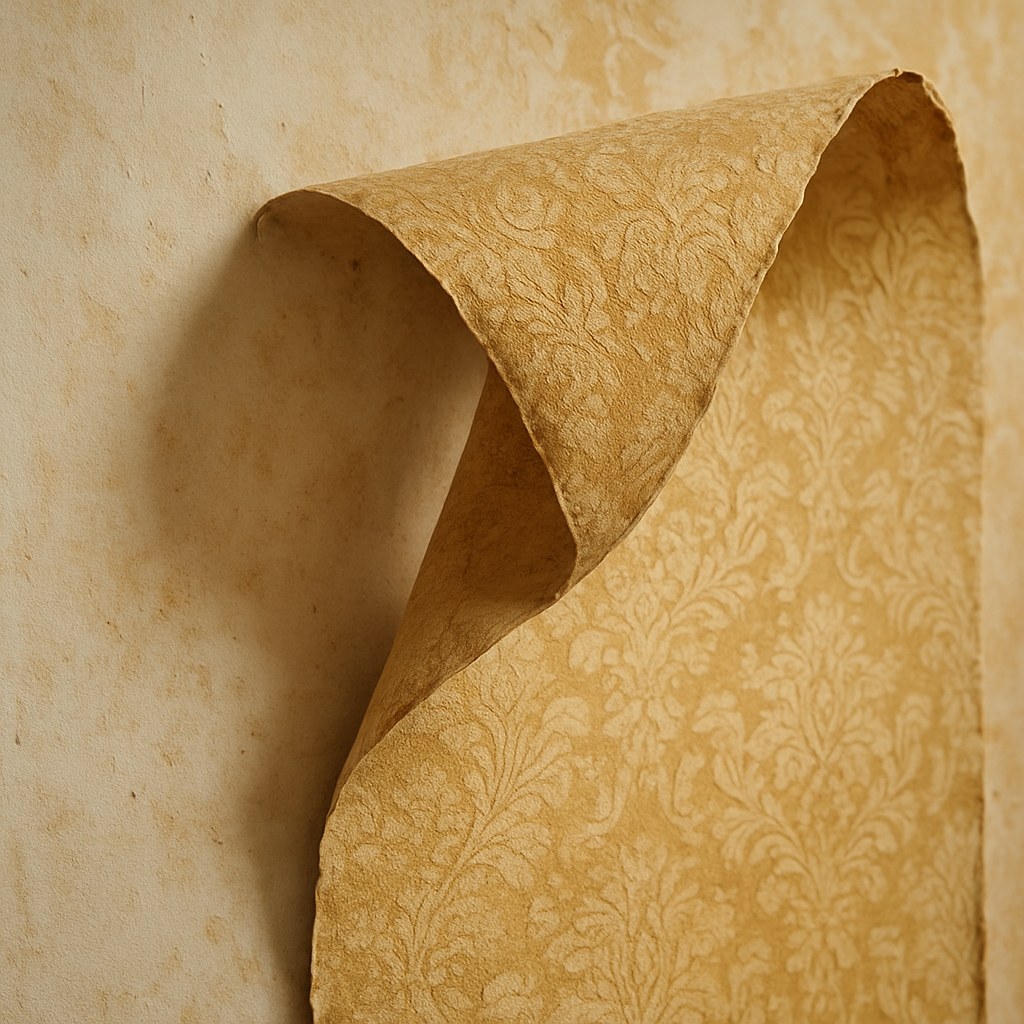
Homes built before 1978 may have lead-based paint under or over the paper, and old plaster, joint compound, or wall texture can contain asbestos. Have suspect layers tested before you scrape, score, sand, or steam. The EPA recommends hiring lead-safe certified contractors for this kind of work in pre-1978 homes. If you see mold behind a loose corner, find the leak first.
Step 1: Identify Your Wallpaper Type
Most wallpaper is either moisture-resistant (vinyl or foil) or porous (paper or fabric).
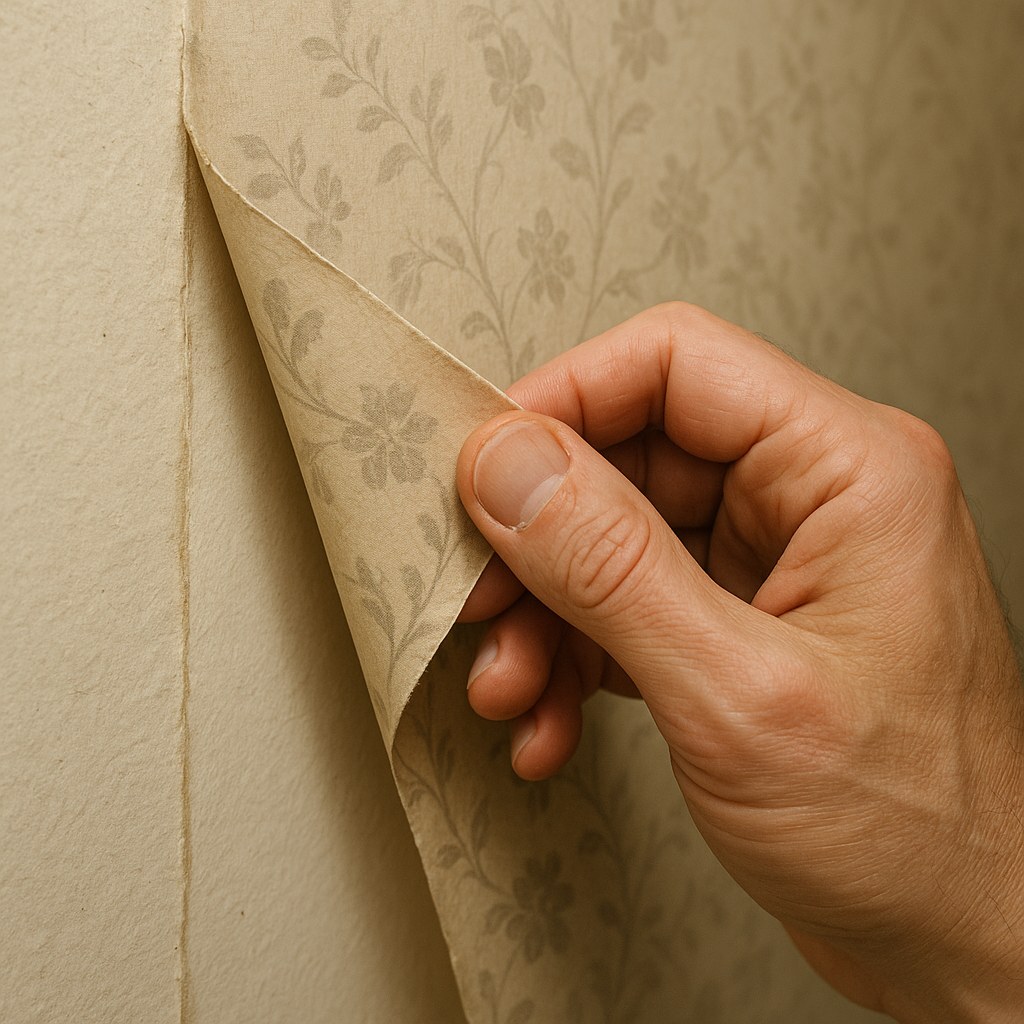
- Find a Seam: Locate a loose edge or a seam. Try to peel back a small corner with your fingernail or a utility knife.
- The Feel Test: Does the top layer peel off, leaving a paper backing behind? Does the surface feel slick, smooth, or almost plasticky? If so, you’re likely dealing with vinyl wallpaper.
- The Water Test: Drip a little water onto the surface. If the water beads up and rolls off, you have a moisture-resistant wallpaper (vinyl or foil). If it soaks in and darkens the paper, it’s likely a porous paper or fabric wallpaper.
- Count the Layers: While you have a corner peeled back, check to see if there’s more wallpaper or layers of paint underneath. Multiple layers will require more time and effort, so it’s good to know what you’re up against from the start.
Some newer papers are strippable and peel off dry in full sheets. Try that first.
Step 2: Prepare Your Room and Gather Your Tools
What You’ll Need:
- Drop cloths or plastic sheeting
- Painter's tape
- Phillips screwdriver
- Safety goggles and rubber gloves
- Wallpaper scorer (essential for vinyl/foil types)
- Pump sprayer or spray bottle
- Wallpaper removal solution (store-bought, or warm water with a little dish soap)
- Putty knife or wallpaper scraper (a plastic one is less likely to gouge your walls)
- Wallpaper steamer (optional, for stubborn paper)
- A flashlight or battery lamp, since the power will be off
- Sponges, buckets, and old towels
Setting Up Your Workspace:
- Clear the Area: Move furniture away from the walls or to the center of the room and cover it.
- Protect the Floors: Lay down drop cloths along the base of the walls you’ll be working on.
- Power Down: Turn off the breakers for the room, and check with a lamp that the outlets and lights are dead. Two circuits can feed one room. Tape a note over the breakers so nobody turns them on.
- Remove Covers: Take off outlet covers and switch plates, and cover the openings with painter’s tape to keep water out. Don't touch the wiring. Leave the power off until the walls are fully dry. If you use a steamer, run its cord from another room's GFCI outlet.
- Gear Up: Put on your safety goggles and gloves. You’re ready to begin!
Step 3: How to Remove Vinyl or Foil Wallpaper
Because these wallpapers are designed to resist moisture, you need to create a way for your removal solution to get through to the adhesive underneath. This is where scoring and steaming come in.
- Score the Surface: Take your wallpaper scorer and roll it over the entire surface of the wallpaper with light but firm pressure. Be careful not to press so hard that you cut the drywall paper beneath.
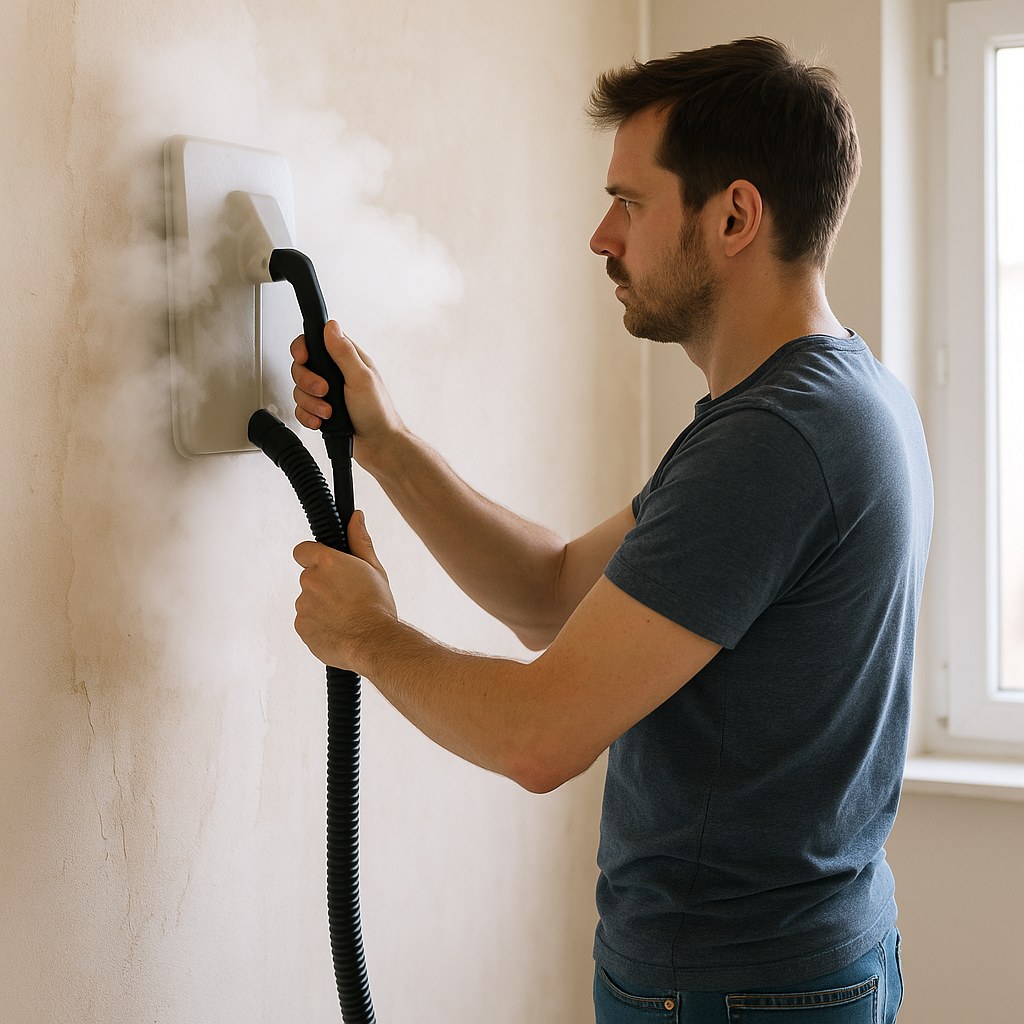
- Steam and Scrape: Follow the steamer's manual, wear long sleeves and gloves, and keep children and pets out, since steam burns. Press the plate against a small section for about 20-30 seconds, and keep it away from outlets, switches, and light fixtures. Don't hold it in one place on drywall, which can soften and crumble.
- Work in Sections: Set the steamer aside safely, then scrape the section you just steamed. Use your putty knife at a low angle to get under the paper without gouging the wall.
- Peel and Repeat: Continue this process—steam one section, scrape the last—around the room. If you only have a single layer of vinyl, the top layer might peel off easily after steaming, leaving a paper backing. You can then soak this backing with your sprayer and scrape it off. For multiple layers, you’ll need to repeat the steam-and-scrape process for each layer.
Step 4: How to Remove Paper or Fabric Wallpaper
Porous paper usually needs only a soak and a scrape.
- Mix Your Solution: Fill your pump sprayer or spray bottle with warm water and your chosen wallpaper removal solution.
- Saturate the Wall: Working in a manageable 4-foot section, spray the wallpaper until it’s fully damp. Use enough to soak the paper, not so much that water runs down the wall or into outlets.
- Let it Soak: Wait about 10-15 minutes. You should see the paper start to bubble or pull away from the wall. This is a sign the adhesive is loosening.
- Scrape and Peel: Start at a seam and use your putty knife to lift an edge. You should be able to peel away large strips. If you hit a dry, stubborn patch, just give it another spray and wait a few more minutes.
- For Multiple Layers: If you have multiple layers of paper wallpaper, you may want to lightly score the top layer (as you would with vinyl) to help the solution penetrate all the way through. You’ll need to soak and scrape each layer off individually.
Step 5: The Final Cleanup
Leftover paste makes new paint crackle and keeps new wallpaper from sticking, so wash it all off.
- Wash the Walls: Mix a fresh bucket of warm water with a little wallpaper removal solution or a few drops of dish soap.
- Scrub Gently: Use a large sponge to scrub the walls, working from top to bottom. You’ll feel the slimy, sticky residue coming off.
- Rinse Thoroughly: Go over the walls again with a clean sponge and fresh water to rinse away any remaining soap and glue.
- Dry and Inspect: Dry the walls with old towels. Once they’re fully dry (give them at least 24 hours), run your hand over the surface. It should feel smooth and clean. If you find any sticky spots, give them one more wash.
What Does Wallpaper Removal Cost?
Thumbtack puts the national average for wallpaper removal at $443 to $1,120, with most contractors charging $0.60 to $1.50 per square foot. Doing it yourself saves that labor, but walls that need repair or priming afterward add to the bill.
When to Call a Professional
Stop and call a painter or plasterer if the drywall paper is peeling off with the wallpaper, the plaster underneath crumbles, the walls feel soft, or you find mold. For high stairwells, hire someone with the right scaffold. Ask for a price per room that includes paste removal, wall repair, and priming.
Once the walls are clean and dry, prime with a product made for walls that had wallpaper before you paint.