

Jan 10, 2026
How to Deal with Mysterious Animal Footprints in Your House
Finding unexpected animal footprints on your floor can be alarming. Are they from a muddy pet or an unwelcome pest? This guide will walk you through identifying the culprit, cleaning the mess on any floor type, and securing your home against future intruders.
There are few things more unsettling than discovering a trail of mysterious footprints across your clean floor. Your mind immediately starts racing. Was it just Fido after an unsanctioned romp in the garden? Or is something else—something uninvited—making itself at home?
Looking for more guidance? Take a look at our Repairs overview.
Don’t panic. Whether you’re dealing with a simple muddy pet situation or the first sign of a pest, you can handle this. Think of it as a bit of detective work. In this guide, we’ll walk you through everything, step-by-step, just as if we were on the phone with you. We'll help you identify the culprit, clean up the mess properly, and secure your home so it doesn't happen again.
Step 1: Identify the Animal - Pet or Pest?
Before you can solve the problem, you need to know what you’re up against. The first order of business is to determine if the prints belong to a familiar furry friend or an unknown intruder.
Here’s how to start your investigation:
- Safety First: Put on a pair of disposable gloves. You don’t know what left these prints, and it’s always best to protect yourself from potential germs.
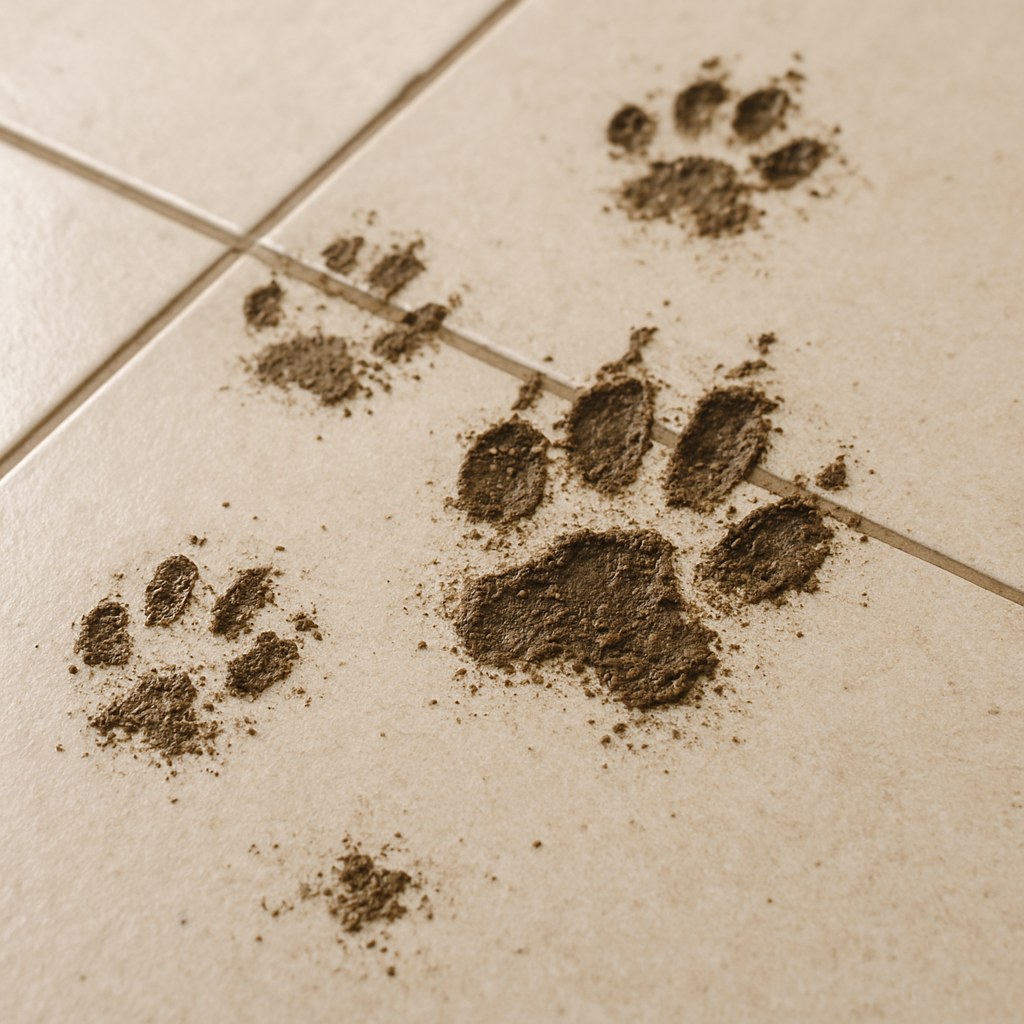
- Get a Closer Look: Kneel down to get a good look at the footprints. Note their size, shape, and the number of toes.
- Compare and Contrast: If you have pets, gently (and safely) examine their paws. Do the size and shape of the footprints on the floor match your pet's paws? Often, a dog's print is round with four toes and visible claw marks, while a cat's print is smaller, more oval, and their claws are usually retracted.
If the prints are a match for your pet, you can breathe a sigh of relief. Your mystery is solved! Now, it's just a matter of cleanup. If they don't match, however, you're likely dealing with a wild animal, and we’ll get to that in a moment.
Step 2: Cleaning Up After Your Furry Friend
Found out the culprit was just your dog or cat? Great! The only challenge now is cleaning up those muddy tracks. The method depends on whether the prints are fresh or dried and what type of flooring you have.
How to Clean Fresh, Wet Footprints
If the prints are still moist, you’ll want to act fast to prevent staining.
-
On Carpet:
- Gently blot the fresh footprints with paper towels to lift as much moisture and mud as possible. Don't rub, as this can push the dirt deeper into the carpet fibers.
- In a small bowl, mix a few drops of dish soap with warm water.
- Dip a clean microfiber cloth into the soapy solution and dab the stain, working from the outside in to prevent it from spreading.
- Rinse the cloth with clean water and dab the area again to remove any soap residue.
- Blot the spot dry with a fresh towel and, if you can, place a fan nearby for about 15 minutes to help it dry completely.
-
On Hardwood:
- Immediately wipe the footprints with a slightly damp microfiber cloth. Always wipe in the direction of the wood grain.
- Use a second, dry microfiber cloth to dry the area completely. Never leave standing water on a hardwood floor.
- For a final touch, you can use a light mist of a dedicated wood floor cleaner and buff the area with a dry cloth.
-
On Tile:
- Fill a bucket with warm water and a little dish soap.
- Use a sponge dipped in the soapy water to wipe away the footprints.
- Rinse the sponge with clean water and wipe the area again to get rid of any soap.
- Dry the tile floor thoroughly with a clean towel to prevent slips.
How to Clean Dried, Caked-On Footprints
If the mud has already dried, the process is a little different.
-
On Carpet:
- Use your vacuum cleaner’s hose attachment to suck up all the loose, dried dirt from the footprints.
- Follow the same soap and water cleaning process described above for fresh prints: dab with a soapy microfiber cloth, rinse with a clean, damp cloth, and blot dry. A fan will help it dry faster.
-
On Hardwood:
- Use a soft broom to gently sweep away any loose dirt from the prints.
- Dampen a microfiber cloth (don't soak it) and wipe the remaining marks, following the wood grain.
- Dry the spot immediately with another cloth and finish with a bit of wood floor cleaner.
-
On Tile:
- Sweep the area with a broom to get rid of the loose debris.
- Use a sponge and a bucket of warm, soapy water to scrub the remaining spots.
- Rinse the area with a clean, damp sponge and dry thoroughly with a towel.
Step 3: What if it's NOT Your Pet?
If you've ruled out your own animals, it's time to consider the possibility of an intruder. The most common uninvited guests are mice and rats, but depending on your location, it could also be a squirrel, raccoon, or opossum.
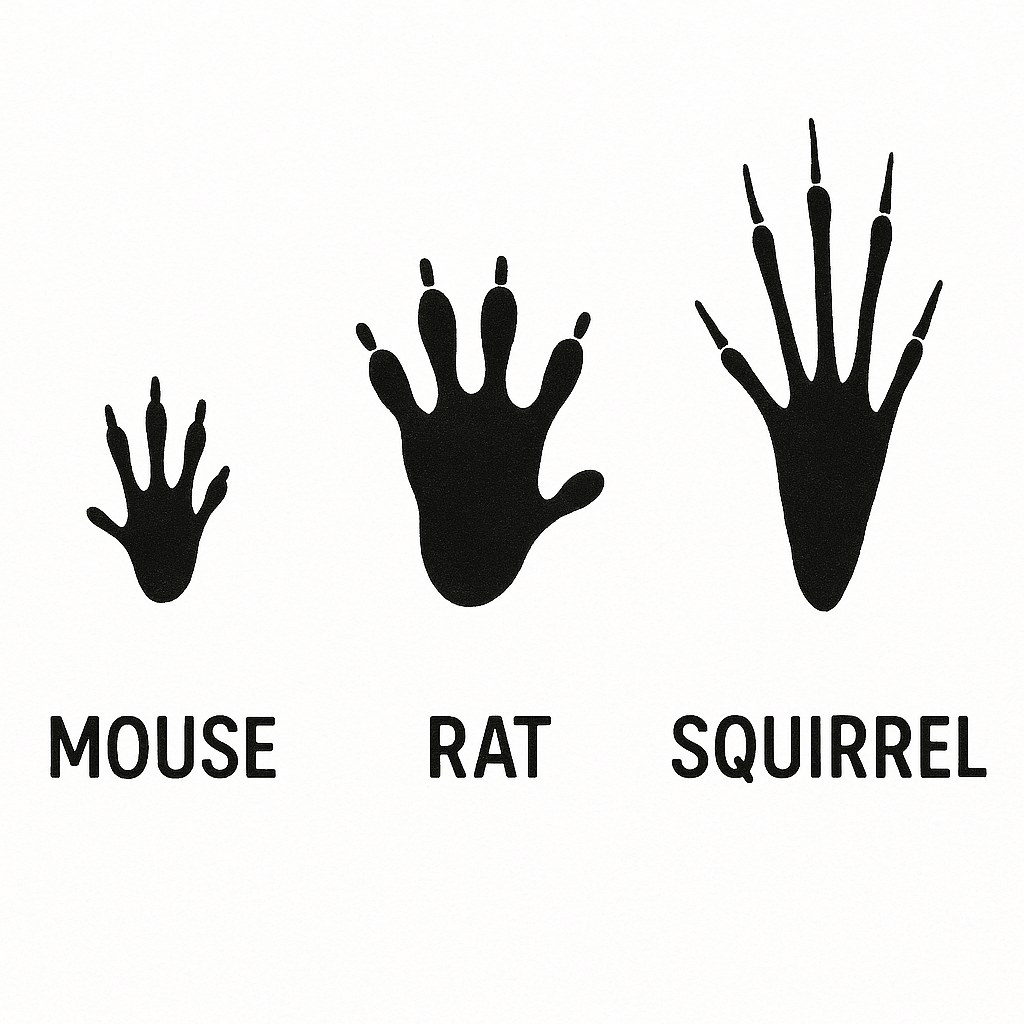
A mouse or rat can squeeze through an opening as small as a dime. According to the National Pest Management Association, rodents invade an estimated 21 million homes in the U.S. each winter. The tiny footprints they leave behind are often the first sign you have a problem.
- Mouse footprints are very small, with four toes on the front paws and five on the back. You'll often see tail drag marks between the tracks.
- Rat footprints look similar to a mouse's but are significantly larger.
- Squirrels and raccoons leave much larger, more distinct prints.
Step 4: Your Action Plan for Unwanted Pests
If you suspect a pest, your next steps depend on whether the animal is still around.
Scenario 1: You Can See or Hear the Animal in Your House
If you hear scurrying in the walls or actually see an animal, the situation is more urgent.
- Secure the Area: Immediately move any children and pets out of the room. Your primary goal is to keep everyone safe.
- Contain the Animal: Close the door to the room where the animal is. If there's a gap under the door, wedge a towel against it to prevent its escape.
- Call a Professional: This is not the time for a DIY approach, especially with larger animals like raccoons. Call a licensed pest control professional right away. They have the tools and training to remove the animal safely and humanely.
Scenario 2: You Only Found Tracks, No Sign of the Animal
If the coast seems clear, your mission is to find out how the pest got in and block its entry.
-
Inspect for Entry Points: Put on your detective hat again. Retrace the footprints and look for their origin point. Check along exterior walls, near pet doors, and around crawl-space vents. Use a flashlight to inspect dark corners, behind appliances, and around pipes. Look for tell-tale signs like gnaw marks on wood, small piles of shredded insulation, or gaps in the foundation. Feel for drafts around doors and windows.
-
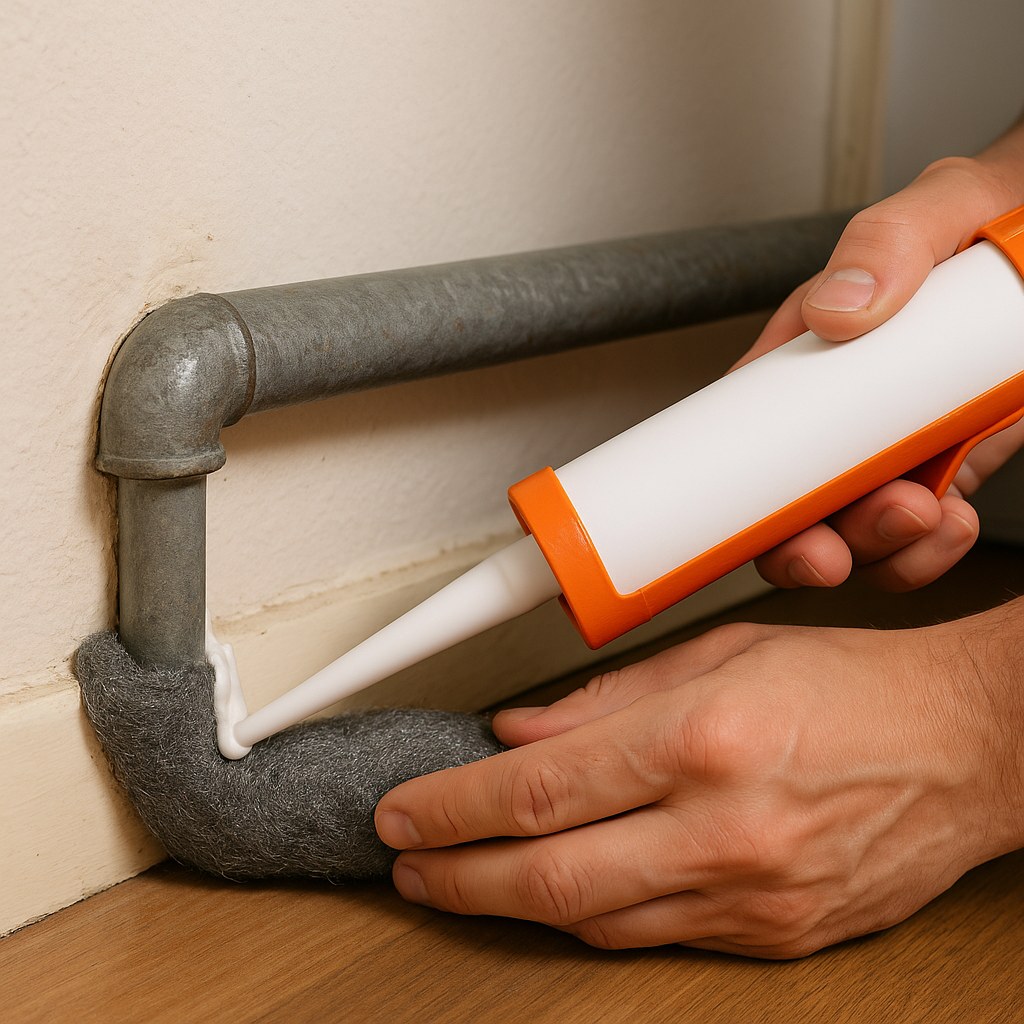
Seal the Entry Point: Once you've found a likely entry point, you need to seal it up for good.
- Put on a pair of sturdy work gloves.
- Firmly stuff the hole or gap with steel wool. Pests like mice and rats can't chew through it.
- Apply a layer of caulk over the steel wool to secure it in place and create an airtight seal. Make sure no light can be seen coming through the sealed spot.
After you've sealed the entry point, you can proceed with cleaning up the tracks using the same floor-specific methods described in Step 2. Crucially, after cleaning, you should also disinfect the area. Pests can carry bacteria and viruses, so use a household disinfectant or a diluted bleach solution to sanitize the floor where the tracks were found.
When to Call a Professional
While many minor pest issues can be handled on your own, sometimes it's best to call for backup. You should hire a pest control expert if:
- You are dealing with a larger animal like a raccoon or opossum.
- You've sealed an entry point but continue to find fresh tracks or other signs of pests (like droppings).
- You suspect you have a full-blown infestation, not just a single visitor.
A professional inspection typically costs between $100 and $300, while removal services can vary depending on the severity of the problem. It's a worthy investment for your peace of mind and the safety of your home.
Stay Proactive and Pest-Free
Discovering strange footprints in your home can be stressful, but by following these steps, you can systematically identify the cause, clean up the mess, and secure your home. Whether it's a muddy pet or a curious mouse, a calm and methodical approach will always win the day.
For more expert guides on home maintenance, DIY repairs, and knowing when to call a pro, download the Casa app today. We put the power of a home expert right in your pocket, making it easier than ever to manage and care for your home.