

Dec 4, 2025
How to Fix a Fridge or Freezer That Wont Turn On
That sinking feeling when you open your fridge to find it warm and silent is a universal fear. Before you panic about spoiled food, follow our expert guide to troubleshoot why your fridge or freezer won't turn on. Often, it's a simple fix you can do yourself in minutes.
It’s a moment of pure household dread: you reach for the milk and notice the familiar hum of the refrigerator is gone. The interior light doesn't turn on. A quick check of the freezer confirms your fears—it’s completely silent and dark. Before you start calculating the cost of spoiled groceries and expensive emergency repairs, take a deep breath. We're here to help.
Looking for more guidance? Take a look at our Repairs overview.
A refrigerator or freezer that won’t turn on is one of the most common appliance issues homeowners face. The good news is that the cause is often a simple electrical issue that you can diagnose and fix yourself in under 15 minutes, with no special tools required.
At Casa, we believe in empowering you to handle these problems with confidence. Think of us as your friendly expert on the other end of the line, ready to walk you through the process. Let’s get that appliance running again!
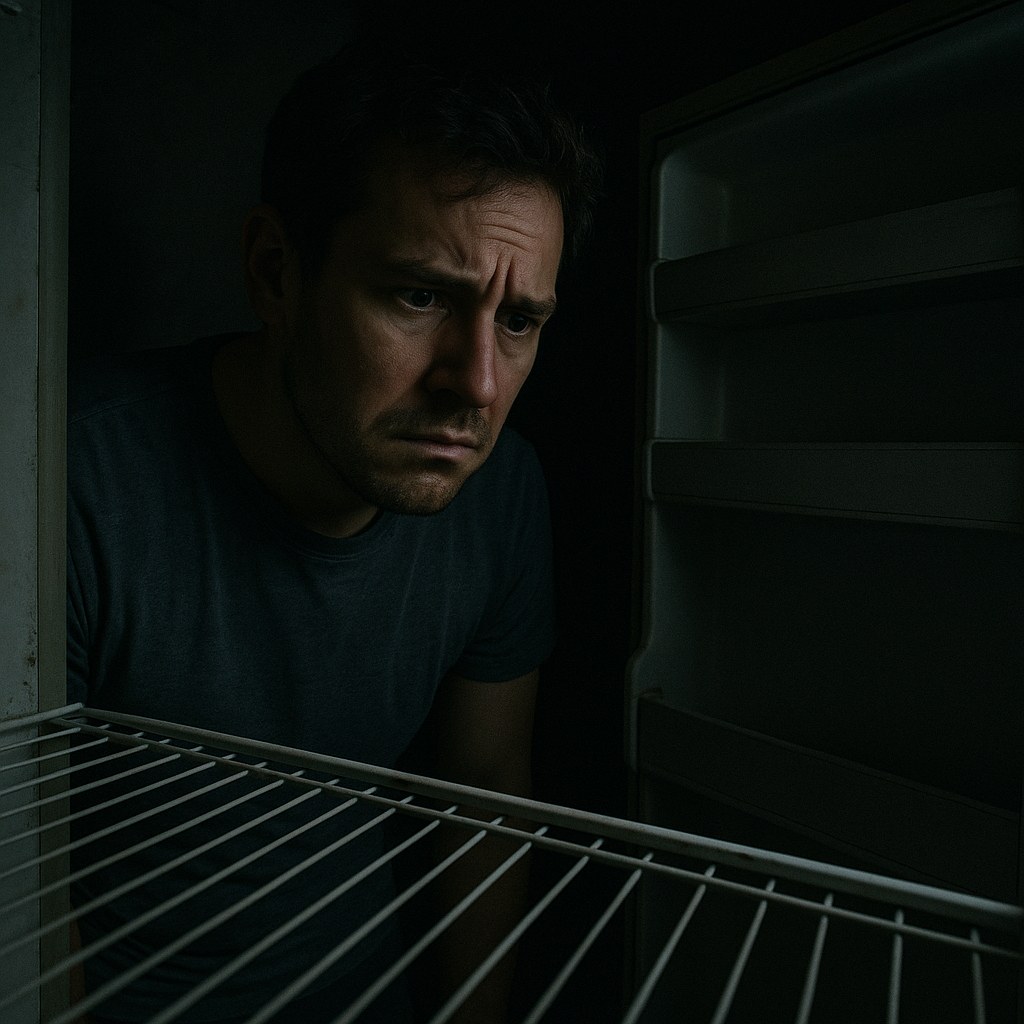
Why Did My Fridge Suddenly Stop Working?
When a refrigerator loses power, the problem usually falls into one of a few categories:
- A Simple Power Connection Issue: The plug might be loose. It sounds too simple to be true, but it happens more often than you'd think!
- A Tripped Circuit: The electrical circuit that powers your kitchen may have been overloaded and tripped the breaker.
- A Faulty Outlet: The wall outlet itself may have failed.
- An Electronic Glitch: Modern refrigerators have complex electronics that can sometimes "freeze" (no pun intended) and need a reset, especially after a power surge.
In this guide, we’ll follow a logical troubleshooting path, starting with the easiest and most common fixes first.
Step-by-Step Guide to Fixing a Fridge That Won't Turn On
Before we dive in, let’s do a quick initial check. This will help us confirm we’re on the right track.
Initial Diagnosis: Is It Completely Powerless?
First, open both the refrigerator and freezer doors. What do you see (or not see)?
- Are the interior lights off in both compartments?
- Is the control panel or digital display completely blank?
- Can you hear any fan noises or humming from either section?
If the answer is "yes" to all these questions—meaning both compartments are completely dead—then you almost certainly have a power supply issue. That's great news because it's often an easy fix!
However, if you find that the freezer light is on but the fridge is warm, or vice versa, the problem is likely an internal component like a fan, damper control, or defrost system. In that specific case, the issue is more complex than a simple power problem, and it's best to call an appliance repair technician.
For now, let's assume your appliance is completely without power. On to the first step!
Step 1: The Simplest Fix - Check the Power Plug
Let’s start with the most obvious culprit. Refrigerators are heavy and rarely moved, but plugs can still work their way loose over time due to vibrations.
- Carefully pull the refrigerator away from the wall just enough to access the power outlet.
- Inspect the power cord. Look for any visible signs of damage, fraying, or burn marks on the cord or the plug's prongs. If you see any damage, stop immediately and call a professional. A damaged cord is a serious fire hazard.
- Firmly push the plug into the wall outlet. Make sure it’s seated securely and completely. Sometimes a plug that looks connected is just barely making contact.
After securing the plug, check if the lights or fans have turned back on. If they have, congratulations! You've just solved the problem. Push your fridge back into place and you're done. If it’s still silent, don't worry. Let's move to the next step.
Step 2: Is the Outlet the Culprit? Test It!
If the plug is secure but the fridge is still dead, the next logical step is to determine if the wall outlet is providing any power.
- Unplug the refrigerator from the wall outlet.
- Find a small, simple appliance that you know is working, like a lamp, a radio, or a phone charger.
- Plug that test appliance into the same outlet and see if it turns on.
This simple test tells us everything we need to know.
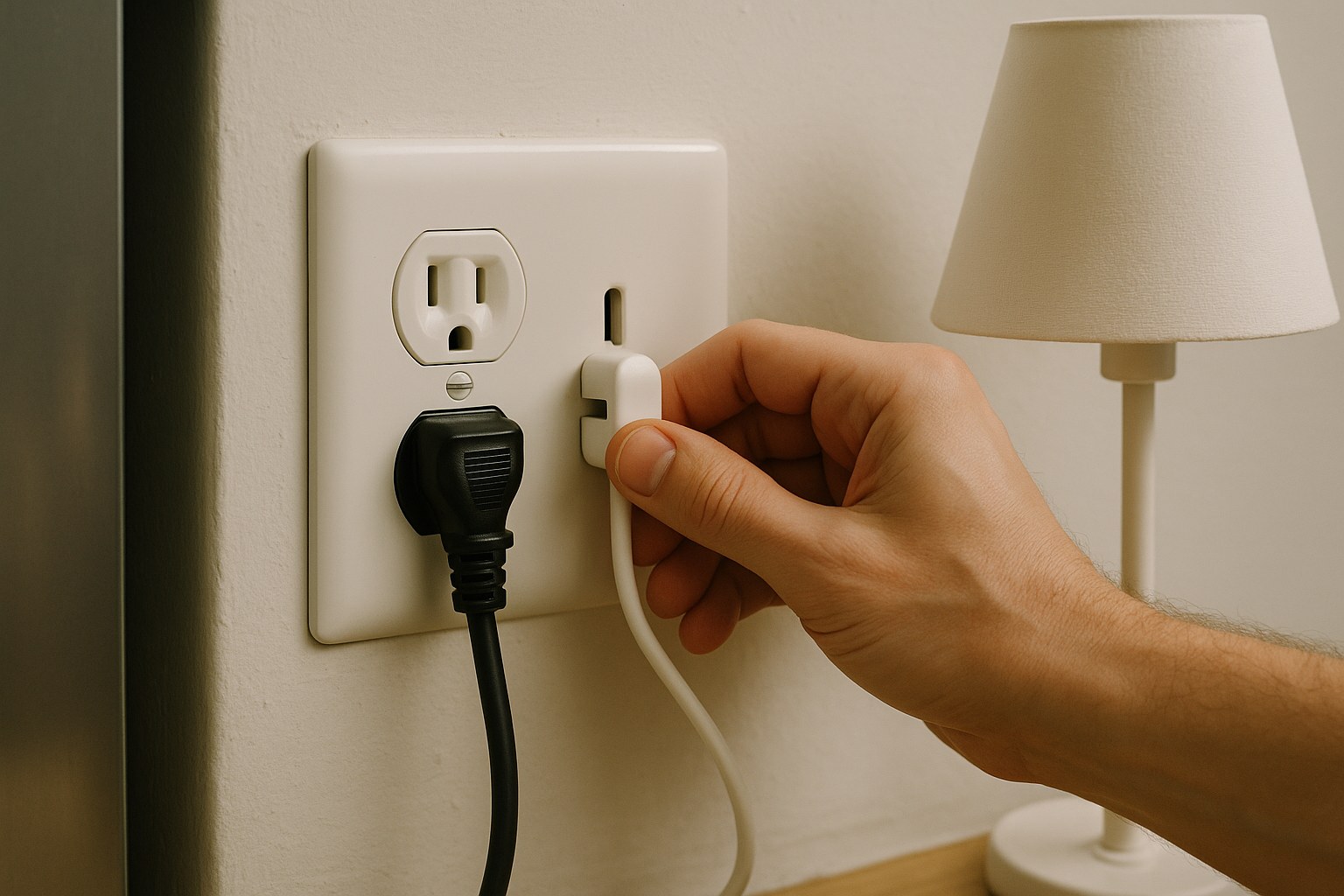
If your test appliance DOES NOT turn on: The problem isn't your fridge; it's the electrical circuit. This is almost always due to a tripped circuit breaker. Here’s how to check:
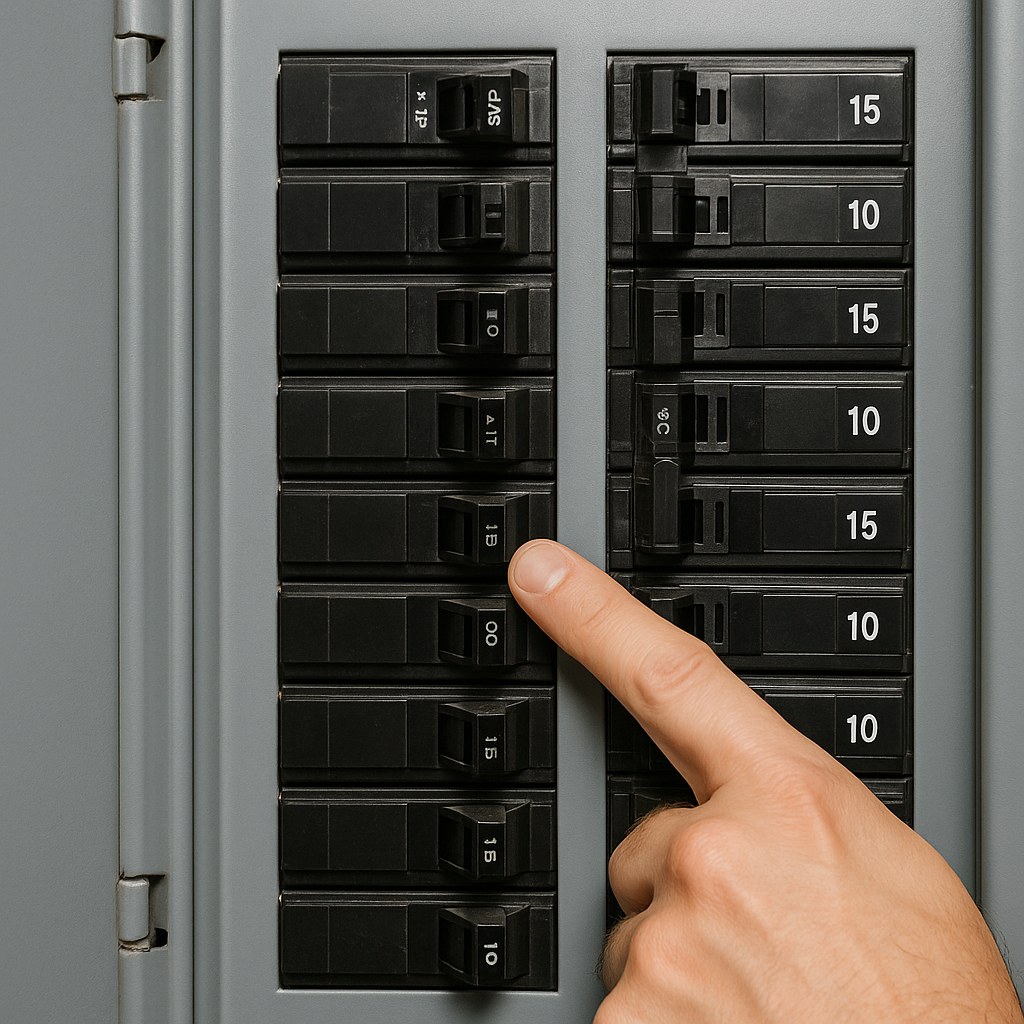
- Locate your home's main electrical panel (also called a breaker box). It's usually in the basement, garage, a utility closet, or hallway.
- Open the panel door and look for a tripped breaker. Most modern breakers have a switch. A tripped breaker will be in the middle position, between ON and OFF, or it may have a red or orange indicator window.
- Reset the breaker. To do this, you must first push the switch firmly to the full OFF position and then flip it back to the ON position.
- Return to the kitchen and check your test lamp again. If it now turns on, you've restored power to the circuit! You can now unplug the lamp and plug your refrigerator back in. It should power on within a few moments.
If the breaker trips again immediately after you plug the fridge in, it could signal a short in the appliance, and you should call an appliance technician. If the breaker won't reset or the outlet still doesn't work, it's time to call a licensed electrician.
If your test appliance DOES turn on: This tells you the outlet is working and receiving power. The problem lies within the refrigerator itself. But don't give up yet—we still have a very common fix to try.
Step 3: Give Your Fridge a Digital Reboot
Just like a computer or smartphone, a modern refrigerator's electronic control board can sometimes glitch, especially after a brief power outage or surge. A simple "hard reset" can often resolve the issue.
- Unplug the refrigerator from the wall outlet.
- Leave it unplugged for at least 5 minutes. This is crucial, as it gives the internal capacitors time to fully discharge and clears any lingering electronic faults.
- While it's unplugged, if your fridge has a visible "Power" or "Reset" button on the control panel, press and hold it for about 10 seconds to help discharge the system.
- Plug the refrigerator back in.
Listen closely. You should hear a click, followed by the hum of the compressor or fan kicking in. The lights should also come on. If this worked, you’ve successfully rebooted your fridge's brain.
When to Call for Backup
If you've tried all the steps above and your refrigerator still won't turn on, you've done all the essential DIY troubleshooting. The issue is likely an internal component, such as a faulty control board, a bad thermostat, or a failed compressor relay.
At this point, it's time to call a professional appliance repair technician. The cost of a professional repair can vary, but according to HomeAdvisor, the average refrigerator repair costs between $200 and $330. A diagnostic visit alone may cost between $75 and $150, which is often applied to the final repair bill. While it's an expense, it's far cheaper than replacing the entire appliance.
Final Thoughts: Your Home Maintenance Partner
Facing a dead refrigerator is stressful, but as you've seen, the solution is often simpler than you think. By systematically checking the plug, outlet, and breaker, and performing a quick electronic reset, you can solve the majority of power-related fridge issues yourself and save a significant amount of money.
Feeling empowered? That's what we're all about at Casa. We're here to help you become the master of your domain, one simple fix at a time.
For more easy-to-follow home maintenance guides, expert tips, and a direct line to vetted professionals for the jobs you can't handle alone, download the Casa app today. Think of it as having a friendly expert in your pocket, ready to help you tackle any challenge your home throws at you.