

Mar 11, 2026
How to fix a heat pump that wont turn on
A heat pump that refuses to start can be stressful, but the solution is often simple. Learn how to troubleshoot your thermostat, breakers, and filters safely.
Realizing your heat pump won't turn on can cause an immediate spike in stress, especially if the temperature inside your home is dropping. However, a silent heat pump does not automatically mean you are facing a major repair.
Looking for more guidance? Take a look at our Repairs overview.
Heat pumps are designed with built-in safety mechanisms. Often, they will shut themselves down to prevent internal damage if they detect a simple airflow restriction or a minor power interruption. Before you call a technician, there are several straightforward, safe steps you can take to diagnose and potentially resolve the issue yourself.
What the symptoms usually indicate
When a heat pump fails to start, you will typically notice one or more of the following:
- A blank thermostat display: This points to a power issue at the control level, often just dead batteries.
- The heat pump not starting: If the system is completely unresponsive even when the thermostat is on, it may be a tripped circuit breaker or an internal safety lockout.
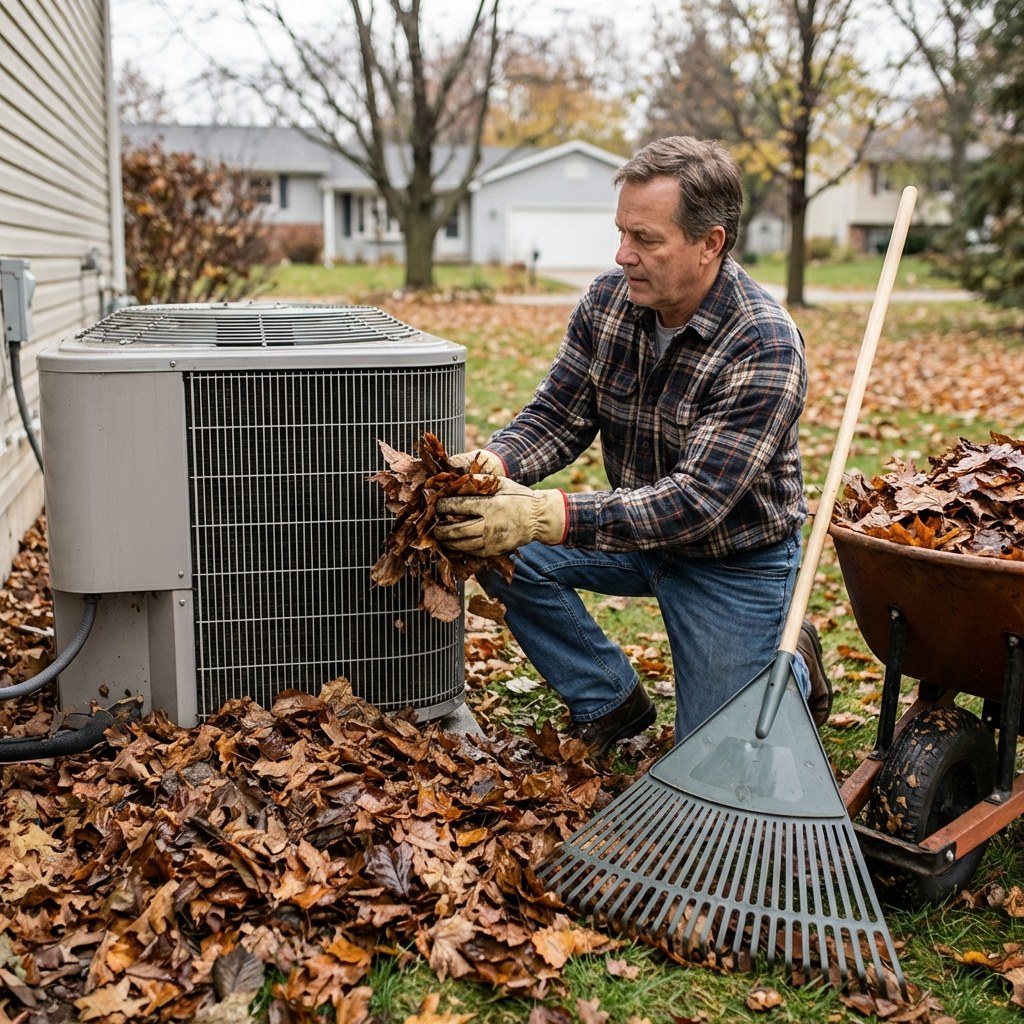
- Debris in the air condenser unit: Leaves, snow, or ice buildup on the outdoor unit restricts airflow, causing the system to protect itself by shutting down.
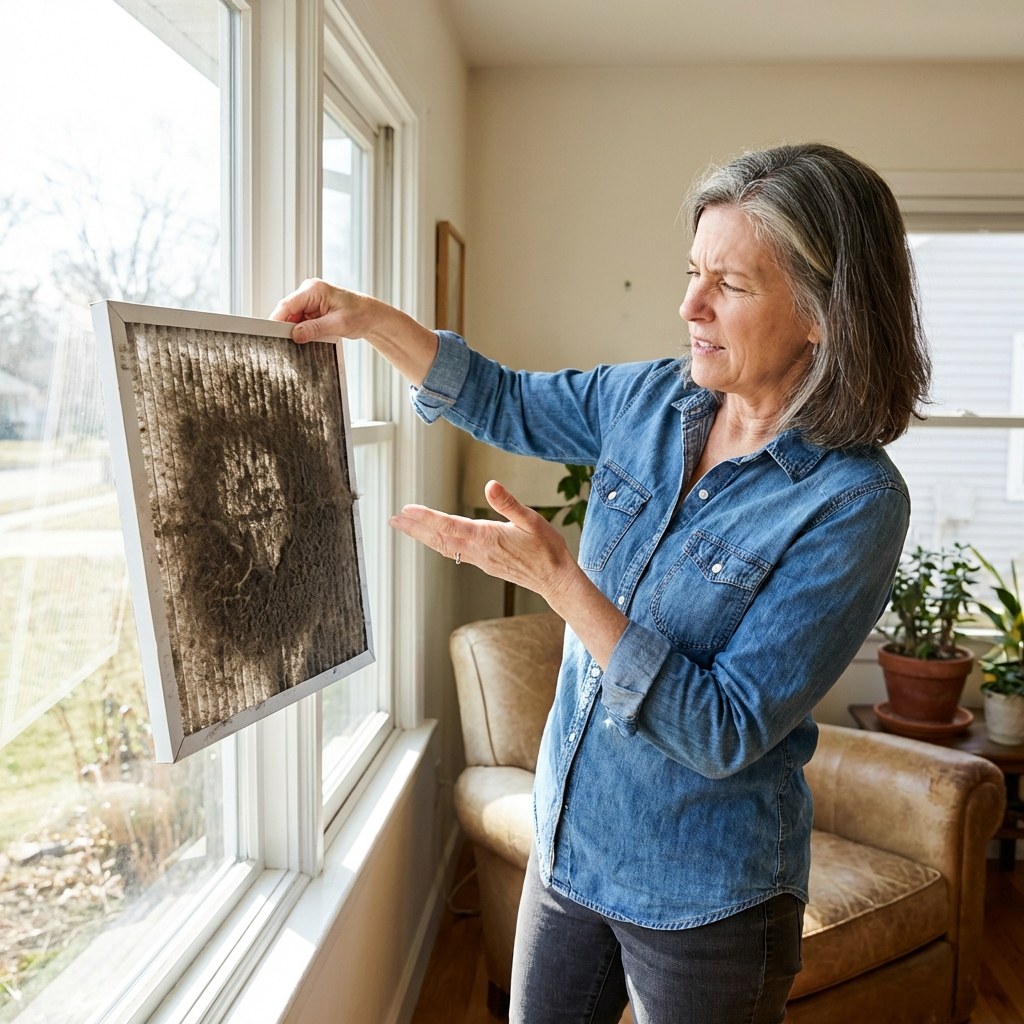
- A dirty air filter: A clogged filter chokes the system of air, which can trigger safety sensors that disable the unit.
Here is a step-by-step guide to tracking down the root cause and getting your heat pump running again.
Step-by-step diagnosis
1. Check the thermostat power
Stand in front of your thermostat. Is the display completely blank? If so, the system simply might not be receiving the command to turn on.
Gently pull the faceplate off the thermostat to expose the battery compartment. Remove the old batteries and insert two new AA batteries, making sure to match the positive and negative markings. Reattach the faceplate until it clicks into place, and wait about 60 seconds for the device to reboot. If the thermostat still does not power on, it is time to stop and call a professional, as there may be a wiring issue.
2. Verify thermostat settings
If your thermostat is powered on, ensure it is actually asking the system to heat your home. Press the mode button and select "Heat." Then, raise the set temperature at least 5 degrees Fahrenheit above the current room temperature. Listen for a click from the thermostat, and wait up to 3 minutes. Heat pumps have built-in delays to protect their compressors.
If the system starts, you are good to go. If it remains off, move to the next step.
3. Inspect the circuit breaker
Sometimes, a minor electrical surge causes the heat pump's circuit breaker to trip. Locate your home's electrical panel (often in a basement, garage, or utility closet). Look for the breaker labeled "Heat Pump" or "HVAC."
Even if it does not look fully tripped, push the breaker firmly to the "Off" position. Wait 10 seconds, then push it firmly back to the "On" position. Return to your thermostat and wait another 3 minutes. If the heat pump still does not start, leave the breaker on and proceed to check the outdoor unit.
(Note: If the breaker trips immediately after you reset it, stop. Do not reset it again. Call a licensed HVAC technician to diagnose the electrical fault.)
4. Examine the outdoor unit
Walk outside to your heat pump condenser. Carefully remove any leaves, snow, or debris resting on the top or sides of the unit by hand.
Next, look for thick ice on the internal coils or fan blades. If the unit is encased in ice, go back inside and set your thermostat to "Emergency Heat." This utilizes your backup heating strips while allowing the outdoor unit to thaw. Wait up to 2 hours for the ice to melt. Once the unit is clear, switch the mode back to standard "Heat" and wait 3 minutes.
5. Check your indoor air filter
A severely clogged filter is a very common reason for a system shutdown. Go indoors to your air handler or return-air grille and slide the filter out.
Hold the filter up to a bright light or a window. If you cannot see any light passing through the material, the filter is too dirty and is restricting airflow. Purchase a new filter in the exact same size. Turn off your HVAC system at the thermostat, slide the new filter in (ensuring the airflow arrows point toward the equipment), and close the panel. Turn the thermostat back to "Heat" and wait 3 minutes.
Tracking filter changes can be tedious, but you can log your filter sizes and replacement schedule in your Casa profile so you never have to guess when it's time for a fresh one.
Safe to try vs. When to call a professional
Safe to try yourself:
- Replacing thermostat batteries.
- Adjusting thermostat settings and modes.
- Resetting the HVAC circuit breaker one time.
- Clearing exterior debris and melting ice via the Emergency Heat setting.
- Replacing a dirty air filter.
When to stop and call a professional:
- The thermostat remains blank after new batteries are installed.
- The circuit breaker trips immediately after being reset.
- The heat pump refuses to start after you have verified power, cleared the outdoor unit, and installed a clean air filter.
- You hear grinding, screeching, or buzzing noises coming from the equipment.
At this point, you need a licensed HVAC technician to diagnose potential issues with the control board, sensors, or refrigerant levels.
Typical time and cost ranges
Troubleshooting this issue yourself requires very little time or money:
- Working time: 15 to 30 minutes (up to 2 hours if you need to melt ice off the outdoor unit).
- DIY costs: $5 for batteries or $15 to $30 for a high-quality replacement air filter.
- Professional repair costs: If you need to hire an HVAC technician, expect a standard service call fee ranging from $100 to $250 just for the diagnosis. Repairs for control boards or wiring can range from $150 to $600 depending on the specific part and labor required.
Short recap
A heat pump that won't turn on is frequently easily resolved. By methodically checking the thermostat power, confirming your temperature settings, resetting the breaker, clearing the outdoor condenser, and verifying your air filter is clean, you can rule out the most common culprits. If the system still refuses to operate after these basic checks, it is time to bring in an expert to handle internal electrical or mechanical faults safely.
For more guidance on maintaining your home's critical systems, download the Casa app. Casa provides you with an always-on home advisor to help you track maintenance schedules, understand your home's specific needs, and manage repairs with quiet confidence.