Jan 2, 2026
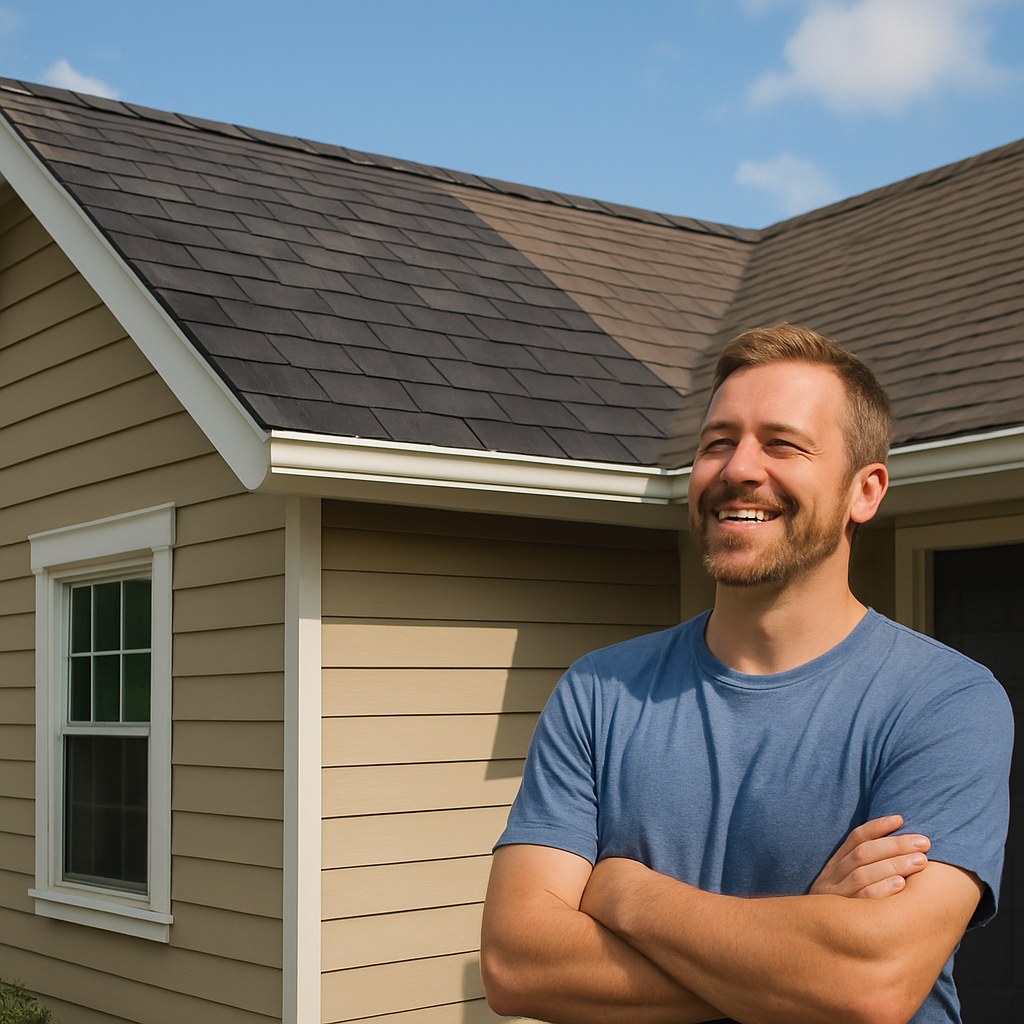
How to Fix Damaged Roof Shingles A DIY Guide
Spotted a cracked, curled, or missing shingle on your roof? Don't wait for a small issue to become a major leak. This guide will walk you through how to safely assess the damage and replace your own shingles, helping you decide if it's a DIY job or time to call a pro.
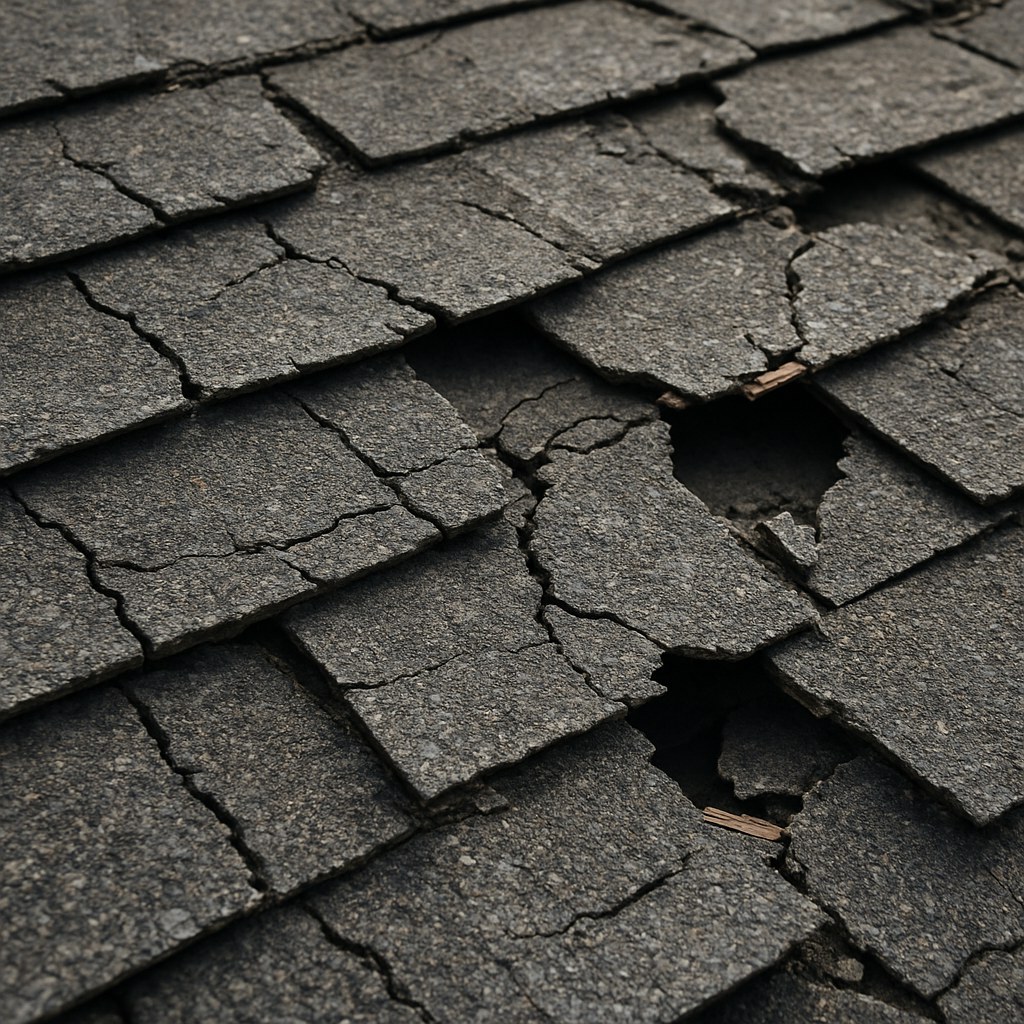
It’s a sight that makes any homeowner’s stomach drop: a single shingle lying in the yard after a windy night, or a dark water spot appearing on the ceiling. Your roof is your home’s first line of defense against the elements, and its shingles are the soldiers on the front line. When they’re damaged, cracked, or missing, it leaves your home vulnerable to leaks, rot, and serious structural issues.
Looking for more guidance? Take a look at our Repairs overview.
The good news is that fixing a few damaged shingles is often a manageable and affordable DIY project. Ignoring the problem, however, can lead to costly repairs down the line. A minor roof repair might cost a few hundred dollars, but extensive water damage can run into the thousands. According to Forbes Home, the national average cost for roof repair is around $1,058, but a simple shingle replacement can be much less if you do it yourself.
So, let's talk about how you can tackle this project with confidence. Think of me as your expert buddy on the other end of the line, here to walk you through it. We’ll cover everything from safely assessing the damage to replacing the shingles yourself.
First Things First: Is It Safe to Go on Your Roof?
Before you even think about grabbing a ladder, we need to talk about safety. Working on a roof can be dangerous, and no repair is worth an injury. Your safety is the absolute priority.
Here’s a quick safety checklist to run through:
- Check the Weather: Never work on a roof in wet, icy, or windy conditions. Look for a clear, calm day with at least 24 hours of dry weather in the forecast. A damp roof is a slippery roof.
- Assess the Slope (Pitch): From the ground, take a look at how steep your roof is. If it has a gentle slope and you feel comfortable walking on it, you might be okay. If it’s very steep (a pitch greater than 6/12, meaning it rises 6 inches for every 12 inches of horizontal run), it’s best to leave the job to a professional with the proper safety gear.
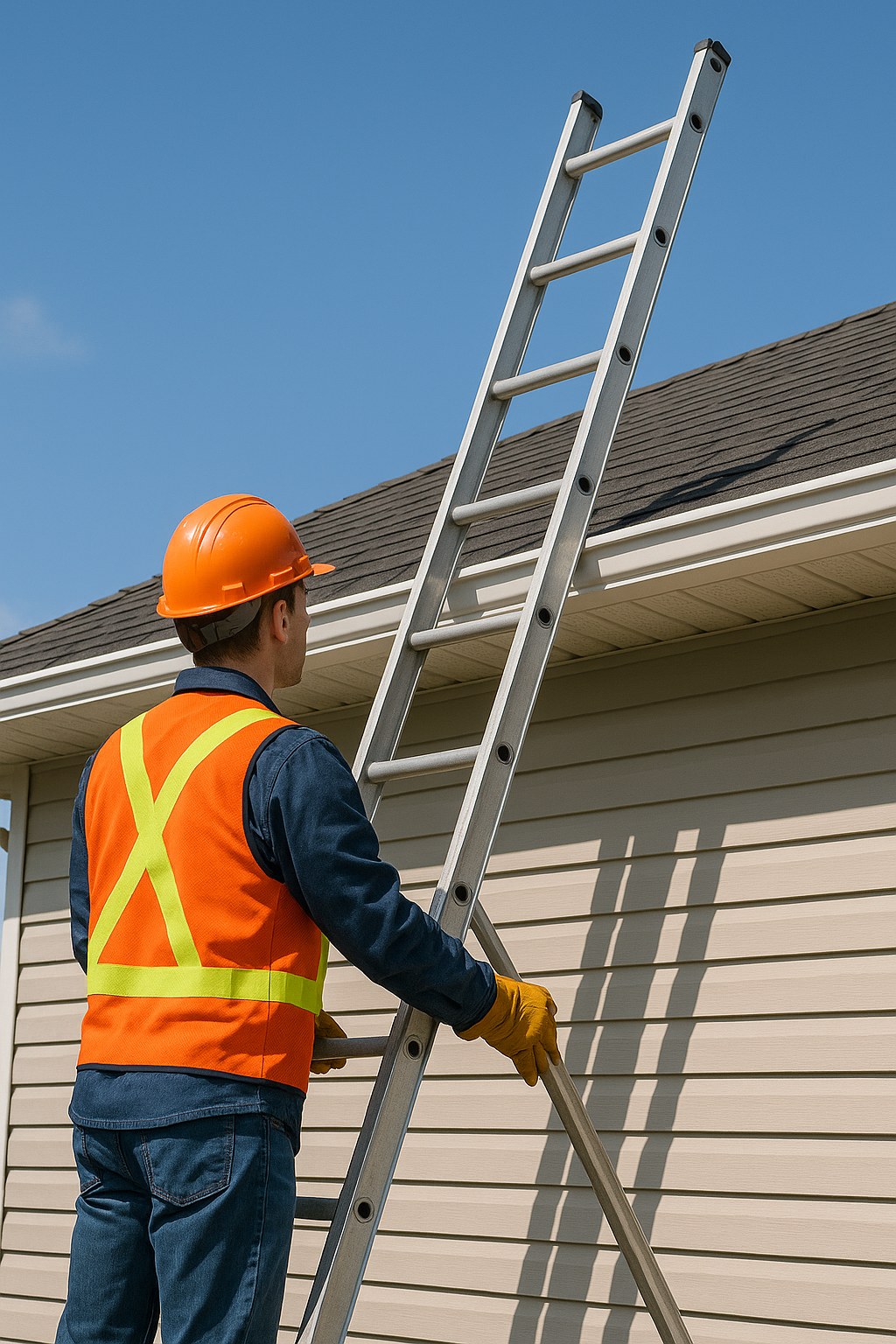
- Use the Right Ladder: Your ladder should be sturdy and placed on firm, level ground. A critical rule of thumb is to extend it at least three feet above the edge of the roof. This gives you something secure to hold onto as you get on and off.
- Wear the Right Gear: Sturdy, non-slip rubber-soled boots are a must. They’ll give you the traction you need to move around safely.
If at any point you feel unsafe or unsure, stop. A professional roofer has the training and equipment to handle the job safely. There’s no shame in calling for backup!
Step 1: Determine the Scope of the Damage
Okay, so the weather is good, the roof is accessible, and you’re ready to investigate. It’s time to climb up and see exactly what you’re dealing with.
Once you’re safely on the roof, stay low and move carefully. Your goal is to figure out if this is a small patch job or a sign of a larger problem.
- Count the Damaged Shingles: Walk around the areas where you spotted damage from the ground. Count every shingle that is cracked, curled, broken, or missing entirely.
- Check Multiple Sections: Is the damage contained to one small area, or do you see problem spots on different sections of the roof? Widespread damage can indicate a more systemic issue.
- Identify Your Shingle Type: Note what your shingles are made of. The most common type is asphalt, but you might have wood, slate, or metal. The repair process is different for each.
- Inspect the Attic: Before you come down, pop your head into the attic. Use a flashlight to check the underside of the roof deck for any water stains, dark spots, or signs of moisture. This can reveal hidden leaks that aren't yet visible from the outside.
The Verdict: DIY or Call a Pro?
Here’s a simple rule to follow: If you find more than 10-15 damaged shingles, or if the damage is spread across multiple sections of the roof, it’s time to call a licensed roofing contractor. This could be a sign that your roof is nearing the end of its lifespan and may need a significant repair or full replacement.
If the damage is limited to just a few shingles in one area, and you’re comfortable with the work, it’s likely a perfect DIY project.
Step 2: How to Replace Damaged Shingles
You’ve assessed the situation and determined it’s a manageable repair. Great! Let’s get to work. We’ll break this down by the most common shingle types. Remember to wear a roof safety harness for any of these repairs.
How to Replace Asphalt Shingles
This is the most common type of shingle and the most DIY-friendly to repair.
Tools You’ll Need:
- Pry bar or flat bar
- Hammer
- Utility knife
- Roofing nails (1 ¼ inch)
- Roofing cement/sealant
- Replacement asphalt shingles
The Process:
- Break the Seal: The shingles are sealed to each other with a tar strip. Gently slide your pry bar under the shingle directly above the one you’re replacing to break this seal. Do this for the tabs on both sides.
- Expose the Nails: With the shingle above lifted, you’ll see the row of nails holding the top edge of your damaged shingle in place.
- Remove the Nails: Slide the pry bar under the damaged shingle and position it under one of the nails. Gently pry the nail out. Repeat for all four nails.
- Remove the Old Shingle: Once the nails are out, the shingle should slide right out.
- CRITICAL CHECK: Look at the exposed roof deck. Is the underlayment (the black paper) intact? Is the wood underneath firm? If you see torn underlayment or the wood feels soft and spongy, this indicates water damage. Stop immediately and call a professional.
- Install the New Shingle: Slide the new shingle into place, making sure it’s aligned with the ones next to it.
- Nail It Down: Secure the new shingle with four roofing nails along the top edge, in the same spots as the old ones. Don’t drive the nails in too far, as this can damage the shingle; they should be flush with the surface.
- Reseal: Apply a small dab of roofing cement under the tabs of the overlapping shingle you lifted earlier. Press it down firmly to create a new, watertight seal.
How to Replace Wood Shingles
Wood shingles require a slightly different technique because they are more rigid.
Tools You’ll Need:
- Wood chisel
- Hammer
- Hand saw
- Replacement wood shingle
- Roofing nails
The Process:
- Split the Old Shingle: Place the chisel in the middle of the damaged wood shingle and tap it with a hammer to split it. Remove the broken pieces.
- Cut the Old Nails: You’ll see the nails that held the old shingle. You can’t easily pry them out. Instead, use the chisel or a hacksaw blade to cut them off flush with the roof deck.
- Prepare the New Shingle: Measure the gap and trim your replacement shingle with a hand saw, leaving about a ⅛-inch gap on each side for expansion.
- Install and Secure: Slide the new shingle into the gap. Instead of nailing it directly, you’ll drive two nails into the roof just below the edge of the shingle above it, so the overlying shingle will cover the nail heads.
- Seal the Nails: For extra protection, you can put a dab of sealant over the nail heads before pressing the overlying shingle down.
How to Replace Slate or Metal Shingles
Slate and metal are specialized materials that are heavy, fragile (in the case of slate), and tricky to work with. They often require specific tools like a slate ripper or a drill with a specific bit.
While the process is outlined in our advanced guides, we strongly recommend that for these materials, you call a professional roofer. The risk of causing more damage or installing the replacement improperly is high, which could lead to much bigger problems.
Final Thoughts: Protect Your Biggest Investment
Fixing a few damaged shingles is one of the most impactful maintenance tasks you can perform as a homeowner. By catching it early, you’re not just replacing a shingle—you’re protecting your home’s structure, preventing mold, and saving yourself from a massive headache down the road.
This guide should give you the confidence to assess the situation and tackle minor repairs. But remember, every home and every roof is different. If you get up there and feel like you’re in over your head, that’s perfectly okay.
That’s where Casa comes in. We designed the Casa app to be your trusted partner in home maintenance. You can find more detailed, step-by-step guides for hundreds of projects, get reminders for important maintenance tasks, and—when you need one—connect with a vetted, licensed professional in your area.
Don’t let a small roof issue keep you up at night. Download the Casa app today and take control of your home maintenance with confidence.