

Updated Nov 23, 2026
How to Fix Wrinkled Carpet and Smooth Out Your Floors
Wrinkled carpets are more than just an eyesore; they're a tripping hazard. Fix wrinkled wall-to-wall carpet by restretching or smooth an area rug that won't lie flat, and know when to call a flooring specialist.
Carpet wrinkles, ripples and buckles are unsightly, and they can be a tripping hazard. They can also cause extra wear on the carpet fibers.
Looking for more guidance? Take a look at our Repairs overview.
Whether you have a ripple in wall-to-wall carpet or an area rug that won't lie flat, fixing it is often a manageable DIY project. This guide helps you diagnose the problem and choose the right tools.
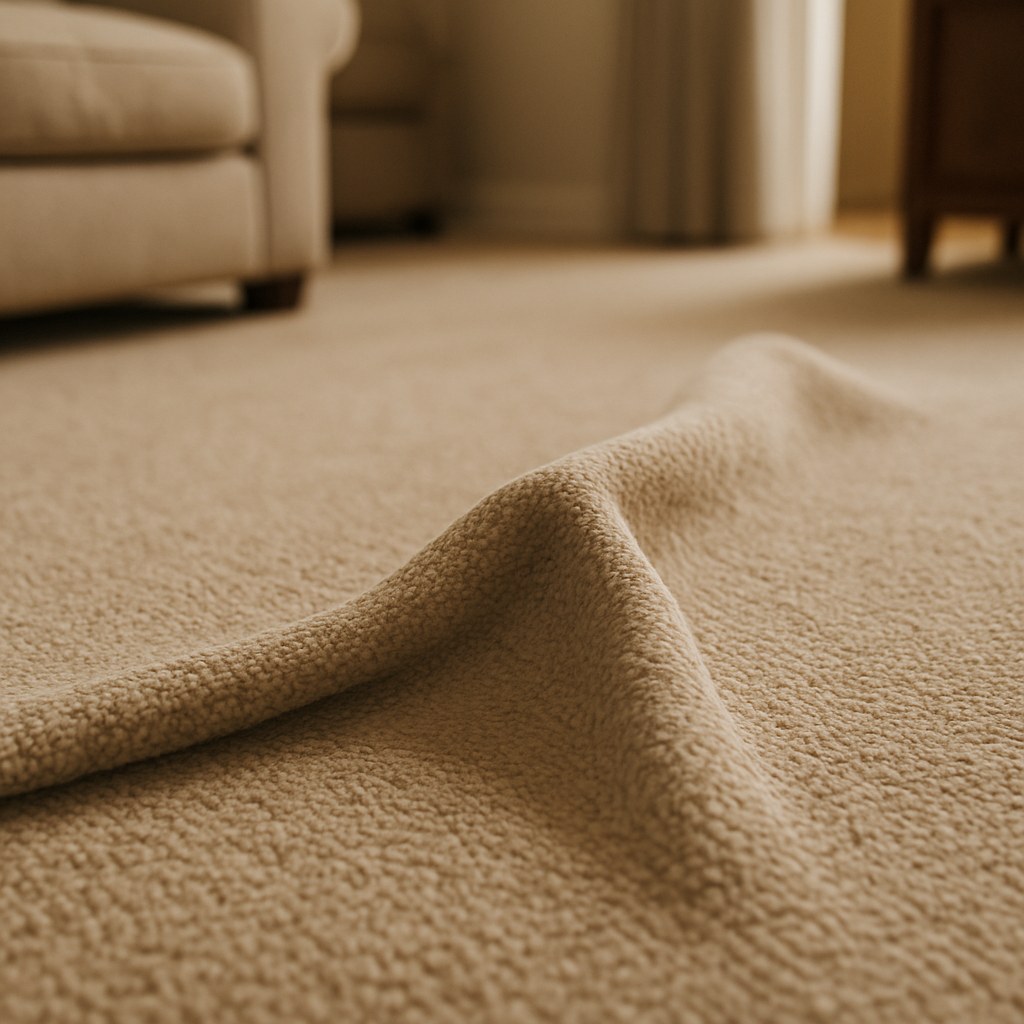
Why Do Carpets Wrinkle in the First Place?
Before we dive into the "how," let's quickly cover the "why." Understanding the cause can help you prevent wrinkles from coming back.
- Improper Installation: This is the number one culprit. If your wall-to-wall carpet wasn't stretched properly with a power stretcher during installation, it will inevitably loosen and buckle over time.
- High Humidity: Carpet is porous. When the air is humid, carpet fibers can absorb moisture and expand. As the humidity drops, they may not shrink back to their original size evenly, leading to ripples.
- Dragging Heavy Furniture: Pushing a heavy sofa or bookshelf across the room can grip and stretch the carpet, pulling it out of place and creating wrinkles. Always lift, don't drag!
- Worn or Incorrect Padding: The pad underneath your carpet provides cushion and support. If it's the wrong type, old, or has deteriorated, it can't hold the carpet's tension properly, leading to sagging and wrinkling.
- Delamination: In older carpets, the latex glue holding the carpet's primary and secondary backings together can fail. This causes the layers to separate, creating bubbles and ripples.
Step 1: Identify Your Carpet Type
The method for fixing wrinkles is completely different for wall-to-wall carpeting versus an area rug.
- Wall-to-Wall Carpeting: This type of carpet is installed over a pad and attached to the subfloor along the perimeter of the room with tack strips. The edges will be tucked neatly underneath your baseboards.
- Area Rug: An area rug is a standalone piece that lies freely on top of your existing flooring (hardwood, tile, etc.). Its edges are finished and clearly visible.
Take a quick walk around the room. Check the edges of the carpet along the walls. Are they tucked away, or can you see the finished border of the rug? Once you know, you can jump to the right section below.
How to Fix Wrinkles in Wall-to-Wall Carpeting
Fixing wall-to-wall carpeting requires a bit more muscle and some specialized tools, but it's very doable. The main technique is called restretching.
Initial Assessment: Check the Wrinkle and the Padding
Before you start, clear any furniture off and around the wrinkled area. Now, take a closer look:
- Measure the Wrinkle: Use a tape measure. Is it a small ripple confined to one spot (less than 3 feet), or are there large waves running across the room?
- Check the Padding: Go to the nearest corner of the room and use a flathead screwdriver or pliers to gently lift the carpet off the tack strips. Peel it back a foot or so to inspect the padding underneath. Is it flat and springy, or does it look crushed, crumbling, or feel damp? Damaged padding must be replaced, as it will never hold the carpet correctly.
If the padding is in good shape, you're ready to start stretching.
For Small, Isolated Wrinkles: The Knee Kicker Method
If you have a small wrinkle (less than 3 feet across) and the area is fully accessible, you can likely fix it with a tool called a knee kicker. You can rent one from most home improvement stores.
Tools You'll Need:
- Work gloves
- Flathead screwdriver or pliers
- Knee kicker
- Utility knife
Here’s how to do it:
- Protect Your Hands: Put on your work gloves. The tack strips along the wall are sharp!
- Release the Carpet: Go to the wall closest to the wrinkle. Use your screwdriver or pliers to carefully pull the edge of the carpet up and off the tack strips. Detach a section that is about two feet wider than the wrinkle on both sides.
- Position the Knee Kicker: Lay the carpet back down flat. Place the knee kicker on the carpet, about 3 to 6 inches away from the wall you just detached it from. The toothed head of the kicker should grip the carpet firmly.
- Stretch the Carpet: Firmly strike the padded end of the knee kicker with your knee. This will stretch the carpet forward toward the wall, pulling the wrinkle out. You may need to do this in a few spots along the detached section to work the slack out evenly.
- Reattach the Carpet: Once the wrinkle is gone, press the edge of the carpet back down onto the tack strips. Use your hand or a small block of wood to ensure it's secure.
- Trim the Excess: If the stretching created a bunch of excess carpet against the wall, carefully trim it with a utility knife so it fits neatly.
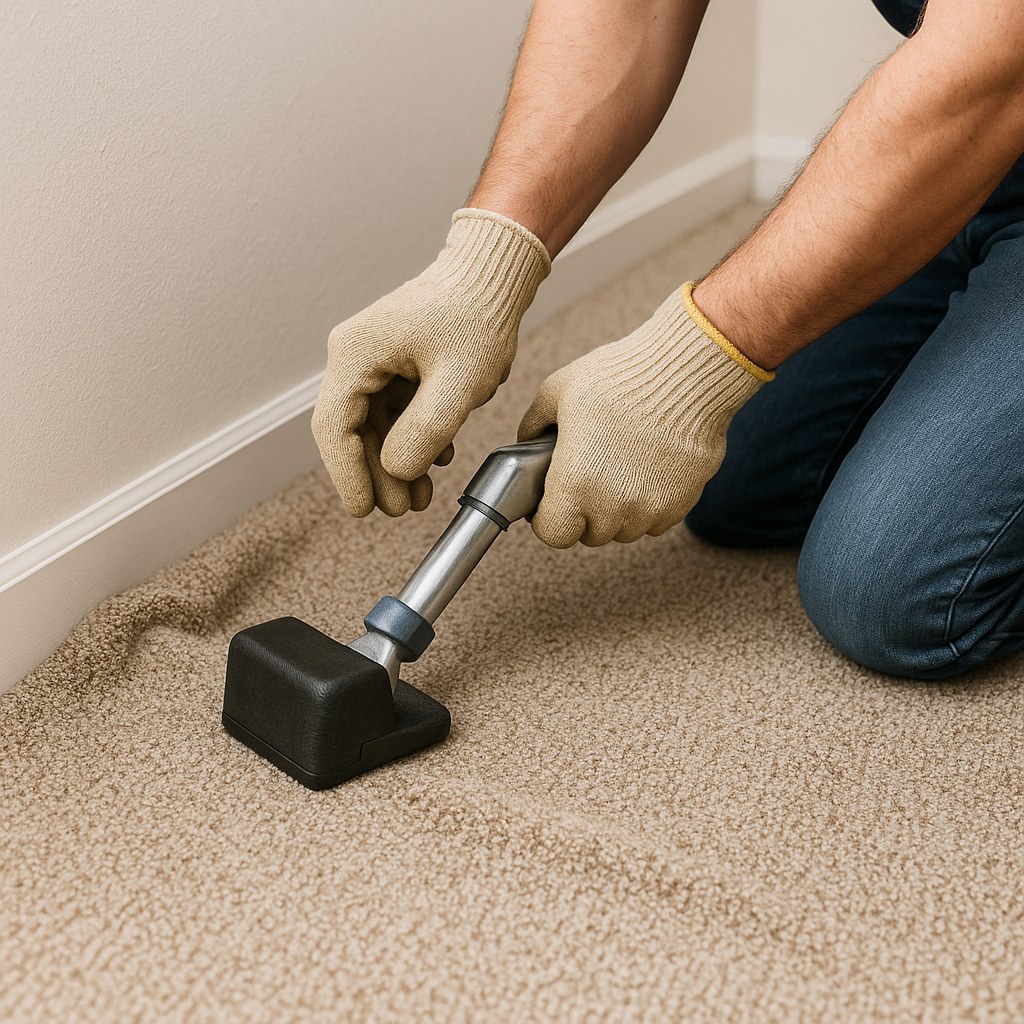
For Large or Multiple Wrinkles: The Power Stretcher Method
If you have large wrinkles or the entire room seems loose, a knee kicker won't be enough. You'll need a power stretcher, a tool that braces against one wall and uses a lever to apply significant tension across the room. This is a more advanced project.
If you found that your padding was damaged during your initial assessment, you'll need to pull back the carpet, replace the damaged section of padding, and then use a power stretcher to put the carpet back. This is a big job, and for many, this is the point where calling a professional is the best move.
If the padding is fine and you're ready to tackle the power stretcher, you can follow a similar process of detaching the carpet from one wall and using the tool to pull it taut before reattaching it. Always follow the specific instructions that come with the rental tool.
How to Smooth Out Wrinkles in an Area Rug
Fixing a wrinkled area rug is usually much simpler and doesn't require special tools.
The Easiest Fix: A Quality Rug Pad
Many area rug wrinkles are caused by the rug shifting and bunching because there's nothing holding it in place. A good rug pad is essential.
- Get the Right Pad: Purchase a quality felt-rubber rug pad that is sized about one inch smaller than your rug on all sides. This prevents the pad from showing and allows the rug's edges to taper down to the floor.
- Clean the Floor: Remove the rug and clean the floor underneath to ensure the pad can grip properly.
- Place and Smooth: Lay the pad down, then center your rug on top of it. Use your hands to smooth the rug out from the center to the edges. Often, this is all it takes to solve the problem.
For Stubborn Wrinkles: Use Steam and Weight
If a rug pad isn't enough, some gentle heat and pressure can relax the rug's fibers.
Caution: Before using heat, check what your rug is made of. Natural fibers like wool and cotton respond well to steam. Synthetic fibers can melt, so use extreme caution and the lowest heat setting. Always test on a small, hidden corner first.
- Steam the Wrinkles: Use a clothes steamer or an iron on its steam setting. Hold the steamer about two inches above the wrinkle—don't let it touch the fibers directly. Move it back and forth to warm the area.
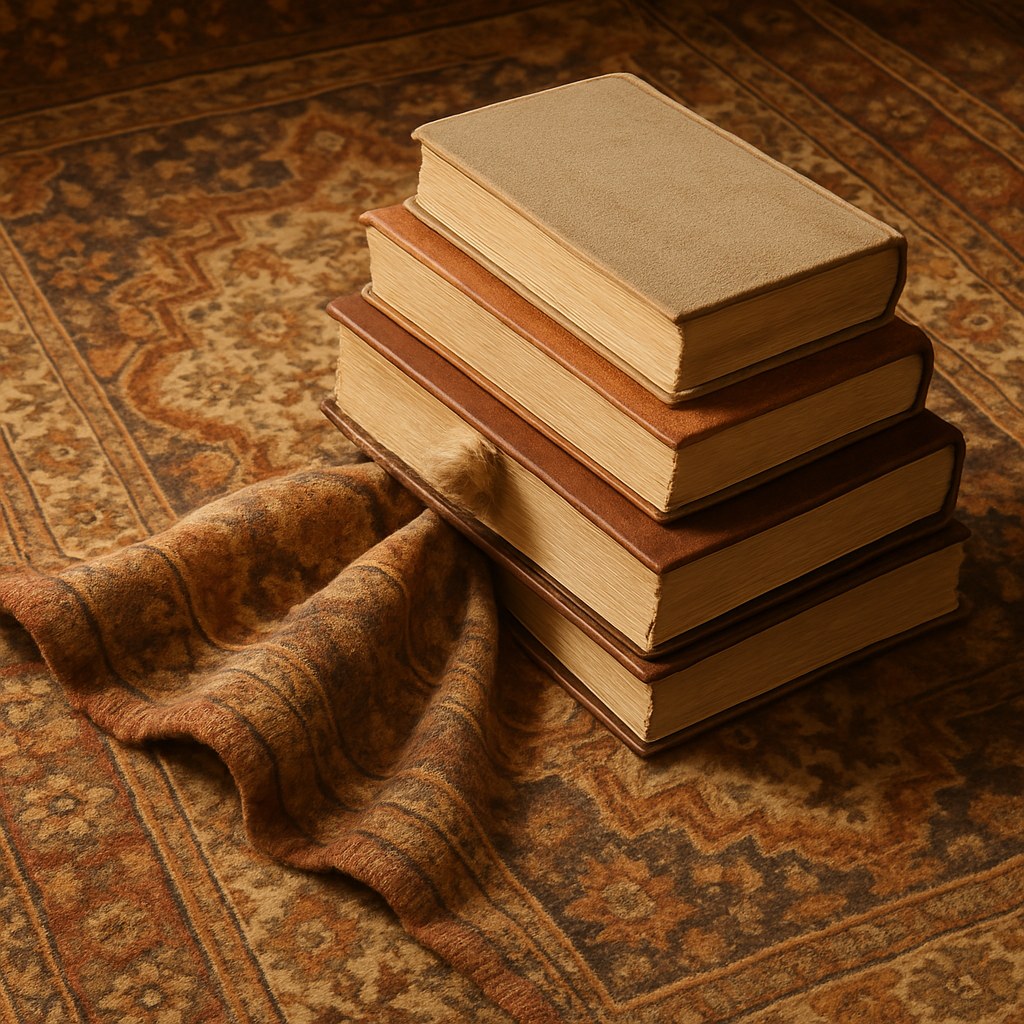
- Smooth and Weigh Down: As soon as the fibers are warm and slightly damp, use your hands (wear gloves if it's hot) to smooth the wrinkle flat. Immediately place a stack of heavy books or another flat, heavy object on the area.
- Let it Set: Leave the weights in place for at least 24 hours to allow the rug to dry and flatten completely.
How Much Does It Cost to Fix a Wrinkled Carpet?
Your costs will vary depending on whether you DIY or hire a pro.
- DIY: Knee kickers and power stretchers can be rented by the day from home improvement stores. A rug pad is the main cost for an area rug, and the price rises with size and quality.
- Professional: HomeGuide puts carpet stretching at $100 to $300 for one room, and installers usually price restretching by the room or the hour. Room size and whether furniture has to be moved change the price. Compare two or three quotes.
When to Call a Professional
While many carpet wrinkle issues can be fixed yourself, there are times when it's best to call in a flooring specialist.
- The wrinkles return soon after you’ve restretched them.
- The carpet is old, and you suspect the backing is delaminating.
- The padding is significantly damaged and needs to be replaced.
- You're dealing with a delicate or valuable antique area rug.
- The job simply feels too big or you're not comfortable renting and using the specialized tools.