

Mar 2, 2026
How to Get Rid of an Ant Trail in Your House
Seeing a trail of ants marching across your floor is stressful, but usually easy to fix. We'll help you find the source, clean the scent trail, and stop them from coming back.
Walking into your kitchen or living room and seeing a steady line of ants marching across the floor is a sinking feeling. It makes your home feel dirty or invaded, but take a deep breath—it happens to almost every homeowner eventually.
Looking for more guidance? Take a look at our Repairs overview.
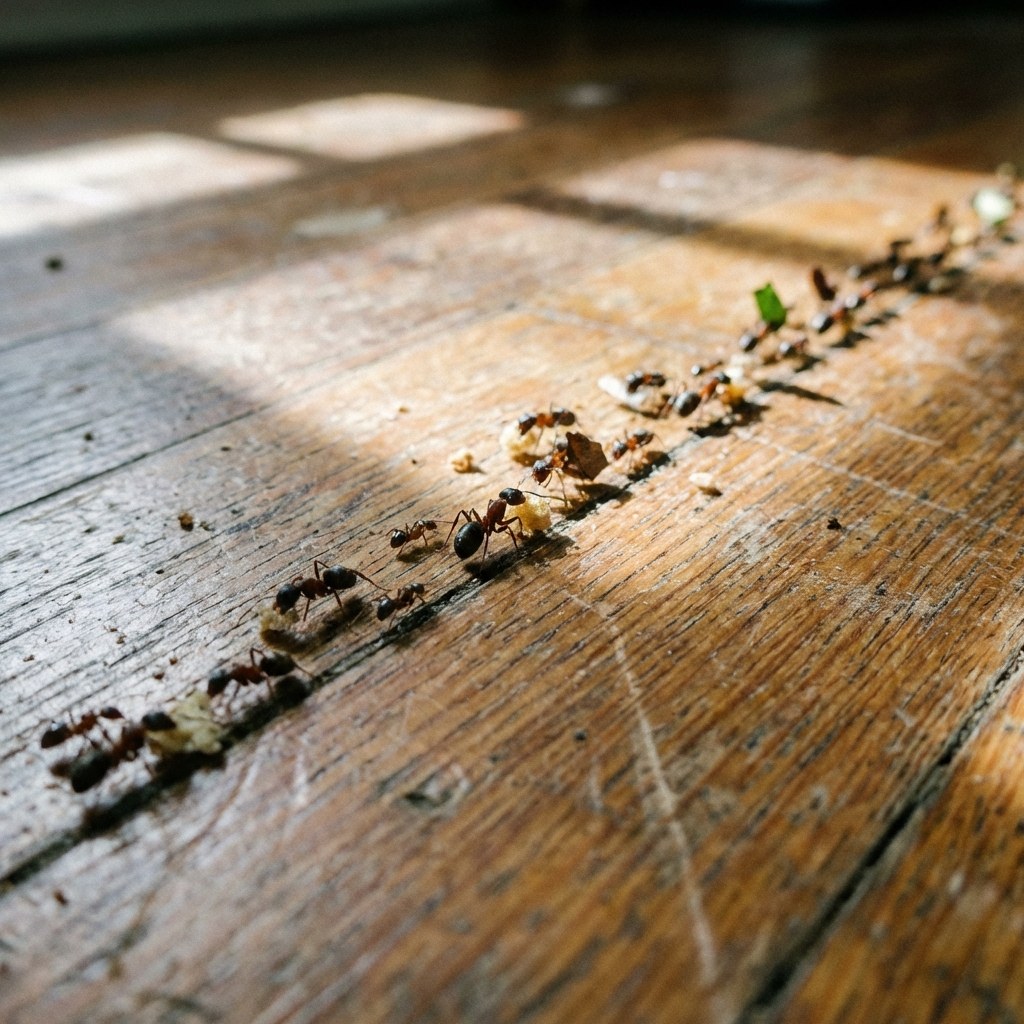
Ants are incredibly efficient scouts. Usually, that trail just means one ant got lucky, found a crumb or a sticky spill, and laid down a chemical scent trail (pheromones) to tell the rest of the colony, "Dinner is this way."
The good news is that you don't necessarily have a massive infestation inside your walls. You just need to interrupt their dinner party, clean up the scent map they've drawn, and block the door they came in through.
Here is how to stop the march and reclaim your space.
What an Ant Trail Usually Means
Before you panic or start spraying chemicals everywhere, let’s look at what the symptoms tell us:
- A defined line: This is good news. It means they are focused on a specific target (food or water) rather than nesting randomly in your home.
- Carrying debris: If you look closely and see them carrying white specs back toward the wall, they are harvesting food. Remove the food, and they have no reason to be there.
- Wandering aimlessly: If they are scattered and not in a line, they might still be in "scout mode" looking for resources.
Is This Safe to Handle Yourself?
For most common household ants (like sugar ants or pavement ants), this is a very safe and easy DIY project. However, there are two exceptions where you should stop and call a pro:
- Large Black Ants: If the ants are very large (bigger than a grain of rice) and black, they might be Carpenter Ants. These can damage the wood structure of your home. If you see these, call a professional immediately.
- Stubborn Infestations: If you have tried the steps below for a week and the numbers haven't dropped, the colony might be too large for standard bait traps.
Step-by-Step Guide to Stop an Ant Trail
Step 1: The Initial Inspection
Time: 5 minutes
Don't wipe them up just yet! You need to play detective first.
- Trace the line. Follow the ants with your eyes. Where are they going? Where are they coming from?
- Look for the "prize." Are they swarming a dropped cracker, a spill of juice behind the trash can, or a pet food bowl?
- Find the entry. Look for the crack in the baseboard, window frame, or door threshold where the line starts.
Step 2: Remove the Attractants & The Scent
Time: 15 minutes
Once you know why they are there, you need to remove the motivation and the map.
- Clear the food. Pick up pet bowls, wipe up spills, and vacuum crumbs. If the prize is gone, the workers will eventually stop coming.
- Disrupt the trail. This is the most important step. Ants follow invisible pheromone trails. Even if you sweep up the ants, new ones will follow the old scent.
- Wash the area. Use soapy water (dish soap works great) or a 50/50 mix of vinegar and water to wipe down the entire length of the trail. This erases their map.
Wait 24 hours. Often, simply cleaning the food and the scent trail is enough to stop the problem. If they return the next day, move to Step 3.
Step 3: Seal the Entry Points
Time: 30-45 minutes
If the ants are persistent, you need to close the door on them.
- Locate the gap. Go back to where you saw them entering (Step 1).
- Clean the gap. Vacuum out any dust or debris from the crack so the sealant sticks.
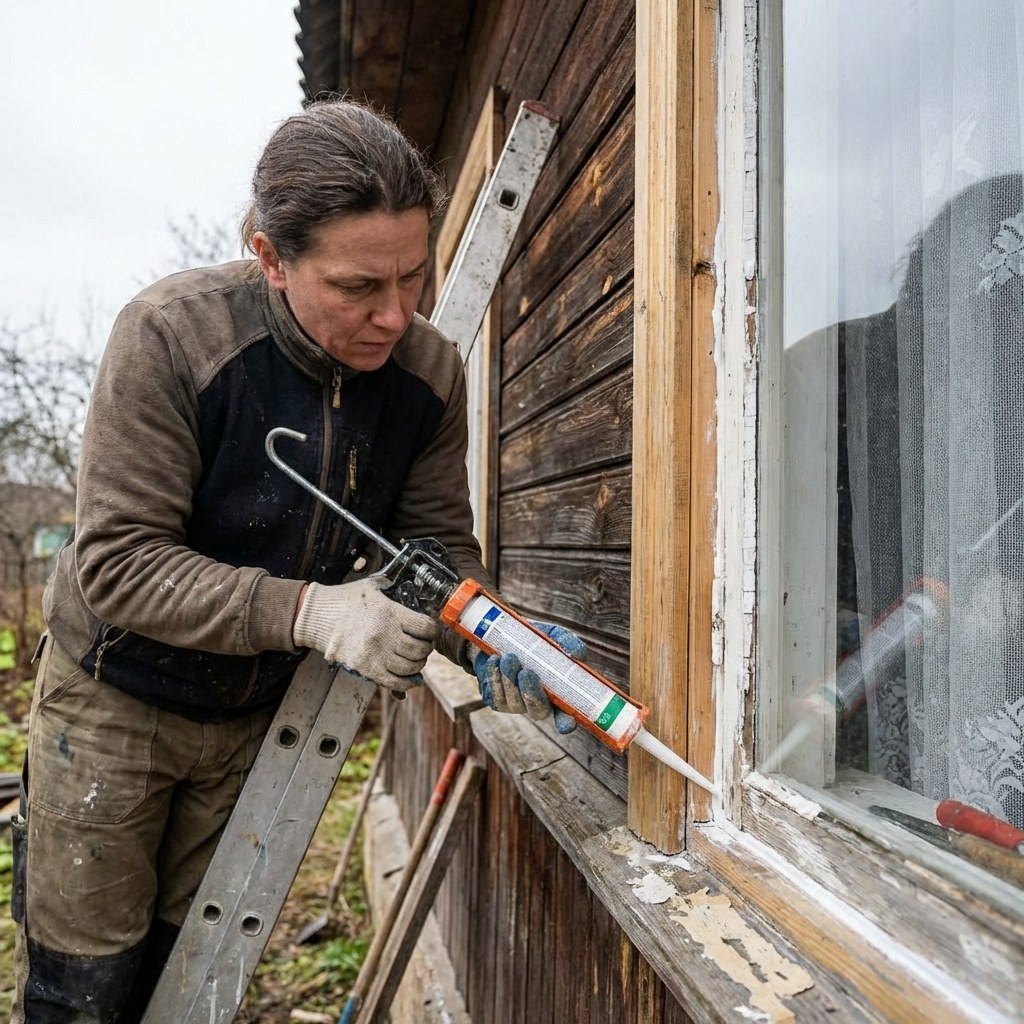
- Apply Caulk. Using a simple tube of silicone caulk, run a bead along the gap or crack. Smooth it with a damp finger to ensure a tight seal.
- Let it dry. Follow the instructions on the tube for drying time.
If you can't find the entry point, or if sealing it doesn't work, proceed to Step 4.
Step 4: Use Ant Bait Stations
Time: 10 minutes (plus 7 days of waiting)
If you can't block them out, you have to let them take care of the colony for you.
- Buy liquid ant bait stations. These are small plastic traps containing a sugary borax mixture.
- Place them on the path. Put the station right where the trail used to be.
- Do NOT kill the ants. This is the hardest part. You need the ants to drink the bait and carry it back to the queen. If you kill them now, the colony survives.
- Wait one week. You might see more ants at first—this means the bait is working. After a few days, the numbers should drop drastically as the colony dies off.
(Safety Note: Always place bait stations where curious toddlers or pets cannot reach them, even if the packaging says they are child-resistant.)
Time and Cost Breakdown
Handling an ant trail is one of the cheapest home repairs you can make.
- Time: 20 minutes to 1 hour of active work.
- Cost: $0 if you just need to clean; $5–$15 if you need caulk or bait stations.
- Professional Cost: If you hire an exterminator, expect to pay between $150 and $300 for an initial visit and treatment.
Recap
Ants are annoying, but they are manageable. Remember the order of operations: Inspect, Clean, Seal, Bait.
- Inspect: Find out what they are eating and where they are entering.
- Clean: Remove the food and scrub away the invisible scent trail.
- Seal: Caulk the cracks they use to get inside.
- Bait: If all else fails, use bait stations and let them carry it back to the nest.
Casa is here to help you stay organized with your home maintenance. Whether you're tracking when you last sealed your windows or setting reminders to check for seasonal pests, the Casa app keeps you prepared so small bugs don't become big problems.
Most ant trails are a temporary nuisance. With a little soap, water, and patience, your floors will be clear again in no time.