

Feb 13, 2026
How to Repair Ripped or Peeling Wallpaper
A rip or peeling seam in your wallpaper can be frustrating, but it's often a straightforward fix. Learn to diagnose the issue and repair it like a pro.
Discovering a rip, tear, or peeling corner on your wallpapered wall can be disheartening. It often happens unexpectedly—moving furniture, an accidental scrape, or just the effects of time and humidity. It's a common issue, and the good news is that you don't have to live with it or immediately plan to re-paper the entire room.
Looking for more guidance? Take a look at our Repairs overview.
Most minor wallpaper damage can be repaired neatly, often in under an hour. The key is to correctly identify your wallpaper type and assess the situation before you begin.
This guide will walk you through inspecting the damage, choosing the right repair method, and getting your wall back to looking its best.
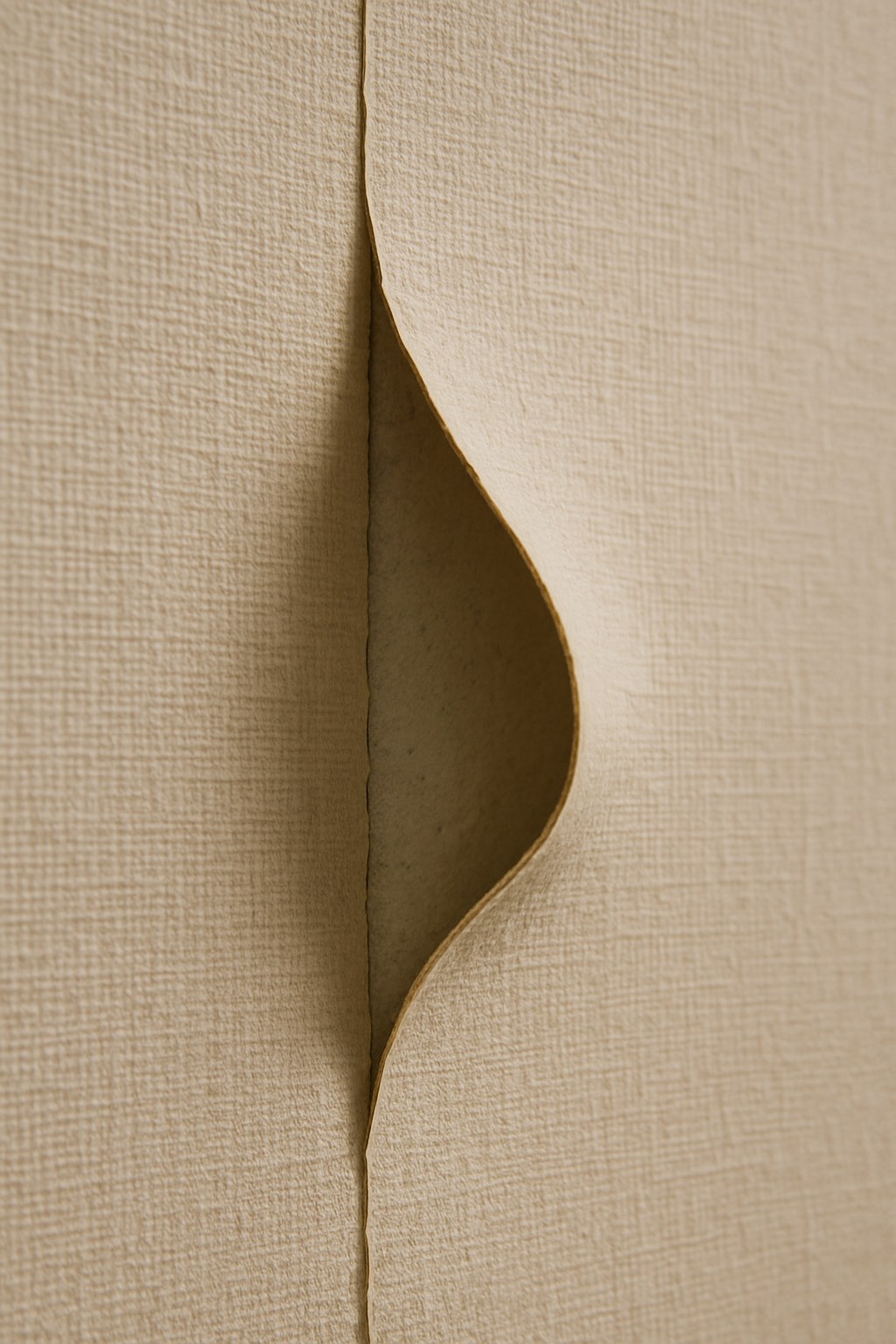 Image alt: A close-up view of a wallpaper seam that is peeling away from the wall.
First, Inspect the Damage
Before you can fix the problem, you need to understand it. A few minutes of careful inspection will tell you everything you need to know and prevent you from making a small issue worse.
- Assess the Scope: Look at the entire wall. Is it just one tear, or are there multiple spots? Are seams lifting in several places? This helps you understand if you have an isolated incident or a wider adhesion problem.
- Check for Moisture: Gently touch the area around the rip and the exposed wall behind it. If it feels damp, soft, or looks discolored with water stains, stop. This indicates a potential leak or moisture issue inside the wall that must be addressed first.
- Identify Your Wallpaper Type: Knowing whether your wallpaper is peel-and-stick or traditional (pasted) is essential for a successful repair. Gently lift a loose corner with a putty knife. If the back feels like a sticker, it's peel-and-stick. If it's paper-like and dry, it's traditional pasted wallpaper.
When to Stop and Call a Professional
If your inspection reveals any of the following, do not proceed with a cosmetic repair. This is the time to call a professional contractor or handyman.
- Dampness, Mold, or Water Stains: Wallpapering over a damp or moldy wall will trap moisture, leading to rot and more significant structural problems. The source of the moisture must be found and fixed first.
- Cracked or Crumbling Drywall: If the wall behind the paper is damaged, it needs to be repaired and primed before any wallpaper can be reapplied.
- Widespread Peeling: If wallpaper is peeling along multiple seams or in large sheets, this could signal an issue with the initial installation, such as improper wall prep or the wrong type of paste.
If the wall behind the tear is dry and intact, you're ready to proceed with the repair.
How to Fix a Small Tear (Under 2 Inches)
For small rips or flaps, the goal is simply to re-adhere the existing paper smoothly.
For Traditional (Pasted) Wallpaper
Time: About 15–25 minutes Tools & Materials: Wallpaper adhesive, small artist's brush, wallpaper seam roller, damp cloth, putty knife.
- Prepare the Area: Gently lift the torn flap with a putty knife. Use a dry brush or cloth to wipe away any dust or debris from the back of the wallpaper and the exposed wall.
- Apply Adhesive: Squeeze a small amount of wallpaper adhesive onto a piece of cardboard. Dip the artist's brush in the adhesive and apply a thin, even coat to the wall surface underneath the flap. Avoid applying it to the wallpaper itself to prevent mess.
- Press and Smooth: Carefully press the wallpaper flap back into place, making sure the pattern aligns perfectly. Use the seam roller to smooth it down from the center outward, pushing out any excess adhesive and air bubbles.
- Clean Up: Immediately wipe away any adhesive that squeezed out onto the wallpaper's surface with a clean, damp cloth. Let it dry completely.
For Peel-and-Stick Wallpaper
Time: About 10–20 minutes Tools & Materials: Putty knife, plastic smoothing tool, dry cloth, damp cloth.
- Prepare the Area: Gently lift the loose flap. Wipe any dust from the back of the paper and the wall with a dry cloth. Good adhesion requires a clean surface.
- Re-adhere the Flap: Peel-and-stick adhesive can sometimes lose its tack if it's been exposed to air. If it still feels sticky, simply press it firmly back into place. If the tackiness is gone, some manufacturers sell a specific primer or activator for their products.
- Smooth It Out: Press the flap firmly against the wall, aligning the pattern. Use a plastic smoothing tool, working from the center toward the edges, to eliminate all air bubbles.
- Clean the Seam: Wipe the area with a damp cloth to remove any fingerprints or smudges.
How to Replace a Larger Damaged Section
If the wallpaper is torn beyond a simple flap or is heavily stained, you'll need to patch it with a new piece. The key to this repair is aligning the pattern perfectly.
If you don't have leftover wallpaper, you may be able to carefully remove a piece from a hidden area, like behind a large piece of furniture or inside a closet. Keeping track of spare materials in an app like Casa can make finding these remnants much easier in the future.
For Traditional (Pasted) Wallpaper
Time: About 30–45 minutes Tools & Materials: Matching wallpaper, utility knife, ruler or level, wallpaper paste, paintbrush, seam roller, putty knife, damp sponge.
This method, often called a "double-cut," creates a perfectly matched patch.
- Create the Patch: Cut a piece of your matching wallpaper that is slightly larger than the damaged area and includes the full pattern repeat.
- Position the Patch: Temporarily tape this new piece over the damaged section, meticulously aligning the pattern with the surrounding wallpaper.
- Cut Both Layers: Using a sharp utility knife and a straightedge (like a level), cut a square or rectangle through both the new patch and the old, damaged wallpaper underneath.
- Remove the Old Section: Peel away the taped-on patch frame, then use a putty knife to gently lift and remove the damaged wallpaper section you just cut out.
- Install the New Patch: Apply an even layer of wallpaper paste to the back of your new patch. Carefully fit it into the opening—it should be a perfect match.
- Smooth and Clean: Use a seam roller to smooth the patch and bond the edges. Wipe away any excess paste with a damp sponge. When it dries, the seams should be nearly invisible.
For Peel-and-Stick Wallpaper
Time: About 25–35 minutes Tools & Materials: Matching wallpaper, utility knife, level, plastic smoothing tool, seam roller.
- Cut and Remove: Measure and cut a rectangle around the damaged area using a utility knife and a level. Be careful to only cut through the wallpaper layer. Peel this damaged section off the wall.
- Create the Patch: Cut a new piece of wallpaper that is slightly larger than the opening you just made.
- Align the Pattern: Hold the new piece over the opening and carefully trim it so the pattern aligns perfectly with the wallpaper on the wall.
- Apply the Patch: Peel about two inches of the backing from the top of your patch. Align the top edge and gently press it into place. Slowly peel away the rest of the backing while smoothing the wallpaper downward with a plastic smoothing tool to prevent bubbles.
- Secure the Edges: Press firmly around all edges, then use a seam roller to ensure they are completely bonded to the wall.
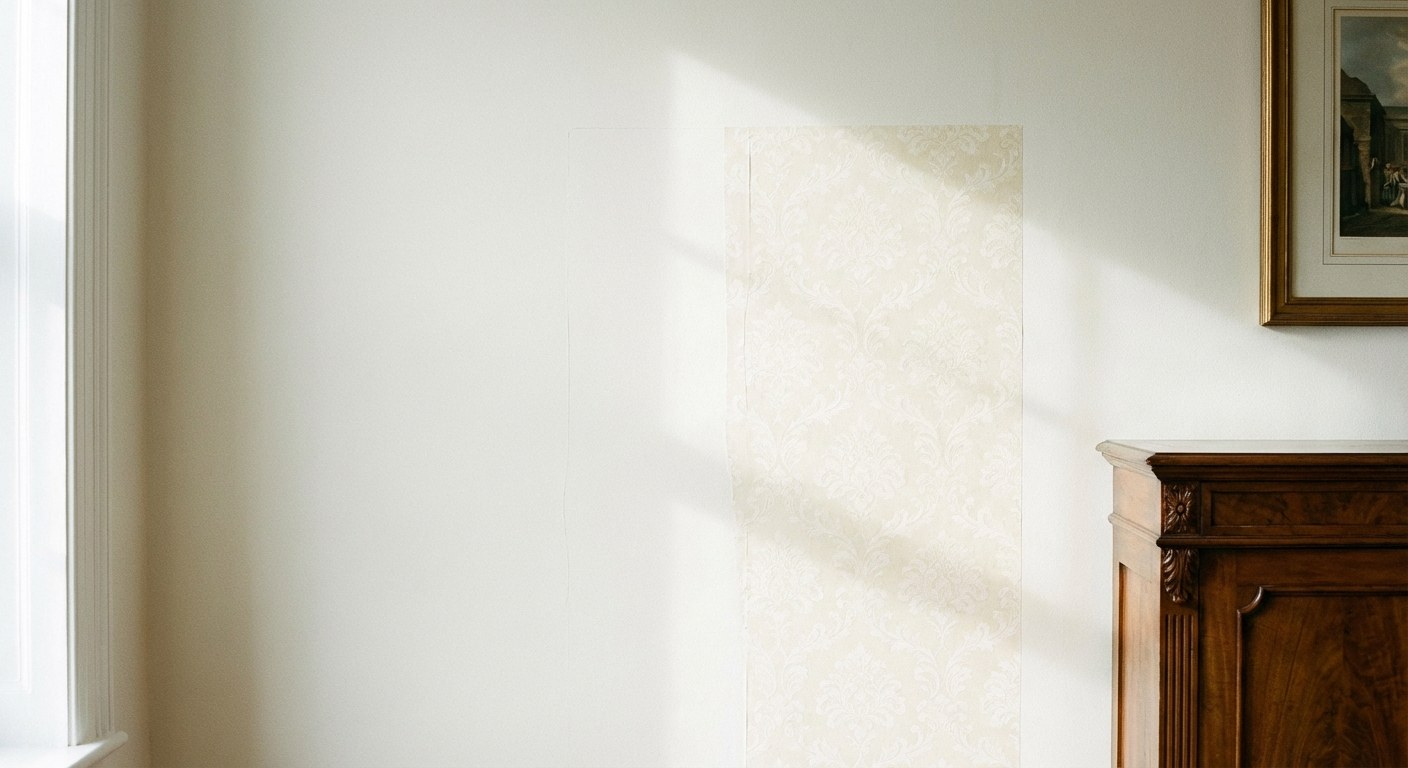 Image alt: A seamlessly repaired section of patterned wallpaper on a wall.
Typical Time and Cost
- DIY Repair: For a small patch or tear, your cost can be as low as $10 to $25 for a small container of wallpaper adhesive and a seam roller. The project usually takes less than an hour.
- Hiring a Professional: If you're dealing with underlying wall damage or don't feel confident matching a complex pattern, a handyman or wallpaper installer can help. Expect to pay anywhere from $100 to $400 or more, depending on the extent of the damage and local labor rates.
A Clear Path to a Clean Wall
A flaw in your wallpaper doesn't have to be a permanent eyesore. By taking a moment to diagnose the problem and using the right technique for your wallpaper type, you can achieve a repair that looks clean and professional.
Feeling prepared is half the battle. For help planning your home maintenance projects, tracking materials, and connecting with trusted pros when you need them, download the Casa app. We’re here to help you move forward with confidence.