

Feb 26, 2026
Why Is My Furnace Blowing Cold Air and How to Fix It
Missing the warm air? We'll check your thermostat settings, adjust your fan, verify the pilot light, and troubleshoot your furnace type to get those warm, cozy breaths back.
There are few things more unsettling in the middle of winter than putting your hand up to a vent and feeling a steady stream of cold air. You expect warmth, and instead, your house feels like it’s actively cooling down.
Looking for more guidance? Take a look at our Repairs overview.
It’s easy to panic and assume the furnace is broken beyond repair, but this is actually one of the most common heating complaints homeowners face. In many cases, the furnace is working fine—it’s just confused or restricted. The fix is often as simple as flipping a switch or changing a filter.
This guide will walk you through a logical troubleshooting process to identify why your furnace is blowing cold air and help you get the heat back on without an unnecessary service call.
Common Reasons for Cold Air
Before grabbing your tools, it helps to understand what usually goes wrong. If your vents are blowing air but it isn't warm, one of these culprits is likely to blame:
- Thermostat settings: The fan might be running continuously even when the heat isn't on.
- Dirty air filter: A clogged filter restricts airflow, causing the furnace to overheat and shut down its burners for safety while the fan keeps blowing.
- Pilot light or ignition failure: Gas furnaces need a flame to create heat; if it’s out, you just get unheated air.
- Tripped breakers: Electric furnaces or furnace fans might have lost power to the heating element.
Step-by-Step Guide to Fix a Furnace Blowing Cold Air
We will start with the simplest checks and move to more specific troubleshooting based on what type of furnace you have.
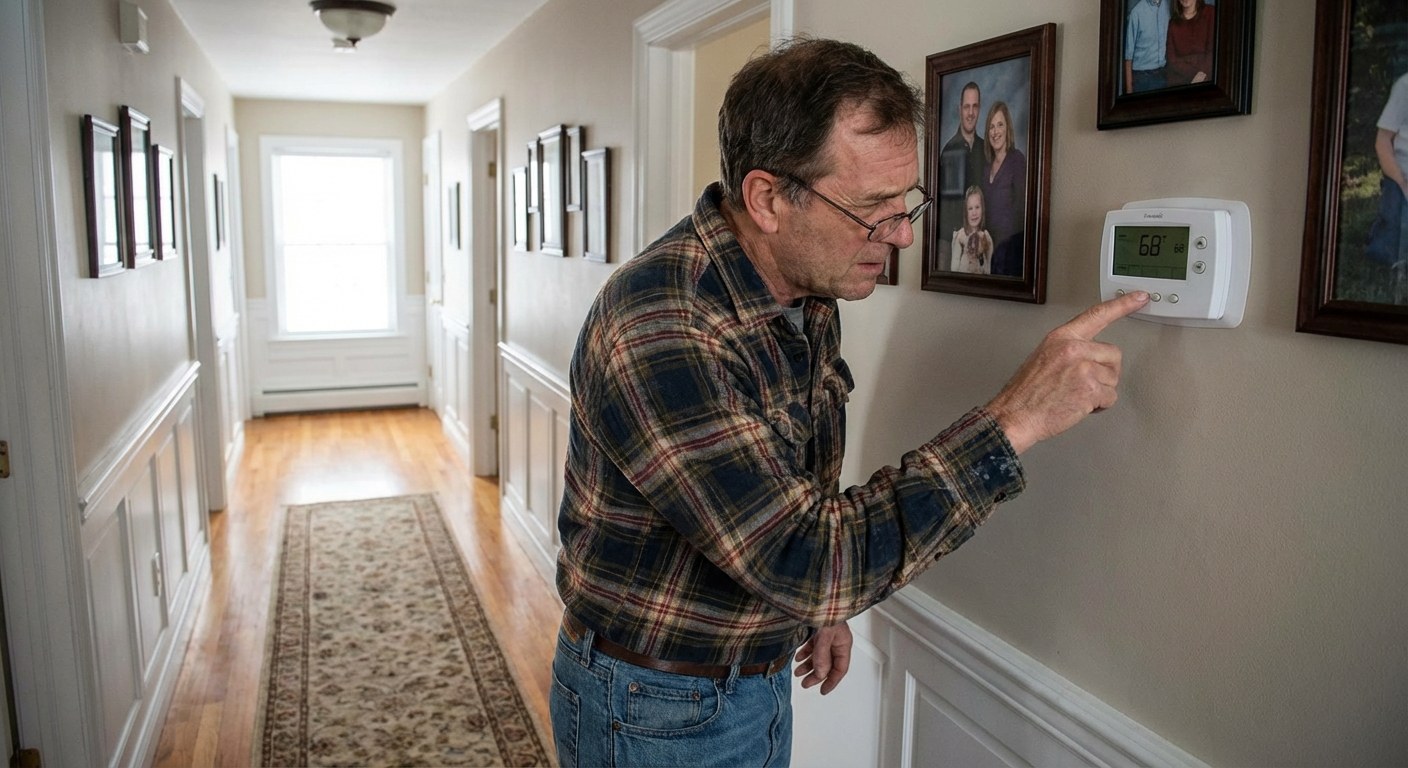
Step 1: Check the Thermostat
The most common reason for cold air isn't a mechanical failure—it's a setting.
- Check the mode: Ensure your thermostat is set to HEAT.
- Check the temperature: Make sure the set temperature is at least 3°F higher than the current room temperature. If the gap is too small, the furnace might not kick on.
- Check the fan setting: Look at the fan switch. Is it set to ON?
- If it is set to ON, the fan runs 24/7, even when the furnace isn't heating. This circulates room-temperature air between heating cycles, which feels cold against your skin.
- The Fix: Switch the fan to AUTO. This ensures the fan only blows when the furnace is actually producing heat.
Wait 5 minutes. If warm air starts blowing, you are done! If not, move to Step 2.
Step 2: Identify Your Furnace Type
To troubleshoot further, you need to know what fuels your system. Go to your furnace (usually in the basement, attic, or a closet).
- Gas: Look for a gas pipe, a burner assembly, or a pilot light/igniter glow.
- Electric: Look for heavy-duty electrical cables and heating coils (no gas pipes).
- Oil: Look for an oil tank nearby and a burner assembly with a reset button.
Once identified, follow the specific steps below for your unit.
If You Have a Gas Furnace
1. Check the Pilot Light or Igniter When the thermostat calls for heat, watch the furnace.
- Do you see a glowing orange bar (igniter) or a small blue flame (pilot light)?
- If NO: You may need to relight the pilot.
- Turn the fuel knob to OFF and wait 60 seconds.
- Turn the knob to PILOT.
- Hold the knob down and use a long-nose lighter to light the pilot (or press the igniter reset button). Hold for 30 seconds.
- Turn the knob to ON.
- If YES (but still no heat): The burners aren't engaging properly. Move to the filter check below.
2. Check the Gas Valve Ensure the handle on the gas pipe leading to the furnace is parallel to the pipe (open). If it’s perpendicular (forming a cross), the gas is off. Turn it to open and wait 5 minutes.
3. Check the Limit Switch If the furnace overheats, a "limit switch" cuts the heat.
- Turn off power to the furnace.
- Remove the upper front panel.
- Locate the limit switch on the blower housing (look for a small red button).
- Press the button. If it clicks, it was tripped. Replace the panel and turn the power back on.
If You Have an Electric Furnace
1. Check the Breaker Electric furnaces use a lot of power. Go to your electrical panel and find the dedicated circuit breaker for the furnace.
- Is it in the middle or "OFF" position?
- The Fix: Push the switch fully to "OFF," then firmly back to "ON." Wait 5 minutes to feel for heat.
If You Have an Oil Furnace
1. Check the Reset Button Oil burners often have a safety reset on the motor.
- Look for a red button on the burner casing.
- The Fix: Press it once. Do not press it multiple times, as this can flood the combustion chamber with oil. Wait 5 minutes to see if the heat returns.
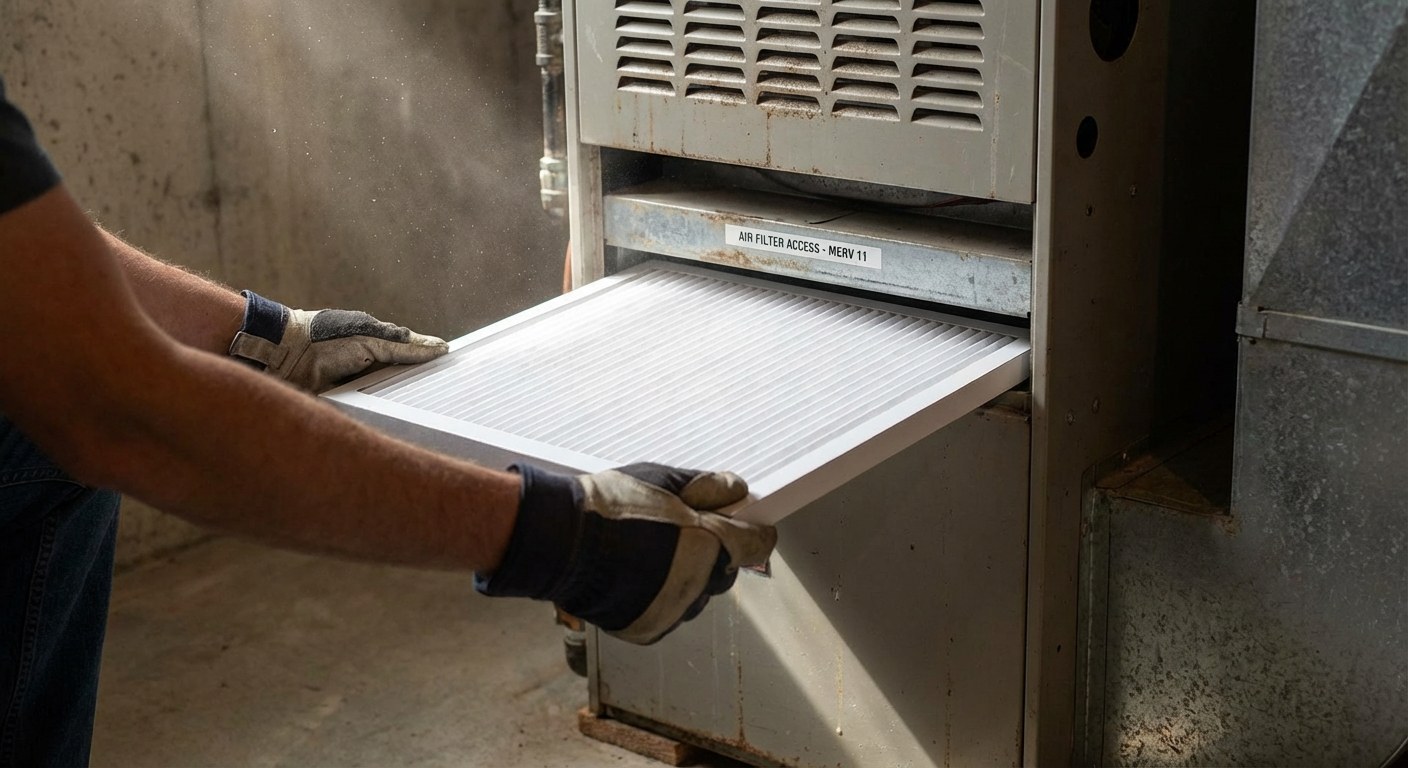
Step 3: Replace the Air Filter (All Furnace Types)
If the steps above didn't work, or if the airflow feels weak, a dirty filter is the likely suspect. A clogged filter blocks air, causing the system to overheat and shut down the heating element while the fan keeps spinning.
- Turn off the furnace power switch.
- Slide out the old filter.
- Insert a new pleated air filter. Make sure the arrow on the cardboard frame points toward the furnace blower (the direction the air is moving).
- Restore power and wait 5 minutes.
Note: Casa can help you track when you last changed your filter so you don't have to guess next time.
When to Call a Professional
You should stop troubleshooting and call a licensed HVAC technician if:
- You smell gas (leave the house immediately).
- The circuit breaker trips immediately after you reset it.
- You have to press the reset button on an oil furnace more than once.
- You hear loud banging, scraping, or squealing noises.
- You have completed all the steps above and the air is still cold.
Time and Cost
Diagnosing this yourself is generally free and quick.
- Time: 5–20 minutes.
- Cost: $0 if it’s a setting or breaker issue; $10–$30 if you need a new filter.
- Professional Cost: If a technician is required, service calls typically range from $100 to $300, plus parts.
Recap
If your furnace is blowing cold air, don't assume the worst. First, check that your thermostat is on HEAT and the fan is on AUTO. If that looks good, check your power breakers and the condition of your air filter. Finally, verify that your pilot light or ignition source is active.
Maintaining a warm home doesn't always require an expert. With a little organization and patience, you can solve many heating hiccups on your own. For help keeping track of filter sizes, maintenance schedules, and future repairs, download the Casa app. It’s the easiest way to stay ahead of home maintenance and keep your home cozy all winter long.