

Feb 14, 2026
Why Is My Stove Making Noise And How Do I Fix It
A noisy stove can be concerning. This guide helps you identify common sounds from gas and electric stoves, like clicking, buzzing, or hissing, and tells you what to do.
A sudden clicking, hissing, or buzzing from your stove can be unsettling. It’s an appliance you rely on every day, and any unusual sound can make you wonder if it’s safe to use.
Looking for more guidance? Take a look at our Repairs overview.
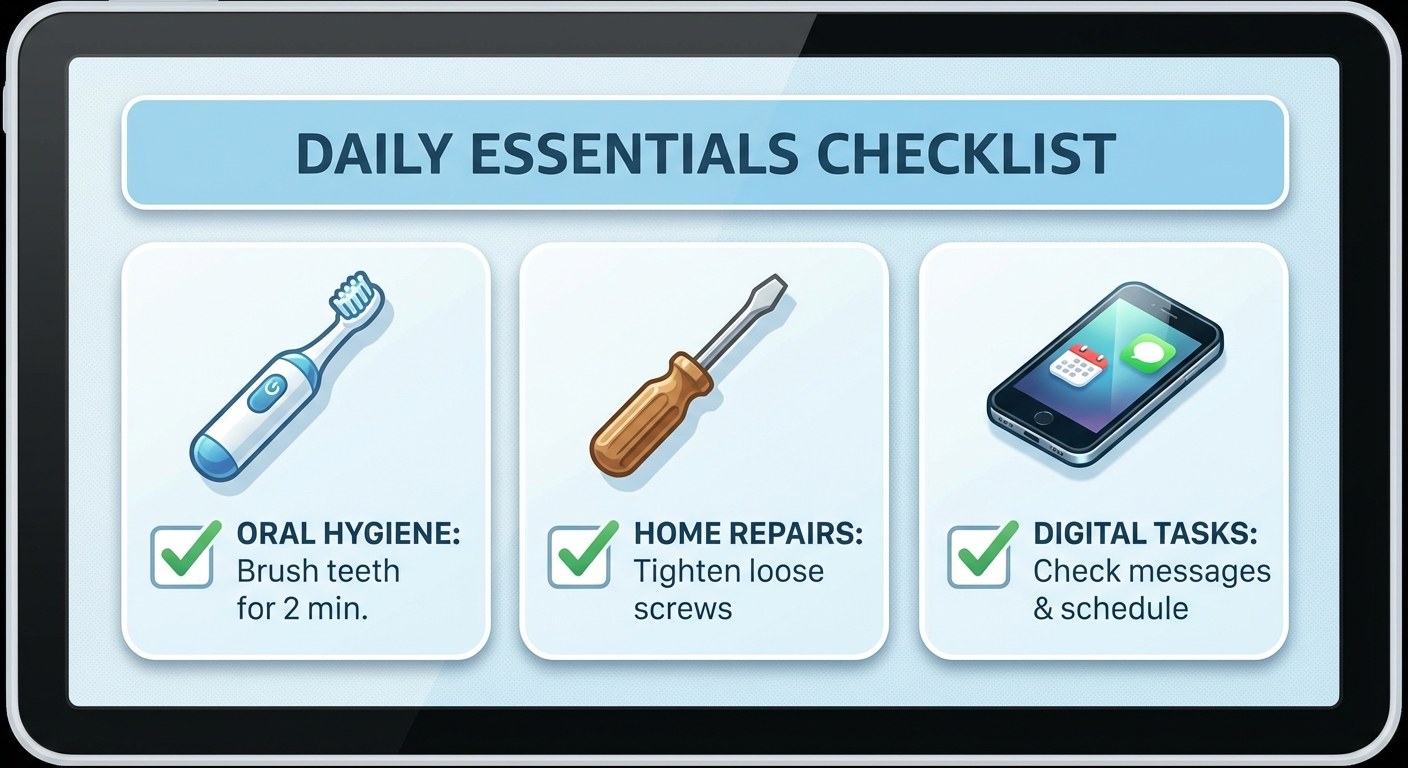
The good news is that most stove noises are either normal or indicate a simple fix you can often handle yourself. The key is to correctly identify the sound and understand what it’s telling you. This isn’t about becoming an appliance expert; it’s about knowing whether to grab a toothbrush for a quick cleaning or to pick up the phone and call a professional.
This guide will walk you through the common noises for both gas and electric stoves, helping you diagnose the issue and decide on the right next step with confidence.
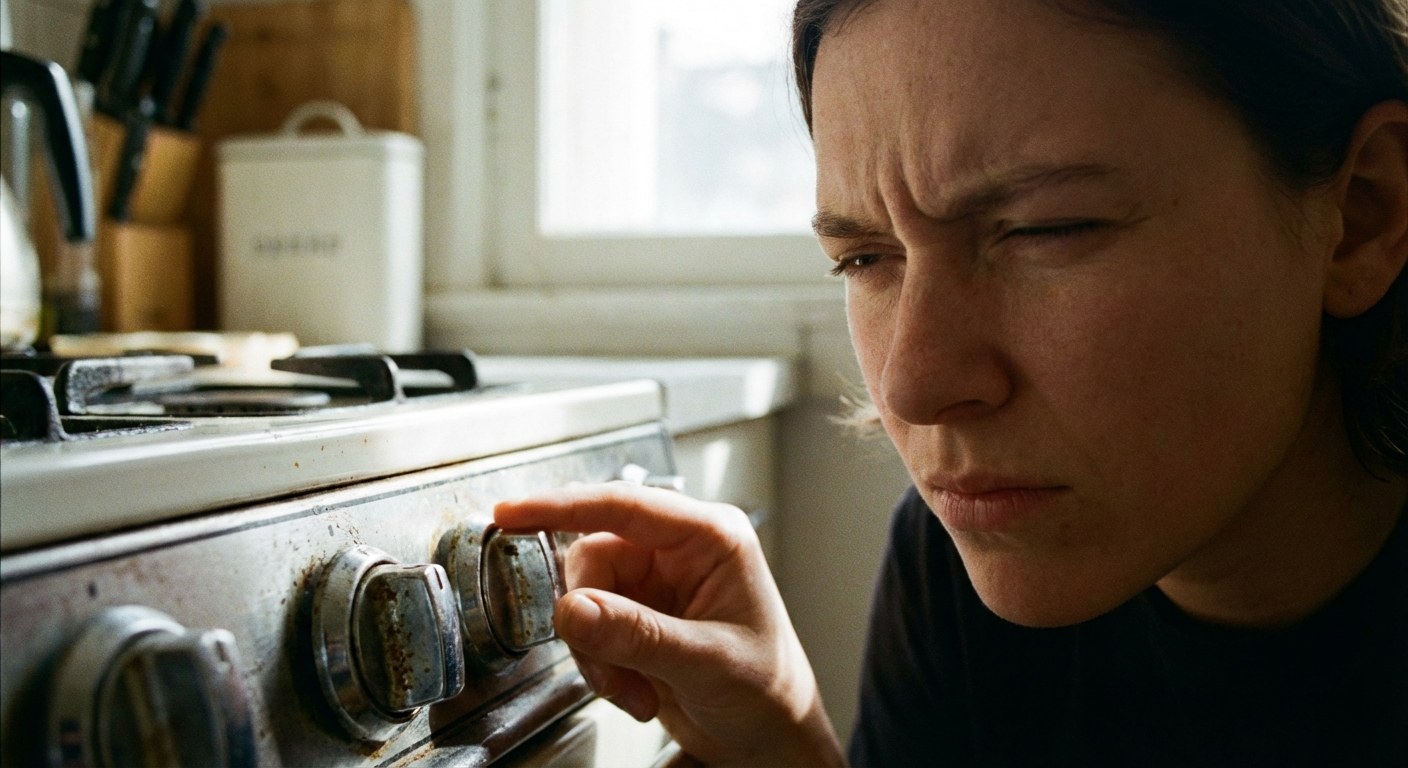
First Step: Is Your Stove Gas or Electric?
Before we can diagnose the sound, we need to know what kind of stove you have. The internal parts are very different, and so are the solutions. If you’re not sure, here’s a quick way to tell:
- Look at the cooktop: Do you see heavy iron grates that you place your pots on, with flames appearing from a central point? That’s a gas stove. Do you have a smooth glass surface or raised metal coils that glow red? That’s an electric stove.
- Check for a gas line: A flexible, often yellow or stainless steel, tube running from the wall to the back of the stove is a clear sign of a gas appliance.
Once you’ve confirmed your stove type, you can jump to the section that applies to you.
Noises Common to Gas Stoves
Gas stoves can make several distinct sounds. Let’s work through the most frequent ones.
The Sound: Constant Clicking After the Burner Is Lit
When you turn the knob on a gas stove, you should hear a series of clicks as the igniter sparks to light the gas. This clicking should stop within a few seconds once a steady flame appears. If it keeps clicking, it’s usually due to a minor issue with the igniter.
What’s likely happening: The igniter is the small ceramic probe next to the burner that creates the spark. If it's damp, dirty, or misaligned, the stove's control module doesn't sense a flame and keeps trying to light it.
Safe to Try Yourself: This is one of the most common and easily fixed stove issues. Before you start, unplug the stove or turn off the circuit breaker that powers it.
- Remove the grate and burner cap from the burner that is clicking. The cap is the flat, removable disc that sits on top of the burner head.
- Look for moisture or debris. Is the area around the white ceramic igniter tip wet? Dry it thoroughly with a paper towel.
- Gently clean the igniter. Use an old, dry toothbrush to gently brush away any baked-on food or grease from the metal tip of the igniter.
- Check the burner cap position. When you put the burner cap back on, make sure it sits completely flat and is centered on the burner head. An uneven cap can deflect the flame away from the igniter.
- Restore power and test. Plug the stove back in and try lighting the burner. If the clicking stops, you’ve solved it.
When to Call a Professional: If you’ve thoroughly cleaned and dried the burner components and the clicking continues, the igniter switch or the spark module that controls it may have failed. This is a job for a qualified appliance technician.
The Sound: Hissing, Popping, or Uneven Flames
You should hear a low, gentle "whoosh" when your burner is on. If you hear loud hissing, sputtering, or popping sounds, or see the flames lifting off the burner in an uneven pattern, the gas flow is likely being disrupted.
What’s likely happening: The small holes, or ports, around the burner head are clogged with food spills or grease, preventing gas from flowing out evenly.
Safe to Try Yourself:
- Turn off the burner and let it cool completely.
- Remove the grate and burner cap.
- Clean the burner components. Wipe away any loose debris. To clear the gas ports, use a wooden toothpick or a straightened paperclip. Avoid using anything that could break off inside the port.
- Reassemble and test. Place the burner cap back on, ensuring it's level, and turn on the flame. The flame should now be even and blue, with minimal noise.
When to Call a Professional: If a thorough cleaning doesn’t fix the issue, the problem could be with the gas pressure or the regulator. Do not attempt to adjust gas lines or regulators yourself. This work requires a licensed gas technician to ensure it’s done safely.
Noises Common to Electric Stoves
Electric stoves tend to be quieter, but they can still make noises that signal a problem.
The Sound: Buzzing or Humming from a Heating Element
When you turn on a coil or radiant glass-top burner, a low hum can be normal as it heats up. However, a loud or persistent buzzing noise often points to a poor connection.
What’s likely happening: On coil stoves, the element's prongs may not be fully seated in the receptacle. On any stove, the element itself might be failing.
Safe to Try Yourself (Coil Stoves Only): First, make sure the burner is off and completely cool. Then, turn off power to the stove at the circuit breaker.
- Gently wiggle the coil element and pull it straight out from its socket.
- Inspect the prongs and the socket for any corrosion or burn marks.
- Firmly push the element back into the socket, making sure it’s fully seated and sits level.
- Restore power and turn the burner on. If the buzzing is gone, the connection was the issue.
When to Call a Professional: If re-seating the coil doesn’t work, or if you have a glass-top stove, the heating element itself probably needs to be replaced. For a glass cooktop, this involves disassembling the unit and is best left to a professional. A buzzing sound from the control panel is also a sign to call a technician immediately.
Noises Common to Both Gas and Electric Ovens
The Sound: Scraping, Whirring, or Rattling from a Fan
Many modern ovens have one or two fans: a convection fan inside the oven to circulate hot air, and a cooling fan to protect the electronics. If you hear a metallic scraping or a loud whirring when the oven is on (or for a while after you turn it off), a fan is likely the culprit.
What’s likely happening: A fan blade may have become loose or bent, or the motor bearing is wearing out.
What to Do:
- Turn off the oven and allow it to cool. Disconnect the stove from power.
- Open the oven door and look for the convection fan, usually behind a cover on the back wall.
- If you can access the cover, remove the screws and take a look. See if the blade appears bent or if there's any debris hitting it. You can try to spin it by hand (with the power off!) to see if it wobbles or scrapes.
- Often, a simple cleaning is all that's needed.
When to Call a Professional: If the fan blade is clearly damaged or the motor is loose and wobbly when you touch it, the motor needs to be replaced. This is a common repair for an appliance technician.
Summary: When to DIY and When to Call for Help
- Try it Yourself:
- Constant clicking from a gas igniter (clean it).
- Uneven or noisy gas flame (clear burner ports).
- Buzzing from an electric coil (re-seat it).
- Monitor the Situation:
- A low hum from heating elements is usually normal.
- A fan that whirs gently as the oven cools is also normal.
- Call a Professional:
- Any smell of gas. Turn off the stove and call your gas utility immediately.
- Cleaning doesn't fix a clicking igniter or a hissing flame.
- A fan is scraping, rattling, or feels loose.
- Any noise coming directly from a stove's electronic control panel. Turn off power at the breaker and call for service.
Typical Repair Costs
- DIY Parts: Simple parts like a new coil element or igniter can cost anywhere from $20 to $60.
- Professional Repair: An appliance technician's service call fee is typically between $100 and $200, which often includes the initial diagnosis. According to service provider Angi, the total cost for a common repair like replacing a fan motor or an igniter module often ranges from $150 to $400, including parts and labor.
Your Home Advisor Is Here to Help
Dealing with a strange noise from a major appliance can add stress to your day, but you’re equipped to handle it now. By identifying the sound and understanding the cause, you can make a clear, calm decision.
For help tracking maintenance, planning for repairs, or getting guidance on any home project, download the Casa app. We’re here to give you the information and confidence you need to manage your home well.