

Feb 23, 2026
Why Your Gas Stove Burners Won't Light (and How to Fix It)
Gas burners refusing to light is a common kitchen frustration. This guide walks you through safe troubleshooting steps—from cleaning clogged ports to checking ignition systems—so you can get back to cooking.
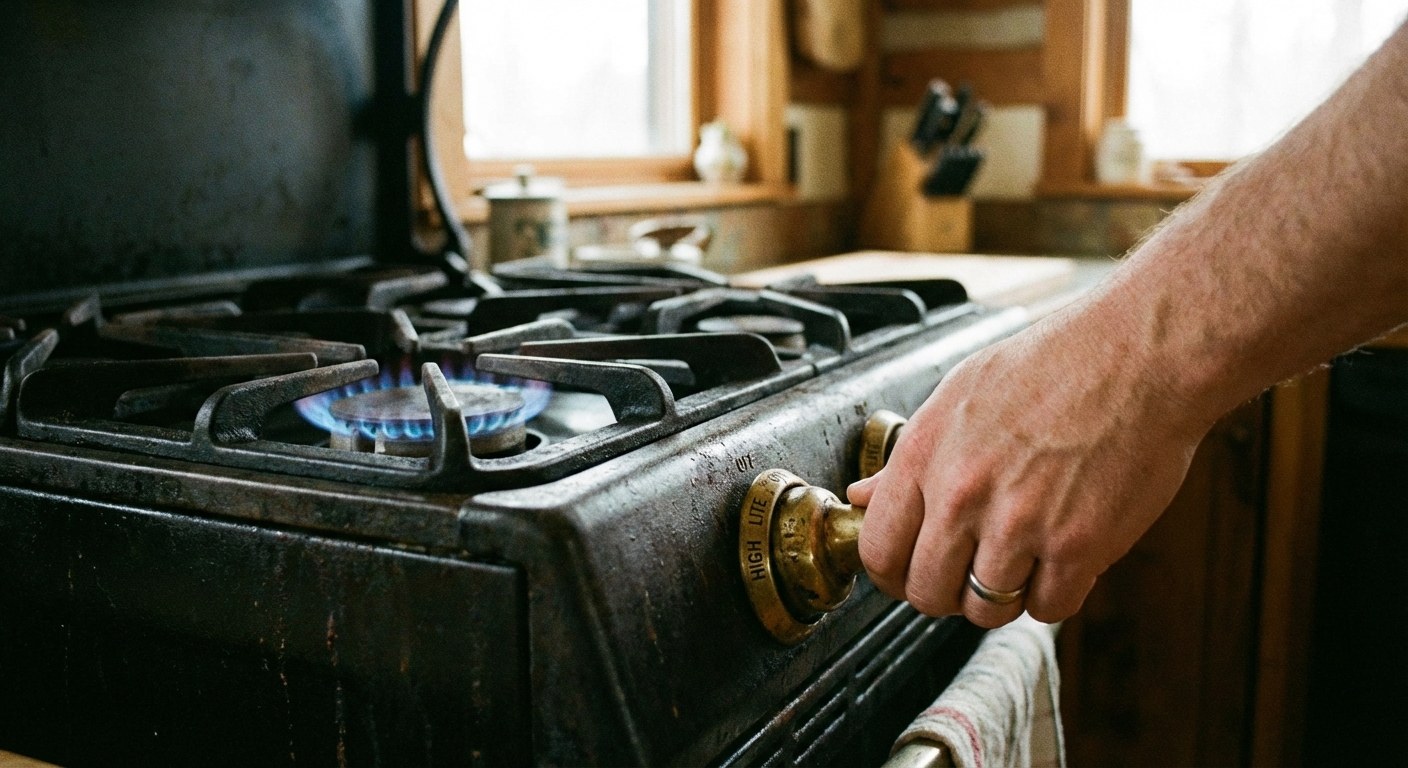
Turning the knob on your gas stove and hearing that rhythmic click-click-click without a flame appearing is a classic kitchen frustration. It usually happens right when you’re ready to start dinner, adding stress to an already busy evening.
Looking for more guidance? Take a look at our Repairs overview.
The good news is that a burner failing to light is rarely a sign of a catastrophic failure. In most cases, the culprit is something minor: a misaligned cap, a bit of spilled sauce blocking a port, or a simple power issue. Gas stoves are relatively simple machines, and with a few careful checks, you can often get them working again without waiting for a repair technician.
This guide will walk you through a safe, logical process to diagnose the problem and get your kitchen back up and running.
Is It Safe to troubleshoot?
Before we start, let's address the most important question: safety.
Working with gas appliances requires caution. If you smell a strong, persistent odor of gas (like rotten eggs) that doesn't go away, or if you hear a hissing sound when all knobs are off, stop immediately. Leave your home and call your gas utility provider from a safe distance.
However, if there is no strong smell of gas and you're just dealing with a burner that refuses to catch a spark, it is generally safe to investigate using the steps below.
Common Symptoms
- Clicking but no flame: The igniter is sparking, but gas isn't reaching it or the ports are blocked.
- No clicking sound: The ignition system isn't getting power or the igniter is broken.
- Weak or yellow flame: The burner is likely clogged with grease or food debris.
- Only one burner fails: The issue is localized to that specific burner (usually dirt or alignment).
Step-by-Step Diagnosis and Repair
We will break this down into two main paths: if all your burners are failing, or if just one burner is giving you trouble.
Phase 1: Initial Safety Check
Time: 5 minutes
Before taking anything apart, do a quick environment check.
- Turn everything off: Ensure all burner knobs are in the OFF position.
- Ventilate: Open a window to get fresh air moving through the kitchen.
- Check for power: Believe it or not, gas stoves need electricity to make the spark. Check that the stove is plugged in securely. If you have a battery-operated ignition (common in some models), the battery might just be dead.
- Visual inspection: Look at the burner caps. Are they sitting flat? Is there obvious food debris or a spill from last night's pasta?
Phase 2: If ALL Burners Fail to Light
If none of the burners are working, the issue is likely with the gas supply or the main power source, rather than the burners themselves.
1. Check the Gas Supply Pull the stove forward gently just enough to see the gas line behind it. There is a shut-off valve on the supply pipe. The handle should be parallel to the pipe (open). If it’s perpendicular (forming a "T"), the gas is off.
- Tip: Check other gas appliances (like a dryer or furnace). If they aren't working either, your home's main gas supply might be interrupted.
2. Reset the Ignition System Sometimes the electronic ignition module gets confused.
- Unplug the stove from the wall.
- Wait one minute.
- Plug it back in.
- Try lighting a burner.
3. Check the Circuit Breaker If you don't hear any clicking at all, check your home’s electrical panel. If the breaker labeled "Kitchen" or "Range" has tripped, flip it back to ON.
Phase 3: If ONE Burner Fails to Light
If three burners work but one is stubborn, the issue is almost certainly a clog or a misalignment. This is the most common scenario homeowners face.
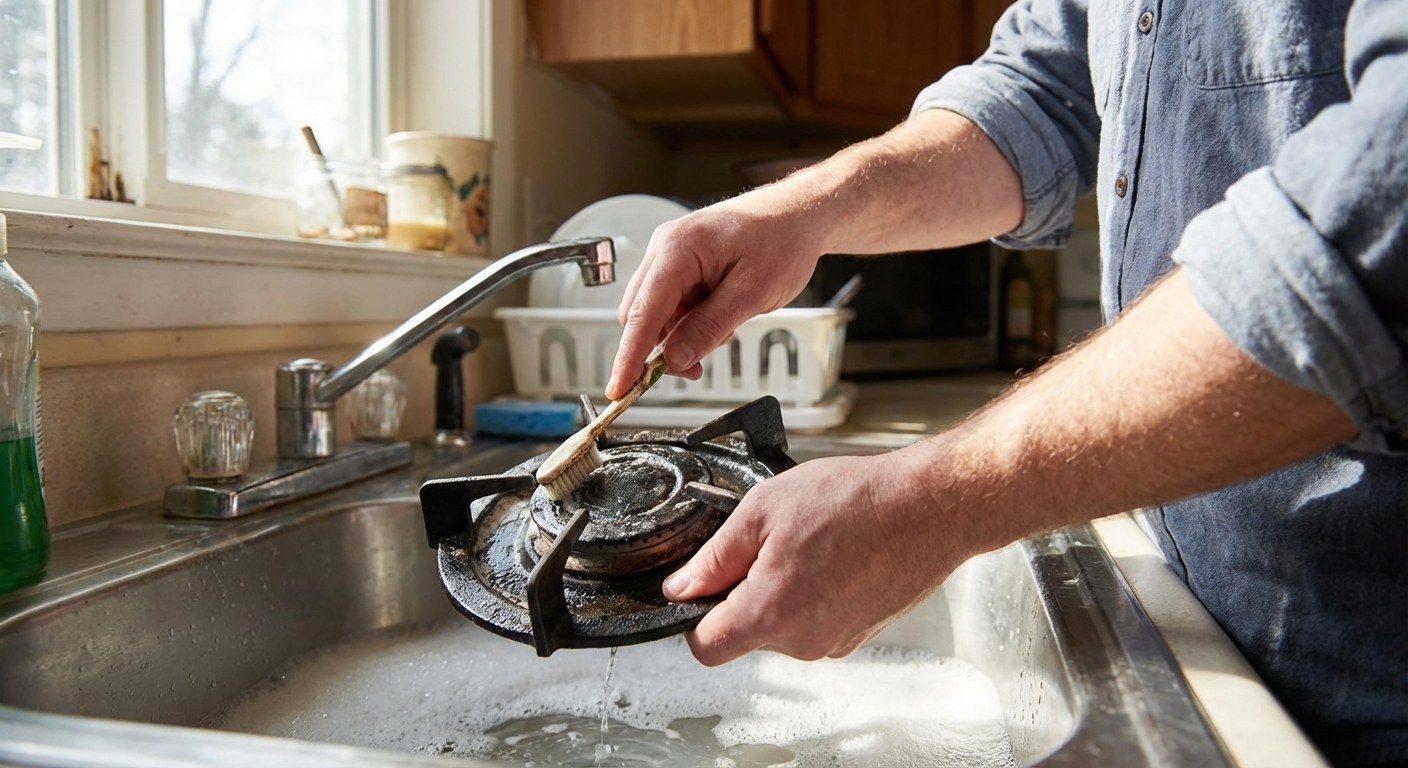
1. Clean the Burner Ports Food spills are the enemy of gas stoves. Even a tiny crumb can block the gas flow or the spark.
- Remove the heavy grate and the round burner cap.
- Use a stiff, dry toothbrush to scrub the burner head.
- Straighten a paperclip and gently poke it into the small holes (ports) where the gas comes out. This clears out hidden grease or debris.
- Note: Avoid using water or soaking the burner parts; moisture can prevent ignition until it dries out completely.
2. Check the Igniter and Cap Alignment
- Wipe the small ceramic nub (the igniter) with a dry cloth.
- Place the burner cap back on. It must sit perfectly flat. If it’s wobbly or crooked, the gas won't flow correctly toward the spark, and it won't light.
3. Test for Spark Turn the knob to "Light." If you see a spark and hear a click but get no flame, you might still have a moisture issue or a deep clog. If you see no spark on just that one burner, the igniter itself may need replacement.
When to Call a Professional
While many stove issues are DIY-friendly, gas is not something to gamble with. You should call a licensed technician if:
- You smell gas constantly, even when the stove is off.
- You have cleaned the ports and checked the power, but the burners still won't ignite.
- The flame is consistently orange or yellow (instead of blue) even after cleaning—this can indicate improper combustion and potential carbon monoxide risks.
- The control knobs feel loose or broken.
Time and Cost Estimates
DIY Fixes (Cleaning, Re-seating caps, Checking plugs):
- Time: 15–30 minutes
- Cost: $0 (using household items like a toothbrush and paperclip)
Replacing an Igniter or Control Module (DIY):
- Time: 45–60 minutes
- Cost: $20–$100 for parts
Professional Repair:
- Time: 1–2 hours
- Cost: $150–$350 (Service call + parts)
Recap
A stove that won't light is usually trying to tell you it's dirty or unplugged, rather than broken.
- Safety first: Ensure there are no major gas leaks.
- Check the basics: Is it plugged in? Is the gas valve open?
- Clean it up: A toothbrush and a paperclip are your best tools for clearing clogged burner ports.
- Align it: Ensure the caps are sitting flat and level.
Keeping track of when you last serviced your appliances—even just a deep clean—can help you stay ahead of these annoyances. Casa can help you organize your home maintenance schedule so you aren't surprised by these issues right before a dinner party.
If you’ve gone through this checklist and still can’t get the flame to catch, don’t force it. Download the Casa app today. We can help you troubleshoot further or connect you with a top-rated appliance professional to handle the repair safely.