

Nov 13, 2026
A Calm Guide to Managing Your Home for the Long Term
Managing a home does not have to feel overwhelming. Learn how repairs maintenance finances and improvements connect so you can protect your property with confidence.
When you receive the keys to your first home, the transition is both exciting and surprisingly abrupt. As a renter, your job was simple: notice a problem, submit a maintenance ticket, and let someone else evaluate the cost and logistics. As a homeowner, you suddenly become the resident, the building manager, and the chief financial officer all at once.
Looking for more guidance? Take a look at our AI Home Advisor overview.
If you have spent your first few months or years of homeownership feeling an underlying sense of stress, that is entirely normal. You do not lack the capability to run a home well. What you are experiencing is simply the weight of managing an intricate system without a clear framework.
Running a home does not require you to become an electrician, a master plumber, or an accountant. It simply requires understanding how the core parts of homeownership connect, so you can make informed choices at your own pace.
Why Scattered Advice Creates Unnecessary Stress
Most homeowners do not struggle from a lack of information; they struggle from an overabundance of fragmented advice.
When an unfamiliar sound comes from the basement or water drains slowly from a sink, most people turn to an online search. Within three clicks, you are typically presented with two unhelpful extremes:
- An oversimplified tutorial claiming you can fix the issue yourself in five minutes with basic household tools.
- A forum thread warning that this specific symptom points to a catastrophic foundation or plumbing failure costing tens of thousands of dollars.
Neither extreme serves you well. Internet advice rarely accounts for your home’s age, your local climate, or your financial comfort level. Family and neighbors often share advice based solely on their own isolated experiences, which may not apply to your property.
When guidance is scattered across search engines, group texts, and loose paper receipts in a kitchen drawer, every minor issue feels urgent. Real peace of mind comes from stepping back and looking at your home as an integrated system built on four distinct pillars.
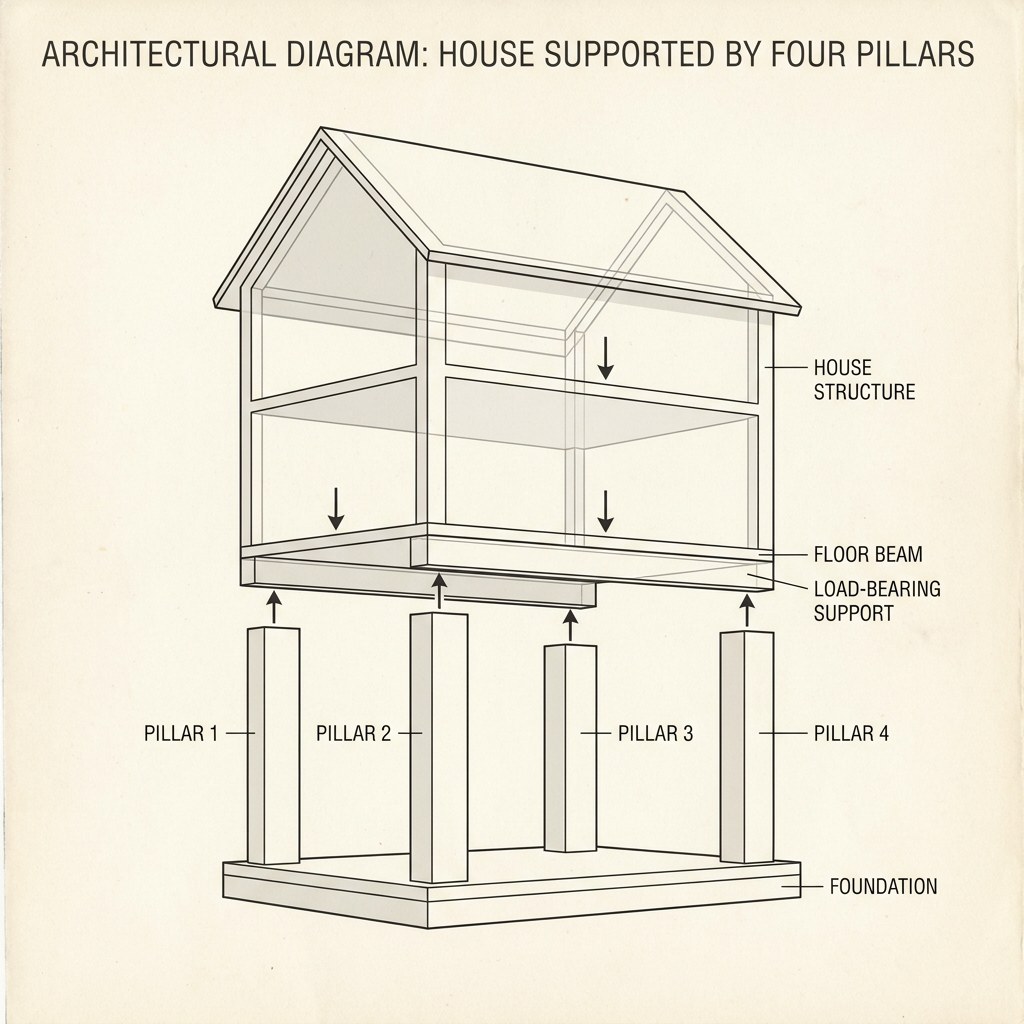
The Four Pillars of Homeownership
To manage your property without burning out, it helps to organize every task, expense, and decision into four practical categories: repairs, maintenance, finances, and improvements.
1. Repairs
Repairs are reactive. They happen when a mechanical component breaks, a pipe leaks, or an appliance stops functioning. Because repairs are usually unscheduled, they tend to generate the most immediate emotional friction. The goal with repairs is not to prevent them entirely—every home experiences wear and tear—but to build the diagnostic readiness to know whether an issue needs immediate attention, can be safely monitored, or requires a vetted specialist.
2. Maintenance
Maintenance is proactive and rhythmic. It includes changing air filters, cleaning gutters, servicing heating and cooling equipment, and checking exterior seals. While repairs solve active problems, maintenance preserves baseline performance and slows down deterioration. A consistent maintenance routine is the single most effective tool you have for keeping unexpected repair costs manageable.
3. Finances
Your home is both a shelter and a substantial financial asset. The financial pillar extends beyond paying your monthly mortgage. It involves managing property taxes, keeping adequate insurance coverage, tracking operational utility costs, and funding an emergency reserve. Healthy home finances give you breathing room so an unexpected water heater replacement is an inconvenience rather than a personal crisis.
4. Improvements
Improvements are intentional upgrades designed to increase your comfort, improve utility efficiency, or protect long-term property value. These can range from minor updates like upgrading insulation to larger projects like remodeling a kitchen or replacing an aging roof. Unlike repairs, improvements are discretionary; they should happen strictly on your timeline and within your budget.
How Home Decisions Connect
The true challenge of homeownership is that these four areas never operate in isolation. A decision made in one pillar inevitably ripples into the others.
Consider a practical scenario:
- Maintenance neglect leads to repairs: Skipping annual servicing on an air conditioning unit seems harmless in the short term. However, uncleaned coils force the compressor to work harder, eventually causing a premature system failure on the hottest week of the summer.
- Unplanned repairs drain your finances: Replacing that compressor immediately pulls several thousand dollars out of your savings account.
- Financial strain stalls improvements: Because that cash was diverted to an emergency repair, the energy-efficient window upgrades you planned for the autumn are postponed.
Conversely, when you manage maintenance consistently, the cycle works in your favor. Systems run efficiently, utility bills remain predictable, unexpected breakdowns decrease, and your improvement fund remains intact. Understanding this connection helps you stop viewing home care as an endless list of random chores and start seeing it as an ongoing balancing act you can control.
What Most New Homeowners Get Wrong
In the first one to three years after closing, most homeowners fall into a few predictable traps. Recognizing them early makes homeownership significantly easier:
- Treating everything as an emergency: Not every leak requires same-day service, and not every cosmetic flaw indicates structural failure. Learning to pause, assess the true risk, and gather balanced information prevents expensive panic calls.
- Prioritizing aesthetics over foundational health: It is tempting to spend initial savings on new paint, light fixtures, or landscaping. However, investing in underlying systems—such as your electrical panel, drainage, or roof condition—protects your equity far better than cosmetic upgrades.
- Trying to master every trade: You do not need to know how to rewire a three-way switch or sweat copper pipes to be a responsible owner. Your real role is project manager: understanding what needs to be done, knowing your personal safety limits, and hiring qualified professionals when the job calls for it.
- Keeping disconnected records: Warranties live in email inboxes, paint codes are scribbled on basement beams, and contractor numbers sit in phone contact lists. Disorganization makes future projects twice as difficult as they need to be.
How to Stay Organized Without Making This a Second Job
Managing your home responsibly does not mean giving up your weekends to manage spreadsheets. A few simple habits will keep you ahead of the curve.
First, adopt a seasonal rhythm rather than a daily worry list. Most homes only require active operational attention three or four times a year—typically during seasonal transitions when heating or cooling demands change and weather patterns shift. Handling tasks in focused batches keeps you from feeling like the house always demands something from you.
Second, centralize your property information. Knowing the age of your major mechanical units, where your main water shutoff valve is located, and which contractor installed your water heater saves critical time during a service call. Using a dedicated platform like Casa gives you a reliable advisor in your pocket, helping you organize records, track ongoing maintenance, and evaluate repair estimates without sorting through piles of paperwork.
Finally, measure success by preparedness, not perfection. A well-managed home still experiences drafts, worn-out parts, and occasional leaks. The measure of good homeownership is not having a flawless house; it is having a steady plan in place when something needs your attention.
A Balanced Path Forward
Owning a home is a long-term commitment made up of small, manageable decisions over time. By recognizing how repairs, maintenance, finances, and improvements influence one another, you can step out of reactive anxiety and into steady stewardship.
Take things one season at a time. Protect your baseline systems, keep your records in order, and give yourself permission to learn as you go.
If you are ready for calm, objective guidance on managing your property with less stress, download the Casa app today and bring clarity to your homeownership journey.