

Oct 2, 2026
A Calmer Approach to Managing Your Home and Protecting Your Investment
Learn how to manage home repairs, maintenance, finances, and improvements with clarity. Here is a steady approach to protecting your biggest investment.
The transition into homeownership often comes with an unexpected shift in how you experience your surroundings. In an apartment or rental, an odd humming sound in the utility closet or a hairline crack along a doorframe belongs to someone else to resolve. Once you hold the deed, those same minor occurrences can trigger an immediate sense of urgency.
Looking for more guidance? Take a look at our AI Home Advisor overview.
If you have spent your first few years of homeownership feeling mildly on edge, you are experiencing something completely standard. Managing a residential property involves a substantial amount of unfamiliar territory, and very few people receive formal instruction on how to handle it.
The goal of responsible home stewardship is not to achieve absolute perfection or turn yourself into an amateur general contractor. It is simply having a clear, balanced perspective so that unexpected situations become manageable tasks rather than disruptive crises.
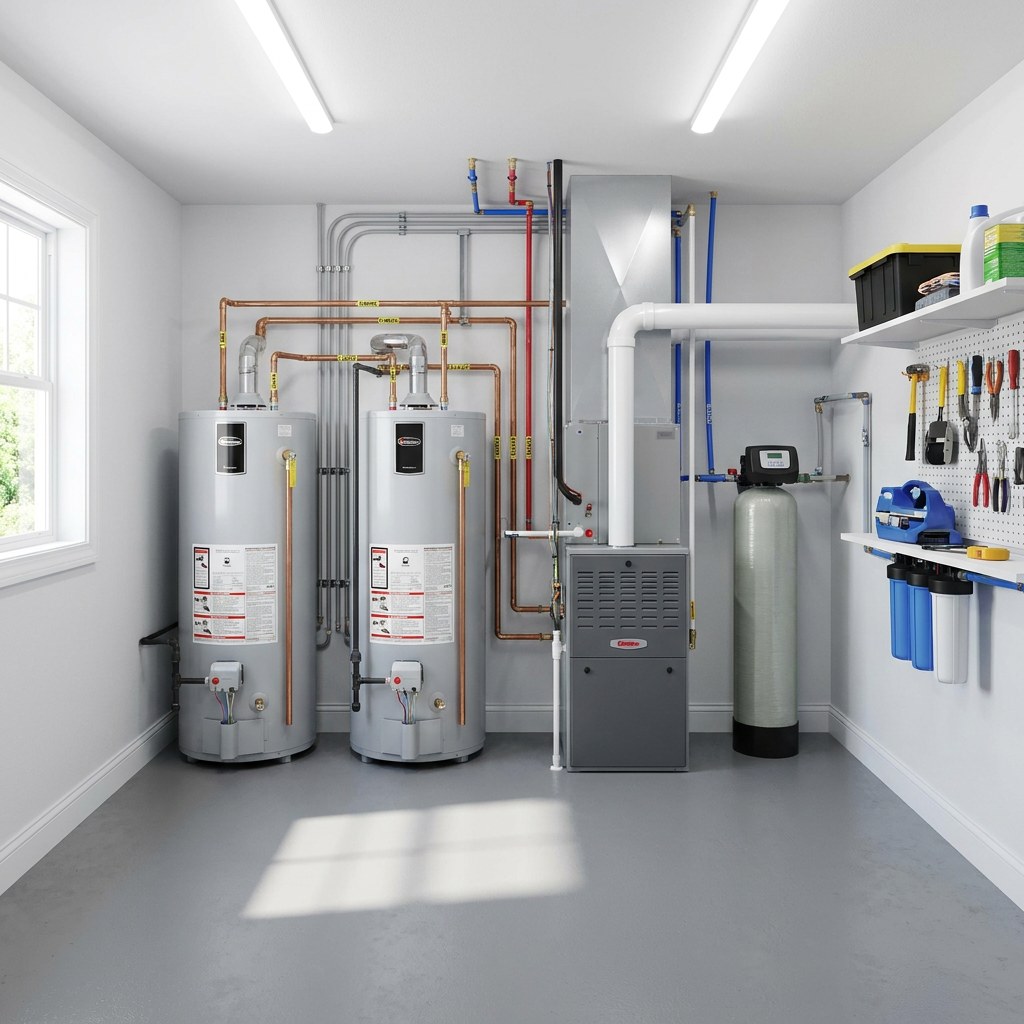
Why Scattered Advice Creates Unnecessary Stress
Much of the anxiety around managing a property comes from how information is gathered. When something seems off, the common reaction is to consult internet forums, poll family members, or sift through contractor review pages.
The problem with this approach is that most advice online reflects extreme scenarios. Forums tend to attract people experiencing worst-case plumbing failures or structural nightmares. Well-meaning relatives often share tips based on homes built in different decades or under different climate conditions. Meanwhile, contractor marketing can sometimes frame standard wear and tear as an impending catastrophe.
Gathering disconnected recommendations leads to decision fatigue. You end up with a mental backlog of dozens of tasks, no clear order of operations, and a lingering fear that you are neglecting something critical.
Bringing calm to your home begins by organizing your responsibilities into four distinct, connected areas.
The Four Pillars of Running a Home
Every single task, expense, and decision regarding your property falls into one of four categories. Understanding which bucket a situation belongs to will immediately lower your stress and clarify your next move.
       ┌────────────────────────┐
       │     The 4 Pillars      │
       └───────────┬────────────┘
     ┌─────────────┼─────────────┐
     ▼             ▼             ▼
  Repairs     Maintenance    Finances    Improvements
 (Unplanned)   (Routine)     (Capital)    (Elective)
1. Repairs
Repairs are reactive. They address components that have stopped functioning properly or sustained damage, such as a dripping supply valve, a malfunctioning garage door sensor, or a circuit breaker that will not reset.
The objective with repairs is simple: triage. You determine whether the issue poses an immediate safety risk, can wait until normal business hours, or simply requires basic troubleshooting. Very few home repairs are genuine midnight emergencies.
2. Maintenance
Maintenance is proactive. These are recurring, predictable tasks that keep mechanical systems, plumbing, and structural components running efficiently. Examples include swapping furnace filters, flushing sediment from your water heater, clearing gutters, and testing smoke detectors.
Good maintenance does not prevent every repair, but it significantly reduces the likelihood of premature equipment failure.
3. Finances
Your home is both a shelter and a substantial financial asset. This pillar covers your mortgage structure, property taxes, homeowners insurance, utility costs, and dedicated reserve funds.
A healthy financial baseline means establishing an emergency cushion specifically for the home. When you anticipate that mechanical systems will eventually need replacement, the financial sting of doing so is greatly reduced.
4. Improvements
Improvements are elective. They represent intentional changes you make to modernize spaces, increase energy efficiency, or expand the home's utility to match your lifestyle. This includes everything from painting a living room to remodeling a bathroom or adding a patio.
How Decisions Connect Across Pillars
Home decisions rarely exist in isolation. Understanding how these four areas influence one another prevents small oversights from cascading into major headaches.
Consider your heating, ventilation, and air conditioning (HVAC) system:
- Maintenance: Regularly replacing a ten-dollar air filter keeps airflow steady.
- Repairs: Skipping filter changes strains the blower motor, eventually causing an unexpected breakdown on a hot afternoon.
- Finances: An emergency service call and premature system replacement can cost thousands of dollars out of pocket.
- Improvements: That sudden expense may force you to postpone an improvement you were looking forward to, like refreshing your backyard landscaping.
When you view your home as a connected system, preventative maintenance stops feeling like an arbitrary chore. It becomes an intentional financial strategy that protects your disposable income and preserves your long-term plans.
What Most New Homeowners Get Wrong
New homeowners often carry habits and assumptions that make managing a property harder than it needs to be. Here are four common misconceptions to leave behind:
Treating Every Anomaly as an Emergency
Houses settle, wood expands and contracts with humidity, and appliances make mechanical noises. Learning to observe and monitor an issue over a few weeks—rather than assuming the worst on day one—saves both money and peace of mind.
Believing Maintenance Requires Contractor Visits
Many essential upkeep tasks require nothing more than ten minutes, a standard screwdriver, or a quick visual check. While professional trade skills are essential for major work, routine preservation is straightforward and well within your capabilities.
Prioritizing Cosmetics Over Core Systems
It is tempting to focus on paint colors, light fixtures, and hardware right after moving in. However, spending your initial budget on aesthetics while ignoring an aging water heater or compromised grading around the foundation leaves you vulnerable to costly disruptions later.
Relying on Mental Notes
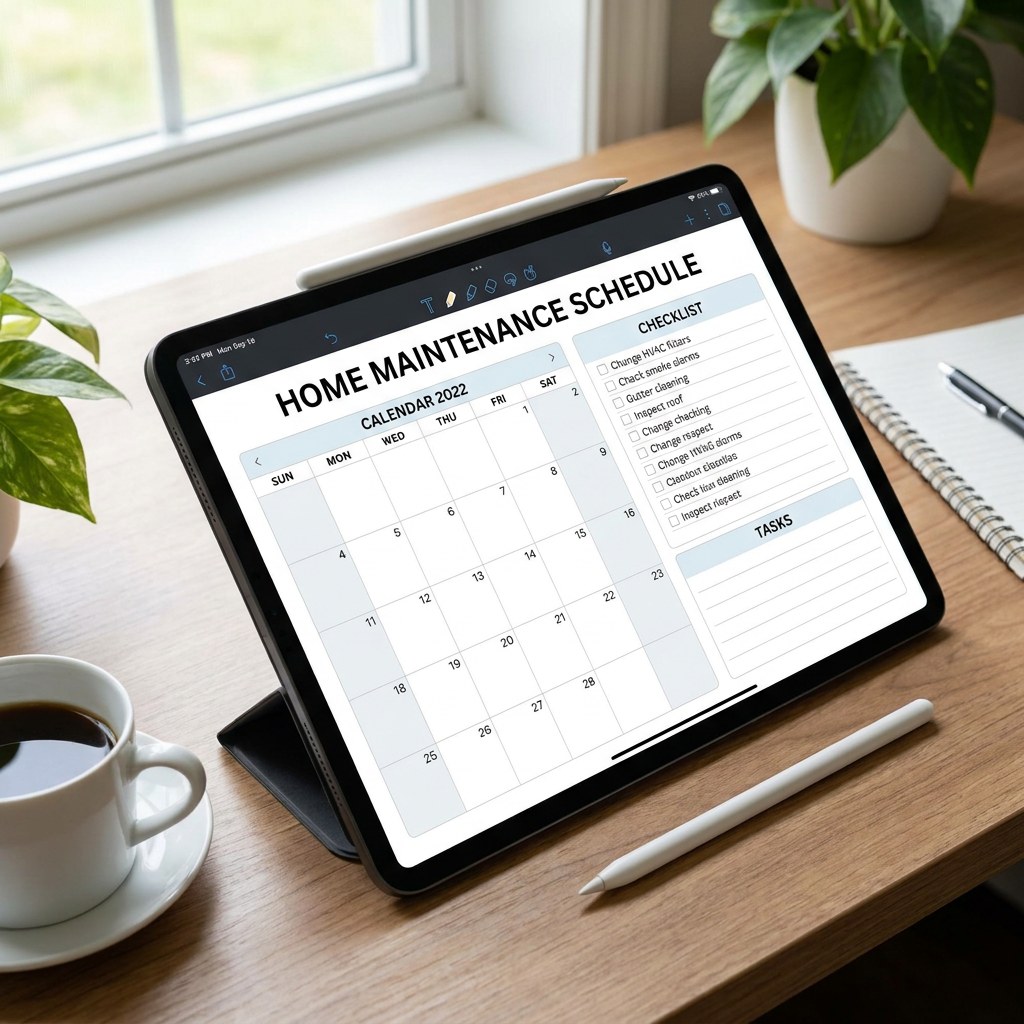
Attempting to remember the last time you changed an appliance filter, cleaned a dryer duct, or had a roof inspected creates constant low-level background noise. Operating without written records makes home management feel chaotic.
How to Stay Organized Without Making This a Second Job
Protecting your investment does not require spreadsheets that take hours to maintain. You can keep your home in solid operational shape by putting a simple structure in place:
- Adopt a seasonal cadence: Instead of worrying about tasks weekly, evaluate your property once per season. Address exterior items in spring and fall, and focus on interior checks during summer and winter.
- Keep a single property log: Document appliance model numbers, paint codes, installation dates, and contractor receipts in one central location. When a problem arises, having this information immediately accessible saves significant time.
- Build an isolated reserve: Set aside a modest monthly amount dedicated entirely to property care. Even a modest reserve fund changes how an unexpected plumbing issue feels; it becomes an inconvenience rather than a personal crisis.
Using an always-on home advisor like Casa makes this process straightforward. Casa helps you track your home's key systems, organize service histories, and receive clear guidance on what deserves attention next, eliminating the guesswork of home management.
The Path Forward
Managing a home responsibly comes down to steady, incremental awareness. You do not need to know how to rewire an electrical panel or rebuild a furnace to be a capable homeowner.
By categorizing tasks into repairs, maintenance, finances, and improvements, you can make clear-headed decisions without feeling overwhelmed. Take things one season at a time, keep reliable records, and address tasks in an orderly fashion. Your home is built to shelter you, and with a measured approach, caring for it will feel natural and rewarding.
To simplify the way you care for your home, download the Casa app and let your personal home advisor handle the planning, tracking, and organization for you.