

Nov 6, 2026
A Simple Framework for Managing Your Home with Confidence
Owning a home can feel overwhelming without a clear system. Learn how repairs, maintenance, finances, and improvements connect so you can make calm, steady decisions.
When you receive the keys to your first home, the initial sense of accomplishment is often followed by a quiet wave of uncertainty.
Looking for more guidance? Take a look at our AI Home Advisor overview.
Suddenly, every unfamiliar sound from the basement, hairline drywall crack, or flick of an older light switch feels like a test you did not study for. When you rented, a single phone call resolved these questions. As an owner, you are the final decision-maker for an intricate structure built from dozens of interconnected systems.
Feeling slightly out of your depth in your first few years of homeownership is entirely normal. It is not evidence that you bought the wrong house or that you lack the practical skills to run it. It simply means you have taken on a complex, dynamic asset without an operating manual.
Managing a home responsibly does not require you to become an electrician, a plumber, or a general contractor. It simply requires a clear way to see the bigger picture.
Why Scattered Advice Creates Unnecessary Stress
Most homeowner anxiety does not come from a lack of information. It comes from having too much uncoordinated information delivered at the wrong time.
When something looks unusual, the natural response is to look for answers anywhere you can find them:
- Online search forums with worst-case scenarios
- Relatives offering advice based on houses built in different decades or climates
- Social media accounts showcasing high-budget renovations
- Service contractors who may have an incentive to recommend total replacements
This scattershot approach creates what psychologists call cognitive overload. You are handed urgent, conflicting advice without any context about where your house actually stands. One source tells you an aging water heater must be replaced this afternoon; another tells you to run it until it fails.
Without an overarching framework, every decision feels reactive. You end up treating minor quirks as emergencies and putting off quiet, critical upkeep because louder tasks demand your attention.
The Four Pillars of Thoughtful Home Management
To make steady decisions, you need to categorize what your home asks of you. Nearly every homeownership task, expense, or decision falls into one of four core pillars.

1. Maintenance
Maintenance is the ongoing, predictable care that keeps existing systems running as intended. It is fundamentally defensive. Changing air filters, clearing exterior drainage, inspecting roof flashings, and flushing sediment from a water heater all fall into this category. Maintenance rarely feels urgent on a Tuesday, but consistent upkeep protects warranties, preserves efficiency, and delays expensive capital replacements.
2. Repairs
Repairs address things that have stopped working or have degraded to the point of failure. Unlike maintenance, repairs are responsive. A leaking disposal, a failed blower motor on a furnace, or a compromised window seal are repairs. Some are urgent; many are not. A healthy management approach helps you evaluate severity so you do not treat a slow dripline with the same panic as an active pipe burst.
3. Finances
Your home is both a living environment and a balance sheet. The financial pillar covers more than just the monthly mortgage payment. It involves your property taxes, homeowners insurance premiums, utility trajectories, and capital expenditure reserves. Understanding how much to set aside for future system replacements turns inevitable expenses into planned transactions rather than household crises.
4. Improvements
Improvements are discretionary investments that adapt the property to better fit your life, increase energy efficiency, or modernize spaces. These range from small updates like installing smart thermostats to major investments like remodeling a kitchen or finishing a basement. Improvements should bring comfort and functionality, but they belong in conversation with your structural realities, not ahead of them.
How Decisions Connect Across the Pillars
The mistake many homeowners make is viewing these four areas in isolation. In reality, a choice in one pillar directly impacts the other three.
Consider an aging central air conditioner:
- Maintenance impact: Keeping the outdoor condenser coils clean lowers operating strain, buying you time.
- Repairs impact: When a small electrical component like a capacitor fails, you must decide whether a short-term repair makes sense on a ten-year-old compressor.
- Finances impact: If you have tracked that aging system, you can budget for a replacement next spring instead of putting an emergency install on a high-interest credit card in July.
- Improvements impact: Replacing that unit provides an opportunity to evaluate heat pumps, which may qualify for energy rebates and reduce your monthly utility costs.
When you see how these threads pull together, decisions become strategic. You stop asking, "Can I afford to fix this right now?" and start asking, "Where does this fit into our overall plan for the house?" Having an intelligent home partner like Casa helps bring those separate threads into one clear, prioritized view so you are never guessing what matters next.
What Most New Homeowners Get Wrong
Over the first several years of owning a property, a few predictable patterns lead to regret or unnecessary stress:
- Treating cosmetic updates as immediate priorities. It is tempting to paint cabinets and swap light fixtures immediately after moving in. But spending your initial reserves on aesthetic choices before you understand the performance of your roof, grading, and mechanical systems leaves you vulnerable when a baseline system needs attention.
- Confusing age with emergency. Just because a heating system or roof has reached its typical statistical lifespan does not mean it will fail tomorrow. Older equipment that is properly serviced can often operate reliably while you calmly plan its eventual retirement.
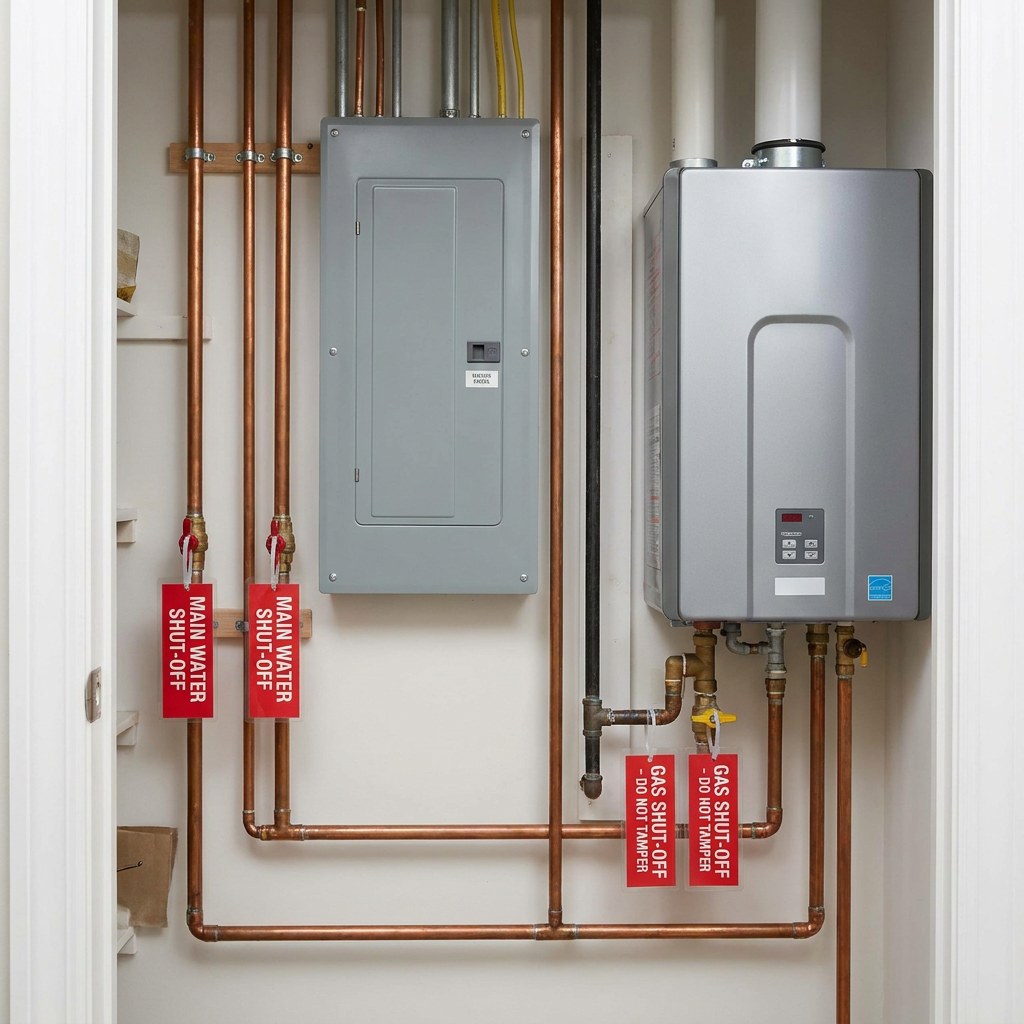
- Believing DIY is an all-or-nothing proposition. Some homeowners feel guilty calling a technician for minor jobs; others assume they cannot touch anything without professional credentials. Sustainable management means knowing your personal limits: safely tackling simple tasks like filter changes or aerator cleaning, while preserving your time and safety by hiring trusted specialists for electrical, gas, or structural work.
- Operating without service history. Moving into a home without records leaves you blind to what was serviced, what was neglected, and when major components were installed. Starting your own clear log from day one changes everything.
How to Stay Organized Without Making This a Second Job
You do not need complicated spreadsheets or hours of weekend research to stay on top of your home. You need a simple, consistent rhythm.
- Focus on seasons, not days. Houses respond to weather cycles. Inspect exterior drainage and gutters in the autumn. Check cooling equipment and garden sillcocks in the spring. Give yourself a dedicated two-hour window each quarter to review seasonal needs, then step away.
- Document as you go. Whenever a service technician visits, note what they did, what parts were replaced, and what they advised keeping an eye on. Over three to five years, this log becomes an invaluable resource for troubleshooting and property resale.
- Keep an accessible reserve fund. Stashing even modest, regular amounts into an account dedicated solely to property maintenance changes your emotional response to mechanical failures. What once felt like a catastrophe becomes an expected administrative expense.
- Use an objective advisor. When an unexpected issue arises, rely on a neutral resource rather than high-pressure sales pitches or alarmist online threads. Casa serves as an always-on guide, helping you evaluate whether an issue requires immediate professional help, simple monitoring, or a straightforward weekend fix.
The Long View
A home is not an appliance that either works perfectly or needs to be thrown out. It is a long-term environment that changes, ages, and responds to its surroundings.
You do not have to fix everything in your first year, and you do not need to understand every pipe and wire behind your walls today. Take a breath, lean on a structured framework, and address your home step by step. With steady attention and clear priorities, you can protect your investment while keeping homeownership what it was always meant to be: a source of security and pride.
Take the guesswork out of caring for your home. Download the Casa app to track maintenance, organize home records, and get calm, objective guidance whenever questions arise.