

Sep 4, 2026
The Modern Guide to Managing Your Home with Confidence
Learn how to manage your home without the overwhelm. Understand how repairs maintenance finances and improvements connect so you can make confident decisions.
When you receive the keys to your home, the excitement often arrives alongside a sudden realization: there is no landlord to call, no property manager on standby, and no comprehensive manual provided at closing.
Looking for more guidance? Take a look at our AI Home Advisor overview.
Feeling a degree of uncertainty during your first few years of homeownership is entirely normal. A home is a complex physical and financial asset. When minor issues appear or unfamiliar noises surface, it is natural to wonder whether you are doing enough or doing things correctly.
Managing a home responsibly does not require you to become a general contractor, a master plumber, or a financial analyst. It simply requires a clear framework for making steady, well-timed decisions.
Why Scattered Advice Creates Stress
When an unfamiliar situation arises—such as an aging water heater or an unexpected draft—most homeowners turn to the internet.
The challenge is rarely a lack of information. Instead, it is information overload from fragmented sources:
- Search engines often surface worst-case scenarios, turning routine questions into perceived emergencies.
- Online forums and social media offer strong opinions that may not match your home’s climate, age, or construction type.
- Friends and family often provide advice based on their personal experiences, which may not align with your financial goals or comfort level with risk.
Gathering disconnected advice from half a dozen places makes home management feel unpredictable and exhausting. Real clarity comes from understanding how your home functions as an interconnected system.
The Four Pillars of Home Management
Every decision you make regarding your property falls into one of four core categories. Understanding how these areas function helps you prioritize your time and energy.
1. Repairs
Repairs address components that are actively broken, malfunctioning, or failing. These are the immediate issues that require attention to maintain safety, habitability, or structural integrity—such as a leaking pipe or an electrical circuit that repeatedly trips.
2. Maintenance
Maintenance consists of the recurring, predictable tasks that keep existing systems running efficiently. Replacing HVAC filters, inspecting roof gutters, and flushing water heaters are routine actions designed to extend equipment lifespan and prevent sudden, costly repairs.
3. Finances
Your home is both a shelter and a major financial commitment. This pillar encompasses your property taxes, homeowners insurance, mortgage structure, operating budget, and dedicated emergency savings. Solid financial planning ensures that unexpected physical issues do not turn into financial crises.
4. Improvements
Improvements are intentional upgrades designed to increase your comfort, improve energy efficiency, or build long-term equity. These include kitchen renovations, insulation upgrades, and smart home additions. Unlike repairs, improvements are discretionary projects you can plan and execute on your own timeline.
How Home Decisions Connect
These four pillars do not operate in isolation. A choice in one area consistently influences the others:
- Maintenance protects your finances: Spending a modest amount on annual heating system tune-ups can delay a major replacement expense by several years.
- Finances shape your repair strategy: Having an accessible reserve fund allows you to choose quality, long-term repair solutions instead of quick, temporary patches.
- Improvements alter your maintenance needs: Upgrading to high-efficiency windows can lower heating costs, but it may also introduce new sealing and maintenance considerations.
When you view your home through this interconnected lens, individual tasks become easier to evaluate. You can quickly see whether a project is an urgent necessity, a routine upkeep task, or an optional upgrade for the future.
What Most New Homeowners Get Wrong
Most mistakes in homeownership do not come from a lack of effort; they come from common misunderstandings about how homes operate.
Reacting to Symptoms Instead of Causes
New homeowners often address visible symptoms without investigating the underlying issue. For example, repeatedly repainting over water stains on a ceiling without locating the plumbing or roofing leak leads to recurring costs and worsening damage.
Treating Routine Maintenance as Optional
Because deferred maintenance rarely causes immediate failure, it is easy to push aside. However, neglect compounds over time. Skipping routine maintenance usually converts predictable, small expenses into sudden, expensive repairs.
Over-Improving Too Early
It is common to want to customize a new home immediately. However, rushing into major cosmetic improvements before living in the home through a few seasons can drain your reserves. It often pays to understand the home's operational quirks and energy performance before taking on large aesthetic projects.
Believing Everything Requires a Contractor
Not every task warrants an expensive professional service call. At the same time, attempting high-risk tasks without the right tools can create safety hazards. Building confidence means learning the clear boundary between what is safe to monitor yourself and what requires licensed expertise.
How to Stay Organized Without Making This a Second Job
You do not need to spend your weekends managing spreadsheets or tracking minor details. A simple, consistent approach is far more effective.
Keep a Single Record of Major Systems
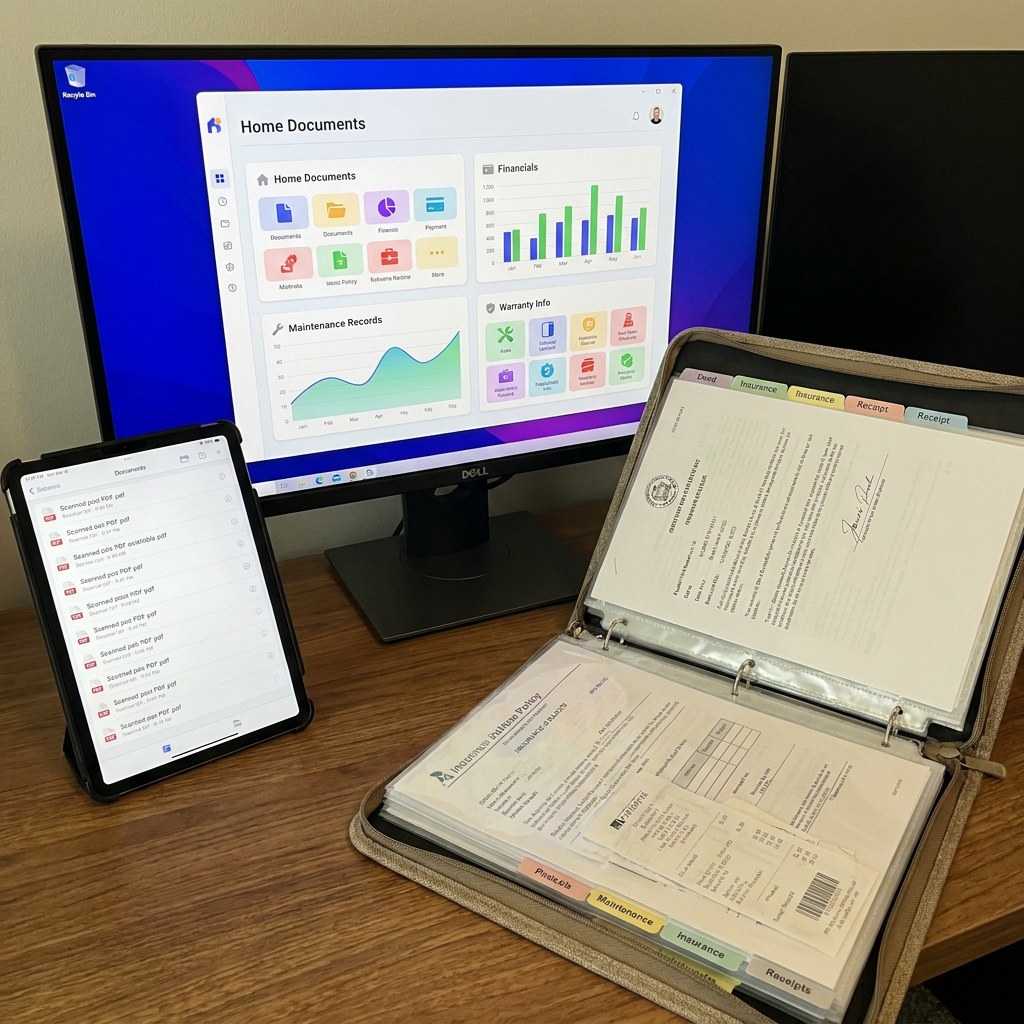
Note the age and condition of your primary equipment—such as your roof, water heater, HVAC units, and electrical panel. Knowing the rough installation dates helps you anticipate when major replacements might occur. An advisor tool like Casa can serve as a centralized place to keep these records organized and accessible.
Establish a Seasonal Rhythm
Rather than worrying about maintenance constantly, review your home once per quarter. Dedicate a single afternoon each season to check exterior drainage, inspect seals, and test safety devices. Grouping tasks together reduces mental fatigue.
Distinguish Between Urgent and Non-Urgent
When something stops working or looks worn, pause and categorize it:
- Immediate Risk: Water leaks, electrical hazards, or structural concerns require fast action.
- Monitor: Minor cosmetic cracks or older appliances working normally can simply be watched over time.
- Future Plan: Discretionary upgrades and non-critical updates can be saved for your annual planning list.
Moving Forward with Confidence
Homeownership is an ongoing process of stewardship, not a test you pass or fail. There will always be items on your to-do list, and unexpected questions will arise from time to time.
By grounding your decisions in the four pillars and keeping a clear perspective on your priorities, you can protect your investment without letting home management take over your life.
When you want calm, reliable guidance on what to prioritize, what to budget for, or when to call a professional, Casa is here to help you navigate every stage of homeownership with confidence. Download the Casa app to get steady, personalized guidance for your home.