Reframing Maintenance: Cost Prevention Over Busywork
It is common to view dusting a ceiling fan as a cosmetic chore. But in a bathroom, your exhaust fan acts as the primary defense against humidity. When an exhaust fan pulls steam out of the room, it also pulls in microscopic dust particles, fabric fibers from towels, and hairspray residue.
Over time, this debris coats the internal motor and clogs the air vents. A clogged fan has to work twice as hard to move air. If left ignored, the motor can overheat and burn out long before it should.
What This Task Protects
More importantly, a struggling fan leaves excess moisture lingering in the air. This trapped humidity causes paint to peel, warps wooden doors, and creates an ideal environment for mold to take root on your ceiling and walls. By keeping the fan clean, you are directly protecting:
- The lifespan of the fixture: Reducing strain on the motor.
- Your home's structural integrity: Preventing rot in drywall and ceiling joists.
- Indoor air quality: Stopping mold and mildew before they start.
Step-by-Step Cleaning Checklist
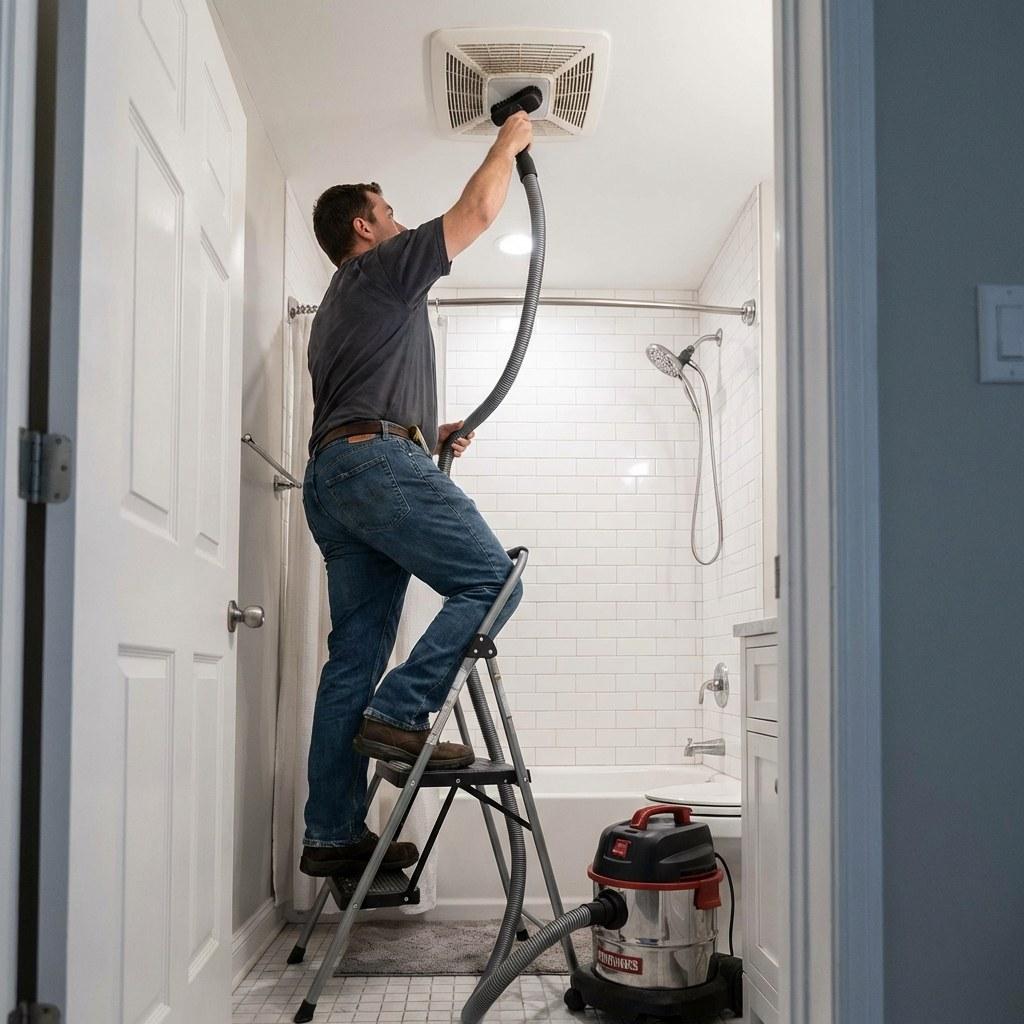
Cleaning a bathroom exhaust fan is a straightforward process that takes about fifteen minutes. You do not need specialized tools—just a vacuum, a step stool, and some soapy water.
- Turn off the power: Safety first. Turn off the fan switch. For extra safety, you can turn off the circuit breaker that supplies power to the bathroom.
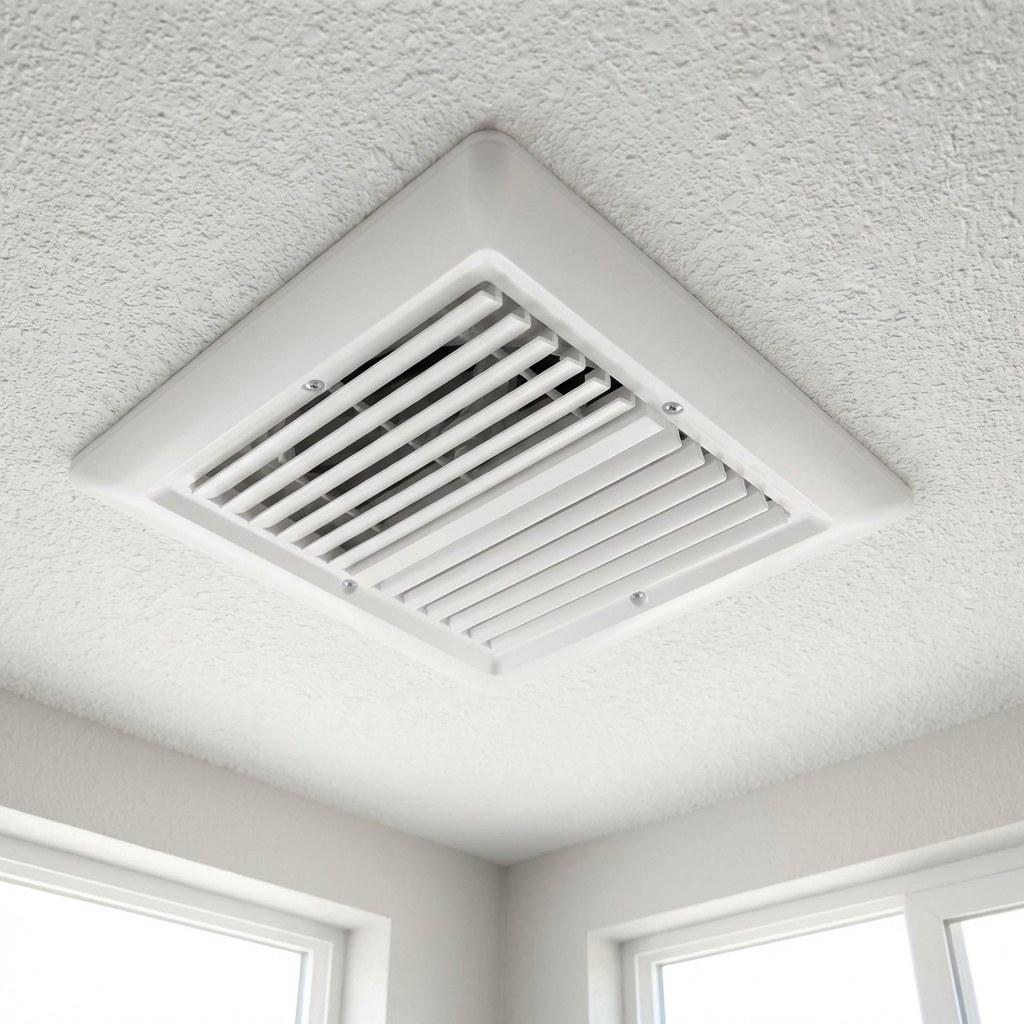
- Remove the cover: Most plastic fan covers are held in place by tension springs. Gently pull the cover straight down about an inch or two. You will see two metal V-shaped wires on opposite sides. Pinch the sides of each wire together to release the cover from the ceiling housing.
- Wash the cover: Take the cover to the sink and wash it with warm, soapy water to remove accumulated grime. Set it aside to dry completely.
- Vacuum the interior: Using a step stool, take the crevice tool attachment of your vacuum and carefully clean around the fan motor and the housing box. Avoid bumping any internal wires.
- Wipe down the housing: Use a dry or slightly damp microfiber cloth to gently wipe away any stubborn dust still clinging to the fan blades or the metal housing.
- Reinstall and test: Once the cover is dry, pinch the metal tension springs, slide them back into the slots inside the housing, and push the cover flat against the ceiling. Turn the power back on and test the fan.
How Often Should This Be Done?
Aim to clean your bathroom exhaust fans twice a year. If you have a large household, or if your bathroom is particularly prone to holding onto moisture, checking the fans every three to four months is a smart habit.
Signs You Have Waited Too Long
How do you know if a fan is already struggling under the weight of dust? Look for these common indicators:
- Persistent steam: The bathroom mirror stays fogged for more than ten to fifteen minutes after a shower.
- Loud noises: The fan makes a loud buzzing, rattling, or grinding noise when turned on.
- Visible dust: The plastic fan cover is clearly caked with dark grey dust or lint.
- Moisture spots: You notice dark spots or blistering paint forming on the ceiling above the shower.
The Cost of Neglect vs. The Cost of Maintenance
The cost of maintaining your exhaust fan is practically zero. It requires nothing more than a few minutes of your time and common household cleaning supplies.
The cost of neglect is significantly higher. Replacing a burnt-out fan motor or paying an electrician to install a new fixture usually ranges from $150 to $300, depending on the model and regional labor rates. If a broken fan leads to mold growth or peeling drywall, repairing the moisture damage in your bathroom can quickly climb above $500.
Safety Boundaries: When to Call a Professional
While cleaning is a very safe DIY task, there are times when you should step back and call a professional.
- Electrical issues: If the fan repeatedly trips your circuit breaker, or if it occasionally flickers and shuts off on its own, stop using it. This indicates a wiring or motor problem that a licensed electrician should evaluate.
- Attic venting: When you remove the cover, look up into the housing. If you can see that the fan is venting directly into an open attic space rather than through a dedicated duct leading to the outside roof or wall, call a professional. Venting moist air into an attic is a major cause of roof rot. A contractor can route the ductwork safely outside.
How to Build This Into Your Home Maintenance Schedule
Because this task only happens a couple of times a year, it is easy to lose track of it. The best way to ensure it gets done is to group it with another seasonal habit. For example, plan to wipe down your exhaust fans on the same weekend you test your smoke detectors or swap out your seasonal wardrobe.
Using a tool like Casa makes organizing these routines seamless. Casa helps you keep track of your seasonal maintenance, providing gentle reminders so you do not have to carry a running checklist in your head.
Recap
Your bathroom exhaust fan plays a quiet but essential role in keeping your home dry. By taking fifteen minutes to clear away dust twice a year, you allow the motor to run smoothly, prevent unnecessary fixture replacements, and protect your bathroom walls from moisture damage.
Ready to take the guesswork out of caring for your home? Download the Casa app today to build a clear, manageable maintenance plan that helps you stay ahead of costly repairs.