Looking for more guidance? Take a look at our Repairs overview.
 BACK
BACKJAN 3, 2026
How to Fix a Noisy Garage Door A Step by Step Guide
 BACK
BACKJAN 3, 2026
Looking for more guidance? Take a look at our Repairs overview.
That deafening screech, rattle, and clank of a noisy garage door is a sound no one wants to hear, especially late at night or early in the morning. It’s more than just an annoyance; it’s your garage door's way of crying out for help. A noisy door is often a sign of worn parts, loose hardware, or a lack of basic maintenance that, if ignored, could lead to a much bigger and more expensive repair down the road.
The great news is that you don't have to live with the racket. Most causes of a noisy garage door are surprisingly simple and inexpensive to fix yourself. With a little bit of time and some basic tools, you can perform a garage door tune-up that will silence the squeaks and groans, ensuring it runs smoothly and quietly for years to come.
So, roll up your sleeves! Let's walk through how to diagnose the source of the sound and perform the right maintenance to bring peace and quiet back to your garage.
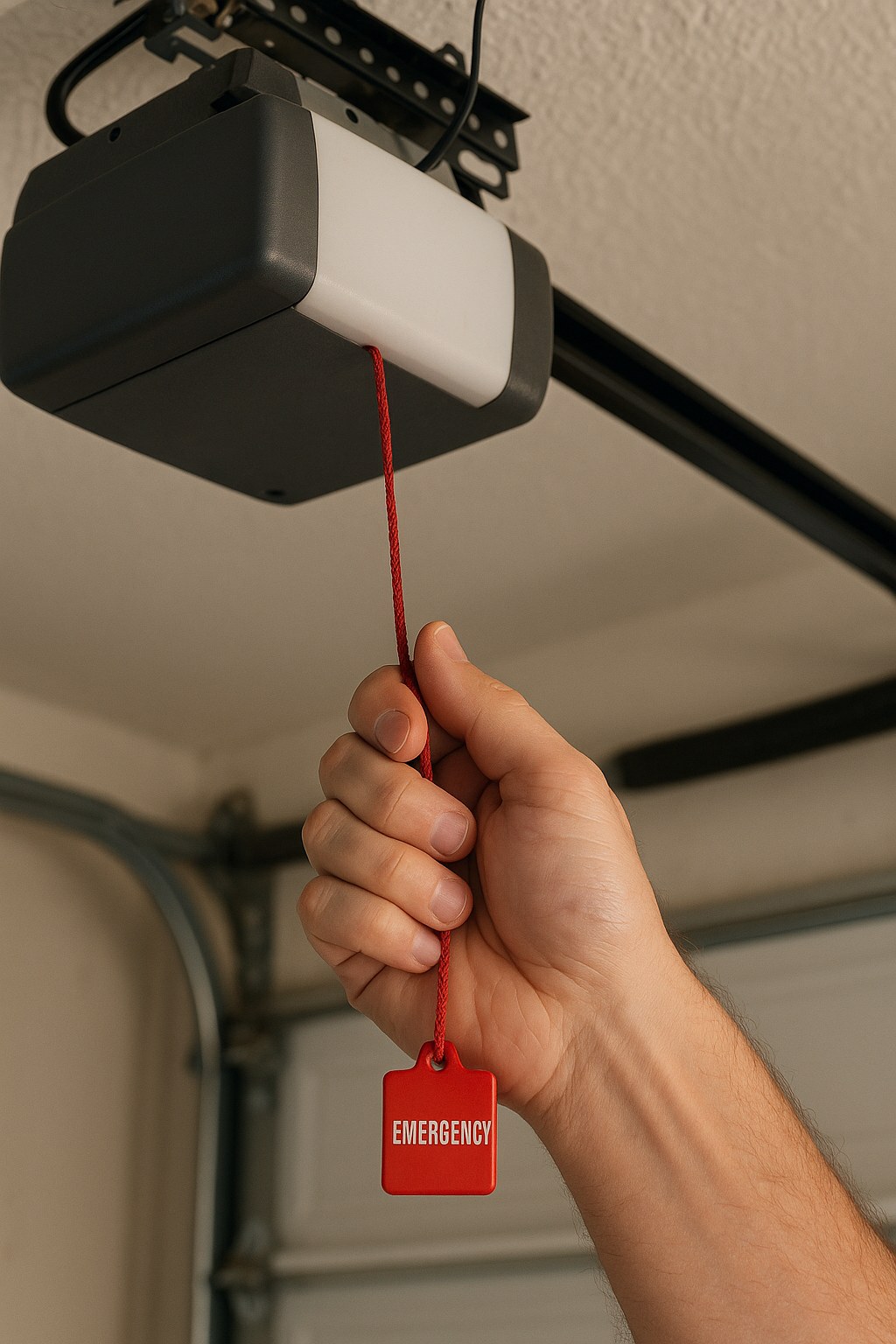
Before we can fix the problem, we need to figure out exactly where the noise is coming from. Is it the door itself, with its many moving parts, or is the opener the main culprit? This simple diagnostic test will tell you everything you need to know.
By now, you should have a clear idea of whether the problem lies with the door's hardware or the opener mechanism. Let's tackle the fix based on what you found.
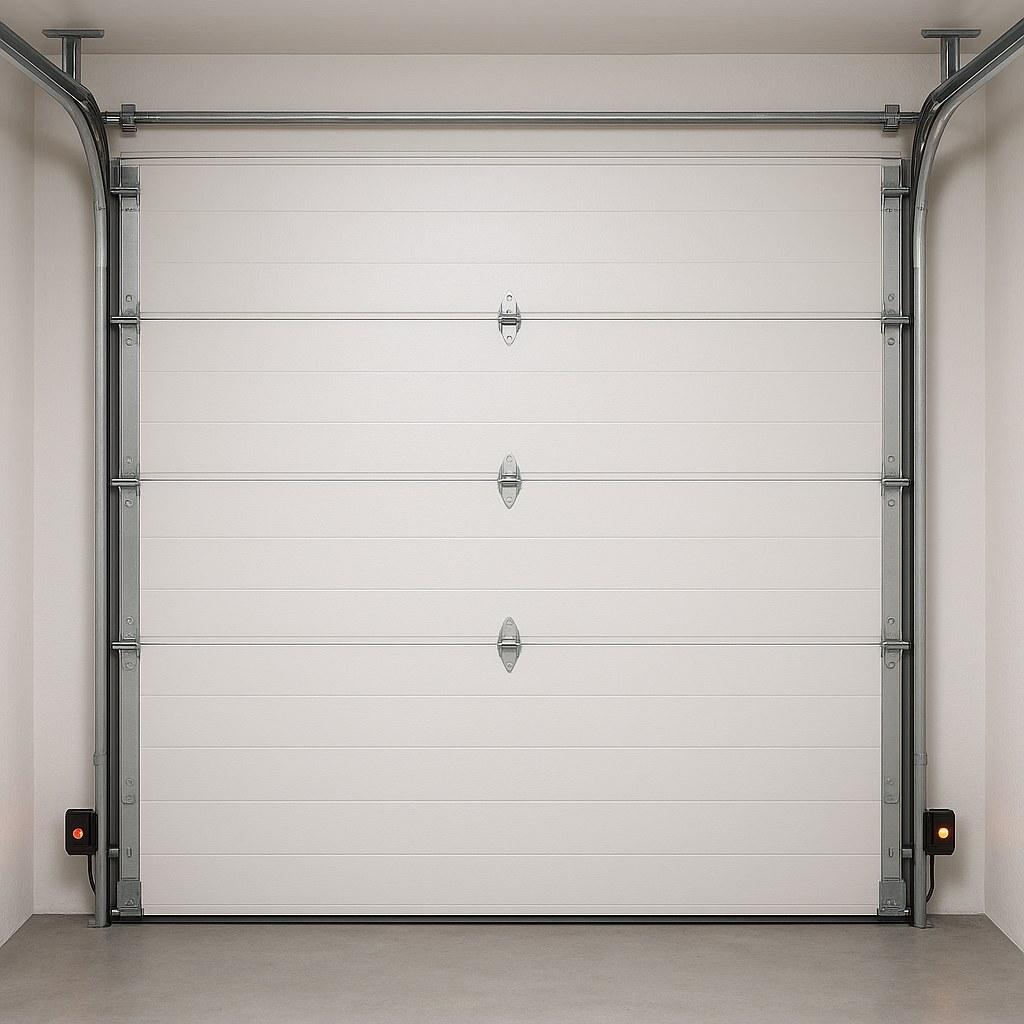
If you discovered that the opener is the loud one in the relationship, the fix depends on what type of drive system you have. Stand on a sturdy ladder and take a look at the rail running from the motor to the door. You’ll see either a bicycle-style chain, a rubbery belt, or a long threaded rod.
Chain-drive openers are the workhorses of the garage door world—they're durable and affordable, but they are also known for being noisy. A clanking, grinding chain often just needs a little tension adjustment and lubrication.
Belt drives are prized for their whisper-quiet operation. If yours is making noise, it’s usually a sign of a tension issue or vibration.
These types are less common but easy to maintain.
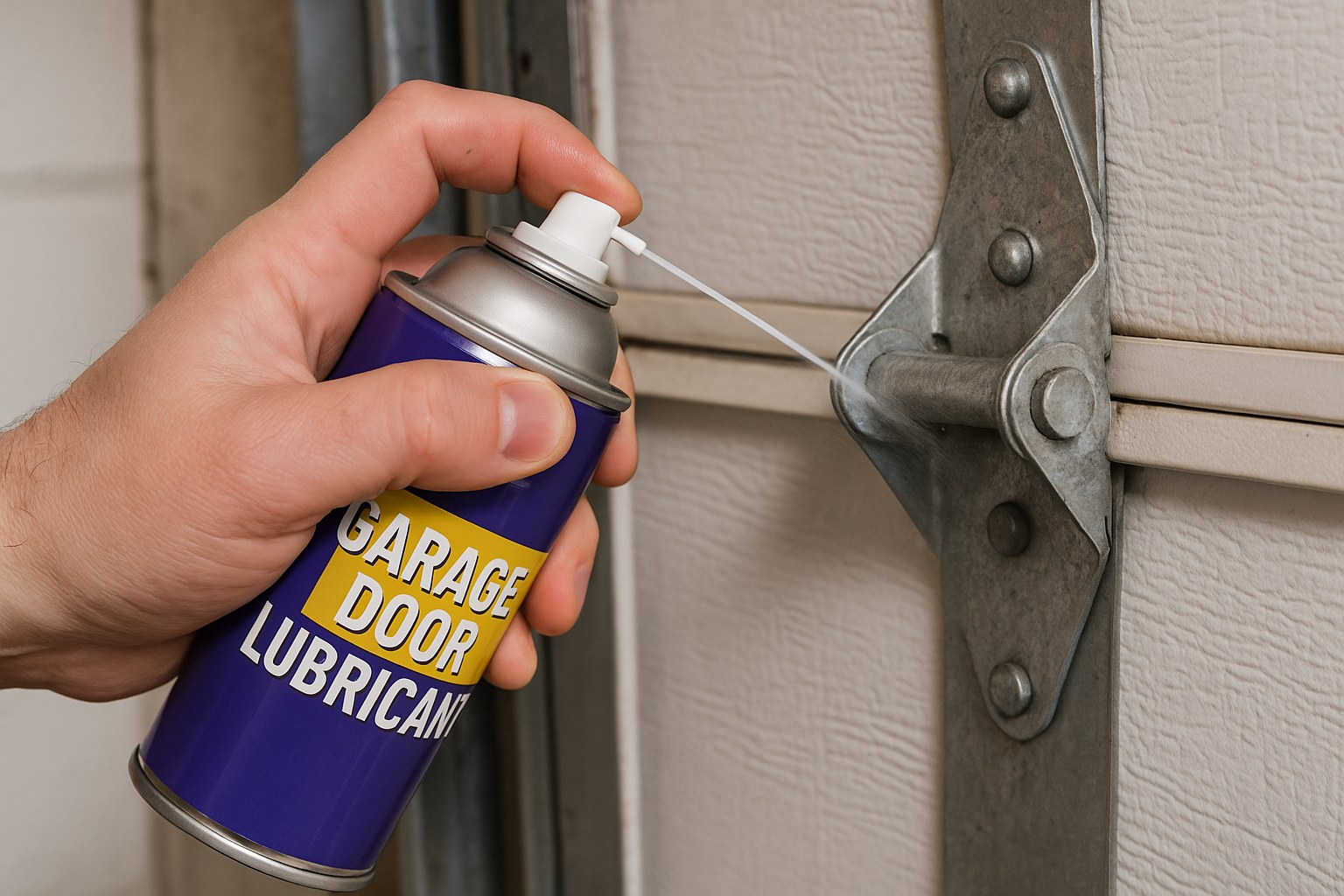
If your manual test revealed that the door itself is the source of the symphony, it’s time for a comprehensive hardware tune-up. This is where you’ll see the most dramatic improvement in noise reduction.
Your garage door system includes high-tension springs (either torsion springs above the door or extension springs along the sides). These springs are under immense pressure and can cause severe injury or death if handled improperly. Do not attempt to adjust, repair, or remove the springs yourself. If you notice a broken spring or a gap in the coils, stop immediately and call a professional garage door technician.
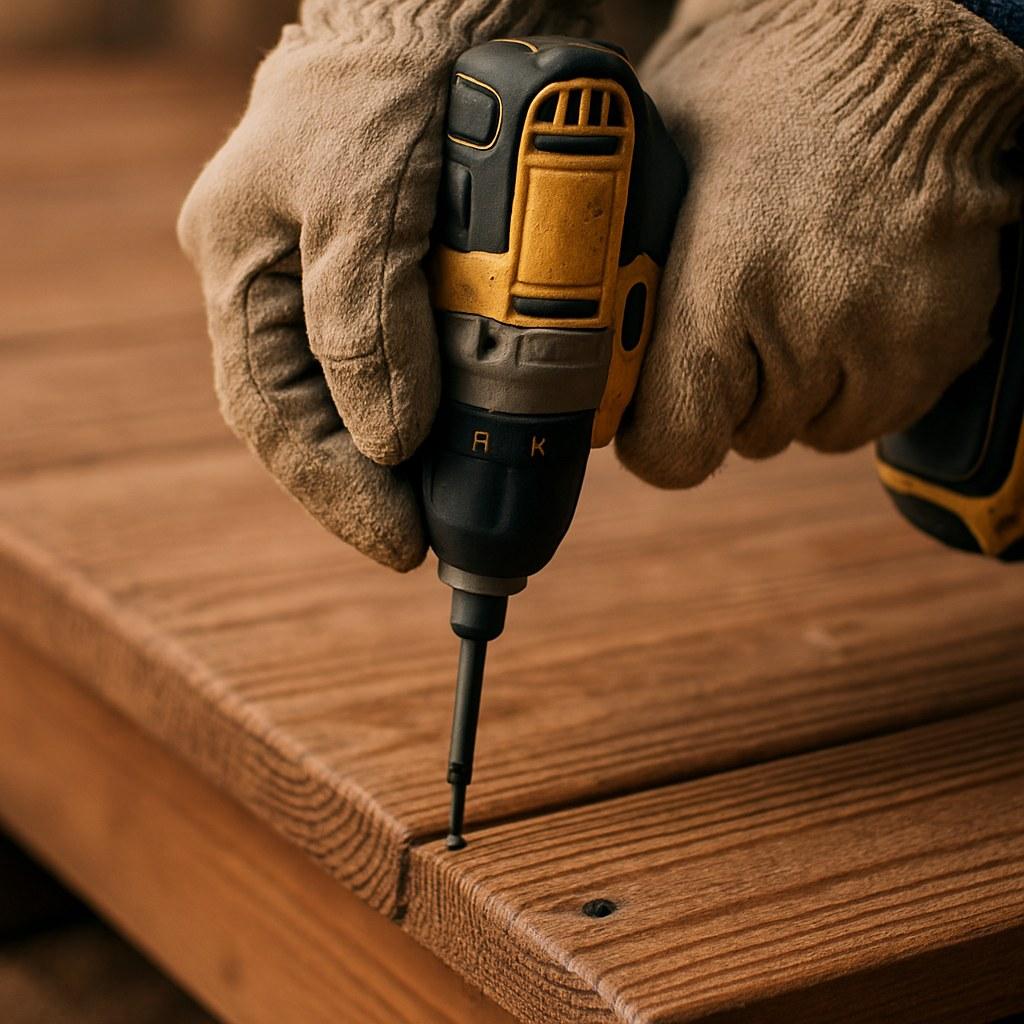
Years of vibration can cause the hardware on your garage door to loosen, leading to rattling and shaking. With the door closed and disconnected from the opener, use a socket wrench to go over every single nut and bolt you can see. Tighten the ones on the hinges between the door panels and the bolts holding the roller brackets in place. Also, check the brackets that secure the tracks to the wall and ceiling. Get them all snug, but be careful not to overtighten.
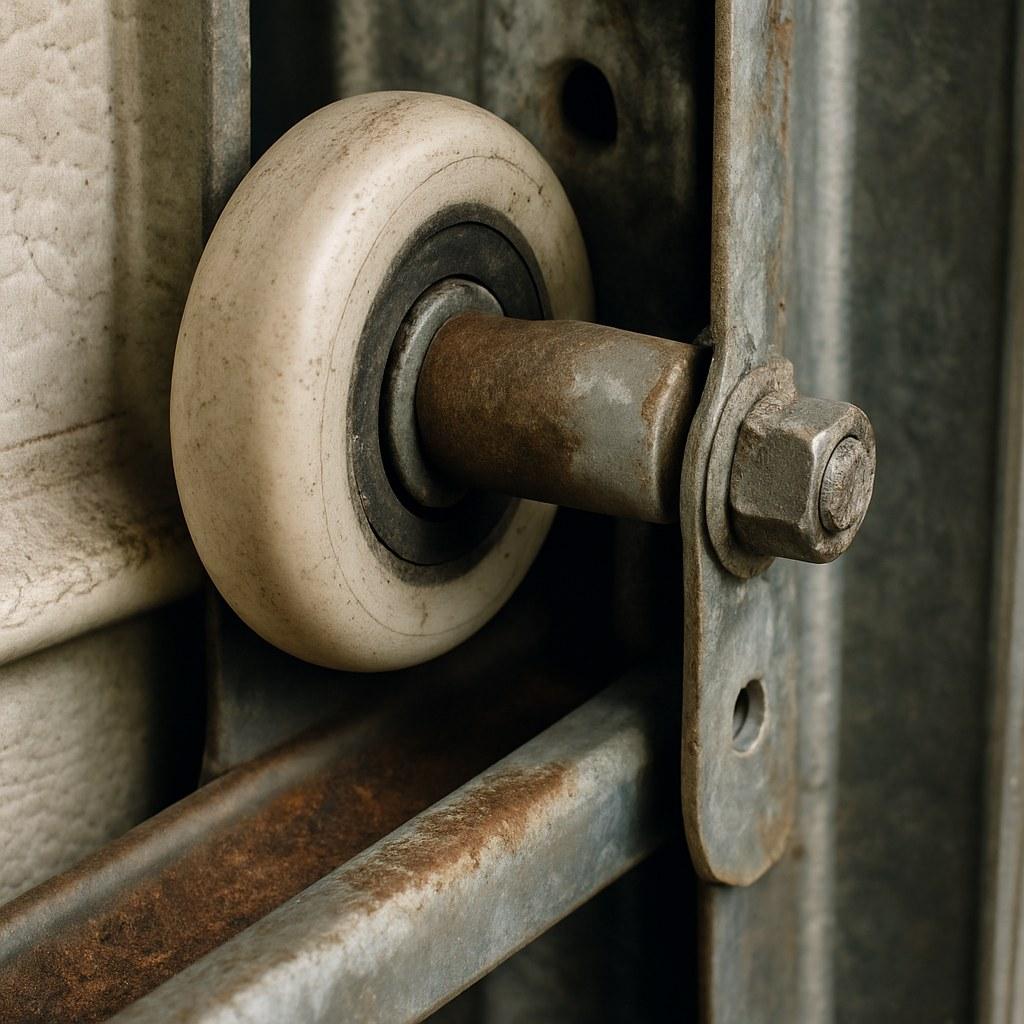
Proper lubrication is the single most effective way to quiet a noisy garage door. Be sure to use a lubricant specifically designed for garage doors. Avoid using WD-40, as it can attract dust and grime and may even strip away existing grease.
Once everything is tightened and lubricated, re-engage the opener and run the door a few times. You should be greeted with the sweet sound of (near) silence.
While the DIY tune-up described above solves most noise issues, some problems require an expert. You should call a garage door technician if:
According to HomeAdvisor, the average cost to hire a professional for a garage door repair is typically between $150 and $350. A basic tune-up and lubrication service might be on the lower end of that spectrum, while replacing parts like rollers or springs will cost more. Considering the safety risks involved with springs, it's money well spent.
Fixing a noisy garage door is a satisfying project that not only improves your daily life but also protects your investment. By following these steps, you’ve not only solved a problem but also learned a valuable home maintenance skill.
Want to stay on top of all your home's needs? Download the Casa app today! Casa is your personal home management assistant, providing you with simple, step-by-step guides for hundreds of DIY repairs, maintenance reminders, and a direct line to vetted, trusted professionals for the jobs you can't handle yourself. Take the guesswork out of homeownership and keep your home running smoothly with Casa.