Looking for more guidance? Take a look at our Improvements overview.
 BACK
BACKMAY 6, 2026
Planning an Insulation and Air Sealing Project
 BACK
BACKMAY 6, 2026
Looking for more guidance? Take a look at our Improvements overview.
If you have spent your first few winters in a new home feeling cold drafts, or if your summer energy bills are uncomfortably high, you are likely looking into energy upgrades. Often, the advice you hear is to replace your windows or upgrade your heating system. While those are valid projects, they are expensive and often skip the most fundamental step: keeping outside air out, and inside air in.
It is completely normal to feel overwhelmed by the invisible mechanics of your home. However, upgrading your insulation and air sealing is one of the most practical, reliable ways to make your house comfortable.
Here is what you need to know to plan this project calmly, understand the costs, and hire the right professionals.
When we talk about insulation and air sealing, we are referring to two separate but deeply connected tasks.
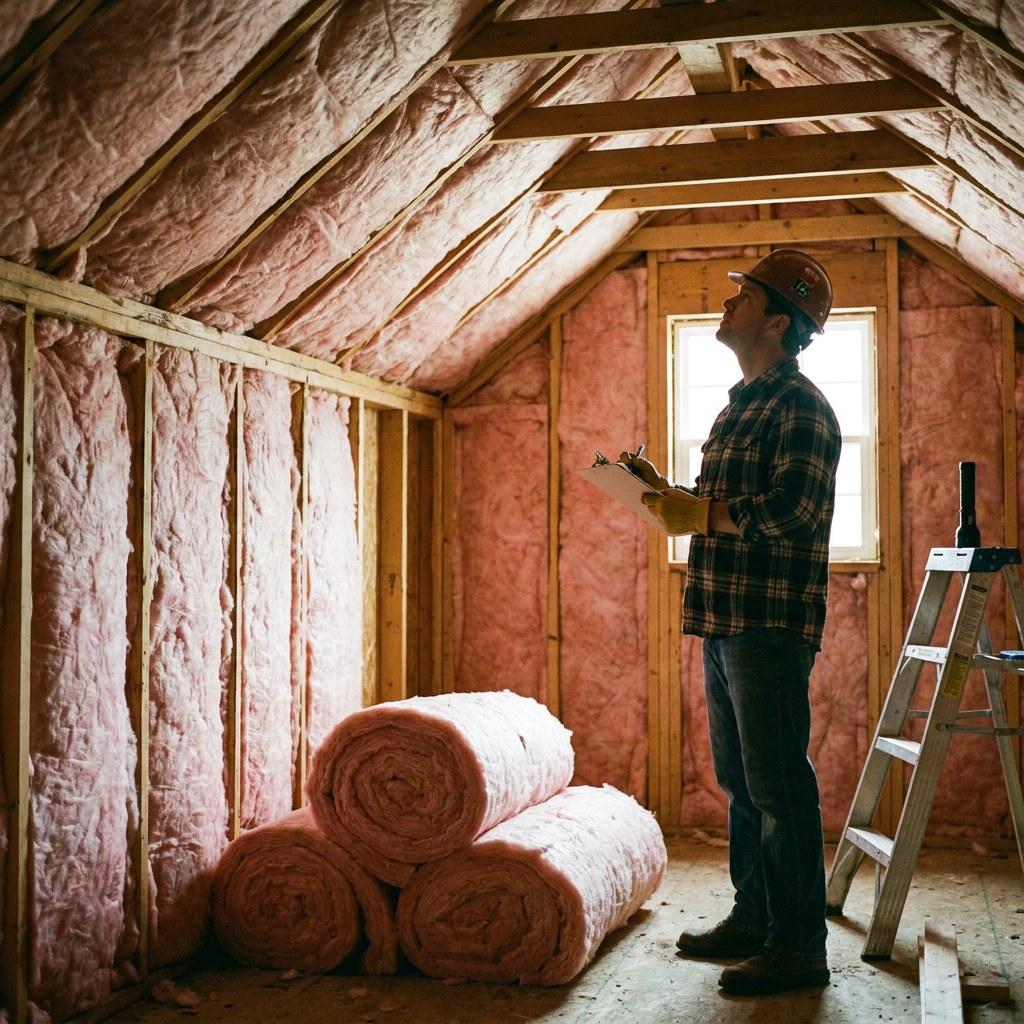
Air sealing is the process of finding and plugging the physical gaps, cracks, and holes where air escapes your home. Think of the gaps around plumbing pipes, recessed lighting fixtures, and the perimeter of your foundation. Insulation is the material (like fiberglass, cellulose, or foam) that slows down the transfer of heat through your walls and roof.
If you insulate without air sealing, cold air will simply blow right through the new material. To get the results you want, they must be done together.
For most homeowners, a realistic scope includes:
Where scope expands quickly: Trying to add insulation to existing, finished exterior walls. This often requires drilling holes in drywall or removing exterior siding, which triggers a cascade of patching, painting, and carpentry work. Focus on your attic and basement first—they offer the most significant return for the least disruption.
For a standard attic and basement rim joist project in an average-sized home, expect to pay between $1,500 and $4,500.
Why is there such a wide range?
The physical work of insulating an attic and basement is remarkably fast. The planning phase is what takes time.
When you start digging into the hidden cavities of a home, you occasionally find issues that need to be addressed before insulation can be added.
Basic weatherstripping and caulking do not require permits. However, significant insulation work, especially involving spray foam or altering attic ventilation, often does.
Your local building code will dictate a minimum R-value for your region. R-value is simply a measurement of how well the material resists heat flow. The colder your climate, the higher the required R-value. A reputable contractor will pull any necessary permits and ensure the materials meet local energy codes.
Insulation is an unregulated industry in many areas, meaning almost anyone can rent a machine and call themselves an insulation contractor.
To protect your home, look for professionals certified by the Building Performance Institute (BPI). BPI-certified contractors are trained in "building science." They understand that a house operates as a system, and they will ensure that sealing your home tightly will not trap indoor air pollutants or cause carbon monoxide back-drafts from your furnace.
Be wary of any contractor who offers to blow in insulation without mentioning air sealing or checking your attic ventilation.
Upgrading insulation is rarely a visible change, which makes it hard to spend money on. To decide if it makes sense for you right now, look at your daily life in the house.
Are certain rooms unusable in the peak of winter or summer? Is your heating or cooling system running constantly, straining its lifespan? If you use the Casa app to track your monthly utility bills, take a look at your energy spikes during extreme weather.
If your home is deeply uncomfortable and your HVAC system is struggling to keep up, insulation and air sealing provide the most reliable path to stabilizing your home’s temperature and lowering your utility costs.
Knowing what you can safely handle and when to step back is key to a low-stress project.
Safe to try yourself:
Worth waiting or monitoring:
Time to stop and call a professional:
Upgrading your home’s insulation and air sealing is a practical, high-value project that directly improves your daily comfort. Start with a professional energy audit to understand exactly where your home is losing air. Focus your scope on the attic and basement, set aside a budget of a few thousand dollars, and hire a building-science-certified contractor. Keep your energy audit reports and contractor estimates organized in your Casa app so you can reference them easily.
When you are ready to start planning your next home maintenance or improvement project, download the Casa app to stay organized, track your home’s history, and keep your homeownership journey stress-free.