

Sep 24, 2026
Home Renovation ROI What Actually Adds Value to Your House
Learn how home renovation ROI works before spending thousands. Discover which projects protect your equity and which upgrades rarely pay for themselves.
It is easy to watch home improvement television and assume that every dollar poured into a renovation will hand you back two dollars on sale day. Many new homeowners believe that high-end finishes, open-concept floor plans, or custom additions are guaranteed tickets to instant home equity.
Looking for more guidance? Take a look at our Finances overview.
In reality, most major renovations do not return 100 percent of their cost at resale.
According to annual data from the National Association of Realtors (NAR) and Remodeling magazine’s Cost vs. Value report, typical home renovation projects recoup between 50% and 85% of their construction costs. Some recover far less.
When you purchase a home, your goal with improvements should not simply be chasing an imaginary windfall. Instead, the focus belongs on making your home comfortable to live in while safeguarding your hard-earned equity. Understanding how return on investment (ROI) really works prevents you from sinking tens of thousands of dollars into upgrades that a future buyer will not pay for.
The Fundamentals of Home Renovation ROI
Return on investment (ROI) in real estate measures how much market value a project adds compared to what you spent to complete it.
If you spend $20,000 on a minor kitchen refresh and that update increases your home’s market value by $16,000, your return is 80 percent. The remaining $4,000 is what you paid for your own enjoyment and use of the space while living there.
Appraisers and buyers determine the value of a project based on three main factors:
- Neighborhood standards: A home cannot easily exceed the price ceiling of its immediate neighborhood, regardless of how luxurious its finishes are.
- Functional utility: Improvements that make a home more durable, energy-efficient, or practical tend to hold value better than niche aesthetic choices.
- Deferred maintenance status: High-end finishes will not rescue a home appraisal if the roof is leaking or the furnace is twenty years old.
High ROI vs Low ROI Projects: Weighing the Tradeoffs
Not all projects are created equal. In general, exterior maintenance and modest, functional updates consistently yield higher returns than large-scale, luxury overhauls.
Projects That Tend to Hold High Resale Value
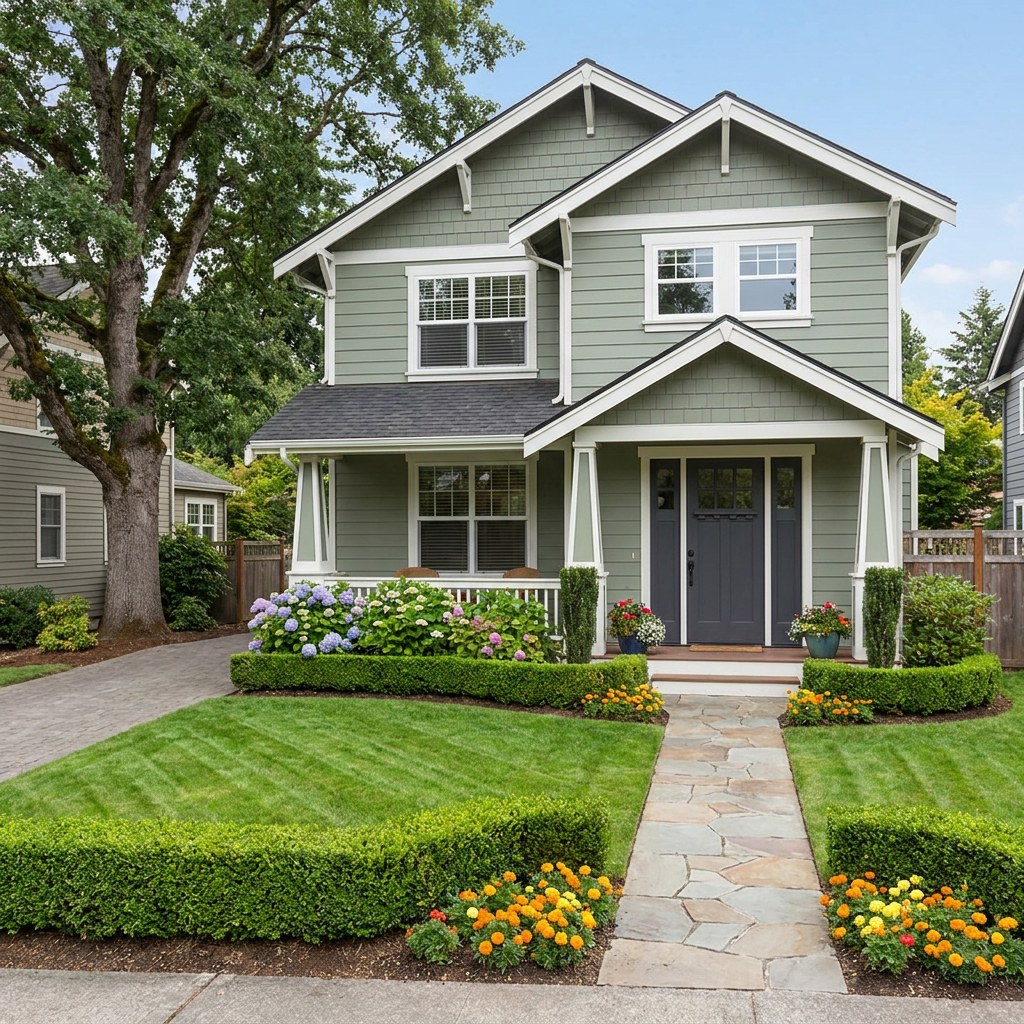
- Curb appeal and exterior maintenance: Replacing an aged garage door, refreshing worn entry doors, or updating siding often recoups 80% to 100% or more of project costs. These items signal to prospective buyers that the home has been well protected from weather and wear.
- Minor kitchen updates: Painting cabinets, swapping outdated hardware, replacing worn laminate with mid-tier quartz, and updating older appliances generally return 70% to 85%. You get modern appeal without the five-figure expense of moving plumbing and gas lines.
- Basic bathroom refreshes: Regrouting tile, modernizing the vanity and mirror, and installing modern fixtures tend to yield 60% to 75% return without the risk of major construction surprises.
Projects That Often Show Lower ROI
- Upscale primary suite additions: Adding a sprawling primary bedroom and luxury bathroom suite can easily top $100,000. Data historically shows these projects recoup closer to 40% to 55% because they push the home beyond typical neighborhood price bands.
- In-ground swimming pools: Installing a pool can cost $50,000 to $100,000 or more, yet rarely adds more than a fraction of that in value. In some climates, a pool can even shrink your pool of buyers due to ongoing insurance and maintenance requirements.
- Highly customized hobby spaces: Converting a garage into a home theater, recording studio, or dedicated craft room often subtracts value because future buyers see the cost of converting the space back to functional parking.
| Project Type | Typical Cost Range | Typical ROI Range | Best For | | :--- | :--- | :--- | :--- | | Garage Door Replacement | $2,000 – $4,500 | 85% – 100%+ | Immediate curb appeal and security | | Minor Kitchen Remodel | $15,000 – $30,000 | 70% – 85% | Better daily functionality and modern aesthetic | | Midrange Bathroom Refresh | $8,000 – $15,000 | 60% – 75% | Updating dated surfaces and plumbing fixtures | | Major Luxury Kitchen Remodel | $70,000 – $130,000+ | 40% – 55% | Long-term personal enjoyment (10+ year horizon) | | In-Ground Pool Installation | $50,000 – $100,000+ | 30% – 50% | Specific lifestyle priority in warm regions |
Cost Implications and Your Time Horizon
The financial wisdom of a renovation depends heavily on how long you intend to stay in the home.
If you plan to sell within two to three years, spending heavily on personal tastes or custom layouts is risky. Market preferences change, and short timelines do not give home values enough time to appreciate and offset labor costs. In a short window, focus on deferred maintenance, basic neutral paint, and mechanical reliability.
If you plan to live in your home for ten years or more, pure financial ROI matters much less. You are paying for the quality of your family's daily life. Over a decade, inflation and general market growth tend to soften the blow of a renovation that recouped only 50 percent on paper today.
Tools like Casa can help you record your home’s baseline condition and track home expenses, so you can see your true cost basis over time and make measured renovation decisions.
Common Risks and Pitfalls to Avoid
Renovating with an eye on equity requires caution. Watch out for these three mistakes:
- Over-improving for the block: Installing commercial-grade ranges and marble waterfall islands in an area composed of starter ranches creates a home that will struggle to appraise. Appraisers must rely on comparable nearby sales (known as "comps"), which will drag down your valuation.
- Prioritizing cosmetics over mechanicals: Spending $10,000 on decorative tile while your water heater is rusting or your electrical panel is ungrounded is a financial hazard. Buyers will demand credits or lower their offers when the home inspection inevitably flags critical systems.
- Underestimating soft costs: Permitting fees, design work, dumpster rentals, and contractor contingencies routinely add 15% to 20% to any initial quote. Failing to budget for these can force you to cut corners midway through the job.
How This Affects Your Long Term Home Costs
Every renovation has an echo effect on your ongoing monthly expenses. It is not just about what you pay the general contractor.
First, square footage additions or high-end improvements can trigger a property tax reassessment. If your municipality inspects permits and notes a major increase in living area or finished value, your annual property tax bill may increase permanently.
Second, substantial interior upgrades increase your home’s replacement cost—the amount it would cost to rebuild your structure from scratch. You will need to alert your homeowners insurance carrier, which may raise your annual premium to ensure full coverage.
Finally, complex materials require more upkeep. Natural stone countertops require routine sealing, extensive tile installations need regular caulking and grout care, and custom appliances often come with expensive repair parts and specialized technician fees.
3 Smart Money Moves
Follow these three practical steps before committing your budget to any home project:
- Protect your core systems first. Before spending money on backsplashes or light fixtures, ensure your roof, foundation, plumbing, and HVAC are stable. Keeping a dedicated maintenance fund of 1% to 2% of your home's value protects your equity far more reliably than aesthetic upgrades.
- Pull recent local comps. Look at recently sold homes within a half-mile of yours with similar square footage. Take note of the finishes they feature. Match those finishes without exceeding them by more than one grade.
- Use the 5-Year Rule for major spending. If you do not expect to live in the home for at least five full years, avoid any non-essential project that requires taking out a home equity line of credit (HELOC) or personal loan. Stick to cash-funded cosmetic repairs that you can manage comfortably.
Making Grounded Choices for Your Home
Home improvements should make your living environment more functional and pleasant without creating financial strain. By understanding that most renovations only return a portion of their upfront cost, you can make clear-headed choices. Prioritize durable structural health, keep updates aligned with your neighborhood, and view interior changes as investments in your daily comfort rather than speculative profit plays.
Whenever you need help weighing home projects, tracking maintenance schedules, or organizing estimates, Casa serves as your always-on home advisor.
Download the Casa app today to start organizing your home's upkeep, managing repairs, and protecting your equity with confidence.