

Oct 8, 2026
Understanding Escrow Shortages and Mortgage Payment Increases
Learn why your fixed mortgage payment changed due to an escrow shortage, how to handle the balance, and practical steps to avoid surprise housing costs.
Opening your monthly mortgage statement to discover your payment has climbed by $150 or $300 is unsettling, especially when you hold a fixed-rate loan.
Looking for more guidance? Take a look at our Finances overview.
It is easy to assume your lender made an error or that your interest rate somehow shifted. In reality, this is one of the most common surprises newer homeowners encounter during their first two to three years of ownership.
Your loan terms did not change. Instead, your escrow account experienced a shortage. Understanding how escrow works, why shortages happen, and how to resolve them helps you regain control of your household budget without unnecessary stress.
Escrow Fundamentals Explained Simply
When you purchase a home with less than a 20 percent down payment—and often even with more—lenders typically require an escrow account. Think of escrow as a dedicated holding account managed by your mortgage servicer.
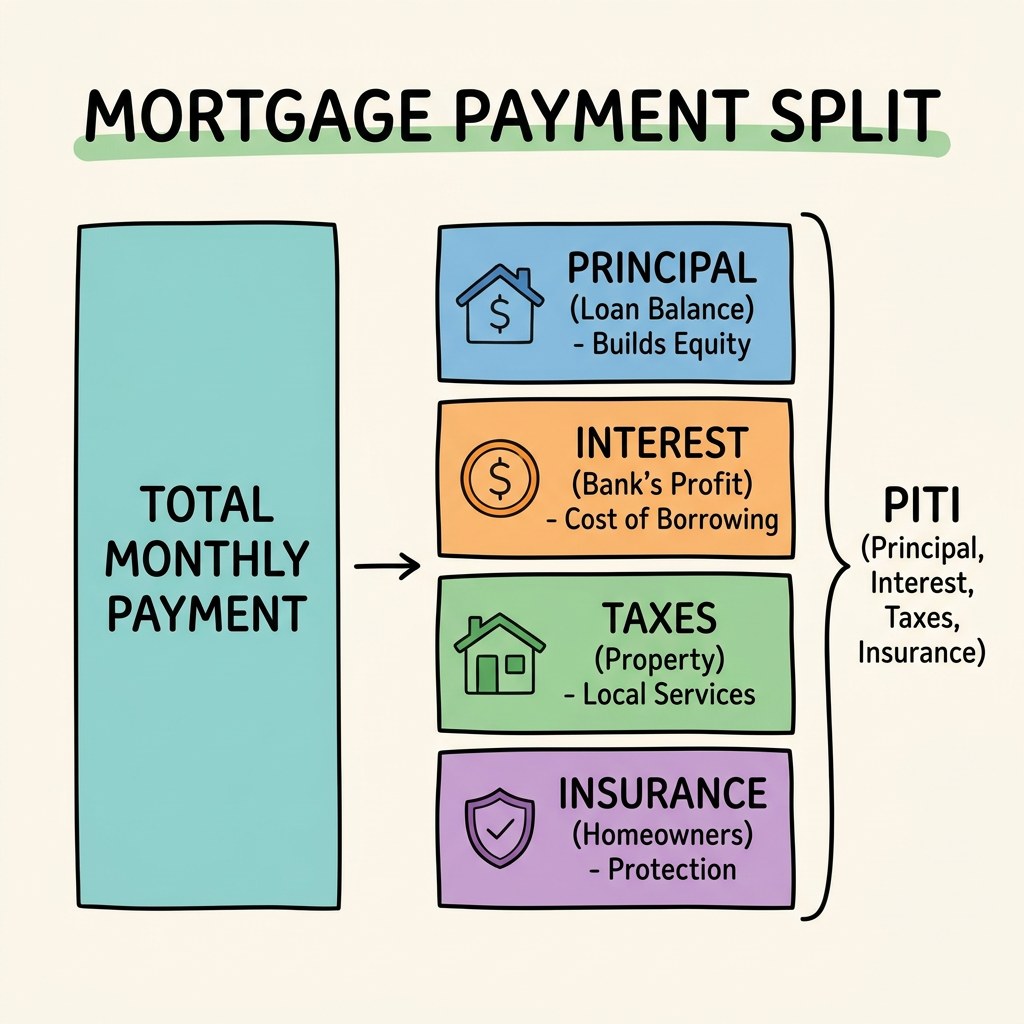
Each month, a portion of your payment goes toward principal and interest (the loan itself). The remaining portion goes directly into escrow. When your county property taxes and annual homeowners insurance premiums come due, your servicer pays those bills on your behalf using the funds accumulated in that account.
Federal guidelines under the Real Estate Settlement Procedures Act (RESPA), administered by the Consumer Financial Protection Bureau (CFPB), allow servicers to maintain a small reserve cushion in your escrow account. Typically, this cushion cannot exceed two months worth of escrow payments. This buffer ensures bills are paid promptly even if tax rates or insurance costs shift slightly.
An escrow shortage occurs when the funds collected over the previous year were lower than the actual bills paid, or when projected costs for the coming year show that the account balance will fall below the required minimum reserve.
Why Your Escrow Came Up Short
Escrow shortages rarely happen because of lender miscalculations. Instead, they are usually driven by two third-party factors:
- Property Tax Reassessments: In many jurisdictions, homes are reassessed for property taxes shortly after a transfer of ownership. If the previous owner lived in the home for a decade, their tax bill may have been capped or based on an older valuation. Your recent purchase price often resets that baseline, causing local property taxes to rise significantly in year one or two.
- Insurance Premium Increases: Homeowners insurance rates frequently adjust annually due to local weather risks, building material inflation, or statewide rate revisions. If your annual premium jumped by $400, your servicer paid the difference and must now recover it.
Handling an Escrow Shortage: Options and Tradeoffs
Once a year, your servicer conducts an escrow analysis and sends you an annual escrow disclosure statement. If an escrow shortage is identified, the statement will typically give you two repayment paths.
Option 1: Pay the Shortage as a Lump Sum
You pay the entire shortage amount in a single payment before the specified deadline.
- The Tradeoff: This requires immediate liquidity. However, it keeps your monthly mortgage payment from jumping drastically.
- Important Note: Even if you pay the past shortage in full, your monthly payment will still rise slightly. Your servicer must collect higher monthly amounts moving forward to meet the new, higher baseline for next year's taxes and insurance.
Option 2: Spread the Shortage Across 12 Months
Your servicer divides the shortage amount across the next 12 monthly statements.
- The Tradeoff: You preserve your cash reserves today, but your monthly housing cost takes a larger temporary jump. Your new payment will include both the ongoing adjustment for higher bills and one-twelfth of last year's deficit. After 12 months, assuming costs stabilize, the temporary deficit portion drops off.
| Approach | Immediate Cash Impact | Monthly Payment Impact | Best Suited For | | :--- | :--- | :--- | :--- | | Lump Sum | High (one-time payment) | Moderate increase (baseline adjustment only) | Homeowners with healthy, separate emergency funds | | Spread Over 12 Months | None today | Larger increase for the next 12 months | Homeowners protecting cash reserves for near-term needs |
Choosing between these options depends largely on your liquidity. If paying the lump sum drains your dedicated emergency or home maintenance reserve, it is usually safer to spread the payments out. Cash in the bank provides protection against unexpected home repairs, whereas an escrow balance simply covers predictable recurring bills.
Risks and Common Pitfalls to Avoid
Navigating escrow changes is straightforward once you know what to watch for. Keep these common traps in mind:
- Assuming Fixed Means Unchanging: A fixed-rate mortgage guarantees your principal and interest rate remain steady for the life of the loan. Taxes and insurance, however, are variable operating costs. Anticipating small shifts each year keeps you from feeling blindsided.
- Overlooking Homestead Exemptions: Many states and counties offer homestead exemptions that reduce the taxable value of an owner-occupied primary residence. Failing to file this paperwork with your local tax assessor leaves money on the table and increases your escrow burden.
- Ignoring the Annual Escrow Statement: When your servicer sends your annual disclosure, review it against your county tax assessment and insurance policy. Billing discrepancies happen occasionally, and catching an overpayment early is easier than correcting it months down the road.
- Depleting Maintenance Reserves: Never empty your maintenance fund to pay an escrow deficit. A leaking roof or failing water heater will not wait for your savings to rebuild, whereas mortgage servicers routinely accommodate 12-month payment spreads at zero percent interest.
How This Affects Your Long Term Home Costs
Your escrow account is an accurate mirror of your home's basic holding costs. When property taxes and insurance rise, the baseline cost of maintaining your home increases, regardless of your mortgage terms.
Over a 5-to-10-year horizon, property values and building replacement costs tend to climb, meaning taxes and insurance usually trend upward over time. Planning for a 3 to 5 percent annual increase in property taxes and insurance allows you to budget realistically rather than treating adjustments as emergencies.
Using an advisor like Casa to organize home documents, monitor policy renewals, and keep track of your core property data helps make these annual holding costs clear and predictable. Protecting your home equity involves more than paying down loan principal; it means managing the ongoing expenses that keep your property secure and properly insured.
3 Smart Money Moves
When your annual escrow analysis arrives, take these three disciplined steps:
-
Verify Your Property Exemptions
Check your local county appraisal district website to confirm that any eligible exemptions (such as primary residence, homestead, or veteran status) are active on your account. If missing, apply immediately before the local deadline. -
Shop Your Homeowners Insurance Policy
If an insurance rate hike caused your escrow shortage, request quotes from two or three reputable carriers for equivalent coverage. Replacing an overpriced policy with a competitive one can reduce next year's escrow requirement and lower your monthly bill. -
Establish a Dedicated Operating Reserve
Set aside a small monthly buffer in a dedicated savings account to absorb municipal tax increases and standard home maintenance. Keeping this separate from your everyday checking account prevents sudden housing expenses from disrupting your lifestyle.
Moving Forward With Confidence
An escrow shortage can feel like an unwelcome surprise, but it is a normal part of homeownership. It simply reflects changes in local taxes and property insurance, not a flaw in your mortgage.
By reviewing your annual statement carefully, confirming your property tax exemptions, and choosing the repayment option that protects your emergency cash, you can resolve the shortage smoothly. With a proactive plan and organized records, you can keep your housing budget stable for years to come.
Stay ahead of annual property costs, seasonal maintenance, and home projects with calm, practical guidance. Download the Casa app to track your home's needs with confidence.