

Jun 11, 2026
Which Home Renovations Actually Add Value
Wondering which home improvements offer the best return on investment. Learn how to balance personal enjoyment with long term resale value for your home.
When you move into a new home, it is natural to start making a list of projects. Maybe the kitchen feels dated, the bathroom needs modernizing, or you are dreaming of adding a deck to the backyard. Eventually, you will likely ask yourself a common question: Which of these projects will actually add value to my home?
Looking for more guidance? Take a look at our Finances overview.
Before you start tearing out cabinets or applying for a loan, it is helpful to reframe how we think about home improvements. Home design television shows often create the impression that every dollar you spend on a house translates directly into a dollar (or more) of added value. In reality, very few renovations pay for themselves entirely.
Understanding the financial fundamentals of home improvements will help you make clear, stress-free decisions about where to spend your money.
Understanding Return on Investment (ROI)
In real estate, Return on Investment (ROI) is the percentage of your project cost that you can expect to recoup when you sell the home. For example, if a minor bathroom update costs $10,000 and increases your home’s sale price by $6,500, your ROI is 65%.
According to decades of data from the National Association of Realtors and Remodeling magazine’s annual Cost vs. Value report, almost no major interior renovation offers a 100% ROI. Most hover between 50% and 75%.
This means a renovation should primarily be viewed as an expense for your own personal enjoyment and comfort, rather than a strategy to make money. Once you accept that you are buying a better living experience rather than making a strict financial investment, the pressure to choose the "perfect" project drops significantly.
Comparing Options: What Pays Off and What Does Not
While few projects return every dollar you spend, some hold their value much better than others.
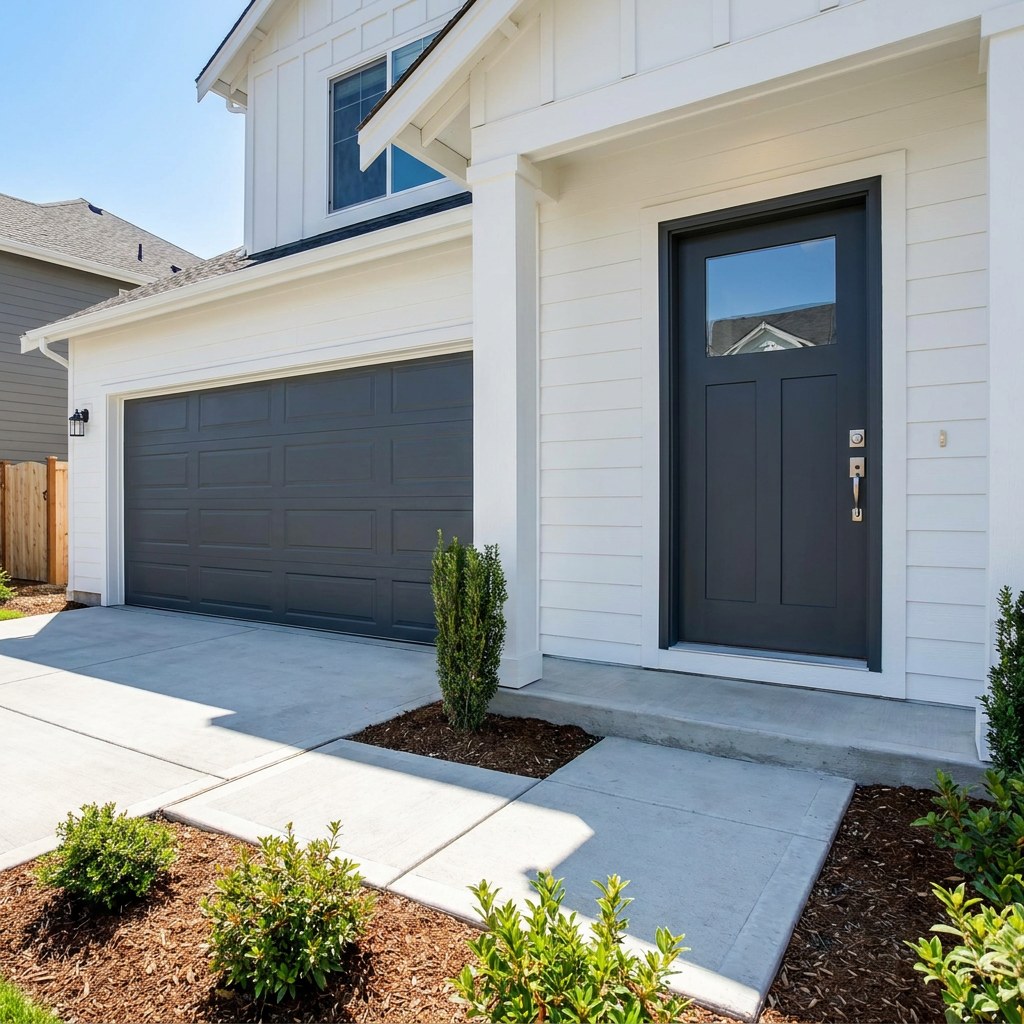
Higher ROI projects (Typically 70% to 90% or more):
- Curb appeal and exterior updates: Replacing a garage door, installing a new front door, or updating exterior siding consistently rank among the highest ROI projects. They are relatively inexpensive and set the immediate tone for buyers.
- Minor kitchen and bathroom updates: Refacing cabinets, updating hardware, and applying fresh, neutral paint usually yield a better return than completely gutting a room and moving plumbing.
- Energy efficiency: Upgrading attic insulation or installing energy-efficient windows can appeal to budget-conscious buyers looking to lower their utility bills.
Lower ROI projects (Typically 50% or less):
- Major luxury overhauls: Expanding a kitchen footprint or installing high-end, professional-grade appliances rarely pays off unless you are in a highly affluent neighborhood where buyers expect those features.
- Swimming pools: Pools are expensive to install and maintain. Many buyers view them as a liability or a chore, making them a poor choice if your only goal is resale value.
- Highly personalized spaces: Converting a bedroom into a specialized wine cellar or a built-in home theater reduces the broad appeal of your home.
Cost Implications and Time Horizons
Your renovation timeline is one of the most important factors in deciding what to do.
If you plan to sell your home within the next one to three years, your best financial move is usually to focus on cosmetic updates. Fresh paint, minor landscaping, and deep cleaning require very little cash but make a strong impression on buyers. Major renovations are disruptive, expensive, and you will not be living there long enough to enjoy them.
If you plan to stay in your home for ten or more years, the math changes. Over a decade, styles will shift, and today’s brand-new kitchen will eventually show wear and tear. In this scenario, you should renovate based on what makes you and your household happy. You have plenty of time to spread the cost over years of personal enjoyment.
Risks and Common Pitfalls
One of the most common financial mistakes homeowners make is "over-improving" for their neighborhood. Every local real estate market has a ceiling—a maximum price buyers are willing to pay to live on a specific street, regardless of how nice the house is. If you put a $75,000 kitchen into a home surrounded by houses valued at $300,000, you will likely lose a large portion of that money when you sell.
Another major pitfall is prioritizing cosmetic upgrades over essential maintenance. Buyers expect the fundamental systems of a house to work. A beautifully renovated bathroom will not sell a house if the roof is leaking or the HVAC system is failing. Casa can help you track the age and condition of these invisible but critical systems, ensuring you prioritize the repairs that keep your home safe and structurally sound.
How This Affects Your Long Term Home Costs
How you pay for a renovation directly impacts your long-term financial health. Using cash from your savings is generally the safest route, as it keeps your monthly housing costs stable.
If you borrow money—such as through a Home Equity Line of Credit (HELOC) or a home equity loan—you are increasing your monthly financial obligations. This makes it even more important to be mindful of your budget. Furthermore, tying up all your available cash or equity in renovations leaves you vulnerable if a major, unexpected repair pops up.
Maintaining a dedicated emergency fund for home maintenance is crucial. A healthy maintenance reserve protects the equity you have built and ensures that a sudden plumbing issue does not derail your finances.
3 Smart Money Moves
When you are trying to decide if a home improvement project is worth it, run through this simple checklist:
- Fix the boring stuff first. Ensure your roof, foundation, plumbing, and electrical systems are in good working order before you spend money on cosmetic upgrades. A solid, well-maintained home holds its value better than a neglected home with a nice kitchen.
- Check your neighborhood ceiling. Look at recent home sales in your immediate area. What do those homes look like inside? Match the quality of your renovations to the expectations of your local market to avoid over-improving.
- Define your timeline. Be honest about how long you plan to stay in the home. If you are moving soon, keep it simple and cosmetic. If you are staying long-term, focus on the utility and joy the renovation will bring to your daily life.
Keeping Your Home on Track
Renovations should reduce your stress by making your home function better for your life, not add stress by overextending your finances. By focusing on essential maintenance first, understanding your local market, and remembering that home improvements are primarily for your enjoyment, you can confidently make decisions that protect both your peace of mind and your home's equity.
Ready to get a better handle on your home's routine maintenance and upcoming projects? Download the Casa app to easily track your home’s essential systems, plan for future costs, and stay prepared for whatever homeownership brings.