

Jun 24, 2026
Planning a Bathroom Remodel Scope Costs and Timelines
A practical guide to planning a bathroom renovation including realistic budgets timelines hidden costs and how to prepare before hiring a contractor.
Because you use your bathroom every single day, even minor annoyances—like a cramped layout, poor lighting, or a failing shower seal—can become major daily frustrations. When it is time for an update, it is natural to want to dive right in.
Looking for more guidance? Take a look at our Improvements overview.
However, stepping into a bathroom renovation can quickly feel overwhelming. While the footprint of the room is usually small, a bathroom holds nearly every major home system inside its walls: plumbing, electrical, ventilation, and moisture barriers.
Understanding exactly what you are getting into before you start tearing up tile is the best way to keep your stress low and your project on track. Here is how to plan your bathroom renovation with clarity and confidence.
Define Your Scope Clearly
Before you think about paint colors or tile patterns, you need to define the scope of the work. Scope simply refers to the extent of the changes you plan to make. In bathroom renovations, scope generally falls into two categories, and knowing the difference will protect your budget.
The "Pull and Replace" This means you are keeping the room’s layout exactly as it is. You will remove the old vanity, toilet, and tub, and install new ones in the exact same spots. Because you are not moving the underlying plumbing pipes or electrical wiring, this is the most cost-effective way to transform the space.
The Gut Remodel A gut remodel involves stripping the room down to the bare wall studs. You might move the toilet to the opposite wall, convert a tub into a walk-in shower, or knock down a wall to expand the room.
A helpful reframe: The biggest cost driver in a bathroom remodel is rarely the luxury tile you choose. Instead, it is the decision to move the toilet three feet to the left. Moving major plumbing lines requires significant labor and often triggers new building code requirements.
Realistic Budget Ranges
Bathroom renovation costs vary widely depending on where you live, the materials you select, and the complexity of the labor. While material costs fluctuate, labor is usually a fixed, significant portion of the bill.
- Cosmetic Updates ($5,000 – $10,000): This covers painting, upgrading the vanity and sink, swapping out light fixtures, and replacing the toilet, all while leaving the tub or shower area largely untouched.
- Full Replacement ($15,000 – $25,000+): This is a standard "pull and replace." It includes a new tub or shower surround, new floor tile, a new vanity, and updated plumbing fixtures in their original locations.
- Major Expansion or Gut ($30,000 and up): If you are moving walls, relocating plumbing lines, upgrading electrical panels to support heated floors, or choosing high-end custom materials, expect the budget to climb accordingly.
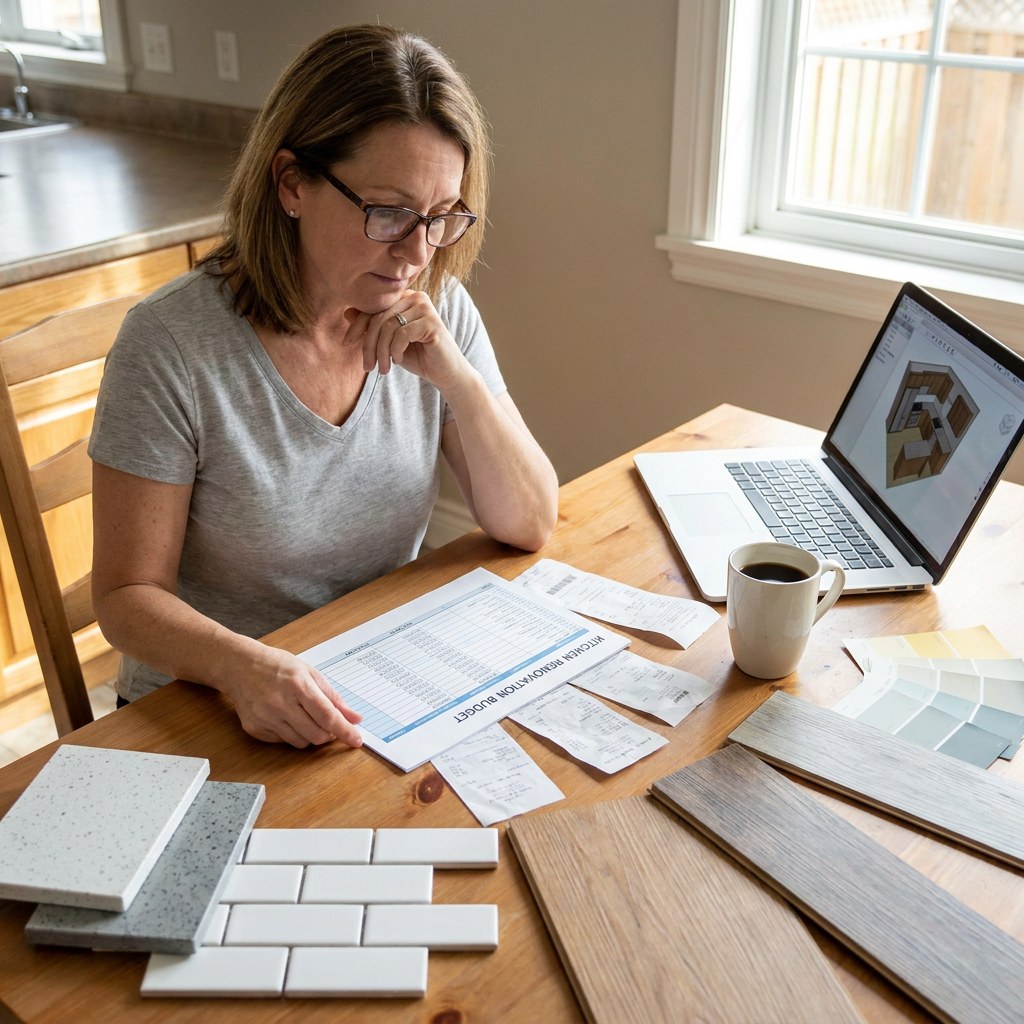
Using the Casa app to capture your initial budget limits and organize your inspiration photos is a great way to stay grounded before you start shopping for materials.
Timeline Expectations
A common misunderstanding is that a small room takes less time to finish. In reality, a bathroom remodel requires a highly choreographed sequence of different tradespeople—demolition, plumbing, electrical, drywall, tile setting, and painting—who cannot all work in a tiny room at the same time.
Planning and Ordering: Expect to spend 4 to 8 weeks finalizing your design, hiring a contractor, and waiting for materials to arrive. Never start demolition until the major items (like the tub, vanity, and tile) are physically sitting in your garage. Backordered materials are the leading cause of stalled projects.
Active Construction: For a standard remodel, expect the physical work to take 3 to 6 weeks. A major gut remodel can take 6 to 8 weeks or more.
Hidden Costs and Common Surprises
Bathrooms involve a lot of hidden water, and water eventually finds a way out. Once a contractor opens up the walls or removes the old floor, the "discovery phase" begins.
Common surprises include finding slow leaks behind the shower wall, rotted floorboards beneath the toilet, or outdated electrical wiring that is no longer safe for a damp environment. To protect yourself from financial stress, set aside a contingency fund of 15% to 20% of your total budget strictly for these hidden repairs. If you do not end up needing it, you have extra money left over at the end.
Permit and Code Considerations
Do you need a permit for a bathroom remodel? It depends entirely on your scope.
Simply swapping a faucet, painting, or replacing a vanity usually does not require a permit. However, if your project involves opening the walls to reroute plumbing, altering a load-bearing wall, or adding a new electrical circuit, your local municipality will likely require a permit and subsequent inspections.
Skipping permits might save a little time upfront, but unpermitted structural or system work can create significant safety hazards and complicate the sale of your home down the road.
Contractor Selection Guidance
Because bathrooms are complex, you will typically want to hire a general contractor or a specialized bathroom remodeling company. They act as the project manager, bringing in licensed plumbers and electricians as needed.
When reviewing contractors:
- Get at least three detailed, itemized bids. If a bid is significantly lower than the others, ask why; it often means a crucial step or material was left out.
- Ask how they handle waterproofing. If they cannot clearly explain their process for waterproofing a shower before the tile goes up, move on to the next candidate.
- Verify that they are licensed and insured to work in your area.
How to Decide If This Renovation Is Worth It
Homeowners often focus heavily on Return on Investment (ROI). While a clean, updated bathroom certainly makes a home more attractive to buyers, it rarely pays back dollar-for-dollar what you put into it.
Instead of looking strictly at the financial return, weigh the renovation against your daily quality of life and the health of your home. If your current bathroom has failing grout, poor ventilation that leads to mold, or a layout that frustrates you every morning, the true value of the remodel is restoring function, safety, and peace of mind to your daily routine.
Risk Boundaries: When to DIY and When to Call a Pro
Understanding your limits is the key to a stress-free project.
Safe to try yourself: If you want to save money, tackle the low-risk visual updates. Painting the walls, changing cabinet hardware, swapping out a showerhead, or hanging new mirrors are highly manageable weekend projects.
Worth waiting or monitoring: If you notice minor cosmetic wear, like a chipped tile or older (but intact) grout, you do not need to rush into a remodel. Monitor the area for actual water intrusion. Take your time saving funds and planning the design rather than rushing a project just because it looks a bit dated.
Time to stop and call a professional: Water and electricity are unforgiving. If your project involves moving a plumbing drain, running new electrical wire, breaking into walls where you cannot see what is behind them, or installing a fully waterproofed custom shower pan, it is time to hire a licensed professional. Mistakes in these areas can lead to catastrophic water damage or fire risks.
A Short Recap
A successful bathroom remodel relies heavily on the work you do before you pick up a hammer. Keep your scope clear, recognize that moving plumbing will significantly increase your costs, secure the necessary permits, and prepare yourself mentally for a few hidden surprises behind the walls. By approaching the project with patience and a solid plan, you will end up with a beautiful, functional space built to last.
Ready to get organized? Download the Casa app to keep your project plans, contractor estimates, and home maintenance records in one secure, easily accessible place.