

Jul 8, 2026
Planning A Finished Garage
Finishing an unfinished garage is a practical way to add clean, usable space to your home. Learn how to plan the scope, budget, and timeline before you start.
Many homeowners look at their unfinished garage and see wasted potential. Exposed studs, poor lighting, and a dusty concrete floor can make the space feel unwelcoming, leading it to become a dumping ground for clutter rather than a functional part of the home.
Looking for more guidance? Take a look at our Improvements overview.
If you are feeling overwhelmed by the idea of renovating your garage, it is completely normal. What seems like a straightforward weekend project—putting up some drywall and sweeping the floor—often reveals a more complex sequence of tasks involving insulation, electrical work, and drying times.
We can help you break this project down. By understanding the realistic steps, costs, and risks upfront, you can approach your garage renovation with confidence and keep the project under control.
Defining the Scope of Your Project
The first step in planning is deciding exactly what "finished" means for you. For most homeowners, a finished garage project includes:
- Adding insulation to the walls and ceiling.
- Hanging and finishing drywall.
- Upgrading lighting.
- Applying a durable coating to the concrete floor.
- Installing basic organization systems, like wall track shelving.
This creates a clean, comfortable environment for parking, storage, or a light workspace.
Where scope expands quickly: Your project will become significantly more complex—and expensive—if you decide to add heavy electrical upgrades (like a 240-volt outlet for an electric vehicle or large power tools), plumbing for a utility sink, or climate control systems like a mini-split air conditioner.
It is also important to note that finishing a garage for storage and parking is very different from converting a garage into an Accessory Dwelling Unit (ADU) or official living space. Converting a garage to a living space involves strict zoning laws, extensive permits, and a much higher budget. This guide focuses strictly on finishing a garage for its traditional uses.
Budget Ranges and Variability
For a standard two-car garage, you can generally expect a professional finishing project to cost between $4,000 and $15,000.
Why is there such a wide gap? It largely comes down to labor and the condition of your current space. Drywall and fiberglass insulation are relatively inexpensive materials, but installing them correctly requires time and skill.
Here is how the costs break down:
- Drywall and Insulation: Labor is the primary cost here. The process of "mudding" (applying joint compound to the seams between drywall panels to create a smooth wall) requires multiple coats and drying time.
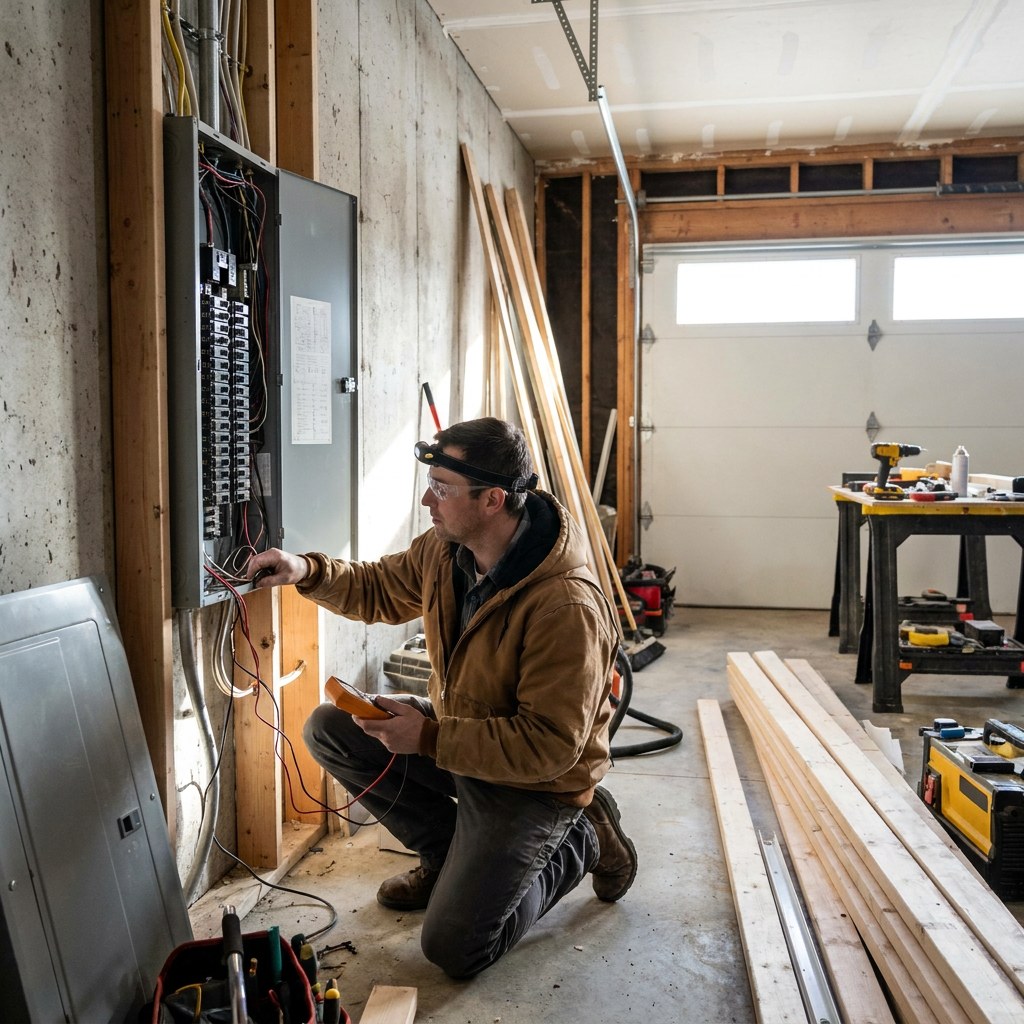
- Electrical Work: Simply swapping existing light fixtures is inexpensive. However, if your electrician needs to run new wire, install additional outlets, or upgrade your home’s electrical panel to handle the extra load, costs will rise rapidly.
- Flooring: A DIY concrete paint kit might cost $150, but it often peels under hot car tires. A professionally installed epoxy floor (a highly durable resin coating) will generally cost between $1,500 and $3,000, depending on the size and condition of your concrete.
If you are hiring professionals, you can use the Casa app to store your contractor bids, material lists, and notes in one organized place so you can easily compare your options.
Timeline Expectations
If you hire professionals, a standard garage finishing project typically takes two to three weeks.
This timeline is dictated by the materials. Drywall joint compound needs time to dry between coats, and concrete floor coatings require careful surface preparation and curing time before you can drive a car onto them. There will be days when no contractors are at your house simply because they are waiting for materials to cure.
If you plan to tackle this as a DIY project, expect it to take one to three months of dedicated weekends. Hanging heavy drywall on ceilings and finishing seams smoothly is physically demanding and time-consuming for beginners.
Hidden Costs and Common Surprises
Garages are exposed to the elements more than any other part of your home, which means they often hide wear and tear. Keep an eye out for these common surprises:
- Rotted Wood: The bottom horizontal pieces of wood framing (called sill plates) rest directly on the concrete. If water has pooled in your garage over the years, these plates may be rotted and will need to be replaced by a professional before drywall goes up.
- Uneven Concrete: If your concrete floor is heavily cracked or uneven, an epoxy coating will not hide the damage. You may need to pay for concrete leveling or extensive patching first.
- Outdated Electrical Panels: If your home is older, your main electrical panel might not have the capacity to support new, heavy-duty circuits for your garage.
Permit and Code Considerations
Do you need a permit to finish your garage? It depends on the scope of the work.
In most municipalities, you do not need a permit to paint, apply an epoxy floor, or install storage racks. However, if you are adding new electrical circuits, moving load-bearing walls (walls that support the weight of the roof), or altering the structure of the home, a permit is almost certainly required.
Skipping permits on electrical work is highly discouraged. Not only is it a safety hazard, but unpermitted electrical work can complicate the future sale of your home or cause issues with your homeowners insurance if a fire occurs.
Contractor Selection Guidance
Because finishing a garage involves multiple distinct trades, you have two main options for hiring help.
Option 1: Hire a General Contractor (GC). A GC will manage the entire project, pulling permits and scheduling the drywallers, electricians, and painters. This is the least stressful option but generally costs more, as the GC charges a management fee.
Option 2: Act as your own GC. If your project is simple, you can hire individual specialists yourself—an electrician for the wiring, a drywall company for the walls, and a flooring company for the epoxy. This saves money but requires you to manage the schedule and ensure one trade finishes their work before the next begins.
How to Decide If This Renovation Is Worth It
Deciding to finish your garage comes down to how much you value usability over raw financial return.
Finishing a garage rarely adds official, livable square footage to your home’s listing. Therefore, you should not expect a dollar-for-dollar return on your investment when you sell.
However, a clean, well-lit, and finished garage dramatically improves the day-to-day experience of living in your home. It provides a safer environment for storage, keeps pests and drafts out of your adjoining living spaces, and creates a highly appealing feature for future buyers. If you plan to stay in your home for several years and find yourself avoiding the garage because it feels dirty or uncomfortable, this project is often well worth the cost.
Risk Boundaries: When to Pause and Call a Pro
To keep your home safe and your project moving smoothly, it helps to know your limits.
Safe to try yourself:
- Painting existing drywall.
- Applying basic floor sealers (if you are willing to strictly follow surface preparation instructions).
- Installing basic wall shelving into wall studs.
Worth stopping and calling a professional:
- Electrical wiring: Running new lines or upgrading panels carries a high risk of fire or injury if done incorrectly.
- Structural changes: Removing or modifying existing framing.
- Garage door springs: The heavy springs above your garage door are under immense, dangerous tension. Never attempt to remove or adjust these yourself while renovating the ceiling or walls; always call a garage door specialist.
Short Recap
Finishing your garage is an excellent way to reclaim wasted space and improve your home’s functionality. By keeping your scope focused, preparing for a budget of $4,000 to $15,000, and knowing when to hire a professional for electrical and structural work, you can manage this project smoothly. Take your time planning, expect a few weeks of messy construction, and look forward to a clean, organized space.
When the dust settles and your new space is ready, you can rely on the Casa app to help you stay on top of seasonal tasks—like checking the weatherstripping on your garage doors—so your newly finished space stays protected year-round. Download the Casa app today to start organizing your home’s maintenance and improvement plans.