

Jan 24, 2026
How to Clean a Smelly Washing Machine
A musty washing machine can make your clothes smell less than fresh. Learn the causes of washer odors and follow our step-by-step guide to deep clean both front-load and top-load models.
It’s a frustrating moment: you open your washing machine expecting the fresh scent of clean laundry, but instead, you’re met with a musty, mildewy odor. If that smell is starting to transfer to your clothes, it’s even worse.
Looking for more guidance? Take a look at our Maintenance overview.
This is a very common issue for homeowners, and it’s not a sign that you’re doing anything wrong. Your washer is a warm, damp, and dark environment—the perfect place for mold, mildew, and bacteria to grow from leftover detergent, fabric softener, and grime from your clothes.
The good news is that you can usually eliminate the odor yourself with a thorough cleaning. This guide will walk you through the steps for both front-loading and top-loading machines, helping you get your washer and your laundry smelling fresh again.
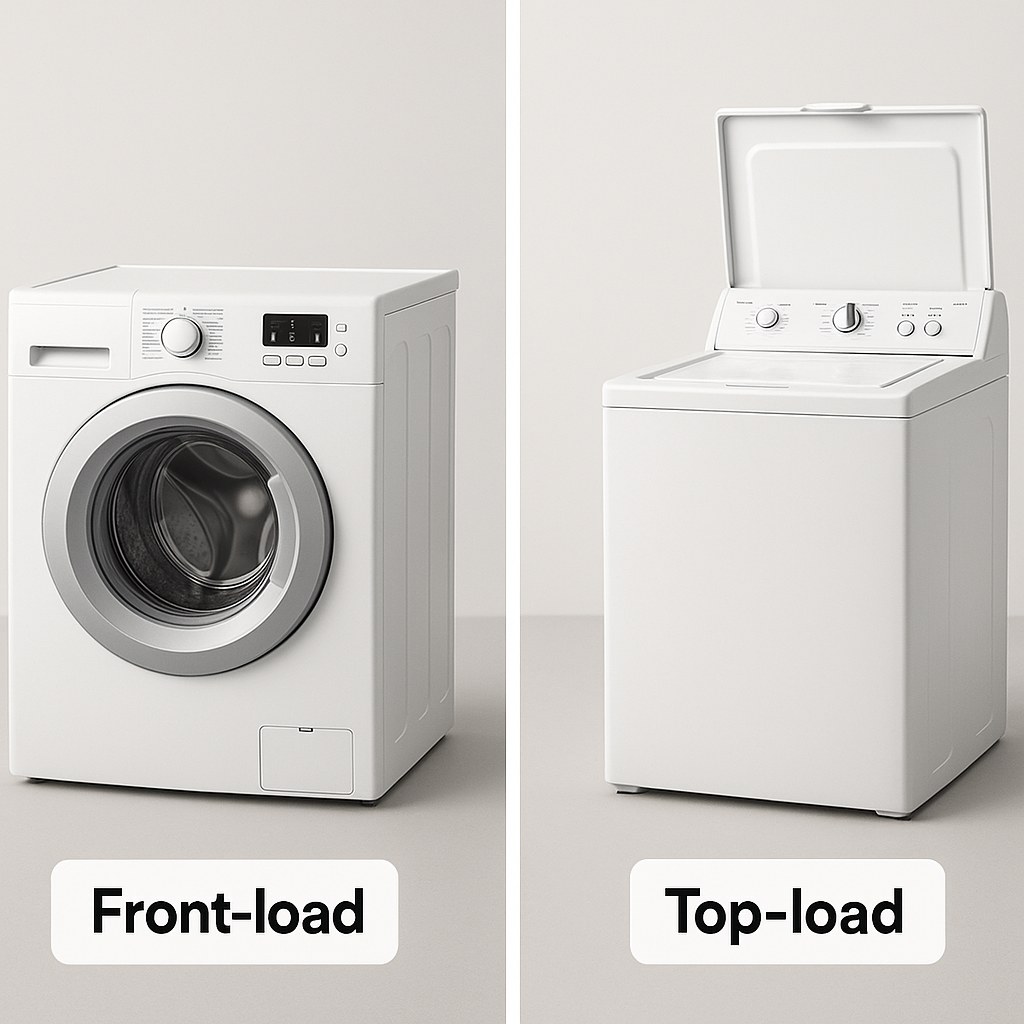
First, Identify Your Washing Machine Type
The cleaning process differs slightly depending on your machine. It’s a simple distinction:
- Front-Load Washer: The door is on the front of the machine and opens sideways. These are known for efficiency but are more prone to mold growth in the rubber door seal.
- Top-Load Washer: The lid is on top and hinges upward. These have better airflow but can still accumulate residue and slime under the rim and around the agitator.
Once you know which type you have, follow the specific instructions below.
How to Deep Clean a Front-Load Washing Machine
Front-loaders are notorious for odors because water and residue get trapped in the rubber door gasket. This process targets that area and the rest of the machine.
Time: About 45 minutes of active work, plus 2-3 hours for the cleaning cycles. Materials: Distilled white vinegar, baking soda, microfiber cloths, an old toothbrush, and a shallow pan.
- Safety First: Unplug the washing machine from the wall outlet before you begin cleaning.
- Clean the Gasket: Mix a solution of equal parts white vinegar and warm water. Gently pull back the rubber seal around the door—this is the gasket. Dip a microfiber cloth in the solution and wipe down every fold, removing any black spots, slime, or trapped debris you see. This is often the primary source of the smell.
- Clean the Dispenser Drawer: Remove the detergent and fabric softener drawer. It should slide out easily, though you may need to press a release tab. Soak the drawer in warm, soapy water for about 10 minutes, then use an old toothbrush to scrub away any caked-on residue. Rinse it thoroughly, dry it, and put it back in the machine.
- Run a Cleaning Cycle: Sprinkle one cup of baking soda directly into the empty washer drum. Pour two cups of white vinegar into the detergent dispenser. Close the door and run the machine on its hottest, longest setting (often called "Tub Clean" or "Sanitize"). The baking soda and vinegar will work together to break down residue and kill mold.
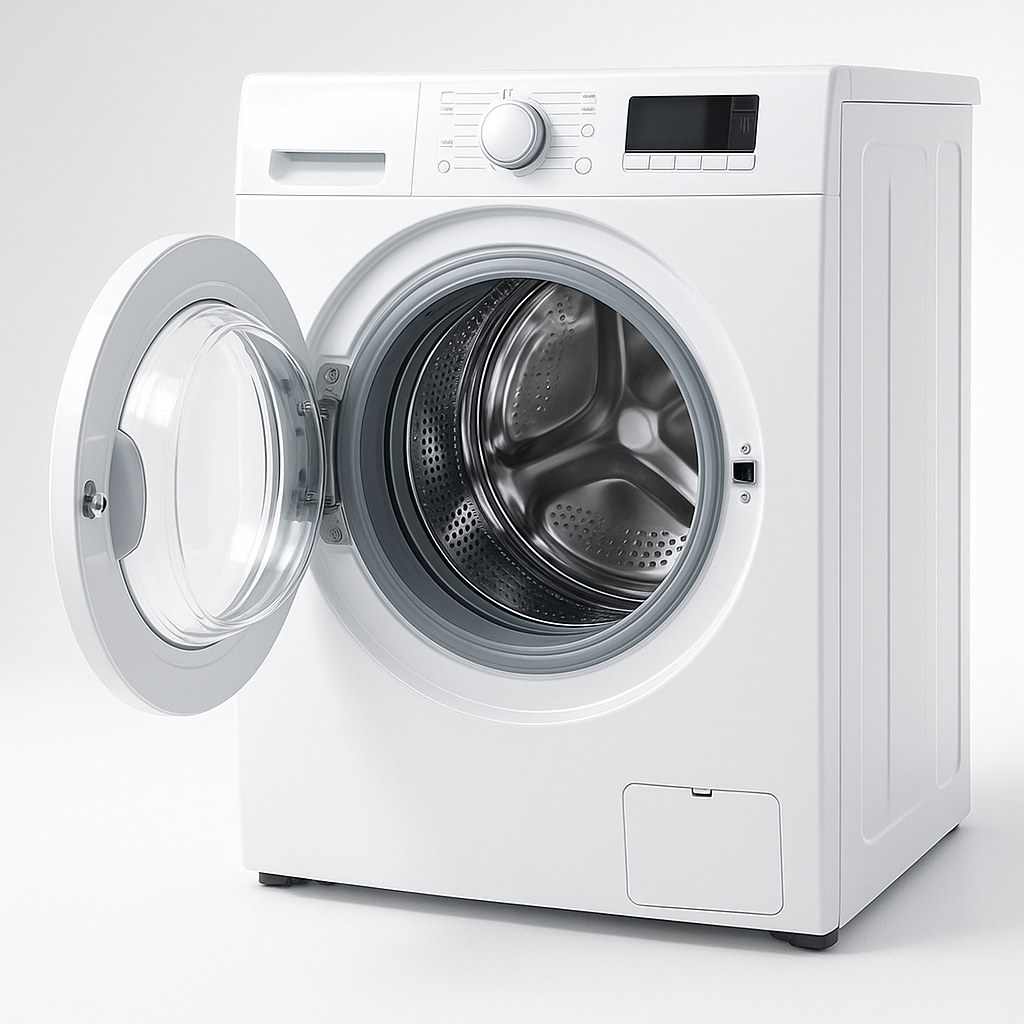
- Clean the Drain Pump Filter: While the cycle runs, locate the small access panel on the lower front of your washer. Place a shallow pan and a towel underneath it. Slowly twist the filter cap to release it—some water will drain out. Pull the filter out and rinse it under warm water to remove lint, hair, and any other gunk. Screw it back in securely and close the panel.
- Final Rinse and Dry: Once the first cycle is done, run one more "Rinse and Spin" cycle with nothing in the machine to flush out any remaining debris. When it's finished, wipe the inside of the drum and the door glass with a dry cloth.
- Air It Out: Plug the washer back in. To prevent future odors, always leave the door slightly ajar after doing laundry to allow air to circulate and dry the interior.
After following these steps, the smell should be gone.
How to Deep Clean a Top-Load Washing Machine
Top-loaders can develop a slimy buildup of detergent and fabric softener residue around the top of the drum and on the agitator.
Time: About 45 minutes of active work, plus 2-3 hours for soaking and cycle times. Materials: Distilled white vinegar, baking soda, microfiber cloths, and an old toothbrush.
- Safety First: Unplug the machine before you start.
- Wipe Down the Interior: Mix a solution of equal parts white vinegar and warm water. Dip a cloth in the solution and thoroughly scrub the lid, the rim of the machine, the top of the wash drum, and the agitator (the spindle in the middle, if you have one).
- Clean the Dispensers: If your machine has a removable fabric softener dispenser on the agitator, pull it off. Soak it in warm, soapy water and use an old toothbrush to scrub it clean before putting it back.
- Run the First Cleaning Cycle (Vinegar Soak): Set your washer to the largest load size and the hottest water setting. Start the cycle and, as the tub fills, pour in four cups of white vinegar. Let the machine agitate for about a minute, then lift the lid to pause the cycle. Let the vinegar solution soak for at least one hour to dissolve buildup. After an hour, close the lid and let the cycle complete.
- Run the Second Cleaning Cycle (Baking Soda Rinse): Immediately after the first cycle finishes, run another large, hot cycle. This time, add one cup of baking soda to the water. This will help neutralize any lingering odors and wash away the residue loosened by the vinegar. Let this cycle run to completion.
- Final Wipe and Dry: Once the cycles are done, wipe the inside of the drum with a dry cloth.
- Air It Out: Plug the washer back in. Just like with a front-loader, leave the lid open for a few hours after use to let the machine dry out completely.
What to Do If the Smell Remains
If you’ve completed a thorough cleaning and the musty odor persists after the machine has fully dried, the problem may be deeper than you can reach.
When to call a professional: Persistent odors can be a sign of a more serious issue, such as:
- Mold growing inside the internal hoses.
- A partially clogged drain line or failing drain pump that isn't removing all the dirty water.
These are not issues to tackle yourself. At this point, it’s best to call a qualified appliance repair technician. They have the tools and expertise to safely inspect and clean the internal components of your washer.
A service call will typically cost between $100 and $200, not including the cost of any parts or significant labor required for a repair.
Preventing Future Washer Odors
Once your machine is clean, a few simple habits can keep the smells from coming back. Keeping a simple maintenance schedule in an app like Casa can help you stay on track.
- Leave the Door or Lid Open: This is the most effective step you can take. Airflow allows moisture to evaporate, preventing mold and mildew growth.
- Use the Right Detergent (and the Right Amount): Use only High-Efficiency (HE) detergent in HE machines. Using too much soap leaves a residue that feeds mold.
- Remove Wet Clothes Promptly: Don't let wet laundry sit in the washer for hours.
- Run a Monthly Cleaning Cycle: Repeat the vinegar and baking soda cleaning process once a month to keep buildup at bay.
A Fresh Start for Your Laundry
A smelly washing machine is a solvable problem. With a little time and some basic household supplies, you can get rid of the odor and ensure your clothes come out smelling truly clean.
Managing home maintenance can feel like a lot, but you don't have to do it alone. Download the Casa app to get guidance for repairs, track maintenance, and connect with trusted professionals when you need them. We’re here to help you feel confident in caring for your home.