

Sep 8, 2026
How to Test and Maintain GFCI Outlets in Your Home
Learn how to test and maintain GFCI outlets to protect your home from electrical shocks and costly repairs. Simple steps and safety advice for every homeowner.
Most routine home maintenance feels like an endless chore list. Cleaning gutters, replacing furnace filters, and checking smoke alarms can quickly start to look like busywork.
Looking for more guidance? Take a look at our Maintenance overview.
It helps to reframe these small tasks for what they truly are: simple, low-effort insurance policies that protect your budget and your household.
Testing the ground fault circuit interrupter (GFCI) outlets in your home is one of the easiest examples of this. A GFCI outlet is designed to cut power in a fraction of a second if it detects an imbalance in electrical current, preventing severe electrical shocks and potential electrical fires. Taking five minutes every few months to ensure they function properly saves you from unexpected electrical failures and major safety hazards down the road.
What Typically Goes Wrong If Ignored
Electrical outlets contain delicate internal mechanisms that can wear out over time. Because GFCI outlets constantly monitor the flow of electricity, internal electrical surges, environmental humidity, and simple mechanical age can degrade their components without any obvious visual warning.
When you ignore your GFCI outlets, a few common issues tend to develop:
- Silent mechanical failure: An outlet might continue delivering power to your appliances even after its internal safety shutoff has failed completely.
- Nuisance tripping: Wear and tear can make an outlet hypersensitive, shutting off power to kitchen appliances, freezers, or bathroom heaters unexpectedly.
- Downstream vulnerability: In many homes, a single GFCI outlet protects several regular outlets wired further down the line. If the main GFCI outlet fails, that entire string of outlets loses its ground-fault protection.
What This Task Protects
Routine GFCI testing protects three major areas of your home:
- Personal safety: The primary purpose of a GFCI is to prevent severe electric shock, especially in areas where water is present, like kitchens, bathrooms, garages, and outdoor spaces.
- Device and appliance lifespan: Outlets that trip reliably prevent sudden electrical surges from damaging sensitive electronics and small kitchen appliances.
- Electrical system reliability: Catching a failing outlet early keeps unexpected outages from disrupting your daily routine or spoiling food in a garage refrigerator.
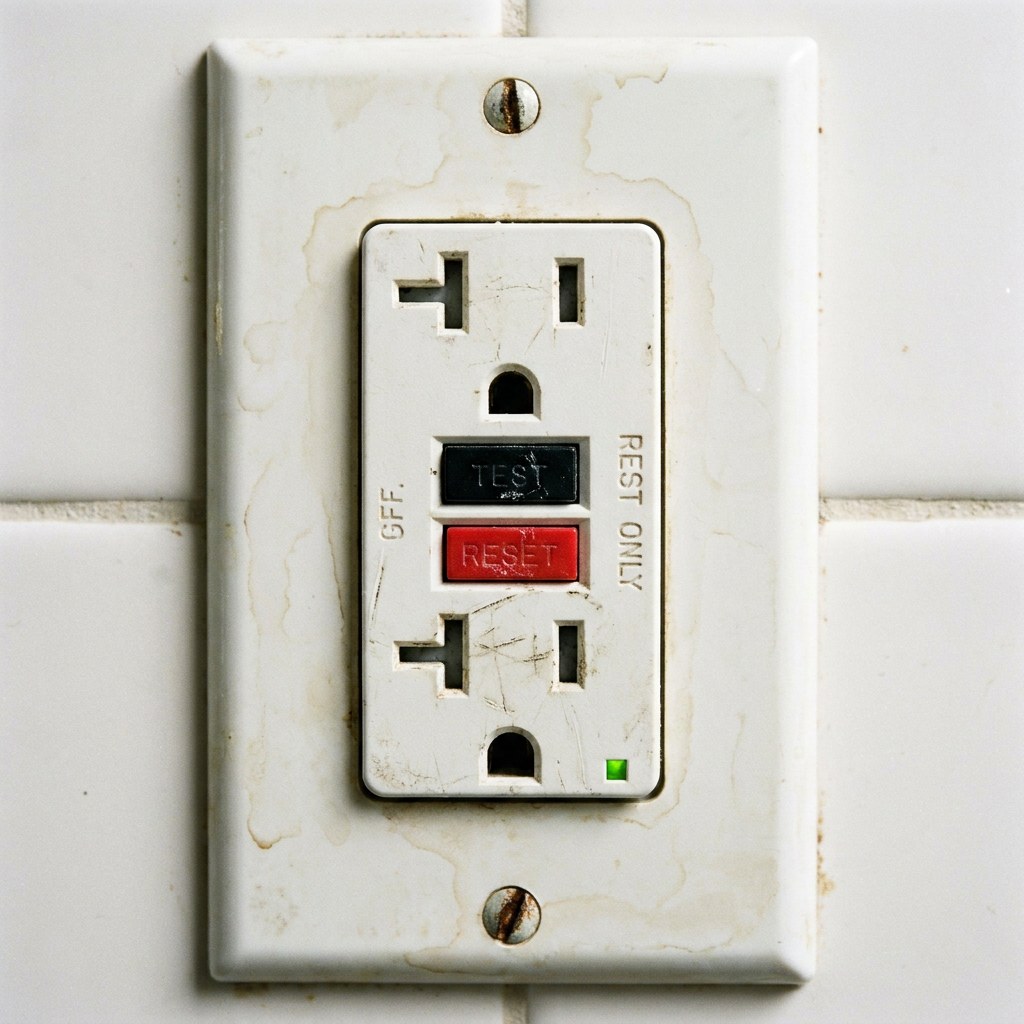
Step by Step Checklist to Test Your GFCI Outlets
You do not need specialized tools or an electrical background to test a GFCI outlet. A standard lamp or nightlight works well.
1. Locate all GFCI outlets in your home
Check all areas where water is nearby:
- Kitchen countertops and islands
- Bathrooms
- Laundry rooms and utility sinks
- Garages and basements
- Exterior patio and porch receptacles
2. Plug in a simple test device
Plug a small lamp, nightlight, or phone charger into the outlet and make sure the light is on.
3. Press the "Test" button
Press the "Test" button located in the center of the outlet faceplate. You should hear a distinct click, and the light should immediately turn off.
4. Check the power status
If the light stays on after pressing "Test," the outlet has failed and no longer provides shock protection.
5. Press the "Reset" button
Press the "Reset" button firmly. You should hear another click, and the light should turn back on. If the reset button pops back out immediately or fails to latch, the outlet likely needs replacement.
6. Test downstream outlets (optional)
If other standard outlets in the room went dark when you pressed "Test," they are protected by that same GFCI unit. Reset the main GFCI to restore power to the entire room.
How Often It Should Be Done
Electrical safety organizations, including the Electrical Safety Foundation International, recommend testing GFCI outlets once a month.
For most busy homeowners, aiming to test them quarterly or twice a year (such as when daylight saving time begins and ends) is a practical, sustainable schedule that provides reliable protection.
Signs You Have Waited Too Long
If you have never checked your outlets, keep an eye out for these warning signs that indicate an outlet is overdue for attention:
- The "Reset" button will not stay pressed in.
- The faceplate feels warm to the touch or shows discoloration or scorch marks.
- Plugs fit loosely and fall out easily from the receptacle slots.
- You hear buzzing, humming, or crackling sounds coming from the wall box.
- Connected appliances lose power randomly without a tripped circuit breaker in your main electrical panel.
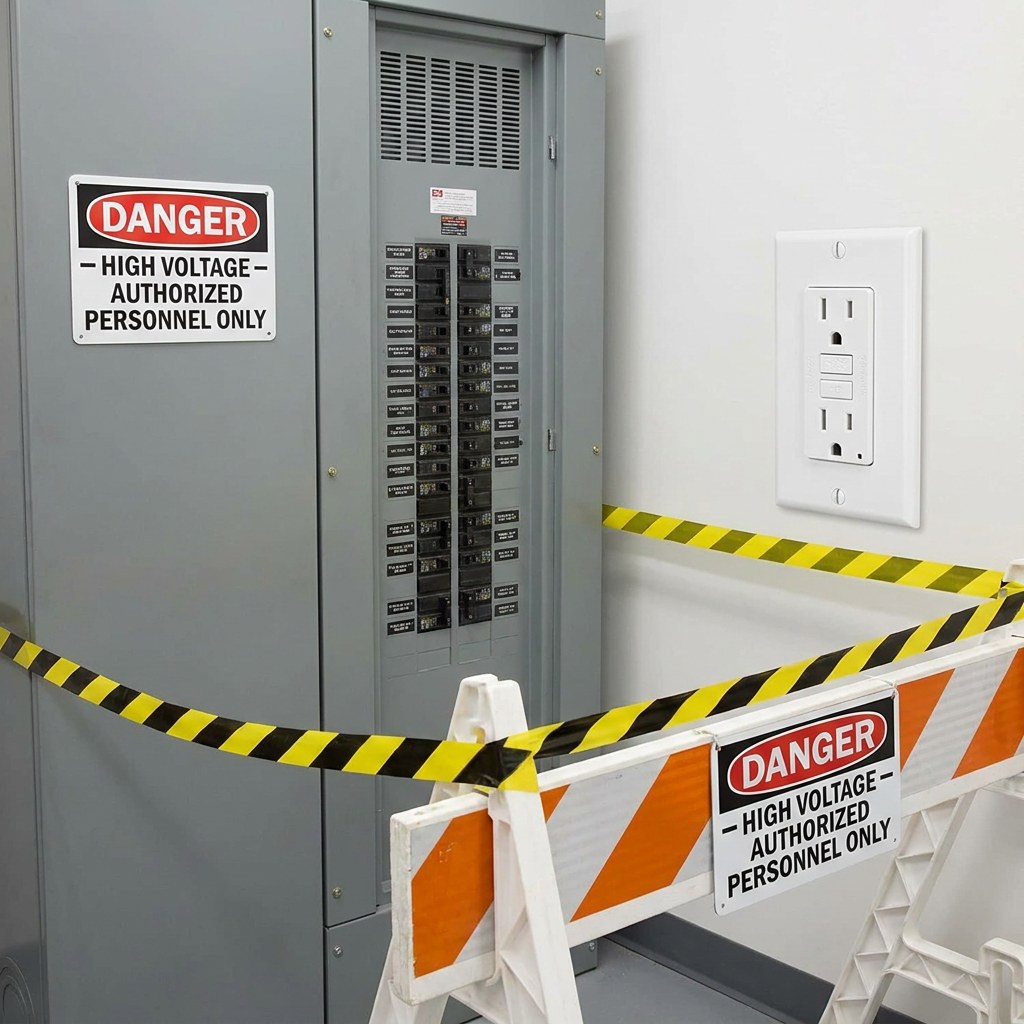
Cost of Neglect vs. Cost of Maintenance
The cost difference between proactive testing and emergency replacement is significant.
| Approach | Typical Cost | What It Covers | | :--- | :--- | :--- | | Preventive Maintenance | $0 to $15 | Free 5-minute visual and manual test. Optional $10 to $15 plug-in circuit tester for added precision. | | Planned Replacement | $20 to $40 (DIY) or $150 to $250 (Pro) | Replacing a worn GFCI during standard business hours before it damages equipment or fails dangerously. | | Emergency Electrical Call | $300 to $600+ | After-hours electrician dispatch for sudden outages, damaged wiring, or tripped subpanels. |
Neglecting basic outlet safety also carries the invisible cost of personal risk. Ensuring safety components trip as designed eliminates hazards before they turn into medical emergencies or fire claims.
Safety Boundaries
Working around electricity requires clear boundaries so you always know when to step back.
Safe to try yourself
- Pressing the test and reset buttons on any accessible outlet.
- Using a standard plug-in nightlight or a three-prong receptacle tester.
- Noting which outlets stop working when a specific GFCI trips.
Worth monitoring
- An outlet that trips once during a heavy thunderstorm but resets normally afterward.
- An outdoor GFCI that trips only during heavy wind-driven rain, which may indicate a failing weatherproof cover rather than a bad outlet.
Time to stop and call a professional
- Any outlet that shows physical melting, scorch marks, or persistent burning smells.
- An outlet that fails the test sequence and will not cut power when triggered.
- Sparking when you insert or remove a plug.
- Outlets in older homes with ungrounded two-prong wiring where you are unsure of the circuit layout.
How to Build This Into Your Home Maintenance Schedule
Preventive maintenance only works if it actually happens. Instead of relying on memory, pair this quick walk-through with an existing household habit.
A great approach is to tie outlet testing to seasonal changes or your regular home filter replacements. Using Casa can help you map out your home's electrical layout and schedule regular maintenance reminders so safety checks never slip through the cracks. Walking through each room with a small nightlight takes less than ten minutes and gives you complete confidence in your home's electrical safety.
Recap
GFCI outlets are vital safety devices that shield your home from shocks, surges, and electrical fires. Taking a few moments every few months to press the test and reset buttons ensures these safety switches work when you need them most. If an outlet fails to trip or show signs of wear, replacing it early keeps your repair costs low and your household safe.
To stay on top of seasonal checks, track your home's key systems, and get practical guidance for everyday upkeep, download the Casa app today.