

Nov 24, 2026
Carbon Monoxide Alarm Going Off? Get Out, Then Call 911
What to do when a CO alarm sounds, what the beeps mean, why it can sound with no gas appliances, and what to fix before you use the heat again.
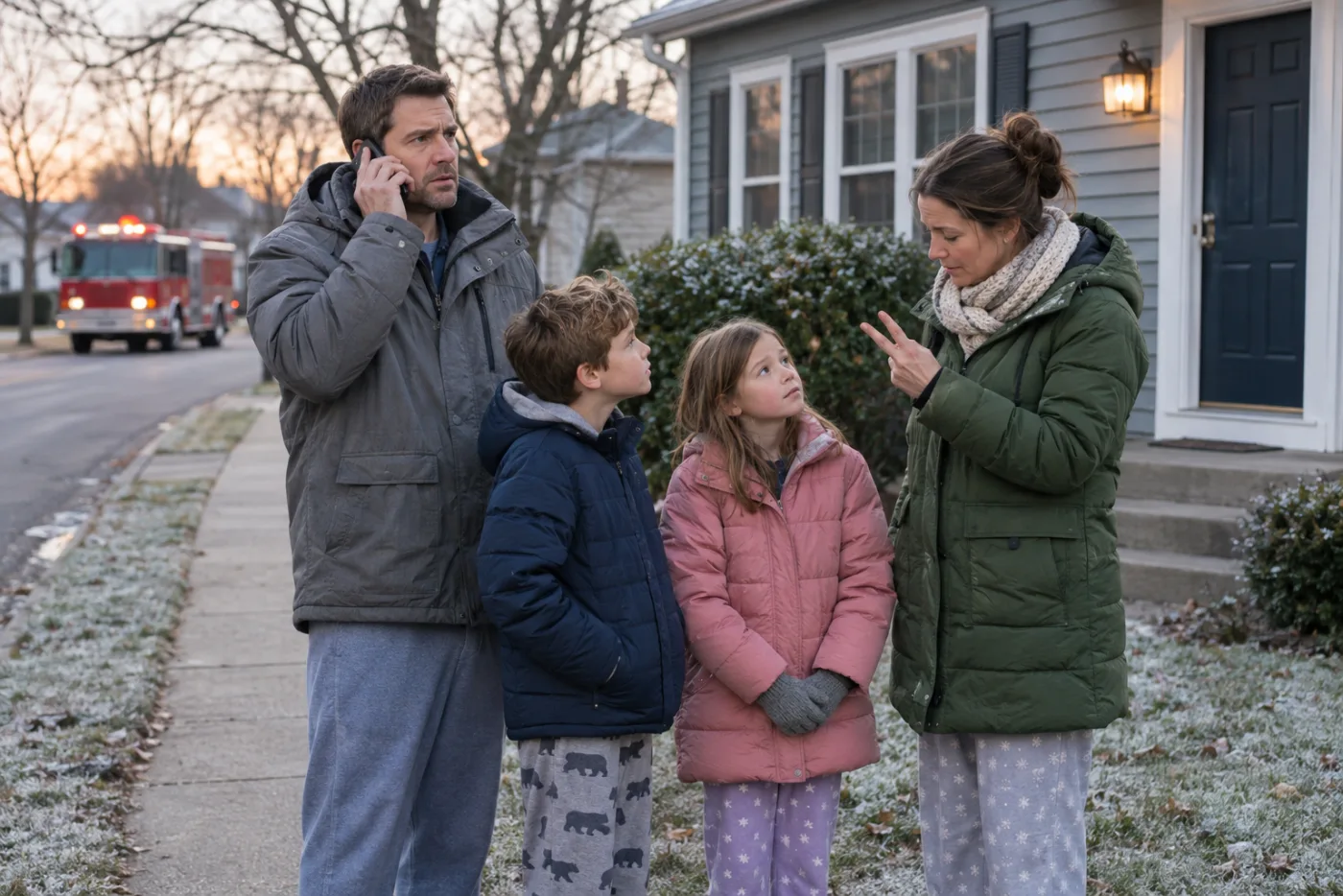
Get everyone outside to fresh air, including pets, and call 911. Count heads. Don't look for the source and don't go back in until responders say so, even if the alarm stops. You can't see or smell carbon monoxide, and it can make you pass out before you notice.
Looking for more guidance? Take a look at our Repairs overview.
Do This Now
- Go outside. Wake everyone. Leave the doors as they are and go.
- Call 911 from outside. Say the CO alarm is sounding and whether anyone feels sick.
- Count everyone. Tell responders if someone is still inside.
- Stay out until they give you permission. These steps come from the Consumer Product Safety Commission.
- Leave the suspected appliance off until a trained technician has serviced it.
If it sounds again within 24 hours, do all of it again, and have every fuel-burning appliance checked.
What the Beeps Mean
| Sound | What it means | Do this |
|---|---|---|
| Four beeps, a pause, repeating | Carbon monoxide | Get out, call 911 |
| Three beeps, a pause, repeating | Smoke or fire, on a combination alarm | Get out, call 911 |
| One chirp a minute | Low battery, on most alarms | Change it. Still chirping? Call the fire department, then replace the alarm |
| Chirps every 30 seconds, or several at once | End of life, on many alarms | Replace it today |
| Any pattern, and people feel sick | Treat it as carbon monoxide | Get out, call 911 |
Patterns vary by maker, so check the label on the back when things are calm. If a trouble chirp won't stop after a new battery, NFPA says to call the fire department.
Symptoms
Headache, dizziness, weakness, upset stomach, vomiting, chest pain, and confusion. They feel like the flu without the fever, and several people often get them at once. They often ease outdoors. People asleep can die before they have any symptoms.
Anyone who felt sick should go to the emergency room, even if they feel better outside. Say you suspect carbon monoxide.
If you feel this way and no alarm is sounding, go outside and call anyway.
Where It Comes From
| Source | Clue |
|---|---|
| Furnace or boiler | Started when the heat came on |
| Blocked vent or chimney | Snow, a bird nest, or a storm |
| Water heater or gas dryer | Near the laundry or utility closet |
| Car in an attached garage | Sounded after someone left or warmed up the car |
| Generator | During an outage. Keep it 20 feet from the house |
| Grill, charcoal, or camp stove | Used inside or in the garage |
| Fireplace or wood stove | Flue closed, or coals still warm |
| A neighbor | Shared walls, garage, or chimney |
"But I Don't Have Gas"
It can still be real. Cars, generators, fireplaces, wood, charcoal, and a neighbor's appliance all make carbon monoxide. An alarm that went off and then stopped was probably measuring something that cleared, so leave and call.
Before You Go Back to Normal
- Ask the fire department what level they found, and where.
- Have the source serviced, and ask for the result in writing.
- Check that outside vents are clear of snow, leaves, and nests.
- Read the date on the alarm. Replace it if it's past its life.
- Put alarms on every level and outside every sleeping area.
What a Check Costs
Thumbtack puts furnace maintenance at $153 to $693 and furnace repair at $170 to $735. Ask for a combustion test and a look at the heat exchanger and venting.
How We Can Help
Once you've been cleared, tell Casa what the fire department found. We help you work out what needs service and what to ask the technician. If you need one, we can look for local pros, contact the ones you choose, and gather times and prices.
FAQ
The alarm stopped. Can I go back in? Not until responders say so. Leaving the doors open can clear the air without fixing the source.
Can I just open the windows? No. Get out and call.
Is it a false alarm? Sometimes, but you can't tell by smell. Let the fire department measure it.