

Updated Nov 23, 2026
How to Find and Fix Air Leaks in Your Walls
Find drafts around windows, outlets, pipes, and trim with a smoke test, seal the safe ones, and know which gaps need a contractor.
Most wall drafts come in where something interrupts the wall: windows, doors, outlets, baseboards, and pipe or cable holes. You can find them on a windy day with a smoke pen or an incense stick, then seal them with weatherstripping, caulk, foam gaskets, or a little foam.
Looking for more guidance? Take a look at our Repairs overview.
The Department of Energy says sealing uncontrolled air leaks can save 10% to 20% on heating and cooling bills. Your result depends on how leaky the house is.
If you burn gas, oil, or wood, read the safety note below first. A tighter house can change how those appliances vent.

If You Have Fuel-Burning Appliances
A furnace, water heater, boiler, or fireplace that uses indoor air needs somewhere to get it. ENERGY STAR warns that sealing a house can cause these appliances to draft exhaust gases back inside, and suggests having them tested before and after. Keep carbon monoxide alarms working. If one sounds, go outside and call 911.
If you smell gas, don't light anything. Leave, and call your gas utility or 911 from a safe place.
Part 1: How to Find the Source of Air Leaks in Your Walls
The Department of Energy suggests a lit incense stick or a smoke pen on a windy day. A smoke pen, which has no ember, is the safer choice near curtains. A damp hand works too.
-
Set up:
- Close windows and doors, and the fireplace damper if there is no fire or hot ash.
- Turn off the furnace, air conditioner, and fans at their normal controls.
- In an all-electric home, turn on bathroom and kitchen exhaust fans to pull air in through leaks. If anything in the house burns gas, oil, or wood, leave the fans off and pick a windy day instead.
-
Handle smoke safely: Keep incense away from curtains, paper, and anything flammable. Use a holder, and put it out in water.
-
Hunt slowly along:
- Window and door frames.
- Outlets and switches, from the outside of the cover.
- Baseboards.
- Pipe, vent, and cable holes.
- Cracks in drywall or plaster.
-
Watch the smoke: If it blows sideways or is sucked toward the wall, you've found a leak.
-
Mark each spot with painter's tape, then fix the biggest first.
Part 2: Sealing the Most Common Air Leak Culprits
Most air leaks happen where different materials meet or where holes have been cut into your walls. Let's tackle these easy wins first.
How to Seal Drafty Windows and Doors
Sealant cracks and weatherstripping flattens over time.
- What You’ll Need: Weatherstripping (adhesive-backed foam or V-strip), caulk, caulk gun, putty knife.
- The Fix:
- Inspect and Clean: Check the existing weatherstripping. If it’s cracked, brittle, or compressed, it’s time for a replacement. Peel off the old material and clean the surface. In a home built before 1978, don't scrape or sand painted wood. The EPA says it can create dangerous lead dust.
- Apply New Weatherstripping: Cut the new weatherstripping to size and apply it firmly around window sashes and door jambs. Make sure it creates a snug seal when the window or door is closed.
- Caulk the Gaps: On the outside, within reach of the ground, caulk cracks where wood trim meets the wall. Leave drainage gaps at the bottom of windows and above them open, and don't caulk vinyl siding joints. Add a door sweep where you see light under a door.
How to Stop Drafts from Electrical Outlets and Switches
Outlets on outside walls often leak. A foam gasket behind the cover plate helps, and you don't need to touch the wiring.
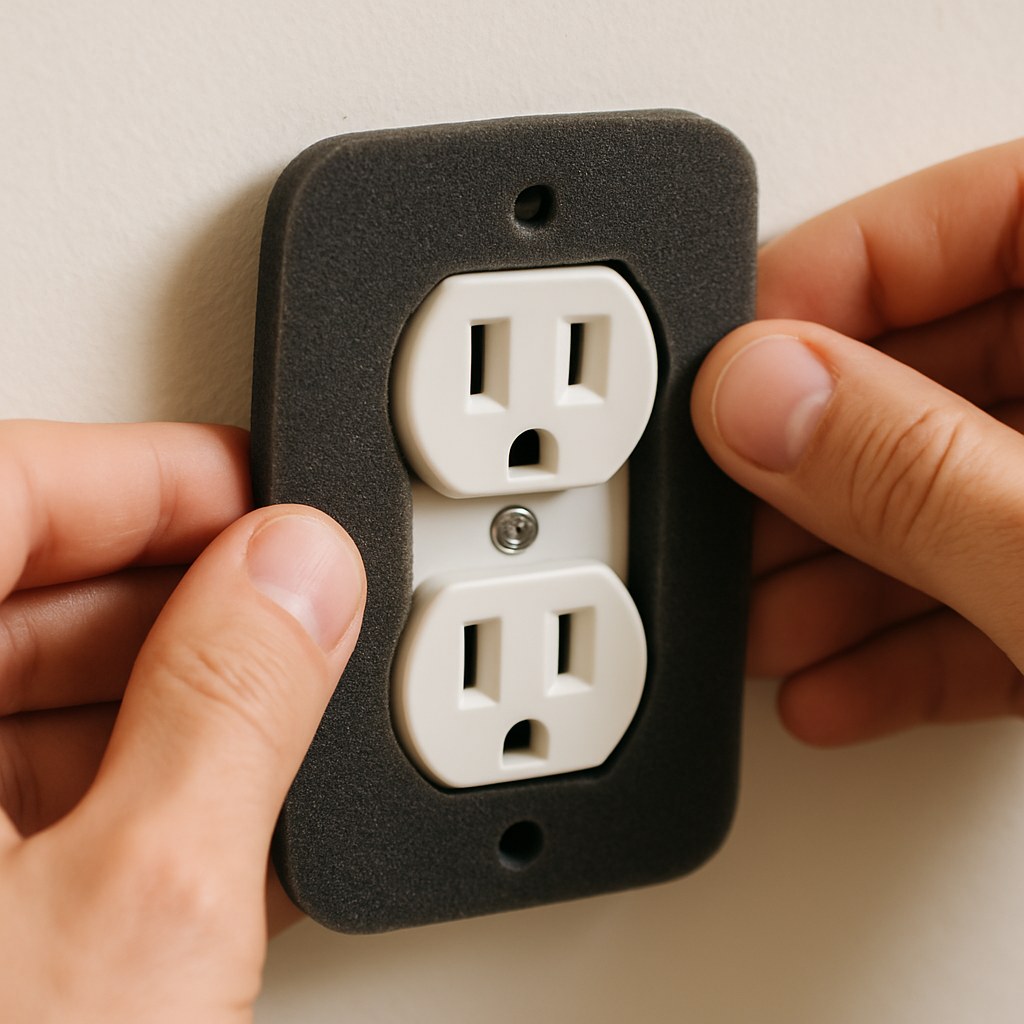
- What You'll Need: Foam outlet gaskets, a voltage tester, a screwdriver.
- The Fix:
- Turn off the breaker for that outlet. Check your tester on an outlet you know is live, test every slot of both halves of this outlet, then check the tester again. If anything shows voltage, stop.
- Remove the cover plate only. Leave the outlet or switch screwed in place. If you see scorching, bare wire, a loose box, or moisture, put the cover back, leave the breaker off, and call an electrician.
- Press the gasket into place over the outlet so its holes line up.
- Skip the foam. Don't spray foam or push insulation into or around an electrical box.
- Replace the cover, turn the breaker on, and add child-safe plugs to outlets you don't use.
How to Seal Gaps Around Pipes, Vents, and Wires
Look under sinks, behind appliances, and where cable or internet lines enter.
- What You'll Need: Caulk for gaps under about 1/4 inch, low-expanding foam for larger ones, gloves, eye protection, a utility knife.
- The Fix:
- Make sure it is a water pipe, drain, or data cable. Don't foam around a gas line, flue, dryer vent, chimney, recessed light, or electrical panel. The Department of Energy recommends a professional contractor for sealing around flues, vents, and pipes connected to chimneys, furnaces, and water heaters.
- Clean and dry the gap. Fix any drip first, because sealing hides leaks.
- Open a window, read the can, and keep it away from flames and pilot lights.
- Fill the gap about halfway. Foam expands.
- Let it cure for the time on the can, then trim the extra.
Part 3: When the Whole Wall is the Problem
If a wall still feels cold after you've sealed the obvious spots, it may have little or no insulation. From an unfinished attic or basement you may be able to see whether the wall is filled. Don't disturb pebble-like gray-brown insulation. The EPA says to assume vermiculite contains asbestos.
Blown-in insulation is usually the fix. It is a contractor's job. It means drilling into walls with wiring and pipes in them, and packing the cavity evenly. It is not safe around some older wiring.
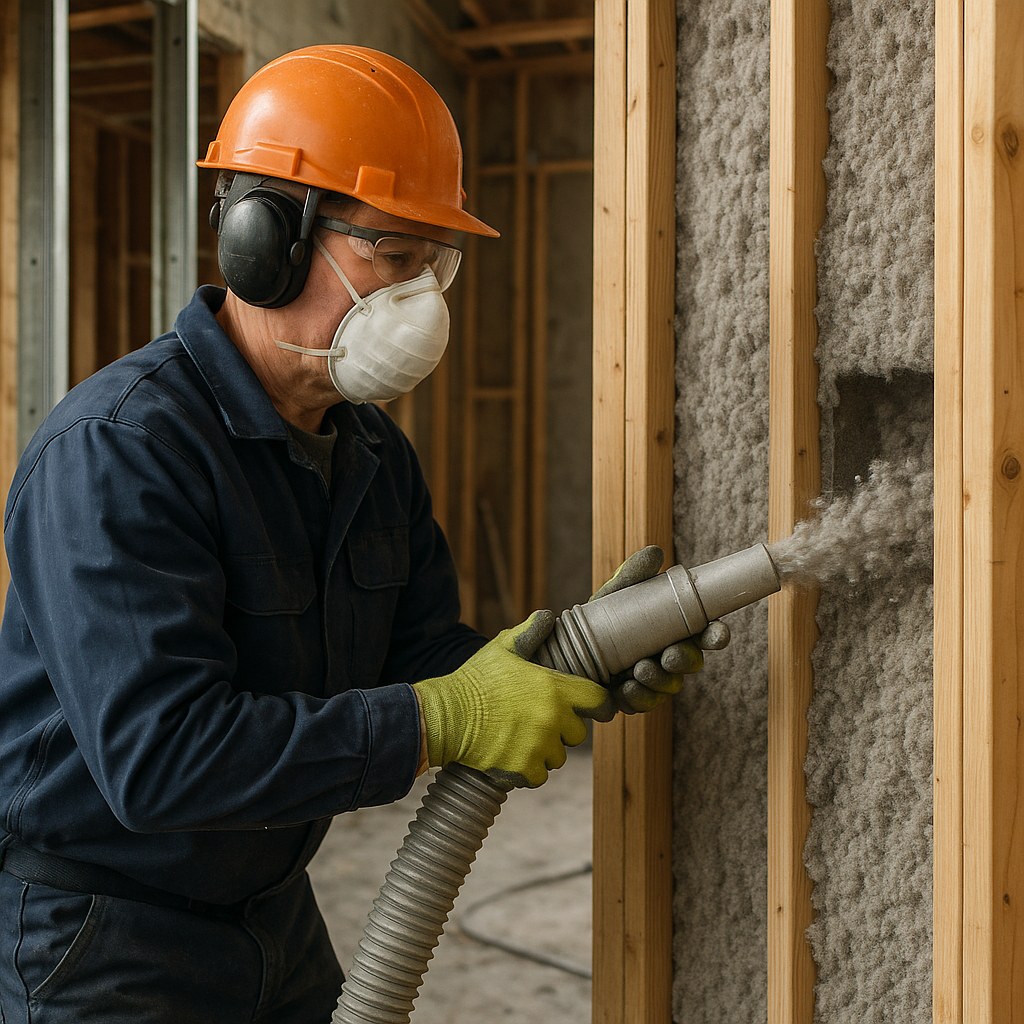
What Does It Cost to Hire It Out?
Finding the leaks is the first paid step, and Thumbtack puts the national average for a home energy audit at $277 to $462. HomeGuide lists professional weatherstripping for an average home at $130 to $470, and blown-in insulation, the fix for empty walls, averages $1,158 to $3,050 per Thumbtack data.
When to Call in the Professionals
Consider an energy assessor if:
- You've sealed the common leaks and the house is still drafty.
- You suspect empty walls, or leaks in the attic.
- You have fuel-burning appliances and plan more sealing.
An assessor can run a blower door test, which measures how leaky the whole house is, and use an infrared camera to find the spots. The Department of Energy notes that do-it-yourself sealing won't find small, hidden leaks, especially in attics.
Call a structural engineer or foundation contractor about large or growing cracks. Ask your utility about rebates before you hire, and ask for leakage numbers before and after the work.