

Updated Nov 23, 2026
How to Fix Damage Around a Wall Fixture
Patch cracked or chipped drywall around a towel bar, shelf, or light, remount a loose fixture, and know when a loose electrical box needs a pro.
Small cracks and chips around a fixture are an easy patch, as long as the fixture is firm and the wall is dry. A loose towel bar or shelf can be remounted into a stud or a better anchor. A loose outlet, switch, or light is different. If the box in the wall moves, it needs an electrician.
Looking for more guidance? Take a look at our Repairs overview.
Find out first whether the fixture has power, then whether it moves, then whether the wall is damp. Those three answers decide the job.
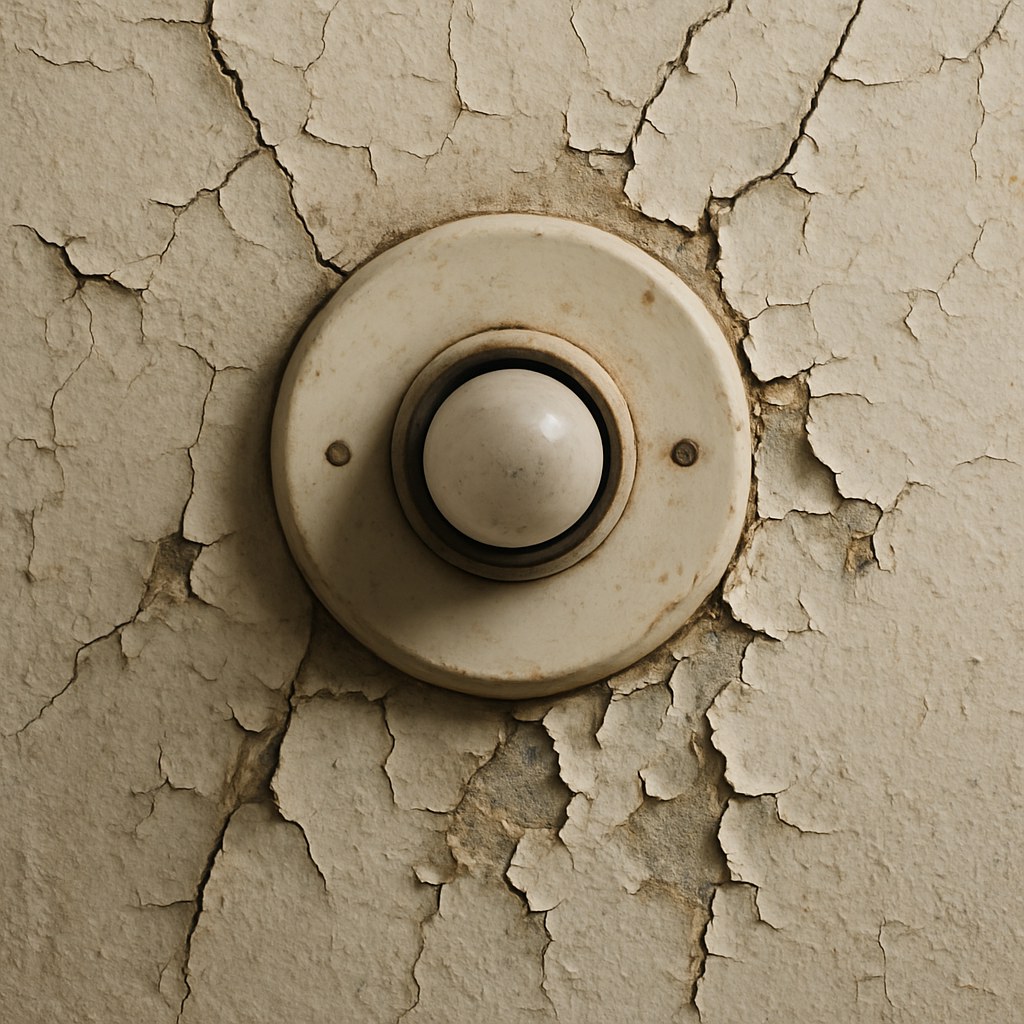
Step 1: Identify Your Fixture. Is It Electrical?
- Does it have bulbs, switches, or outlets?
- Does it have a cord or cable going into the wall? A wall-mounted TV, speaker, doorbell, or thermostat counts.
- Does it make heat? A wall heater is electrical or gas. Leave the wall around a gas heater to a technician.
- If you can't tell, treat it as electrical.
Step 2: Assess the Damage. Cosmetic Blemish or Serious Problem?
Look before you touch.
For Electrical Fixtures (Lights, Outlets, Switches)
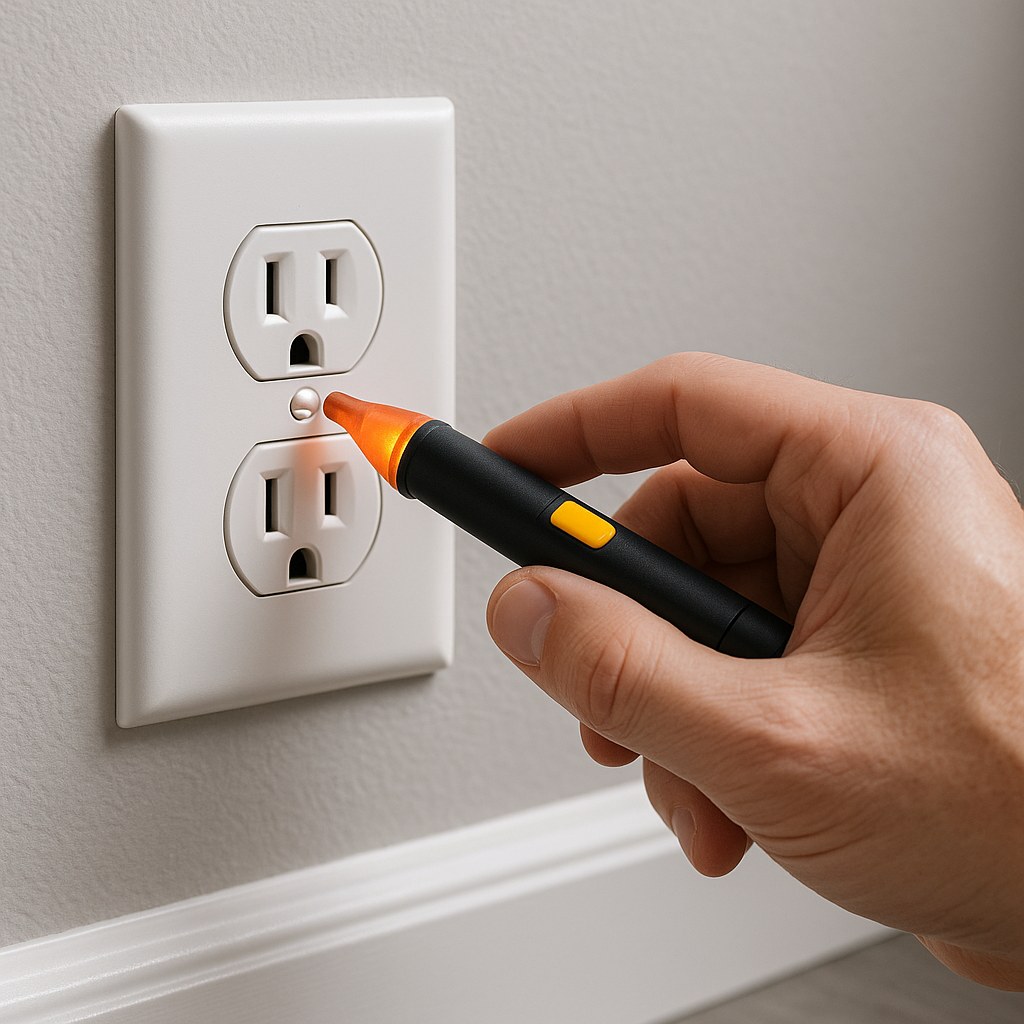
- Turn off the breaker for the fixture. Open the panel door only.
- Check that it is off. Test your tester on something you know is live, test the fixture, then test the tester again. Klein's non-contact tester says to do this before and after each use. On an outlet, test every slot of both halves. If anything shows voltage, stop.
With the power off:
- Is it only cosmetic? Hairline cracks, chipped paint, or a small gap at the cover plate.
- Does it move? Press lightly on the cover. If the outlet, switch, or light shifts, the box or its screws are loose. Stop.
- Are there red flags? Scorching, stains, mold, crumbling wall, or any visible wire.
The Consumer Product Safety Commission lists buzzing, an odor of overheated plastic, and hot covers among the warning signs that call for an electrician. Leave the breaker off until they come.
For Non-Electrical Fixtures (Towel Racks, Shelves, Curtain Rods)
- Push and pull gently. Is it firm, or does it wobble?
- Look at the wall. Cracks, chips, or dents are cosmetic.
- Press lightly around it. Soft, damp, or crumbling drywall means water or a failed mount.
If you find stains, mold, or soft wall, stop. Find the leak first. The EPA says wet materials that are dried within 24 to 48 hours usually won't grow mold.
Don't count on a grab bar that has come loose. It has to be fastened to framing or an anchor rated for it, and it is worth hiring out.
Step 3: The Repair. From Patching to Reinforcing
Scenario 1: Fixing Simple Cosmetic Damage
For an electrical fixture, keep the breaker off from start to finish, leave the cover plate on, and tape over it. Don't put a knife, damp cloth, or compound into or behind the box.
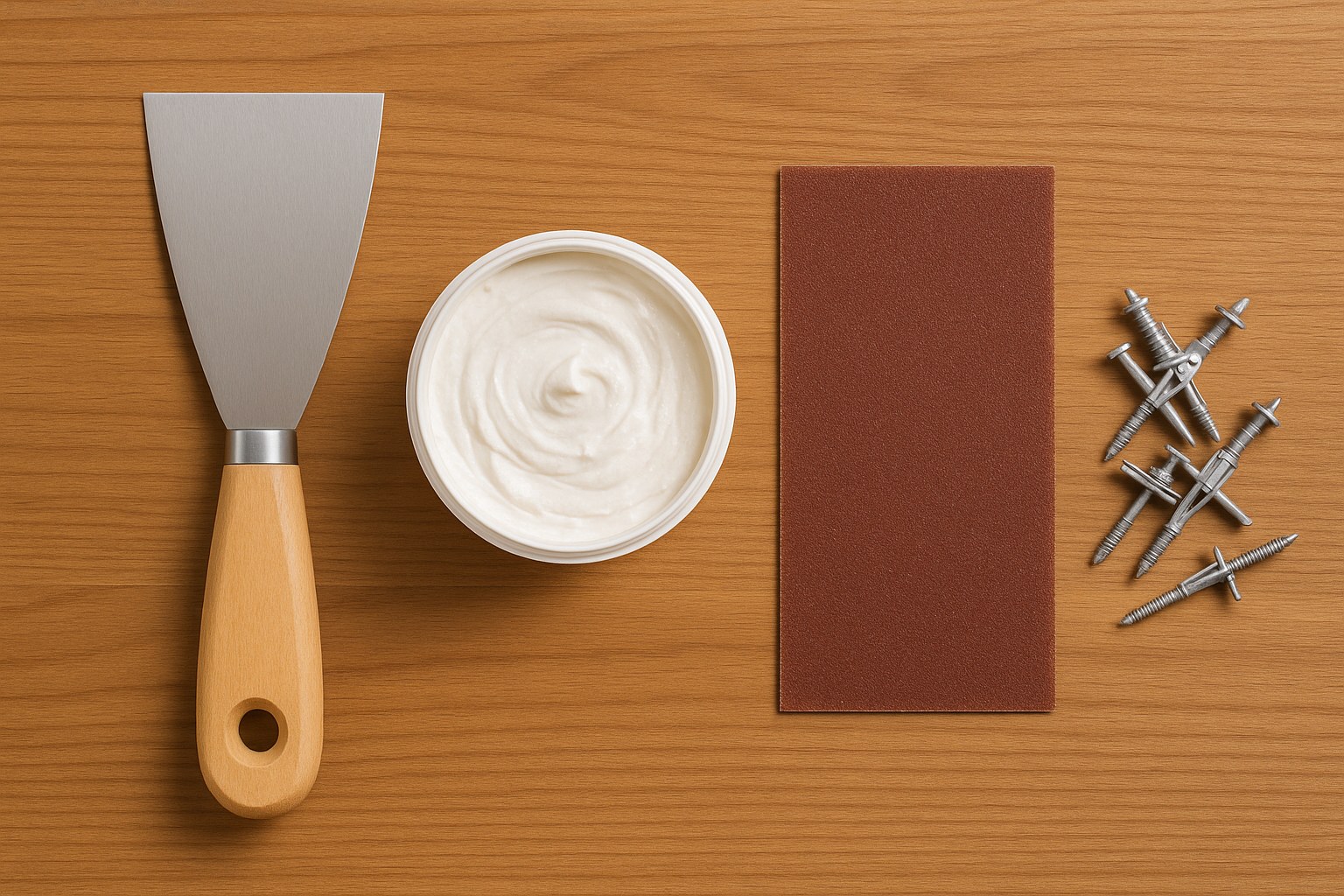
Tools You'll Need:
- Putty knife
- Spackle or joint compound
- Damp sponge or fine sandpaper
- Primer and matching paint
The Steps:
- Protect the floor and cover the fixture.
- Check for lead. In a home built before 1978, don't scrape or sand until you know the paint is lead-free. The EPA says do-it-yourself projects can easily create dangerous lead dust.
- Lift away loose paint and paper gently. Don't dig into the wall.
- Wipe off dust with a dry or barely damp cloth, away from the fixture.
- Press in compound and smooth it flush.
- Let it dry fully. Thicker patches take longer. Add a second thin coat if it shrinks.
- Smooth it with a damp sponge or light sanding, and wipe off the dust.
- Prime and paint, feathering the edge.
- Restore power only when everything is dry.
Scenario 2: Reinforcing a Loose Fixture and Patching the Wall
A patch won't hold a fixture that moves. Fix the mount first.
For a Loose Non-Electrical Fixture (Moderate Difficulty):
- Remove the fixture.
- Look at the anchors. They have usually pulled out or cracked.
- Check what is behind the wall before you drill. Use a stud finder that also detects wires and metal. Don't drill directly above, below, or beside an outlet or switch, or behind a shower, sink, or toilet, where pipes and cables usually run. Keep the hole only as deep as the anchor needs.
- Use a stud if you can. If not, use an anchor rated for more than the fixture will carry, such as a toggle bolt.
- Stop if the bit hits something hard or metal, or if water or wire insulation appears. Back it out, turn off the breaker or water if you can do it safely, and call for help.
- Remount the fixture until it is snug.
- Patch the old holes with the steps above.
For a Loose Electrical Fixture:
Turn off the breaker, leave the cover on, and call an electrician. A box that moves can work its wires loose, and the repair can mean opening the wall or replacing the box. Don't pull the outlet or light out to tighten it, and don't patch around it to hold it still.
Patch the wall after the electrician is done.
Know When to Call a Professional
-
Call a licensed electrician if:
- Any electrical fixture or box is loose, hot, or scorched.
- You see exposed or damaged wire.
- A tester shows power with the breaker off.
-
Call a plumber or roofer if:
- The wall around the fixture is stained, damp, or moldy.
-
Call a drywall contractor or handyman if:
- The hole is large, or the drywall crumbles.
- A fixture won't hold after you've used the right anchor.
Thumbtack puts the national average for drywall repair at $294 to $920. Send a photo and ask for one price that includes the repair and the patch.